

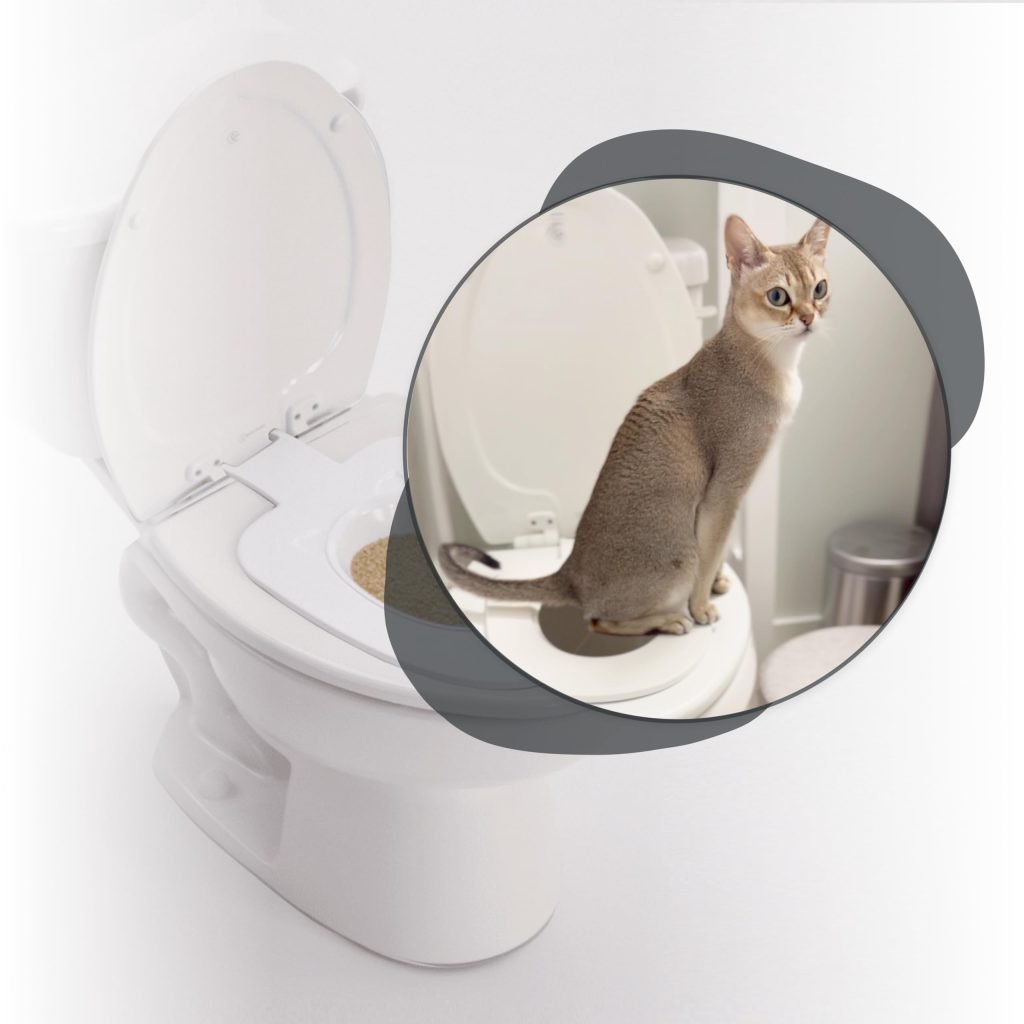
Imagine never having to clean a litter box again. Sounds amazing, right?
If you’ve ever wished your cat could use the toilet like you do, you’re not alone. Teaching your cat to be potty trained can save you time, reduce odors, and make your home cleaner. But how do you get started?
You’ll discover simple, effective steps to help your cat ditch the litter and embrace the toilet. Keep reading, and you’ll soon be on your way to a cleaner, easier life with your feline friend.

Credit: www.walmart.com
Benefits Of Potty Training Cats
Potty training cats offers many advantages for both pets and owners. It improves daily life and reduces common problems. Cats learn to use the toilet, which changes their habits in helpful ways. Below are key benefits of potty training cats.
Hygiene And Cleanliness
Potty trained cats keep their living space cleaner. No more litter boxes filled with waste and odor. This reduces bacteria and bad smells in your home. It also lowers the risk of infections for both cats and humans. Clean floors and furniture make the home more comfortable.
Cost Savings On Litter
Using the toilet means no need to buy cat litter. This saves money every month. Litter costs add up, especially for multiple cats. Owners avoid the hassle of carrying heavy bags. Less cleaning effort is needed too, saving time and energy.
Environmental Impact
Litter production and disposal harm the environment. Potty training reduces litter waste significantly. This helps lower landfill pollution. Water usage for flushing is often less harmful than litter disposal. Choosing this method supports eco-friendly pet care.
Convenience For Owners
Potty trained cats make life easier for owners. No more scooping or changing litter boxes. Travel and boarding become simpler without litter needs. The home stays cleaner with less daily maintenance. It frees up time for other pet care activities.
Credit: www.amazon.com
Choosing The Right Training Method
Choosing the right training method is key for a potty trained cat. Each cat learns differently and needs a suitable approach. Patience and consistency make the process smoother and faster.
Consider your cat’s personality and habits. Some cats adapt well to new tools, while others need gentle guidance. The right method fits both you and your cat’s comfort.
Litter Box Transition
Start by moving the litter box closer to the toilet. Gradually raise the box height over several days. This helps your cat adjust to the new position.
Use flushable litter to ease the switch. Slowly reduce litter in the box while increasing toilet space. Reward your cat for using the box at each stage.
Using A Training Seat
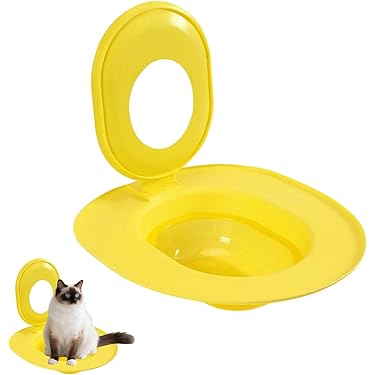
A training seat fits on the toilet bowl. It holds litter and lets the cat balance safely. This tool helps cats learn toilet use step-by-step.
Place the seat securely and keep the bathroom door open. Encourage your cat with treats and praise. Remove the seat only when your cat is confident.
Clicker Training Techniques
Clicker training uses sound to mark good behavior. Click and reward your cat immediately after it uses the toilet or training seat. This helps your cat connect the action with positive feedback.
Practice short sessions daily. Keep the tone calm and patient. This method builds trust and speeds up learning.
Step-by-step Training Process
Training your cat to use the toilet can seem like a daunting task, but breaking it down into clear steps makes the process manageable. Patience and consistency are key as your feline friend adjusts to a completely new habit. Let’s walk through the essential phases that will guide you and your cat toward successful toilet training.
Introducing The Toilet
Start by placing the litter box next to the toilet to get your cat comfortable with the new location. Gradually raise the litter box a few inches using sturdy books or boxes over several days. This helps your cat get used to the height and proximity of the toilet itself without feeling rushed.
Once your cat confidently uses the elevated litter box, swap it for a training seat designed for cats. These seats fit over the toilet bowl and hold litter, easing the transition. Have you noticed how cats adapt faster when changes are introduced slowly?
Gradual Litter Reduction
After your cat is comfortable using the training seat, start reducing the amount of litter gradually. This encourages your cat to balance on the toilet seat and rely less on the litter. You can start by cutting the litter volume in half and then slowly decrease it until there’s none left.
Watch closely for any signs of hesitation or accidents during this phase. Some cats may need more time with a small amount of litter before moving on. Think about how you would feel learning a new skill with fewer safety nets—your cat experiences something similar.
Positive Reinforcement
Reward your cat immediately after successful toilet use. Use treats, gentle petting, or enthusiastic praise to reinforce the desired behavior. Timing is crucial—rewards given too late might confuse your cat.
Keep training sessions short and positive to maintain your cat’s interest. Have you tried different treats or rewards to find what motivates your cat the most? This personal touch can make a big difference.
Monitoring Progress
Keep a daily log of your cat’s toilet use to spot patterns or setbacks early. Note any accidents and try to understand their cause—stress, illness, or environmental changes might be factors. Adjust your training approach based on these observations.
Remember, patience is essential. If your cat struggles, consider pausing the training or returning to an earlier step. Are you ready to invest the time and attention needed to help your cat succeed?

Credit: www.youtube.com
Common Challenges And Solutions
Training a cat to use the potty can be rewarding but comes with challenges. Understanding these issues helps in managing them effectively. Patience and consistency play key roles in overcoming problems. Here are some common challenges and practical solutions to guide you through.
Resistance To Change
Cats dislike sudden changes in their routine. They may avoid the potty due to fear or confusion. Introduce the potty gradually to ease their stress.
- Place the potty near the litter box at first.
- Let the cat explore the potty without pressure.
- Reward any interaction with the potty using treats or praise.
Keep the environment calm and quiet during training sessions. Avoid forcing the cat, as this can increase resistance.
Accidents And Setbacks
Accidents are normal during potty training. Expect some setbacks along the way. Clean up accidents immediately to remove odors that attract cats back to the same spot.
- Use enzyme cleaners to eliminate urine smells.
- Do not punish the cat; it can cause fear and confusion.
- Observe your cat’s behavior to identify triggers for accidents.
Stay patient and keep training consistent to reduce accidents over time.
Health Issues Affecting Training
Health problems can disrupt potty training progress. Conditions like urinary tract infections cause discomfort and accidents.
- Watch for signs like frequent urination or blood in urine.
- Consult a veterinarian if accidents increase suddenly.
- Address any medical issues before continuing training.
Healthy cats are more likely to succeed in potty training. Regular vet check-ups support this goal.
Maintaining Potty Trained Habits
Keeping your cat potty trained requires ongoing attention and care. Even after your cat has mastered using the toilet, maintaining those habits is crucial to prevent setbacks. Small daily actions can make a big difference in ensuring your cat stays comfortable and consistent with their training.
Consistency In Routine
Your cat thrives on routine. Try to keep feeding times and bathroom access consistent every day.
Changing their schedule suddenly can confuse them and lead to accidents. Have you noticed how your cat reacts when their usual routine is disrupted?
Sticking to a steady rhythm helps reinforce their potty trained habits and builds confidence in their new bathroom behavior.
Regular Toilet Maintenance
Just like humans, cats prefer a clean toilet environment. Make sure to clean the toilet seat regularly to avoid odors and stains.
If your cat uses a special training seat or insert, check it daily for cleanliness and replace it as needed.
Neglecting this can discourage your cat from using the toilet, undoing your hard work. How often do you check your cat’s toilet setup?
Encouraging Long-term Success
Positive reinforcement remains important even after your cat is fully potty trained. Reward them with gentle praise or treats when they use the toilet correctly.
Be patient if accidents happen; avoid punishment as it can cause anxiety and setbacks.
Keep an eye out for any changes in behavior that might indicate discomfort or health issues affecting their bathroom habits. Are you ready to stay committed to your cat’s success over the long haul?
When Potty Training Might Not Be Suitable
Potty training a cat can be a rewarding experience, but it’s not always the right choice for every feline or household. Understanding when potty training might not be suitable helps you avoid frustration and ensures your cat’s comfort and well-being. Let’s look at some key factors that might make potty training a less-than-ideal option for your furry friend.
Age And Temperament Factors
Not all cats respond well to potty training, especially very young kittens or older cats. Young kittens might not have the physical control needed, and older cats may resist change due to established habits.
Temperament plays a huge role. Cats that are anxious, shy, or highly independent might find potty training stressful. Have you noticed your cat avoiding new experiences or showing signs of stress with changes? That can be a red flag.
Multiple Cat Households
Managing potty training in homes with more than one cat can be tricky. Cats have their own preferences and social hierarchies that can complicate the process.
If one cat is potty trained but others aren’t, it might cause confusion or territorial issues. You may find yourself juggling different toilet habits, which can lead to accidents and stress for you and your pets.
Alternative Solutions
If potty training isn’t a good fit, there are other ways to keep your home clean and your cat comfortable. High-quality litter boxes with odor control and regular cleaning routines can work wonders.
Consider automatic litter boxes or placing multiple litter trays around the house to reduce accidents. Sometimes, adjusting the type of litter or the box location is all your cat needs.
What small changes could you make today to improve your cat’s bathroom habits without full potty training? Sometimes a simple tweak is the best solution.
Frequently Asked Questions
How Long Does It Take To Potty Train A Cat?
Potty training a cat usually takes 4 to 6 weeks. Consistency and patience are key. Every cat learns at its own pace.
Can All Cats Be Potty Trained Successfully?
Most cats can learn potty training with proper guidance. Age, personality, and environment influence success rates. Young cats adapt more easily.
What Are The Best Tools For Potty Training Cats?
Use a cat toilet training kit or a litter box insert. Gradually transition your cat from litter to the toilet. Patience is essential throughout the process.
Are There Health Benefits To Potty Training Cats?
Potty training reduces litter dust and odors. It can minimize litter-related allergies. Proper hygiene is easier to maintain without traditional litter boxes.
Conclusion
Training your cat to use the potty takes patience and time. Small steps lead to big progress. Keep routines simple and rewards clear. Cats enjoy consistency and gentle guidance. Watch for signs your cat is ready. Celebrate each success, no matter how small.
Soon, your cat will use the toilet confidently. A clean home and happy cat await. Potty training can change your life for the better. Try it and see the difference yourself.
