

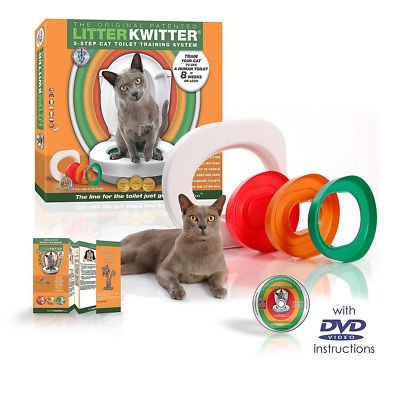
Imagine never having to scoop your cat’s litter box again. Sounds like a dream, right?
Training your cat to use the toilet can make this dream a reality. It saves you time, keeps your home cleaner, and even reduces odors. But you might wonder, is it really possible? And how do you start? You’ll discover simple, step-by-step tips to guide your cat toward using the toilet confidently.
Stick with me, and you’ll learn how to make this change smooth and stress-free for both you and your feline friend. Ready to transform your daily routine? Let’s dive in!

Credit: www.walmart.com
Benefits Of Toilet Training
Training your cat to use the toilet can seem challenging, but the benefits make it worth the effort. It not only saves you time and money but also reduces unpleasant odors and litter mess. Imagine a cleaner home and a happier cat—all without the hassle of constantly changing litter boxes.
Save Money On Cat Litter And Supplies
Toilet training your cat eliminates the need for regular purchases of cat litter. Over time, the savings add up significantly. You won’t have to worry about running out of litter or buying extra trays and liners.
Keep Your Home Cleaner And Fresher
Without a litter box, you avoid the scattered litter that often ends up on your floor. This means fewer cleaning sessions and less dust in the air. Plus, toilets don’t hold odors the way litter boxes can, making your living space smell fresher.
Encourage Better Hygiene For Your Cat
Using the toilet can help your cat stay cleaner since they aren’t stepping in litter or waste. It also reduces the chances of bacteria buildup around their paws. This simple change can improve your cat’s overall health.
Reduce Waste And Environmental Impact
Cat litter often contributes to landfill waste, and some types aren’t eco-friendly. Training your cat to use the toilet cuts down on this waste. It’s a small step that can make a positive difference for the planet.
Strengthen Your Bond Through Training
The process requires patience and consistency, which builds trust between you and your cat. Watching your cat learn this new skill creates a sense of achievement for both of you. Have you noticed how training moments deepen your connection?
Choosing The Right Equipment
Choosing the right equipment is crucial for successfully training your cat to use the toilet. The tools you select can make the process smoother and less stressful for both you and your pet. Understanding what equipment works best helps avoid frustration and keeps your cat comfortable during training.
Selecting A Training Seat
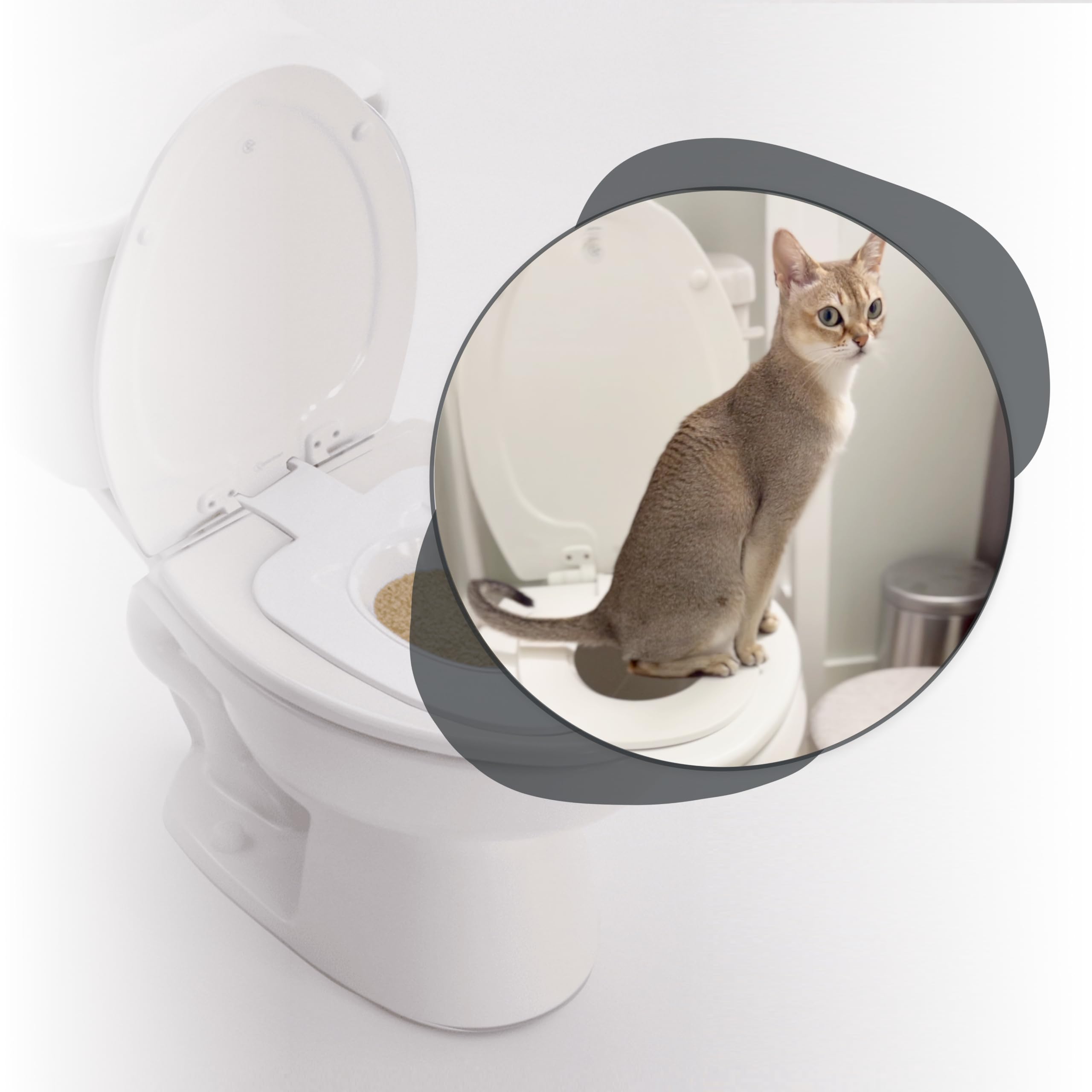
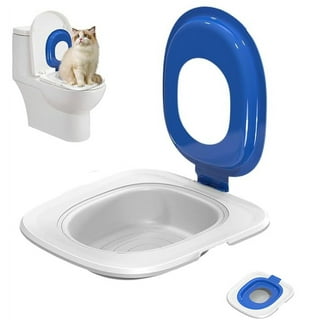
A training seat is a specially designed insert that fits over your toilet bowl, providing a stable surface for your cat. Look for seats that are adjustable and sturdy, so your cat feels safe and secure.
Some training seats come with removable layers or inserts that allow you to gradually reduce the amount of litter. This helps your cat adapt to the toilet without sudden changes.
Consider seats made from easy-to-clean materials. A seat that’s simple to wash saves you time and keeps hygiene in check.
Litter Tray Alternatives
Before fully switching to a training seat, you might want to explore litter tray alternatives that prepare your cat for the transition. These can include smaller trays that fit inside the toilet seat or trays with less litter.
Using these alternatives helps your cat get used to the new location and height. It also reduces accidents, which keeps your bathroom cleaner.
Have you noticed how your cat reacts to different tray types? Observing their preferences can guide you in picking the right equipment.
Preparing Your Cat
Preparing your cat for toilet training requires patience and gentle steps. Cats need time to adjust to new places and habits. Start by making the bathroom a familiar and comfortable spot. Then, slowly change their litter habits to ease the transition. This preparation helps your cat feel safe and ready for toilet use.
Familiarizing With The Bathroom
Let your cat explore the bathroom at their own pace. Keep the door open so they can enter freely. Place their favorite toys or bedding there to create a positive space. Sit quietly in the bathroom during their visits to build comfort. Watch for signs of stress and give breaks if needed.
Reducing Litter Box Use
Gradually decrease the litter box size or amount of litter used. Move the box closer to the toilet step by step. This helps your cat get used to the new location. Keep the box clean to encourage use during transition. Offer praise and treats when they use the box near the toilet.
Credit: www.amazon.com
Step-by-step Training Process
Training a cat to use the toilet requires patience and clear steps. Each phase helps your cat adjust slowly. This gradual process builds comfort and confidence. Follow these simple steps for a smooth transition.
Moving The Litter Box
Start by placing the litter box near the toilet. Move it closer every day. This helps your cat get used to the new location. Keep the litter clean to encourage use. Watch your cat’s behavior carefully.
Introducing The Training Seat
Replace the litter box with a training seat on the toilet. The seat fits over the toilet bowl. Fill it with a small amount of litter. Let your cat explore and use it freely. Stay patient during this new experience.
Gradual Hole Enlargement
The training seat has a small hole in the center. Increase the hole size slowly over days or weeks. This teaches your cat to balance on the seat. It also helps your cat use the toilet water. Never rush this step to avoid stress.
Transitioning To The Toilet
Remove the training seat once the hole is large. Your cat will now sit directly on the toilet. Encourage your cat to use the toilet by rewarding good behavior. Keep the toilet lid up and the seat down. Monitor your cat’s progress closely.
Common Challenges
Training a cat to use the toilet is an exciting journey, but it often comes with a few hurdles. Understanding the common challenges can help you stay patient and adjust your approach. Expect some bumps along the way—they’re part of the learning process for both you and your cat.
Handling Accidents
Accidents are almost inevitable during toilet training. Your cat might miss the toilet or revert to the litter box out of habit or confusion.
Instead of scolding, gently redirect your cat back to the toilet setup. Keep cleaning accidents thoroughly to remove any lingering scent that might attract your cat to the same spot.
Consider using enzymatic cleaners designed for pet messes. This prevents repeated accidents and helps your cat understand where the right place is.
Dealing With Resistance
Some cats resist the change because the toilet feels unfamiliar or intimidating. Signs include avoiding the toilet, meowing loudly, or even showing stress behaviors.
Patience is key here. Try breaking down the training into smaller steps and reward your cat with treats or affection for small successes.
Ask yourself: is the toilet seat stable and comfortable for your cat? Adding a non-slip mat or gradually raising the litter box closer to the toilet height can ease their anxiety.
Maintaining Success
Keeping your cat using the toilet consistently is a rewarding challenge. Success doesn’t end when your cat first masters the toilet—it’s about maintaining good habits over time. Small daily efforts can make a big difference in ensuring your cat stays comfortable and clean.
Cleaning Tips
Regular cleaning is key to preventing odors and keeping your cat willing to use the toilet. Use mild, unscented cleaners to avoid discouraging your cat with strong smells.
Wipe down the toilet seat and surrounding area daily. This prevents any buildup that might make your cat hesitant to return.
Keep a small brush nearby to quickly address any accidents. Have a schedule for a deeper clean once a week to maintain hygiene.
Reinforcing Positive Behavior
Positive reinforcement strengthens your cat’s good toilet habits. Praise your cat with gentle petting or soft words right after they use the toilet.
Try offering a small treat occasionally—not every time—to keep your cat motivated without causing dependency. Notice subtle signs of hesitation and reward your cat when they overcome it.
Think about what works best for your cat’s personality. Some cats respond well to verbal praise, while others prefer physical affection. How will you adjust rewards to keep your cat engaged long-term?
Credit: www.walmart.ca
Frequently Asked Questions
How Do You Start Toilet Training A Cat?
Start by placing a litter box near the toilet. Gradually elevate it using sturdy platforms. Once the cat adjusts, switch to a toilet training kit. Follow the kit’s instructions, gradually reducing the litter. Be patient and reward your cat for progress.
Consistency and positive reinforcement are key to successful training.
Is Toilet Training Safe For Cats?
Yes, toilet training is generally safe for cats. However, some cats may find it stressful. It’s important to observe your cat’s behavior and comfort level. If your cat seems anxious, it may not be suitable. Always prioritize your cat’s well-being and consult a veterinarian if needed.
How Long Does Cat Toilet Training Take?
Toilet training a cat can take several weeks to months. The timeline depends on your cat’s adaptability and personality. Some cats learn quickly, while others need more time. Be patient and consistent throughout the process. Avoid rushing and always reward your cat’s progress to encourage positive behavior.
What Age Is Best For Cat Toilet Training?
Cats can start toilet training at around 6 months old. At this age, they are typically more adaptable to new routines. Younger cats may find it easier to learn. However, older cats can also be trained with patience and consistency.
Always consider your cat’s personality and comfort level.
Conclusion
Training a cat to use the toilet takes time and patience. Each cat learns at its own pace. Small steps help your cat feel comfortable. Always reward good behavior with praise or treats. Stay calm if accidents happen—this is normal.
The effort can reduce litter mess and save money. Remember, not every cat will like toilet training. Try it gently and watch your cat’s reaction. Consistency is key for success. Enjoy the process and celebrate small wins along the way.
