

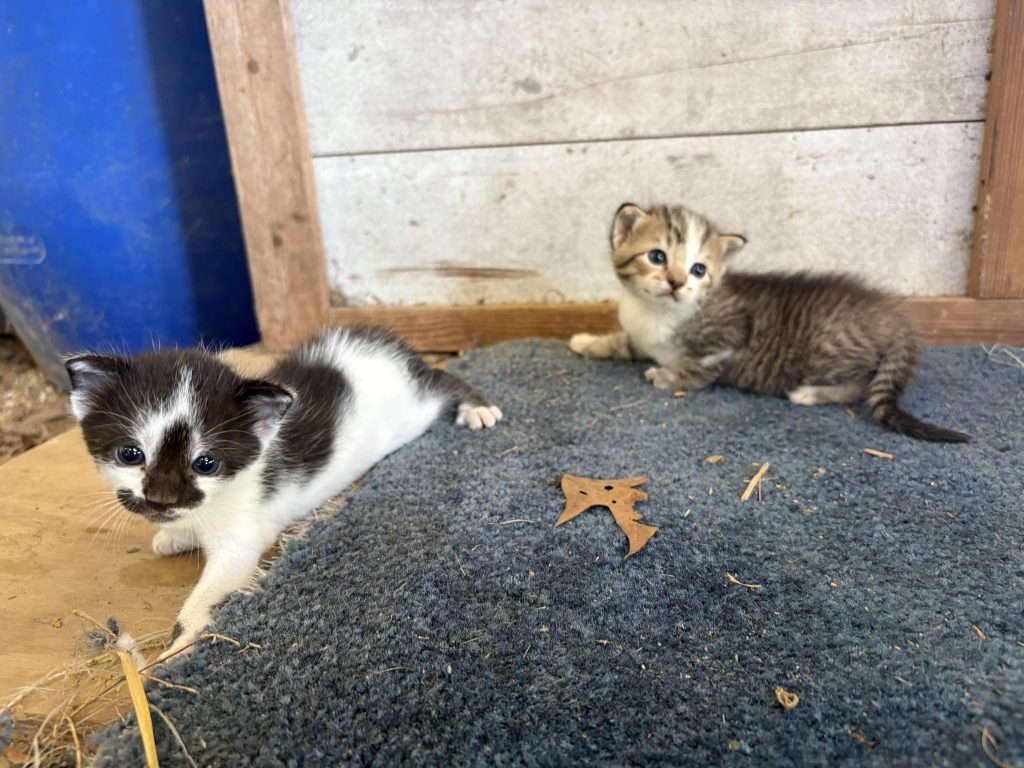
Have you ever found a feral cat and wondered if it’s possible to train it? You might think it’s impossible or too difficult, but with the right approach, you can build trust and help a wild cat become more comfortable around you.
Imagine turning fear into friendship and watching that once-shy cat start to respond to your voice and even enjoy your company. This guide will show you simple, step-by-step ways to train a feral cat, making the process easier and more rewarding than you ever expected.
Keep reading—you’re about to discover how to create a bond that changes both your lives.
Preparing For Training
Training a feral cat requires patience and careful planning. Before starting, prepare a calm environment. Proper preparation helps the cat feel safe and more willing to trust you. Small steps make a big difference in taming a wild cat.
Creating A Safe Space
Choose a quiet, enclosed area for the cat. This space should have no loud noises or sudden movements. Use soft bedding and hideouts like boxes or blankets. The cat needs a place to feel secure and watch its surroundings. Limit access to this area to avoid stress.
Gathering Necessary Supplies
Get all supplies before training begins. These include:
- Food and water dishes
- High-quality cat food or treats
- A comfortable bed or blanket
- A litter box with unscented litter
- Toys to encourage play
- Protective gloves for handling
Having everything ready shows respect for the cat’s needs. It also helps build trust over time.
Setting Realistic Goals
Expect small progress each day. Goals may include:
- Getting the cat to eat near you
- Allowing gentle petting
- Using the litter box consistently
- Responding to simple commands
Keep goals flexible and be patient. Every cat learns at its own pace. Celebrate small victories to stay motivated.

Credit: www.reddit.com
Building Trust Gradually
Building trust with a feral cat takes time and care. These cats are used to living wild. Sudden moves or loud noises can scare them. The goal is to help the cat feel safe around you. Trust grows slowly, step by step. Patience and gentle actions are key.
Approaching With Patience
Move slowly and stay calm near the cat. Avoid staring directly into its eyes. Let the cat come closer on its own. Sit quietly nearby without reaching out. Stay at the cat’s level, not above it. Speak softly to show you mean no harm. Small steps build comfort and reduce fear.
Using Food As A Bonding Tool
Food attracts a feral cat’s attention. Offer tasty treats or wet food daily. Place food in the same spot each time. Move closer to the food bowl slowly over days. Let the cat eat while you watch quietly. Food creates positive feelings toward you. Never rush feeding or try to touch too soon.
Recognizing Cat’s Body Language
- Relaxed tail and ears mean the cat feels safe.
- Hissing or growling shows fear or anger.
- Flattened ears and a puffed tail indicate stress.
- Slow blinking suggests the cat trusts you.
- Moving away means the cat needs space.
Watching these signals helps you respond right. Respect the cat’s mood to build trust faster.
Introducing Handling Techniques
Introducing handling techniques is key to building trust with a feral cat. These cats often fear human touch. Careful and patient handling helps them feel safe and calm. It sets the foundation for training and socializing.
Start slow and respect the cat’s limits. Gentle interactions create positive experiences. Each small step brings the cat closer to comfort with humans.
Starting With Gentle Touch
Begin by offering your hand for the cat to sniff. Let the cat choose to come closer. Use slow, soft movements to avoid startling it. Lightly stroke the cat’s head or back if it allows. Keep touches brief and calm. Watch the cat’s reactions and stop if it pulls away.
Using Positive Reinforcement
Reward good behavior immediately with treats or praise. This helps the cat link touch with positive outcomes. Use small, tasty treats the cat enjoys. Speak in a soft, friendly voice. Consistency encourages the cat to accept handling more often. Patience and rewards build lasting trust.
Avoiding Common Mistakes
- Do not force contact or grab the cat quickly.
- Avoid loud noises that frighten the cat.
- Never punish the cat for fear or resistance.
- Do not rush the process; progress takes time.
- Ignore signs of stress, like hissing or growling.
Respect and care create a safe space. This encourages the feral cat to open up gradually.
Encouraging Social Interaction
Encouraging social interaction with a feral cat requires patience and a gentle approach. These cats have often faced harsh experiences, making trust a fragile thing. You need to create moments where the cat feels safe enough to engage without pressure.
Playing To Reduce Fear
Use toys that keep a distance, like feather wands or laser pointers, to invite your feral cat to play. This kind of interaction lowers stress and builds a positive connection without forcing close contact.
Notice how your cat responds—do they follow the toy eagerly or stay cautious? Adjust your play style to their comfort level. Even short play sessions can make a big difference in breaking down fear.
Introducing To Family Members
Let your cat observe family members from a distance at first. Ask everyone to move calmly and avoid sudden gestures that could startle the cat.
Encourage family members to sit quietly and offer treats or toys, allowing the cat to approach on its own terms. Have you seen how a calm presence can turn suspicion into curiosity?
Allowing Safe Exploration
Create a safe space where your feral cat can explore without feeling trapped. A quiet room with hiding spots, scratching posts, and cozy bedding helps the cat gain confidence.
Let the cat set the pace for exploration. You might be surprised how quickly they start investigating when they feel secure. How can you make your home feel like a sanctuary rather than a cage?
Maintaining Progress Over Time
Training a feral cat is a journey that requires ongoing care and attention. Maintaining progress over time ensures the cat stays comfortable and responsive. Patience and dedication keep the bond strong and the behavior stable.
Consistency In Routine
Keep feeding and interaction times the same every day. Cats feel safer with a predictable schedule. Use the same commands and rewards to avoid confusion. A steady routine builds trust and encourages good habits.
Monitoring Behavioral Changes
Watch for shifts in mood or behavior closely. Note signs of stress or fear that might appear. Early detection helps address problems before they worsen. Keep a simple journal to track progress and setbacks.
Dealing With Setbacks
Setbacks are normal and part of the process. Stay calm and patient during difficult moments. Review training methods to find what might need change. Celebrate small wins to stay motivated and keep moving forward.
:strip_icc()/the-kitty-1011094438-5c3d1af5c9e77c00015e66a6.jpg)
Credit: www.thesprucepets.com

Credit: www.reddit.com
Frequently Asked Questions
How Long Does It Take To Train A Feral Cat?
Training a feral cat can take weeks to months. It depends on the cat’s trust level and socialization. Patience and consistency are key to building a bond gradually.
What Is The Best Way To Gain A Feral Cat’s Trust?
Use food as a trust-building tool. Offer treats daily near the cat’s safe spot. Speak softly and avoid sudden movements to help the cat feel secure.
Can Feral Cats Be Socialized With Humans?
Yes, feral cats can become socialized with time and care. Early socialization is easier, but older cats can adjust with patience and gentle handling.
What Supplies Are Needed To Train A Feral Cat?
Basic supplies include food, water bowls, a secure carrier, and a cozy hiding spot. Toys and scratching posts also help in positive engagement and comfort.
Conclusion
Training a feral cat takes time and patience. Building trust is the first step. Small, gentle actions help the cat feel safe. Consistency in routines makes a big difference. Expect slow progress and celebrate small wins. Each cat is unique, so adapt your approach.
Enjoy the journey of bonding and learning together. With care, feral cats can become loving companions. Keep your efforts kind and steady for best results.
