

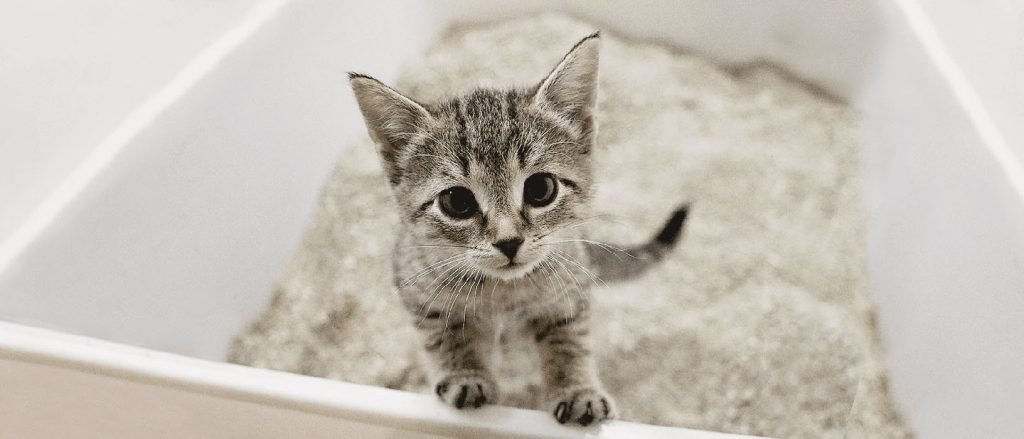
Training your cat to use a kitty litter box might seem challenging, but it’s easier than you think. If you want a clean home and a happy pet, teaching your cat this habit is key.
Imagine never having to worry about where your cat will go when nature calls. In this guide, you’ll discover simple steps that make litter training smooth and stress-free—for both you and your furry friend. Keep reading, and you’ll be surprised how quickly your cat can learn this essential skill.
Credit: www.iams-india.com
Choosing The Right Litter Box
Choosing the right litter box plays a big role in training your cat to use kitty litter. Cats need comfort and privacy to feel safe. The right box encourages good habits and keeps your home clean.
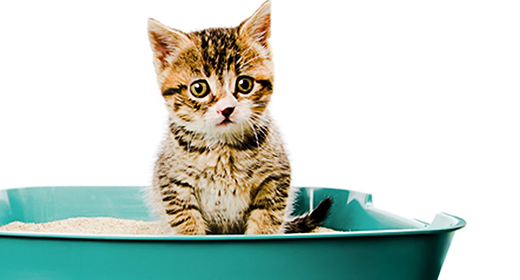
Types Of Litter Boxes
There are several types of litter boxes to choose from. Each suits different cats and homes.
- Open Litter Boxes:Easy to clean and give cats space. Good for shy cats who like to watch surroundings.
- Covered Litter Boxes:Provide privacy and reduce odor. Some cats may feel trapped, so watch your cat’s reaction.
- Self-Cleaning Litter Boxes:Automate cleaning. Save time but can be noisy and expensive.
- Top-Entry Litter Boxes:Help reduce litter scatter. Great for cats who like privacy but still want easy access.
Size And Placement Tips
Choose a litter box that fits your cat’s size. Bigger cats need larger boxes to move freely.
Place the box in a quiet, low-traffic area. Avoid noisy or busy spots to make your cat feel secure.
Keep the box away from your cat’s food and water. Cats prefer these areas separate.
Ensure easy access for your cat at all times. Avoid tight corners or hard-to-reach places.
Selecting The Best Kitty Litter
Selecting the right kitty litter is one of the first steps to help your cat get comfortable with their litter box. The texture, smell, and how it clumps can affect whether your cat will use it consistently. Understanding the differences between types of litter can save you time and frustration down the road.
Clumping Vs Non-clumping
Clumping litter forms solid clumps when your cat urinates, making it easier to scoop out waste daily. This keeps the box cleaner and fresher, which your cat will appreciate. On the other hand, non-clumping litter absorbs moisture but doesn’t form clumps, so you need to change the entire litter more often.
Think about your schedule and cleaning habits. If you prefer quick daily maintenance, clumping litter might be your best bet. But if you don’t mind changing all the litter regularly, non-clumping could work. Does your cat have a preference? Some cats dislike clumping litter because of the texture, so watch how your cat reacts.
Scented Vs Unscented Options
Scented litters mask odors with fragrances, which might seem like a good idea for keeping your home smelling fresh. However, many cats find strong scents overwhelming or unpleasant, causing them to avoid the litter box altogether. Unscented litter offers a more natural smell that’s less likely to bother your feline friend.
Try offering your cat unscented litter first to see if they prefer it. If odor control is a concern, some unscented litters still do a great job absorbing smells without added chemicals. Can you imagine your cat’s reaction to different scents? Observing their behavior will guide you toward the best choice.
Introducing Your Cat To The Litter Box
Introducing your cat to the litter box is the first step in litter training. A smooth introduction helps your cat feel safe and confident. Cats prefer clean, quiet places for their bathroom needs. Setting the right tone early makes training easier for both of you.
Initial Placement And Timing
Place the litter box in a quiet, low-traffic area of your home. Avoid spots near loud appliances or busy rooms. Keep it away from your cat’s food and water bowls. The litter box should be easy to access at all times. Introduce the box soon after bringing your cat home. This timing helps your cat learn where to go right away.
Encouraging Exploration
Let your cat explore the litter box freely. Gently place your cat inside the box a few times. Do this especially after meals and naps. These are moments when cats usually need to go. Praise your cat calmly when it shows interest in the box. Avoid forcing your cat; patience works best.
Creating A Positive Experience
Creating a positive experience helps your cat feel safe and confident with the litter box. Cats learn faster when they enjoy the process. Make the litter box a friendly place where your cat wants to go. Use patience and kindness to build trust. Your cat will respond well to gentle encouragement and rewards.
Rewarding Good Behavior
Use treats or praise when your cat uses the litter box correctly. Small rewards make a big difference in learning. Give a gentle pet or soft voice to show approval. Timing matters. Reward your cat immediately after they use the box. This helps your cat connect the action with the reward.
Avoiding Punishment
Never punish your cat for accidents outside the box. Punishment can cause fear and confusion. It may make your cat avoid the litter box completely. Focus on positive reinforcement instead. Clean accidents calmly and quickly. Use gentle words and avoid anger. Patience will lead to better results.
Establishing A Cleaning Routine
Establishing a cleaning routine is key to training your cat to use the litter box. Cats prefer a clean space for their bathroom needs. A regular cleaning schedule keeps the box inviting and reduces odors. This helps your cat feel comfortable and encourages good habits.
How Often To Clean
Clean the litter box daily by scooping out waste. This prevents buildup and keeps the litter fresh. Replace all the litter once a week. Wash the box with mild soap and water during litter changes. Avoid strong cleaners that can scare your cat.
Maintaining Freshness
Use clumping litter for easy removal of waste. Add a small amount of baking soda to control odors. Keep the box in a well-ventilated, quiet spot. Scoop more often if you have multiple cats. Freshness attracts your cat and helps keep the box clean.

Credit: www.reddit.com
Handling Common Challenges
Training your cat to use the kitty litter can come with its share of hurdles. You might find yourself wondering why your cat suddenly starts avoiding the litter box or why accidents pop up unexpectedly. Handling these challenges calmly and effectively will keep both you and your feline friend happy.
Dealing With Accidents
Accidents happen, even with the most well-trained cats. Instead of getting frustrated, ask yourself: what might be causing this behavior? Sometimes, it’s as simple as a dirty litter box or a location that feels unsafe to your cat.
Keep the litter box spotless by scooping daily and changing the litter regularly. Cats are clean creatures and often reject a messy box. You might also try adding an extra litter box in a quiet, low-traffic area to give your cat options.
If accidents continue, consider a health check-up. Medical issues like urinary tract infections can cause your cat to avoid the litter box. Addressing health problems early can save you a lot of trouble.
Addressing Avoidance
When your cat avoids the litter box, it’s usually sending a message. What might be making your cat uncomfortable or stressed? Changes in the household, new pets, or even a different type of litter can cause avoidance.
Try experimenting with different litters—some cats prefer unscented, fine-grain options. Pay attention to the litter box style as well; some cats dislike covered boxes or certain shapes.
Observe your cat’s behavior closely. Does your cat enter the box but leave quickly? That might mean the litter texture bothers them. Does your cat hide or seem anxious near the box? The location might be the issue.
Patience and observation are your best tools here. Adjust your approach based on what your cat is telling you, and you’ll likely find a solution that works.
Training Tips For Kittens Vs Adult Cats
Training kittens and adult cats to use the kitty litter requires different approaches. Kittens are more open to learning new habits quickly. Adult cats might resist change and need more encouragement. Understanding these differences helps make training easier and more effective.
Adjusting Techniques By Age
Kittens learn fast through exploration and play. Place them in the litter box after meals and naps. Show them how to dig gently with your hand. Keep the box clean and easy to access.
Adult cats may have old habits to break. Use a quiet, private spot for the litter box. Try different litter types to find one they prefer. Be patient if they avoid the box at first.
Patience And Consistency
Both kittens and adults need time to adjust. Reward good behavior with soft praise or gentle petting. Avoid punishment; it causes fear and confusion.
Keep the litter box in the same place. Scoop it daily and change litter regularly. Consistency builds trust and good habits faster.

Credit: petite-store.com
Frequently Asked Questions
How Long Does It Take To Train A Cat To Use Litter?
Training usually takes one to two weeks with consistent effort. Patience and positive reinforcement speed up learning. Every cat learns at its own pace.
What Type Of Litter Is Best For Kittens?
Unscented, clumping, and dust-free litter is ideal for kittens. It’s gentle on their paws and easy to clean. Avoid scented or clay litters initially.
How Can I Encourage My Cat To Use The Litter Box?
Place the box in a quiet, accessible spot. Keep it clean and use treats to reward usage. Show your cat the box after meals and naps.
What Should I Do If My Cat Avoids The Litter Box?
Check for cleanliness and proper box size. Ensure no medical issues exist by consulting a vet. Try changing the litter type or box location.
Conclusion
Training your cat to use a kitty litter takes time and patience. Start with a clean, quiet space for the litter box. Show your cat where it is and praise them for using it. Keep the box clean every day to encourage good habits.
Watch your cat closely and guide them gently. Remember, every cat learns at their own speed. Stay calm and consistent. Soon, your cat will use the litter box without problems. Enjoy a cleaner home and a happy pet.
