

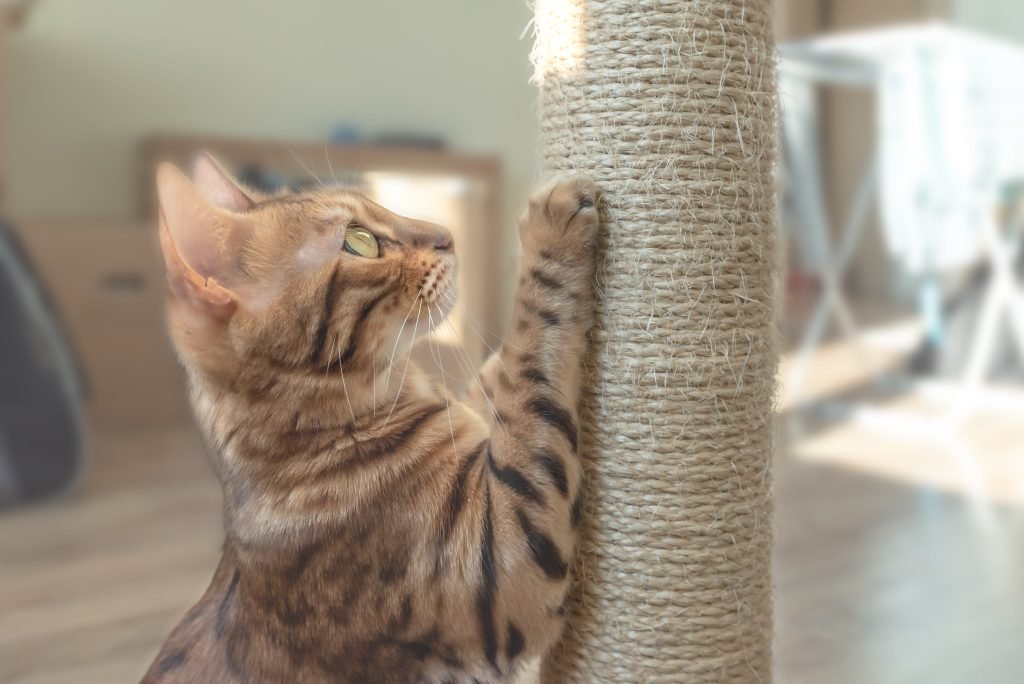
Are you tired of your cat scratching your furniture and leaving claw marks everywhere? Training your cat to use a scratching post can save your home and keep your furry friend happy.
It might seem tricky at first, but with the right steps, you can guide your cat to make the scratching post their favorite spot. Keep reading, and you’ll discover simple tips that work, making both you and your cat feel great about this change.
Choosing The Right Scratching Post
Choosing the right scratching post is key to getting your cat interested and using it regularly. Not all posts are created equal, and your cat’s preferences play a huge role in success. Understanding what materials, size, and placement work best can save you time and frustration.
Materials Cats Prefer
Cats have strong preferences for certain textures. Most cats love rough surfaces like sisal rope or corrugated cardboard because they provide good resistance for scratching.
Soft materials like carpet or plush can be hit or miss. Some cats enjoy them, but others find them too slippery or unsatisfying.
Think about your cat’s current scratching spots. Are they clawing at wood furniture or carpet edges? That can hint at the textures they prefer.
Size And Stability Matters
Your cat needs a post tall and sturdy enough to stretch fully. Posts less than 18 inches often don’t satisfy this need.
Stability is just as important. If the post wobbles or tips over, your cat will likely avoid it.
I once bought a tall but flimsy post that toppled instantly. My cat ignored it completely. Investing in a well-built post made all the difference.
Placement Tips
Where you put the scratching post affects how often your cat uses it.
- Place it near your cat’s favorite resting spots to encourage stretching.
- Try positioning it close to areas where your cat already scratches.
- Consider putting a post near entry points like doors, since cats often scratch there to mark territory.
Have you noticed your cat’s favorite scratching spots around the house? Start there and see if a well-chosen post can lure them away from furniture.
Credit: www.chewy.com
Introducing The Scratching Post
Introducing a scratching post to your cat sets the foundation for good habits. Cats need a place to scratch to keep their claws healthy. They also use scratching to mark their space. Placing a scratching post in your home gives your cat a clear, safe spot to scratch. This helps protect your furniture and keeps your cat happy.
Encouraging Initial Interest
Place the scratching post where your cat likes to spend time. A busy area or near their sleeping spot works well. Let your cat explore the post at their own pace. Avoid forcing them onto it. Praise your cat quietly when they approach or touch the post. This builds positive feelings about the new object.
Using Catnip And Toys
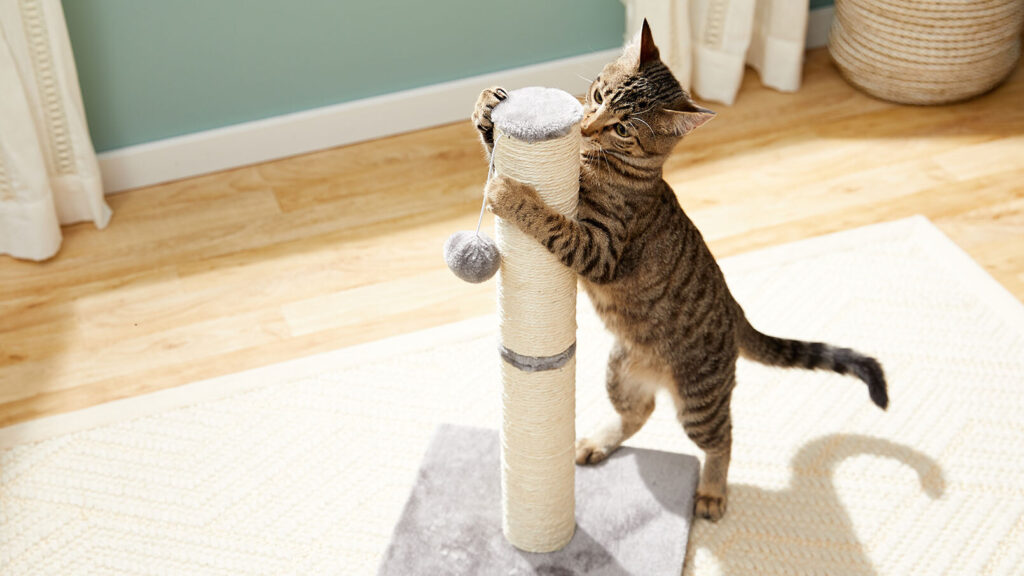
Sprinkle catnip on the scratching post to attract your cat. Catnip creates excitement and curiosity. Use toys to draw attention, like dangling feathers or small balls. Move toys around the post to encourage interaction. This makes the post more fun and interesting. Keep sessions short to prevent overwhelming your cat.
Demonstrating Scratching Behavior
Show your cat how to use the post by gently guiding their paws. You can mimic scratching motions on the post. Use your own hands or a soft cloth to create the scratching sound. This catches your cat’s interest and teaches them what to do. Praise or reward your cat if they try to scratch the post themselves.
Positive Reinforcement Techniques
Positive reinforcement is the key to encouraging your cat to use a scratching post consistently. Cats respond best to rewards that make the experience pleasant, helping them build a positive association with the post. This approach avoids stress and resistance, making training smoother and more enjoyable for both of you.
Rewarding Desired Actions
Catch your cat in the act of scratching the post and immediately offer a reward. This could be a treat, petting, or enthusiastic praise—whatever your cat enjoys most. Rewarding the exact behavior you want helps your cat understand what’s expected.
Try using high-value treats that your cat doesn’t get often to make the reward more exciting. You can also use a clicker to mark the moment your cat scratches the post, followed by a treat. This clear communication speeds up learning.
Timing Treats And Praise
Timing is everything. Give your reward within seconds of your cat using the scratching post to create a strong connection. Delayed praise can confuse your cat and weaken the training effect.
Be consistent with your timing. If you miss the moment, wait for the next opportunity rather than rewarding unrelated behavior. Over time, your cat will start heading to the post on their own, anticipating the reward.
Avoiding Negative Reactions
Never punish your cat for scratching in the wrong place. Negative reactions can cause fear and mistrust, making training harder. Instead, gently redirect your cat to the scratching post and reward when they comply.
Consider using deterrents like double-sided tape on furniture, but pair them with positive reinforcement on the scratching post. This balanced approach teaches your cat where to scratch without causing anxiety.
Redirecting Unwanted Scratching
Redirecting unwanted scratching is key to preserving your furniture and keeping your cat happy. Cats scratch to mark territory, stretch muscles, and sharpen claws. Instead of punishing your cat, guide them gently toward a scratching post to satisfy these natural urges.
Protecting Furniture
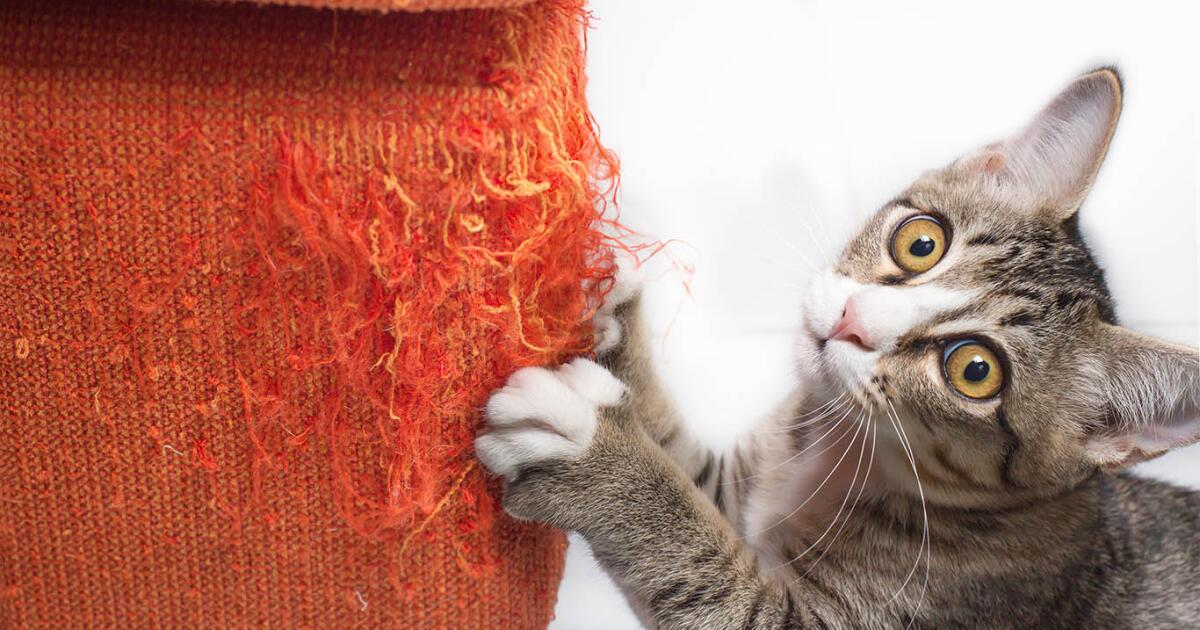
Start by covering your furniture with materials cats dislike, such as double-sided tape or aluminum foil. These textures discourage scratching without harming your cat. Place scratching posts near the furniture your cat targets to offer a tempting alternative.
I once placed a scratching post right next to my sofa, which was the favorite scratching spot for my cat. Within days, she shifted her attention to the post, saving the sofa from further damage. Have you noticed where your cat scratches most often? Positioning the post nearby can make a big difference.
Using Deterrents Effectively
Deterrents like citrus sprays or commercial cat repellents can help redirect your cat’s scratching. Apply these on the spots you want to protect, but never on the scratching post itself. This contrast helps your cat learn which areas are off-limits and which are acceptable.
Remember, not all cats respond to deterrents the same way. If your cat ignores a spray, try changing the scent or combine deterrents with positive reinforcement like treats. What deterrent has your cat responded to most?
Consistency In Training
Consistency is your best tool. Always redirect your cat to the scratching post whenever you catch them scratching furniture. Use a calm voice and gentle guidance instead of punishment to keep the experience positive.
Reward your cat immediately when they use the post—try treats or affection. This builds a clear connection between the behavior and the reward. How often do you reward your cat for good behavior? A steady routine helps them learn faster.
Maintaining The Scratching Post
Maintaining the scratching post is key to keeping your cat interested and satisfied. A clean, sturdy post invites your cat to scratch and play. Regular care helps the post last longer and protects your furniture.
Cleaning And Repairing
Remove loose fur and dirt using a vacuum or brush. Wipe down surfaces with a damp cloth and mild soap. Avoid harsh chemicals that can harm your cat.
Check for tears or loose parts. Fix small damages with glue or by tightening screws. Keep the post safe and stable to prevent accidents.
Replacing Worn Posts
Scratching posts wear out over time. Replace the post if the material is shredded or weak. A fresh post keeps scratching fun and healthy for your cat.
Choose a post with similar size and texture to the old one. This helps your cat adjust quickly and continue using it.
Keeping Your Cat Engaged
Move the post to different spots to keep things fresh. Sprinkle catnip or hang toys on the post to attract attention.
Praise your cat and offer treats when it uses the post. Positive feedback encourages consistent scratching behavior.
Credit: www.latimes.com
Dealing With Common Challenges
Training a cat to use a scratching post can face some hurdles. Cats have unique habits and preferences. Patience and understanding help overcome these challenges. Addressing common problems ensures better results and a happier home.
Cats Ignoring The Post
Some cats may not notice the scratching post. Try placing it near their favorite spots. Use catnip or toys to attract their attention. Praise and reward your cat when they use the post. Change the post’s location if needed. Sometimes a different texture or height helps too.
Scratching At Night
Cats are often more active in the dark. Night scratching can disturb your sleep. Give your cat extra playtime before bed to burn energy. Place multiple scratching posts in quiet areas. Use soft lighting to make the post visible. Avoid punishing your cat for night scratching. Instead, redirect them gently to the post.
Multi-cat Household Strategies
Multiple cats may compete for one post. Provide several scratching posts around your home. Offer different types and materials to suit each cat. Watch how each cat uses the posts. Make sure each cat has its own space to scratch. Keep the posts clean and fresh-smelling. This reduces tension and encourages use by all cats.

Credit: www.latimes.com
Frequently Asked Questions
How Long Does It Take To Train A Cat To Scratch Posts?
Training a cat to use a scratching post usually takes one to two weeks. Consistency and positive reinforcement speed up learning. Patience is key since each cat adapts at its own pace.
What Type Of Scratching Post Is Best For Cats?
The best scratching post is tall, sturdy, and covered with sisal or carpet. It should allow the cat to stretch fully. Different cats prefer vertical or horizontal posts, so observe your cat’s preference.
How Can I Encourage My Cat To Use The Scratching Post?
Use catnip or toys to attract your cat to the post. Praise and reward your cat immediately after it uses the post. Avoid punishment, as it can create fear and confusion.
Can Training A Cat To Use A Scratching Post Prevent Furniture Damage?
Yes, teaching your cat to use a scratching post redirects scratching behavior. It helps protect furniture and keeps your cat’s claws healthy. Regular training and providing appealing posts are essential.
Conclusion
Training a cat to use a scratching post takes time and patience. Offer praise and treats to encourage good habits. Place the post where your cat likes to scratch most. Keep the post clean and sturdy for best use. Remember, consistency helps your cat learn faster.
Soon, your cat will prefer the post over furniture. Enjoy a happier home with less damage. Small steps lead to great results. Keep trying, and your cat will thank you.
