

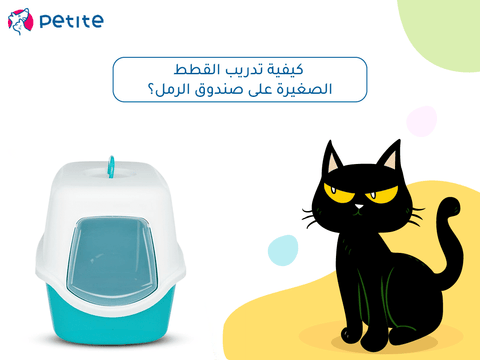
Getting your cat to use the litter box might seem tricky, but it’s easier than you think. You want a clean home and a happy pet, and teaching your cat this simple habit is the first step.
Imagine never having to worry about accidents or unpleasant smells again. You’ll discover practical, proven tips to train your cat quickly and effectively. Keep reading to make your life simpler and your cat’s routine stress-free.
Choosing The Right Litter Box
Choosing the right litter box is the first step to successful litter training. It’s more than just picking a container—it’s about creating a comfortable space your cat wants to use. The right box can prevent accidents and make cleaning easier for you.
Size And Shape Matters
Your cat needs enough room to turn around and dig comfortably. A box that’s too small will frustrate them and might lead to accidents outside the box. Larger breeds or active cats benefit from wider, deeper boxes that provide ample space.
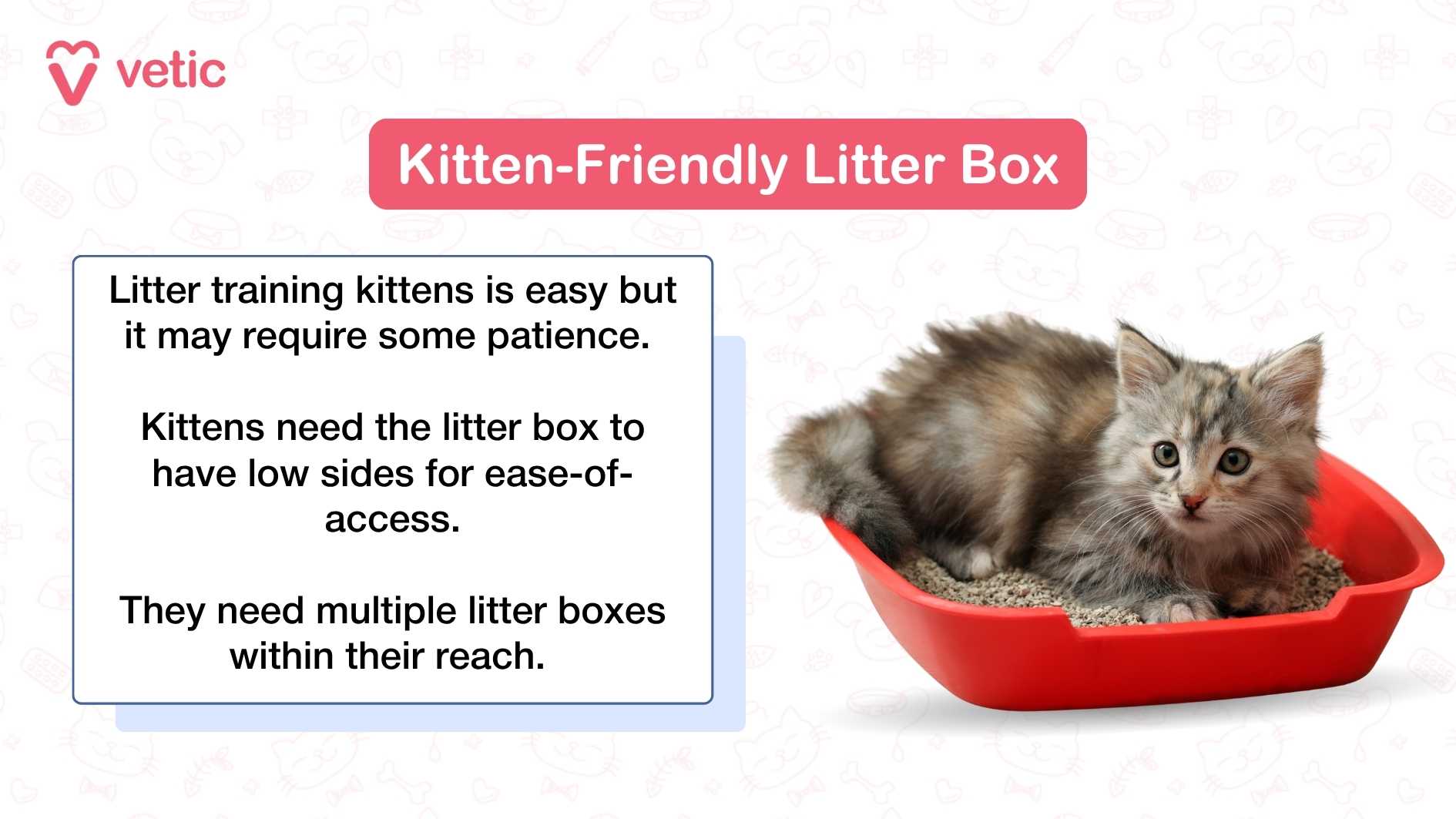
Consider the shape as well. Rectangular boxes often give more room than round ones, but some cats prefer lower sides for easy entry, especially kittens or older cats. Think about your cat’s size and agility when choosing.
Covered Vs. Uncovered Boxes
Some cats love the privacy of a covered box, while others feel trapped and avoid them. Covered boxes help contain odors and litter scatter, which can keep your home cleaner. However, if your cat is shy or new to litter training, an open box might reduce anxiety.
Try observing your cat’s behavior around different types. Do they hesitate to enter a covered box? Or do they seem comfortable hiding while doing their business? Your cat’s comfort should guide your choice here.
Material And Durability
Choose a litter box made from sturdy, non-porous materials like heavy-duty plastic. These are easy to clean and resist odors better than cheaper alternatives. Thin or flimsy boxes can crack or warp, leading to leaks and more mess.
Also, consider how the material feels to your cat’s paws. Rough or slippery surfaces might discourage use. A smooth, matte finish usually works well, offering comfort and easy maintenance.
Selecting The Best Litter
Selecting the best litter is key to training cats to use the litter box. Cats have sensitive noses and paws. The right litter helps them feel comfortable and clean. This choice affects how often you clean the box and the smell in your home. Understanding different litter types helps you pick what suits your cat’s needs.
Types Of Cat Litter
Cat litter comes in many forms. The most common include:
- Clay-based:Affordable and widely used. Absorbs moisture well but can be dusty.
- Silica gel:Controls odor better and stays dry longer.
- Biodegradable:Made from natural materials like corn, wheat, or pine. Eco-friendly and less dusty.
Each type has pros and cons. Choose one that fits your cat’s comfort and your cleaning routine.
Scented Vs. Unscented
Scented litter masks odors with added fragrances. Some cats dislike strong smells. Unscented litter offers a neutral scent. It’s often better for cats with sensitive noses or allergies. Unscented litter encourages cats to use the box without hesitation. Consider your cat’s preferences before picking scented or unscented.
Clumping Vs. Non-clumping
Clumping litter forms solid clumps when wet. This makes cleaning easy. You scoop out only the dirty parts. Non-clumping litter absorbs moisture but does not form clumps. It requires more frequent complete changes. Clumping litter is popular for its convenience and odor control. Some cats prefer non-clumping for its softer texture.
Setting Up The Litter Box
Setting up the litter box correctly is the first step to encourage your cat to use it consistently. It’s not just about placing a box somewhere; the location, cleanliness, and comfort all play vital roles in your cat’s acceptance. Getting these right can save you a lot of frustration and help your feline friend feel at ease.
Ideal Placement
Choose a quiet spot where your cat can have privacy but still feel safe. Avoid busy areas like near loud appliances or heavy foot traffic. Cats prefer a calm environment, so think about a low-traffic corner or a spare bathroom.
Also, consider accessibility. Is the box easy for your cat to reach at any time? If you have multiple floors, placing a litter box on each floor can prevent accidents. Have you noticed your cat avoiding certain rooms? That might mean the location needs changing.
Keeping It Clean
Cleanliness is crucial. Cats are very particular about hygiene, and a dirty box is a quick way to lose their interest. Scoop out waste at least once a day and change the litter regularly to keep odors away.
Use unscented, clumping litter to make cleanup easier and to avoid overwhelming your cat’s sensitive nose. You might also want to wash the box with mild soap weekly. Have you checked if the litter box smells unpleasant to you? If yes, your cat probably feels the same.
Creating A Comfortable Environment
Make the litter box inviting. Choose a box size that allows your cat to turn around comfortably. Some cats prefer covered boxes for privacy, while others feel trapped—observe your cat’s preference and adjust accordingly.
Adding a mat outside the box can help catch stray litter and keep the area tidy. You can even try different types of litter to see what your cat likes best. How does your cat react to the box? Sometimes small changes make a big difference in comfort and usage.

Credit: x.com
Introducing Your Cat To The Box
Introducing your cat to the litter box is a crucial first step in training. Cats can be curious yet cautious about new things in their environment. Guiding them gently and patiently helps make the litter box a familiar and comfortable spot.
Timing And Patience
Start introducing the box when your cat is calm and not distracted. Avoid forcing them too soon after meals or playtime, as they might be more active or restless then.
Patience is key. Some cats take a few days to get used to the litter box, while others might need a couple of weeks. Watch your cat’s behavior closely and adjust your approach accordingly.
Encouraging Exploration
Let your cat explore the litter box without pressure. Place them gently inside the box a few times a day, especially after meals or naps, to build familiarity.
You can sprinkle a little catnip nearby or gently scratch the litter surface to attract their interest. Have you noticed how your cat reacts to new smells or textures? Use that curiosity to your advantage.
Using Positive Reinforcement
Reward your cat with treats or gentle praise whenever they show interest or use the box. This makes the experience positive and encourages repeat behavior.
Avoid scolding or punishment if accidents happen outside the box; it can create fear or confusion. Instead, clean the area thoroughly and guide your cat back to the box calmly.
Dealing With Common Challenges
Training your cat to use the litter box can sometimes bring unexpected hurdles. These challenges might test your patience but understanding and addressing them can make a big difference. Let’s look at some common issues and how you can handle them effectively.
Avoiding Accidents
Accidents happen, especially when your cat is still learning or adjusting to a new environment. Keep the litter box clean and in a quiet place to encourage use. If accidents occur outside the box, clean the area thoroughly to remove any scent that might attract your cat back to the same spot.
Watch for signs that your cat needs a break from training or may be stressed. Sometimes adding an extra litter box in another room can help, especially in multi-cat households. Have you noticed where your cat prefers to go? Placing a box nearby can prevent accidents.
Handling Fear Or Anxiety
Fear or anxiety can make your cat avoid the litter box entirely. Loud noises, sudden changes, or a new home can increase stress levels. Creating a calm and consistent environment helps your cat feel safe and more willing to use the box.
Try placing the litter box in a low-traffic area and use a covered box if your cat prefers privacy. Some cats respond well to pheromone sprays or calming diffusers. Have you tried sitting quietly near the box to reassure your cat during training?
Addressing Litter Box Refusal
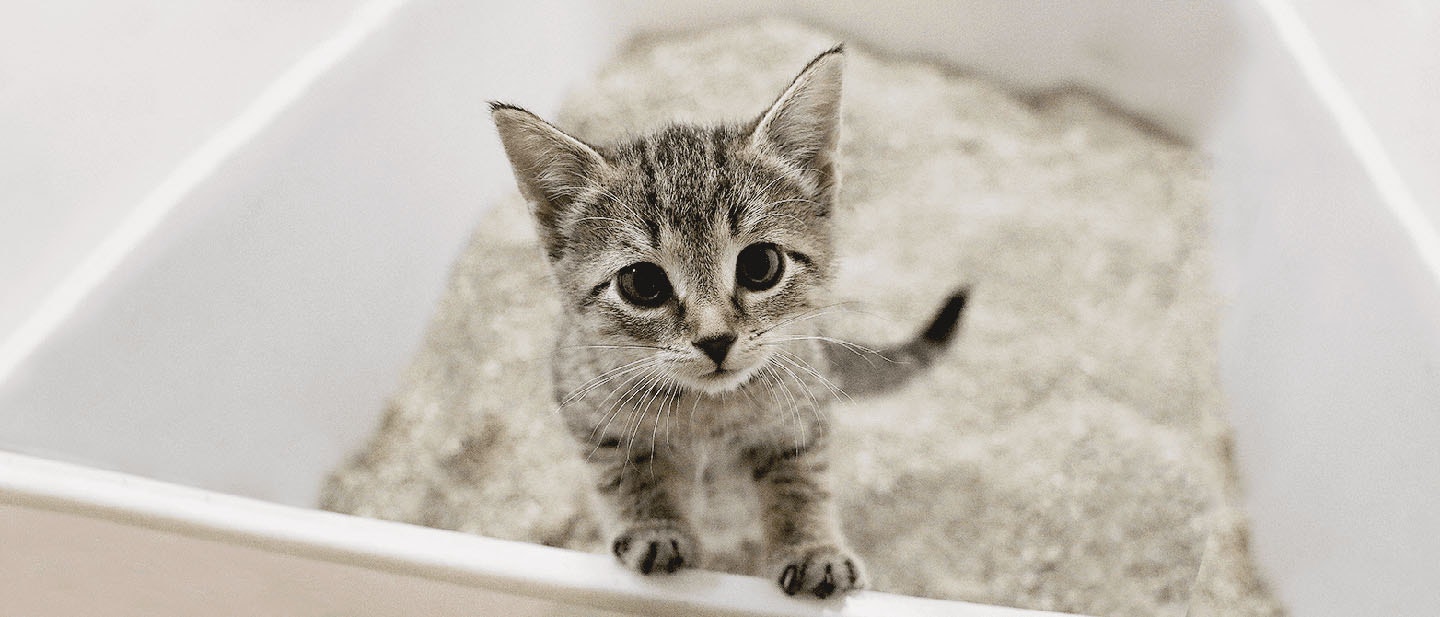
Litter box refusal is frustrating but often points to an underlying issue. Cats may dislike the type of litter, the box size, or the location. Experiment with different litters—clumping, non-clumping, scented, or unscented—to find what your cat prefers.
Consider the litter box’s cleanliness and accessibility. Older cats or those with mobility issues may struggle with high-sided boxes. Can you make the box easier to enter or add a ramp? Observing your cat’s behavior closely can reveal the exact cause of refusal.
Credit: www.whiskas.com.ph
Maintaining Good Habits
Maintaining good habits is key to keeping your cat comfortable and consistent with using their litter box. It’s not just about training once; it’s about creating an environment where your cat feels confident and willing to use the box every time. Small daily actions can make a big difference in preventing accidents and stress for both you and your feline friend.
Regular Cleaning Routine
Keeping the litter box clean is crucial. Cats are very particular about hygiene and often avoid dirty boxes.
Clean the litter box at least once a day by scooping out waste. Completely change the litter and wash the box with mild soap once a week.
Have you noticed your cat hesitating near the box? It might be time to refresh the litter or clean the area more thoroughly.
Monitoring Your Cat’s Behavior
Watch your cat closely for any changes in litter box habits. Sudden avoidance might signal health issues or stress.
Look for signs like scratching outside the box or frequent visits without success. These behaviors can help you catch problems early.
Ask yourself if anything in your cat’s environment has changed recently, such as new pets or furniture, which might affect their comfort.
Adjusting Setup As Needed
Sometimes a small tweak can improve your cat’s litter box experience. Consider the type of litter, box size, or location.
- If your cat avoids the box, try a different litter texture—some prefer clumping, others non-clumping.
- Place the litter box in a quiet, low-traffic area to give your cat privacy.
- Use an uncovered box if your cat seems to dislike enclosed spaces.
Have you tried moving the box or changing litter types? Noticing your cat’s preferences can save you time and frustration.
Credit: vetic.in
Frequently Asked Questions
How Long Does Litter Box Training Take?
Litter box training usually takes one to two weeks. Consistency and patience speed up the process. Young kittens may learn faster than adult cats.
What Type Of Litter Is Best For Training Cats?
Unscented, clumping litter is ideal for training cats. It’s easier to clean and attracts cats naturally. Avoid scented or dusty litters that may deter use.
How Often Should I Clean The Litter Box?
Clean the litter box daily to maintain hygiene. Remove waste and clumps regularly to encourage use. Full litter replacement should happen weekly for best results.
Can I Train An Adult Cat To Use The Litter Box?
Yes, adult cats can learn to use the litter box. Training requires patience, positive reinforcement, and consistent placement of the box. Avoid punishment to prevent stress.
Conclusion
Training cats to use a litter box takes patience and care. Start early and keep the box clean every day. Praise your cat when it uses the box correctly. Watch for signs if your cat needs help or changes habits.
Small steps lead to good habits over time. Stay calm and consistent to help your cat succeed. Enjoy a cleaner home and a happier pet. Trust the process and your cat will learn soon.
