


Are you struggling to get your cat to listen or follow simple commands? Training your cat might seem impossible, but with the right tips, you can turn your furry friend into a well-behaved companion.
Imagine having a cat that comes when called, uses the scratching post instead of your furniture, or even learns fun tricks. This guide will give you easy, practical advice that anyone can use. Keep reading, and discover how small changes can make a big difference in your cat’s behavior and your daily life together.

Credit: www.outdoorbengal.com
Reading Cat Body Language
Understanding your cat’s body language is key to building a strong bond and effective training. Cats communicate a lot without words, and tuning into their signals helps you respond appropriately. Recognizing these cues can prevent frustration and make training sessions smoother for both you and your feline friend.
Tail Signals
Your cat’s tail is a powerful mood indicator. A straight-up tail often means confidence and friendliness, while a puffed-up tail signals fear or aggression. When your cat’s tail flicks slowly, it usually means curiosity or mild annoyance, but rapid flicking is a clear sign to give them space.
Noticing these differences early can help you avoid stress during training. Have you ever tried to teach a trick only to realize your cat’s tail was telling you they were upset?
Ear And Eye Movements
Ears that point forward show interest, but flattened ears warn of discomfort or anger. Cats often move their ears quickly to catch sounds, so sudden swivels could mean they’re distracted or alert. Your cat’s eyes also speak volumes—slow blinking is a sign of trust and relaxation.
If your cat stares without blinking or has dilated pupils, they might be stressed or excited. Next time your cat gives you a slow blink, try blinking back—it’s like a “cat kiss” and builds trust.
Vocalizations And Sounds
Meows, purrs, hisses, and chirps all carry different meanings. A soft meow usually invites attention, while a loud, persistent meow might mean hunger or discomfort. Purring is often linked to contentment, but cats also purr when stressed, so context matters.
Hissing and growling are clear “stay away” messages. Listen closely to your cat’s sounds during training—are they eager or frustrated? Adjust your approach based on these vocal clues to keep your sessions positive and effective.
Credit: www.cats.org.uk
Creating A Positive Environment
Creating a positive environment is key to successful cat training. Cats feel more secure and learn better when their surroundings are calm and inviting. A welcoming space lowers stress and encourages good behavior. It also builds trust between you and your cat.
Safe Spaces And Hiding Spots
Cats need places to retreat and feel safe. Quiet corners, boxes, or cat trees with enclosed spaces work well. These spots help your cat relax and avoid stress. Offering safe zones reduces anxiety and makes training easier.
Toys And Enrichment
Keeping your cat busy with toys boosts mental and physical health. Use interactive toys like feather wands or puzzle feeders. Rotate toys often to keep interest high. Enrichment prevents boredom and encourages positive play habits.
Consistent Routine
Cats thrive on routine. Feed, play, and train at the same times every day. Consistency helps your cat know what to expect and feel secure. A steady schedule improves learning and supports good habits.
Basic Training Techniques
Training your cat might seem challenging, but starting with basic techniques can make a huge difference. These foundational steps build trust and communication between you and your feline friend. You’ll find that patience and consistency are key to seeing real progress.
Using Treats And Rewards
Cats respond well to positive reinforcement. Using treats as rewards helps your cat understand which behaviors you want to encourage. Keep the treats small and special to keep your cat motivated without overfeeding.
Try giving a treat immediately after your cat performs a desired action, like sitting or coming when called. This quick feedback helps your cat connect the behavior with the reward. Have you noticed how your cat’s eyes light up at snack time? That excitement is your training ally.
Clicker Training Basics
Clicker training uses a small device that makes a distinct sound to mark good behavior. The click tells your cat exactly when they’ve done something right, making learning clearer and faster. It’s a simple tool that can transform your training sessions.
Start by clicking and then giving a treat to help your cat associate the click with a reward. Once your cat understands this, use the click to mark specific actions you want to reinforce. Have you tried this technique yet? Many cat owners find it surprisingly effective for teaching tricks or commands.
Litter Box Habits
Teaching your cat proper litter box habits is one of the most important aspects of training. Make sure the box is clean, easily accessible, and placed in a quiet area. Cats dislike dirty or hidden litter boxes, and this can lead to accidents.
If your cat avoids the box, check for any changes in litter type or location that might be causing discomfort. Reward your cat with praise or treats when they use the box correctly. Could a simple adjustment in your setup improve your cat’s habits?
Managing Undesirable Behaviors
Managing undesirable behaviors in cats requires patience and understanding. These behaviors often signal unmet needs or stress. Instead of punishment, focus on guiding your cat toward better habits.
Scratching Furniture
Scratching is natural for cats, but it can damage your furniture. Provide scratching posts or pads in areas your cat frequents. Use different materials like sisal, cardboard, or carpet to see what your cat prefers.
Spraying furniture with a deterrent spray or covering it with double-sided tape can discourage scratching. Try rewarding your cat with treats or affection when it uses the scratching post. Does your cat scratch more when stressed? Identifying triggers helps you prevent the behavior.
Biting And Aggression
Biting and aggression often come from fear, overstimulation, or playfulness. Watch your cat’s body language closely—flattened ears or a twitching tail can warn you to stop interaction. Avoid using your hands as toys; instead, use wand toys to keep a safe distance.
If your cat bites during play, redirect its energy with toys. When aggression occurs, calmly walk away to avoid escalating tension. Have you noticed if certain times or situations spark aggressive behavior? Understanding this can help you adjust your approach.
Excessive Meowing
Some cats meow more than others, but excessive meowing might indicate a problem. Your cat could be hungry, bored, lonely, or seeking attention. Ensure regular feeding times and provide enough playtime to keep your cat mentally stimulated.
Ignoring persistent meowing can sometimes reduce the behavior, but be careful not to neglect genuine needs. Talk to your vet if the meowing suddenly increases, as it might signal health issues. How do you balance responding to your cat without encouraging constant vocal demands?
Strengthening Cat-human Bond
Building a strong bond with your cat goes beyond just feeding and petting. It requires understanding your feline friend’s unique personality and communicating in ways they appreciate. Strengthening this bond makes training easier and life more enjoyable for both of you.
Interactive Playtime
Playing with your cat is one of the best ways to connect. Use toys like feather wands or laser pointers to engage their natural hunting instincts. Notice how your cat reacts—some prefer quick, short bursts of activity while others enjoy longer sessions.
Try to schedule daily play sessions to build routine and anticipation. This not only helps your cat stay active but also deepens your relationship through shared fun. Have you observed which toys make your cat the happiest?
Respecting Boundaries
Cats often communicate their limits clearly, but you need to pay attention. If your cat pulls away or swats gently, it’s a sign to pause or change your approach. Respecting these signals shows your cat that you trust their feelings.
Remember, forcing affection or attention can damage your connection. Instead, let your cat come to you when they feel comfortable. How often do you check in with your cat’s mood before initiating contact?
Building Trust Gradually
Trust isn’t given overnight; it grows with consistent, gentle behavior. Speak softly, move slowly, and offer treats to create positive associations. Small actions, like sitting quietly near your cat, can make a big difference.
Celebrate little victories, such as your cat sitting on your lap or responding to their name. These moments prove that your patience and kindness are paying off. What small step can you take today to build more trust with your cat?
Advanced Training Tips
Advanced training pushes your cat beyond basic commands. It builds trust and mental sharpness. These tips help keep your cat active and interested. Training sessions stay fun and rewarding for both of you.
Teaching Tricks
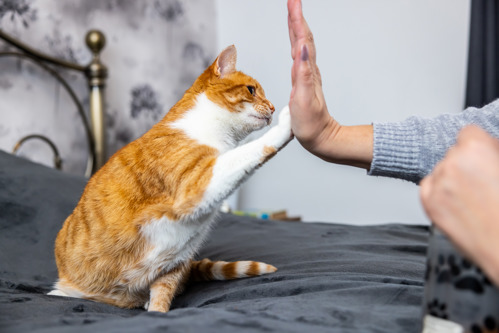
Start with simple tricks like sit, shake, or spin. Use small treats as rewards. Keep sessions short to hold your cat’s attention. Repeat commands clearly and patiently. Praise your cat warmly after each success. Gradually introduce new tricks to challenge their mind.
Leash Training
Choose a comfortable harness designed for cats. Let your cat wear it indoors first. Attach the leash and let them walk freely. Use treats to encourage movement and exploration. Practice in quiet, safe outdoor spaces only. Always watch for signs of stress or fear.
Using Puzzle Feeders
Puzzle feeders make mealtime more engaging. They stimulate your cat’s problem-solving skills. Start with easy puzzles to avoid frustration. Show your cat how to get the food inside. Increase the difficulty as your cat improves. These feeders slow eating and reduce boredom.

Credit: www.happypet.care
Frequently Asked Questions
How Do I Start Training My Cat Effectively?
Begin with short, consistent sessions using positive reinforcement. Use treats and praise to encourage good behavior. Patience and repetition are key to success. Avoid punishment, as it can harm trust and hinder learning.
What Are The Best Rewards For Cat Training?
Small, tasty treats work best as rewards. Use soft, smelly treats your cat loves. Praise and petting also motivate cats. Rewards should be immediate to reinforce good behavior effectively.
How Long Does Cat Training Usually Take?
Training duration varies by cat and task. Basic commands may take a few weeks. Consistency and daily practice speed up progress. Remember, some cats learn faster than others.
Can I Train My Cat To Use A Litter Box?
Yes, litter box training is simple with consistency. Place the box in a quiet spot. Keep it clean and use the same litter type. Reward your cat when it uses the box properly.
Conclusion
Training your cat takes patience and kindness. Small steps bring big results over time. Use treats and praise to encourage good habits. Keep sessions short and fun to hold attention. Remember, every cat learns at its own pace. Stay calm and consistent through the process.
Enjoy building trust and friendship with your pet. Training helps your cat feel safe and happy. Try these tips regularly for better behavior. Your efforts will make life easier for both.
