


If you’ve ever wondered how to get your cat to use the litter box without any mess or stress, you’re in the right place. Litter training cats may sound tricky, but with the right tips and a little patience, you can make it easy for both you and your furry friend.
Imagine a home where your cat knows exactly where to go – no surprises, no cleaning nightmares. Keep reading, and you’ll discover simple, proven steps that will help you achieve just that. Your cat will thank you, and so will your floors!
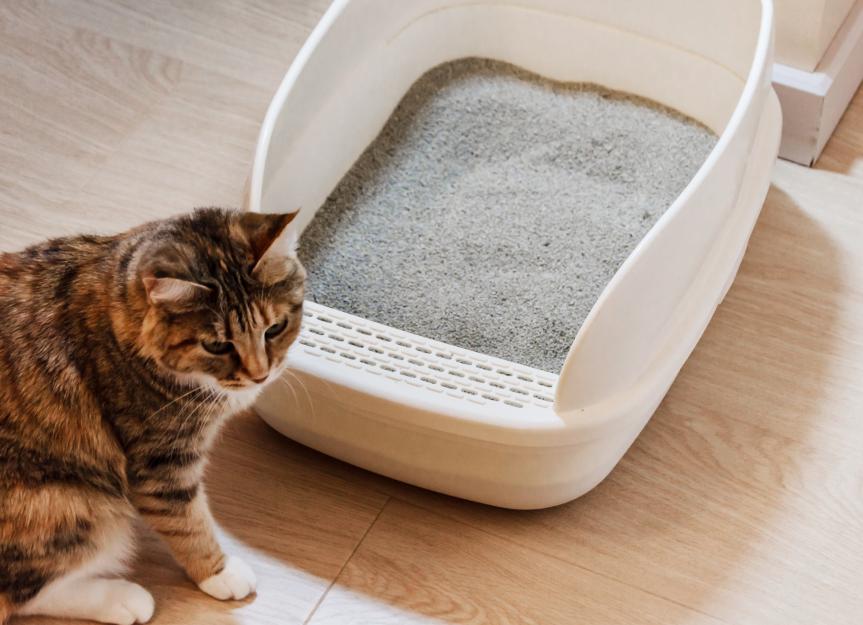
Credit: www.petmd.com
Choosing The Right Litter Box
Choosing the right litter box sets the foundation for successful litter training. Your cat’s comfort and ease of access directly affect their willingness to use the box consistently. Taking time to pick the right size, type, and location can save you stress and keep your home cleaner.
Size And Type Options
Think about your cat’s size and habits before selecting a litter box. A box that is too small may discourage use, especially for larger or active cats. Ideally, the box should be at least 1.5 times the length of your cat from nose to tail.
There are several types to consider:
- Open litter boxes:Easy to clean and allow good airflow, but may cause more litter scatter.
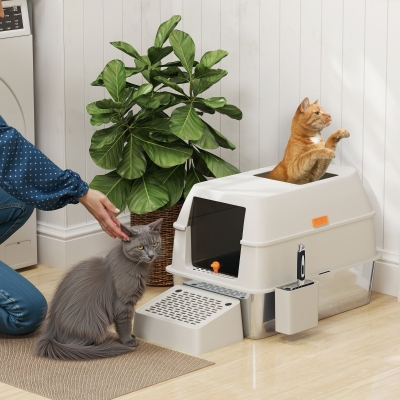
- Covered litter boxes:Offer privacy and reduce odor but some cats dislike the enclosed space.
- Self-cleaning boxes:Save time but can be noisy or intimidating for shy cats.
Remember, your cat’s preference matters more than style. Watch how your cat reacts to different types and adjust accordingly.
Placement Tips
Location plays a huge role in your cat’s litter box habits. Choose a quiet, low-traffic area where your cat can have privacy without feeling trapped. Avoid placing the box near their food or water bowls, as cats naturally separate these spaces.
Consider your cat’s routine—where do they spend most of their time? Placing the box nearby can encourage regular use. Also, ensure the spot is easy for you to access for cleaning.
Have you noticed your cat avoiding a certain spot? That might be a sign to move the box. Experiment with different locations and observe your cat’s behavior to find the perfect fit.
Credit: www.aosom.ca
Selecting Suitable Litter
Choosing the right litter is key for successful cat litter training. Cats can be picky. The litter must feel comfortable and suit their habits. The right litter helps keep the area clean and odor-free. It also encourages cats to use the litter box consistently. Understanding the types and scents can guide the best choice for your cat’s needs.
Material Varieties
Litter comes in several materials. Each has different textures and absorbency. Clay litter is common and clumps well. It is easy to scoop and control odors. Silica gel litter absorbs moisture and controls smell. It lasts longer between changes. Natural litters use corn, wheat, or wood. These are biodegradable and eco-friendly. They offer a softer texture, which some cats prefer.
- Clay: Clumps tightly, good odor control.
- Silica Gel: Absorbs moisture, low dust.
- Natural: Biodegradable, gentle on paws.
Scented Vs Unscented
Some litters add fragrance to mask odors. Scented options smell fresh but may irritate sensitive cats. Unscented litter is often preferred by cats with allergies. It allows natural smells and avoids strong chemicals. Choosing unscented litter can reduce litter box avoidance. Observe your cat’s reaction to find the best option. Comfort and acceptance are more important than masking odors.
Introducing Your Cat To The Litter Box
Introducing your cat to the litter box is a crucial step in ensuring they develop good bathroom habits. It sets the foundation for a clean home and a happy pet. Your approach during this stage can make all the difference in how quickly and confidently your cat adapts.
Initial Exposure
Start by placing the litter box in a quiet, easily accessible spot. Avoid areas with heavy foot traffic or loud noises that might scare your cat away. Let your cat explore the box at their own pace without forcing them inside.
Show your cat the litter box by gently placing them in it after meals or naps. Cats often need to go shortly after these times, so this helps create a natural connection. Watch their reaction carefully—are they curious, hesitant, or avoiding it altogether?
Keep the litter clean and use a type that feels comfortable under their paws. Unscented, clumping litter often works well for beginners. Would your cat prefer a covered box or an open one? Observing their preferences early saves frustration later.
Positive Reinforcement
Reward your cat immediately after they use the litter box correctly. Use treats, gentle praise, or petting to reinforce the behavior. Cats respond well to positive experiences linked to new habits.
If your cat hesitates, try guiding them back to the box instead of scolding. Negative reactions can create fear or confusion. Have you noticed that calm encouragement often works better than punishment?
Consistency is key. Keep the litter box in the same place and maintain a regular cleaning schedule. This builds trust and helps your cat understand that this is their designated spot. What small rewards can you add to make the litter box more inviting?

Credit: www.purina.com
Establishing A Routine
Establishing a routine is key to helping your cat master litter training smoothly. Cats thrive on consistency, and setting up a predictable schedule helps them understand when and where to go. This not only makes training easier but also reduces accidents around your home.
Feeding And Litter Schedule
Your cat’s eating times can directly influence their bathroom habits. Try feeding your cat at the same times every day to create a natural rhythm.
After meals, cats usually need to use the litter box within 15 to 30 minutes. Pay attention to this window and gently guide your cat to the litter box during this time.
Does your cat tend to wait or rush after eating? Adjust your schedule slightly if you notice a pattern, and stay consistent. This helps your cat associate eating with using the litter box.
Cleaning Frequency
Keeping the litter box clean is crucial for encouraging your cat to use it regularly. Scoop the box at least once a day to remove waste and keep odors at bay.
Deep clean the litter box with mild soap and water once a week to maintain hygiene. Avoid strong-smelling cleaners that might repel your cat.
If your cat refuses to use the box, check if it’s too dirty or if the litter type has changed. Cats are particular about cleanliness and texture, so this small detail can make all the difference.
Addressing Common Problems
Addressing common problems during litter training helps create a smooth experience for you and your cat. Understanding the reasons behind issues can prevent frustration. It also ensures a clean home and a happy pet. Focus on simple fixes to guide your cat gently back on track.
Avoiding Accidents
Accidents happen but can be reduced. Keep the litter box clean and scoop it daily. Cats dislike dirty boxes and may avoid them. Place the box in a quiet, easy-to-access spot. Avoid loud noises or busy areas near the box.
Use the right type of litter. Some cats prefer fine, unscented litter. Observe your cat’s preference and stick to it. Provide enough litter boxes—one per cat, plus one extra. This prevents competition and stress.
Managing Fear Or Anxiety
Fear or anxiety can cause litter box problems. New environments, loud noises, or changes in routine may upset cats. Create a calm space for your cat near the litter box. Avoid sudden moves of the box location.
Use gentle praise when your cat uses the box correctly. Avoid punishment for accidents—it worsens fear. Consider calming sprays or diffusers designed for cats. They can reduce stress and improve litter habits.
Training Kittens Vs Adult Cats
Training kittens and adult cats to use the litter box requires different strategies. Kittens are new to the world and need more guidance. Adult cats may have habits or fears to overcome. Understanding these differences helps make training smoother and faster for both.
Differences In Approach
Kittens learn quickly by exploring and watching. They often use the litter box instinctively but need gentle reminders. Use shallow litter boxes and soft litter to encourage use.
Adult cats may resist change. They might have past bad experiences or health issues. Use familiar litter and a quiet location. Watch for signs of stress or discomfort.
Patience And Persistence
Kittens often adapt in a few days with calm, consistent care. Praise and small treats work well. Avoid punishment to keep trust strong.
Adult cats need more time and gentle encouragement. Consistent cleaning and routine help build confidence. Be ready for accidents and stay calm. Patience is key to success.
Using Training Aids
Using training aids can simplify the process of litter training cats. These tools help guide your cat’s behavior gently. They make learning faster and less stressful for both you and your pet. Training aids can be physical products or behavioral techniques. Both types support building good litter habits.
Attractants And Deterrents
Attractants are scents or substances that encourage cats to use the litter box. They make the box more inviting and familiar. Some litter brands include natural attractants to draw cats in. You can also add special sprays or powders to the box.
Deterrents work the opposite way. They keep cats away from unwanted areas. Common deterrents include citrus sprays, double-sided tape, or aluminum foil. These discourage cats from urinating or scratching outside the box.
- Use attractants inside the litter box only.
- Apply deterrents to spots where accidents happen.
- Change or refresh these aids regularly for best results.
Behavioral Tools
Behavioral tools focus on training through positive reinforcement and routines. Reward your cat with treats or praise after using the litter box. Consistency helps your cat understand what is expected.
Place the litter box in a quiet, easy-to-find spot. Keep the box clean to encourage regular use. Observe your cat’s habits to adjust training methods as needed.
- Use clicker training to mark good litter box behavior.
- Set a feeding schedule to regulate bathroom times.
- Be patient and calm during training sessions.
When To Seek Veterinary Advice
Knowing when to seek veterinary advice during litter training can save you and your cat a lot of frustration. Sometimes, problems with litter use are not behavioral but health-related. Paying attention to changes in your cat’s habits and wellbeing can help you decide when it’s time to get professional help.
Health Issues Impacting Training
Health problems often cause litter training setbacks. Urinary tract infections, kidney issues, and diabetes can make your cat avoid the litter box. If your cat suddenly stops using the litter box or shows signs of pain while urinating, these are red flags.
Watch for symptoms like:
- Frequent trips outside the litter box
- Straining or vocalizing during urination
- Blood in the urine or foul odor
- Sudden aggression or hiding
Ignoring these signs can worsen your cat’s condition and training troubles. Have you noticed any of these signs with your cat? If yes, contact your vet immediately to rule out medical causes.
Professional Support Options
If health issues are ruled out, you may need expert advice on behavioral aspects. Veterinarians can recommend certified animal behaviorists or professional trainers who specialize in cats.
These professionals offer:
- Customized litter training plans
- Stress reduction techniques
- Environmental enrichment ideas
- Guidance on managing multi-cat households
Sometimes, simple changes like switching litter types or adjusting box placement can make a huge difference. Don’t hesitate to ask your vet for referrals. Getting the right support can turn litter training challenges into success stories.
Frequently Asked Questions
How Long Does Litter Training A Cat Usually Take?
Litter training typically takes one to two weeks. Consistency and patience speed up the process. Each cat learns at its own pace.
What Type Of Litter Is Best For Training Cats?
Unscented, clumping litter is best for training. It’s easy to clean and reduces odors. Avoid strong fragrances that may deter cats.
How Often Should I Clean The Litter Box During Training?
Clean the litter box daily to encourage use. Cats prefer a clean, odor-free area. Regular cleaning prevents accidents outside the box.
Can Kittens Learn Litter Training Faster Than Adult Cats?
Yes, kittens generally learn faster due to their adaptability. Adult cats can be trained but may need extra patience and consistency.
Conclusion
Litter training your cat takes time and patience. Keep the litter box clean and in a quiet place. Reward your cat for using the box correctly. Watch for signs if your cat avoids it. Consistency helps build good habits fast.
Every cat learns at its own pace. Stay calm and positive throughout the process. Soon, your cat will use the litter box well. A clean home and happy pet go hand in hand. You can enjoy a fresh, odor-free space again.
