

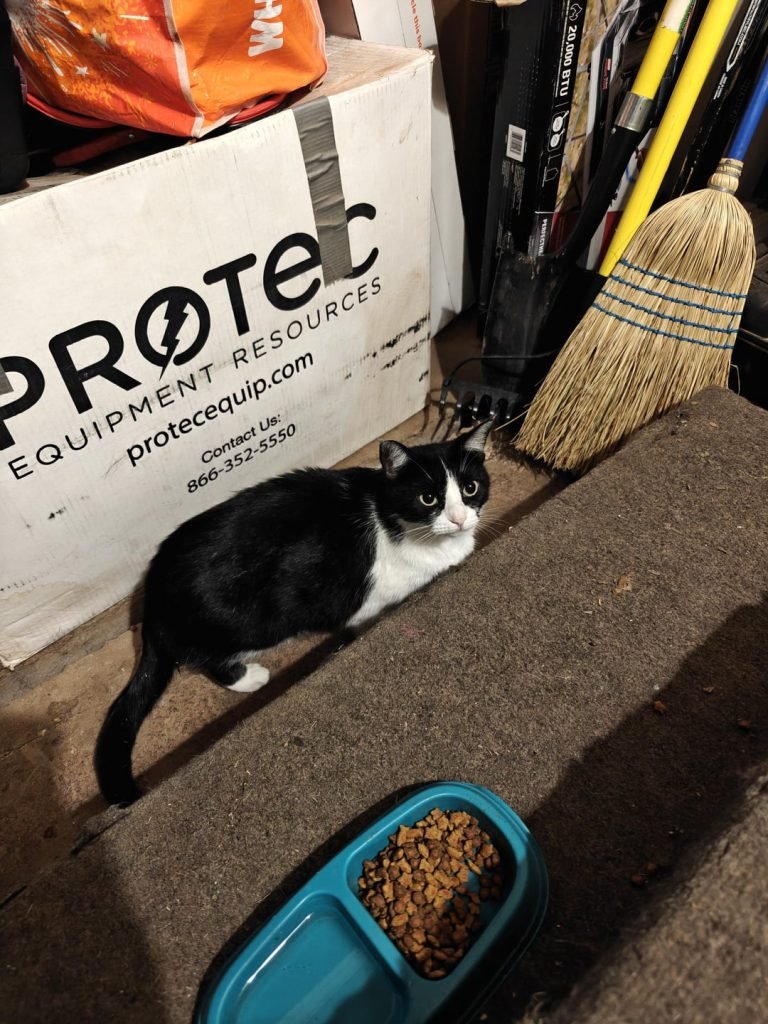
Bringing a stray cat into your home is a kind and rewarding choice, but teaching it to use a litter box can be challenging. You might feel overwhelmed, wondering how to help your new furry friend adjust quickly and smoothly.
The good news is, with a few simple steps, you can make litter training easier for both you and your cat. In this guide, you’ll discover practical tips that work, so your stray cat feels comfortable and your home stays clean.
Ready to make your life—and your cat’s life—better? Let’s get started.
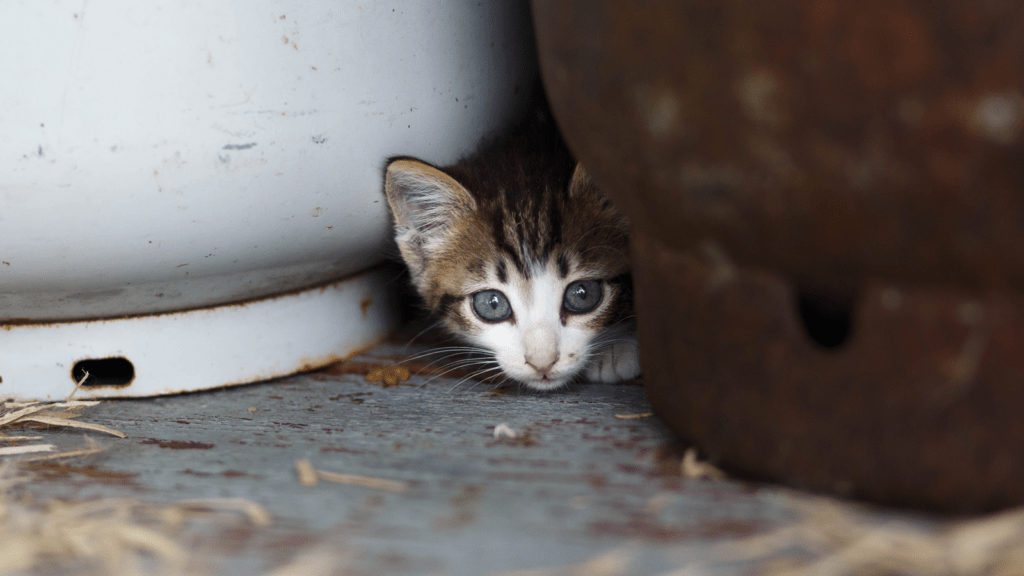
Credit: trapandreturn.com
Choosing The Right Litter Box
Choosing the right litter box plays a crucial role in successfully litter training a stray cat. It’s not just about picking any box; it’s about understanding your cat’s needs and comfort. A well-chosen litter box encourages your new feline friend to use it consistently, reducing accidents and stress for both of you.
Size And Accessibility
The size of the litter box matters more than you might think. Your cat needs enough room to turn around comfortably without feeling cramped. If the box is too small, your cat may avoid using it altogether.
Accessibility is especially important for strays who might be timid or have mobility issues. A low-entry box can help older or injured cats enter and exit easily. Think about your cat’s size and physical condition when selecting the box.
Types Of Litter Boxes
There are various litter box styles you can choose from, each with its pros and cons. Open litter boxes are the most common and provide easy access, but they don’t control odors well.
Covered boxes offer privacy and help contain smells, but some cats dislike the enclosed space. You might even consider a self-cleaning box if you want to reduce daily maintenance, but make sure your cat is comfortable with the noise and mechanism.
- Open boxes: Good for shy cats who want a clear escape route.
- Covered boxes: Help with odor control but can feel confining.
- Self-cleaning boxes: Convenient but might intimidate some cats.
Placement Tips
Where you put the litter box is as important as the box itself. Avoid busy or noisy areas that might scare your stray cat away from using it. A quiet, low-traffic spot encourages your cat to use the box without fear.
Ensure the box isn’t near your cat’s food and water; most cats dislike eliminating close to where they eat. Also, think about easy access—your cat should reach the box without obstacles or having to travel far.
Have you noticed where your stray naturally tries to go? Placing the box there can make the transition smoother and reduce accidents.
Selecting Suitable Cat Litter
Selecting the right cat litter is crucial when litter training a stray cat. The type of litter you choose can influence how quickly your cat adapts to using the box. Your goal is to find litter that feels comfortable and natural to your new feline friend, encouraging consistent use.
Clumping Vs Non-clumping
Clumping litter forms solid clumps when wet, making it easier to scoop and keep the box clean. This can help you maintain a fresh environment, which is important for a stray cat adjusting to indoor life.
Non-clumping litter absorbs moisture but doesn’t form clumps, so it requires full litter changes more often. Some cats prefer this texture because it feels less dense under their paws.
Think about what might suit your stray’s habits and sensitivities. Have you noticed if they prefer soft or coarse surfaces? That preference can guide your choice between clumping and non-clumping options.
Scented Or Unscented
Scented litters contain added fragrances to mask odors, but these can sometimes overwhelm or irritate a cat’s sensitive nose. Stray cats, in particular, might be wary of strong smells and avoid the litter box altogether.
Unscented litter is usually safer and more neutral, reducing the chance that your cat will reject the box due to overpowering scents.
Consider how your stray reacts to smells in general. Could a scented litter push them away or help mask other household odors? Testing a small amount first can be a smart move.
Material Options
Cat litter comes in many materials, including clay, silica gel, recycled paper, wood pellets, and corn-based options. Each has its own texture, absorbency, and dust level.
- Clay:Popular and affordable but can be dusty and heavy.
- Silica gel:Controls odor well and is low dust but can be pricier.
- Recycled paper:Soft and dust-free, good for sensitive cats.
- Wood pellets:Natural and biodegradable with a fresh scent.
- Corn-based:Biodegradable and clumping but may attract pests.
Think about your stray’s comfort and any health concerns like allergies. What material feels most natural to them? Sometimes, trying a few types side by side reveals what your cat prefers and what works best for you.
Preparing The Stray Cat
Preparing a stray cat for litter training takes patience and care. The cat needs to feel safe and comfortable first. This phase helps the cat adjust to new surroundings and people. It also sets a strong foundation for successful litter training.
Building Trust
Start by spending quiet time near the cat. Avoid sudden movements or loud sounds. Speak softly and offer food by hand. Let the cat come closer at its own pace. Trust grows slowly through gentle, calm actions. Consistent kindness helps the cat feel safe.
Health Checkup
Take the cat to a vet for a full checkup. Check for parasites, infections, or injuries. Vaccinations and flea control are important. A healthy cat learns faster and feels better. Ask the vet about diet and care tips. A clean bill of health makes training easier.
Creating A Safe Space
Set up a quiet, warm area for the cat. Use a small room or cozy corner. Provide a soft bed, food, water, and a litter box. Limit the cat’s space to reduce stress. Keep the area clean and calm. This safe spot helps the cat relax and adapt.

Credit: bowwowinsurance.com.au
Introducing The Litter Box
Introducing the litter box to a stray cat needs patience and care. The cat may not understand what the box is for. Help the cat learn by making the box easy to find and safe to use. The goal is to make the litter box a familiar and comfortable spot for the cat.
Initial Placement
Place the litter box in a quiet, low-traffic area. Avoid noisy or busy rooms. The box should be easy to access but offer privacy. Keep it away from the cat’s food and water. Use a shallow box if the cat is small or new to litter training. This helps the cat step in and out easily.
Encouraging Exploration
Let the cat explore the litter box on its own time. Gently place the cat inside the box a few times. Do not force or scold the cat. Use soft, calm voices to soothe the cat. You can also put some used litter in the box. The familiar smell helps the cat recognize the box’s purpose.
Handling Accidents
Accidents happen. Clean any mess immediately with an enzyme cleaner. Avoid ammonia-based cleaners; they may attract the cat to the same spot. Do not punish the cat. This creates fear and confusion. Instead, gently guide the cat back to the litter box. Praise the cat when it uses the box correctly.
Establishing A Routine
Creating a consistent routine is key to helping a stray cat adjust to litter training. Strays are often confused and stressed by new environments, so setting predictable patterns helps them feel secure and understand what you expect. A steady routine reduces accidents and builds trust between you and your cat.
Feeding Schedule
Stick to regular feeding times each day. Cats usually need to use the litter box soon after eating, so predictable meal times help you anticipate when your cat needs to go. Try feeding your cat at the same times every morning and evening to create a natural rhythm.
Imagine feeding your cat at 7 AM and 6 PM daily. After meals, gently place them near the litter box to encourage usage. This simple habit can reduce confusion and accidents.
Monitoring Behavior
Watch your cat closely for signs they need to use the litter box. Scratching at the floor, sniffing around, or sudden restlessness often signal their need. Catching these early lets you guide them to the right spot before accidents happen.
Keep a notebook or use your phone to track these behaviors and times. Are there patterns? Adjust your routine based on what you observe. Your attention teaches your cat that you understand their needs and are there to help.
Positive Reinforcement
Reward your cat immediately after they use the litter box correctly. Use gentle praise, petting, or a small treat to show approval. This encourages them to repeat the behavior.
Avoid punishment, as it can increase stress and set back progress. Instead, focus on celebrating small wins. Have you noticed how your cat responds to praise? Using positive reinforcement builds confidence and strengthens your bond.
Troubleshooting Common Issues
Troubleshooting common issues is key to successful litter training of a stray cat. Challenges often arise from fear, confusion, or past habits. Addressing these problems quickly helps the cat feel safe and encourages good litter box use.
Understanding why a cat avoids the litter box or marks territory helps you find the right solution. Regular cleaning and maintenance keep the area inviting and reduce odors. This section guides you through these common issues with clear, simple advice.
Avoiding Litter Box Aversion
Some cats refuse the litter box because they dislike the type of litter or box. Noise, location, or cleanliness may also cause aversion. To prevent this:
- Choose unscented, soft litter that mimics natural surfaces.
- Place the box in a quiet, low-traffic area.
- Keep the box clean by scooping daily.
- Use an open box to avoid trapped smells and stress.
Observe your cat’s behavior. If it avoids the box, try changing one factor at a time.
Managing Marking Behavior
Marking is common in stray cats adjusting to a new home. It is a way to claim territory and reduce stress. Prevent marking by:
- Spaying or neutering your cat to reduce hormone-driven marking.
- Providing multiple litter boxes in different locations.
- Cleaning marked areas with enzyme cleaners to remove scent.
- Offering toys and playtime to reduce anxiety and stress.
Consistency and patience are important to change marking habits.
Cleaning And Maintenance
Clean litter boxes invite cats to use them regularly. Dirty boxes cause avoidance and accidents. Follow these tips:
- Scoop waste at least once a day.
- Change all litter weekly or as needed.
- Wash the box with mild soap and water during litter changes.
- Use litter liners cautiously; some cats dislike them.
- Keep the area around the box tidy and dry.
Proper care makes the litter box a comfortable place for your cat.
When To Seek Professional Help
Training a stray cat to use a litter box takes time and patience. Sometimes, despite your best efforts, the cat may struggle to adjust. Knowing when to seek professional help can save stress for both you and your feline friend. Professionals can identify underlying issues that you might miss.
Behavioral Problems
Some cats refuse the litter box due to stress or fear. Changes in the environment can trigger this behavior. A professional animal behaviorist can help address these problems. They offer strategies tailored to your cat’s needs. Persistent marking or avoidance often signals deeper issues. Experts can guide you to rebuild trust and comfort.
Health Concerns
Health problems often cause litter box problems. Urinary tract infections, kidney issues, or digestive troubles make cats avoid the box. A veterinarian can diagnose these conditions with tests. Early treatment prevents pain and worsening symptoms. Regular check-ups are vital for stray cats adapting to new homes. Health problems must be ruled out before training continues.
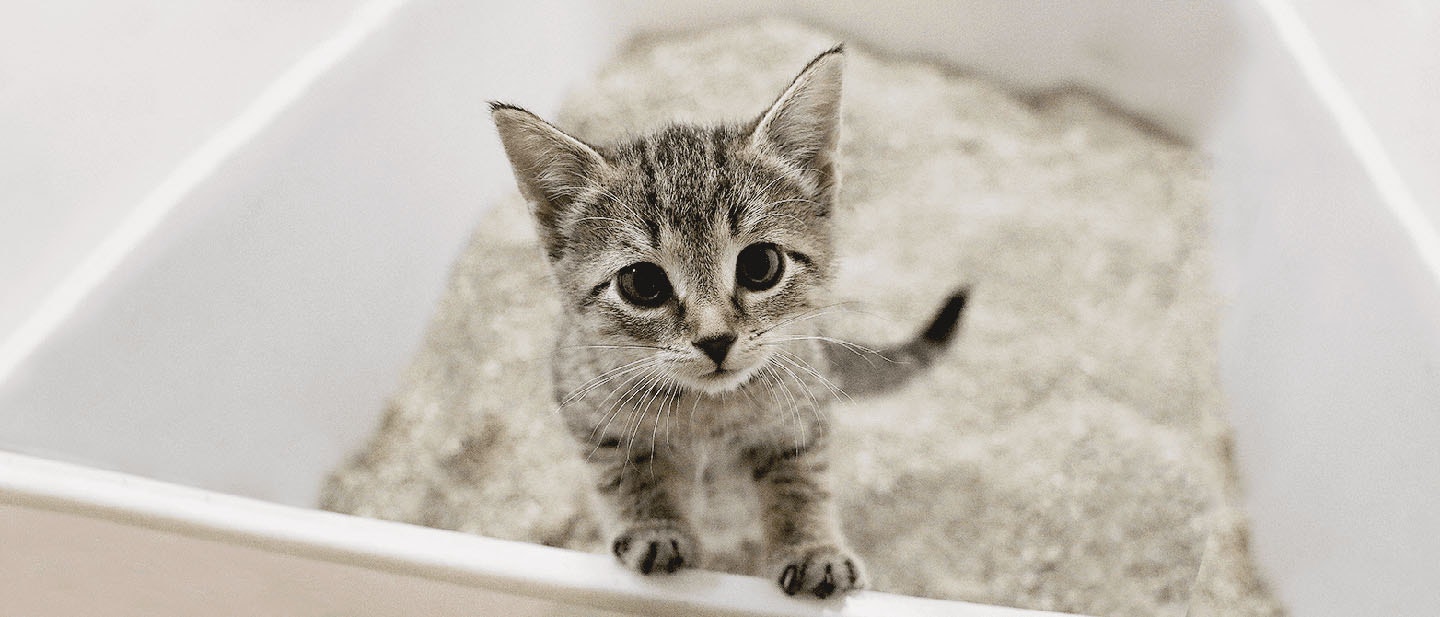
Credit: www.whiskas.com.ph
Frequently Asked Questions
How Do I Start Litter Training A Stray Cat?
Begin by placing the cat in a quiet room with a litter box. Use unscented, clumping litter. Show the cat the box and gently place them inside after meals and naps to encourage use.
What Type Of Litter Is Best For Stray Cats?
Unscented, clumping litter is ideal. It mimics natural textures and absorbs odors well. Avoid strong fragrances as they can repel sensitive cats and hinder training progress.
How Long Does Litter Training A Stray Cat Take?
It usually takes one to two weeks. Consistency and patience are key. Some cats may learn faster, while shy or fearful strays might need more time.
How Do I Prevent A Stray Cat From Eliminating Outside The Box?
Clean the litter box daily and place it in a quiet, accessible spot. Avoid sudden changes in box location or litter type. Reward positive behavior to encourage consistent use.
Conclusion
Training a stray cat to use a litter box takes time and patience. Stay calm and keep the box clean. Give the cat a quiet, safe place to feel comfortable. Praise small successes to encourage good habits. Watch the cat’s behavior and adjust as needed.
Soon, the cat will learn where to go. Remember, kindness helps build trust and good habits. With care, your stray cat can become a happy, well-trained pet. Keep trying and enjoy the journey together.
