

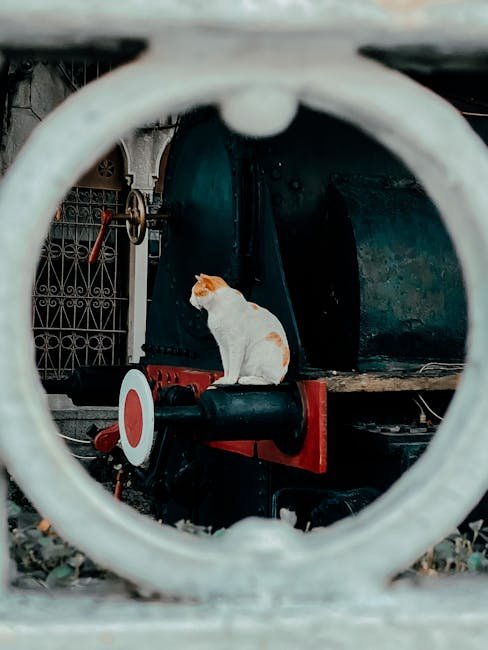
Have you ever wondered how to train your cat to follow simple commands or use the litter box without stress? Training a cat might seem tricky, but with the right approach, you can build a stronger bond and enjoy a happier home.
This guide will show you easy and effective ways to teach your cat good habits, so you can both enjoy a more peaceful life together. Ready to unlock your cat’s potential? Let’s dive in!
Why Train Your Cat
Training your cat helps build trust and good behavior. It makes daily life easier and strengthens your bond. Cats learn simple commands and become more confident.
Training your cat might sound like a whimsical idea, but it can bring a host of benefits to both you and your feline friend. While cats are often seen as independent creatures, they are also intelligent and capable of learning. Training can enhance your bond and improve your cat’s behavior, making life smoother for everyone involved. Have you ever thought about how a little training might transform your daily interactions with your cat?Benefits For You And Your Cat
Training your cat can significantly improve your relationship. It creates a deeper understanding between you and your pet, enhancing communication. Imagine the satisfaction of teaching your cat a new trick or command and watching them respond confidently. For your cat, training provides mental stimulation and physical exercise. It can prevent boredom and destructive behaviors that often arise from excess energy. A trained cat is typically a happier cat, leading to a more harmonious home environment.Common Behavior Issues
Cats, like any other pets, can sometimes develop unwanted behaviors. These might include scratching furniture, biting, or refusing to use the litter box. Have you ever struggled with any of these issues? Training can address these problems effectively. By understanding why your cat behaves a certain way, you can tailor training methods to correct these behaviors. Consistency is key, and with patience, many common issues can be minimized or eliminated.Tools For Training
Training a cat needs the right tools. These tools help guide your pet and make learning fun. Using simple supplies can improve your cat’s focus and cooperation. Proper tools also build trust and reduce stress during training sessions.
Essential Supplies
Basic supplies help create a good training environment. A quiet space without distractions works best. Use a comfortable mat or small area for your cat to sit. Have a clicker or soft bell to mark good behavior. Keep a small towel handy for cleaning paws or fur.
- Clicker for marking commands
- Quiet, distraction-free area
- Comfortable mat or soft surface
- Small towel for quick cleanups
- Notebook to track progress
Using Treats And Toys
Treats motivate cats to follow commands. Choose small, tasty treats your cat loves. Use them sparingly to avoid overfeeding. Toys keep training lively and fun. Use feather wands, laser pointers, or small balls. Switch toys to hold your cat’s interest. Treats and toys reward good behavior instantly.
Basic Commands To Teach
Teaching your cat basic commands can transform your daily interactions and deepen your bond. Cats are often seen as independent creatures, but with patience and consistency, they can learn to respond to commands just like dogs. Starting with simple commands lays a foundation for more advanced training and helps keep your cat safe and well-behaved.
Sit And Stay
Training your cat to sit and stay is a great way to establish control and improve focus. Begin by holding a treat close to their nose, then slowly move it upward. Your cat will naturally sit as they follow the treat with their eyes.
Once your cat sits, say the word “sit”clearly and reward them immediately with the treat. Repeating this several times a day helps them associate the command with the action and the reward. Next, introduce the “stay”command by asking your cat to sit, then take a step back and hold your hand up like a stop signal.
If your cat remains in place, give them a treat and praise. Start with short durations and gradually increase the time they stay. This teaches patience and control, which can be very useful when you need your cat to wait calmly.
Come When Called
Getting your cat to come when called can be lifesaving, especially if they slip outside or get into a dangerous spot. Pick a specific word or sound, like their name or a whistle, and use it consistently to grab their attention.
Call your cat in a happy, inviting tone and reward them immediately when they approach you. Use treats or their favorite toy as motivation. The key is to make coming to you a positive and rewarding experience.
Practice in different rooms and gradually add distractions to strengthen their response. Have you noticed how your cat reacts when you call them? If they hesitate, try making the experience more fun and rewarding.
Potty Training Tips
Potty training your cat can feel challenging, but with the right approach, you can make the process smooth and stress-free for both you and your feline friend. Understanding your cat’s preferences and habits plays a key role in success. Let’s dive into practical tips that help set your cat up for good litter box behavior.
Choosing The Right Litter Box
Not all litter boxes are created equal. Some cats prefer open boxes where they can see their surroundings, while others feel safer in covered ones that offer privacy. Think about your cat’s personality when selecting a box.
Size matters too. A litter box should be big enough for your cat to turn around comfortably. If your cat is a kitten or older, consider a box with lower sides for easy access.
Placement is just as important as the box itself. Avoid noisy or busy areas, and keep the box in a quiet, easily accessible spot. Have you noticed your cat avoiding the box? The location might be the reason.
Encouraging Good Habits
Positive reinforcement works wonders. Praise your cat with gentle petting or a favorite treat right after they use the litter box correctly. This creates a clear connection between the behavior and the reward.
Keep the litter box clean. Cats are very particular about hygiene, so scoop daily and wash the box regularly. A dirty box can lead to accidents outside the box.
Observe your cat’s signals. If your cat starts sniffing or scratching around the house, guide them gently to the litter box. Patience here is key; rushing can confuse your pet.
Have you tried using the same type of litter your cat prefers? Some cats dislike certain textures or scents. Experiment with unscented, clumping litters to find what your cat likes best.
Correcting Bad Behavior
Correcting bad behavior in cats requires patience and clear communication. Training helps your cat understand limits and what is acceptable. Consistency is key to changing unwanted habits. Positive reinforcement encourages good behavior and builds trust between you and your cat.
Stopping Scratching
Scratching is natural, but it can damage furniture. Provide scratching posts near your cat’s favorite spots. Use soft fabric or carpet on posts to attract scratching. Reward your cat with treats and praise when it uses the post.
Discourage scratching on furniture by gently moving your cat to the post. Cover furniture with double-sided tape or plastic to make it less appealing. Trim your cat’s nails regularly to reduce damage. Patience and gentle correction work best.
Managing Aggression
Aggression can come from fear, pain, or stress. Watch your cat’s body language to spot early signs. Stay calm and avoid sudden moves that may scare your cat. Create a safe space where your cat can relax and feel secure.
Use toys to redirect aggressive behavior. Play sessions help release energy and reduce stress. Never punish your cat physically. Instead, use soft voices and gentle touch to calm them. Consistent routines help your cat feel safe and less aggressive.
Training Schedule And Consistency
Training a cat requires a well-planned schedule and steady consistency. Cats learn best with frequent, short training sessions. Regular practice builds good habits and strengthens your bond.
Consistency helps your cat understand what to expect. It reduces confusion and speeds up learning. A clear routine makes training easier for both you and your cat.
Short Sessions For Best Results
Keep training sessions brief, about 5 to 10 minutes each. Cats have short attention spans and can lose interest quickly. Short sessions prevent frustration and keep your cat engaged.
Frequent short sessions work better than long, tiring ones. Use treats and praise during these moments to motivate your cat. End sessions on a positive note to encourage return.
Keeping A Routine
Train at the same time every day to build a habit. A fixed routine helps your cat anticipate training and prepares their mind. This consistency improves focus and progress.
Choose quiet times when your cat is calm and alert. Avoid training after meals or when your cat is sleepy. Stick to your schedule even on busy days.
Use a simple daily checklist to track training goals. This helps maintain steady improvement and keeps you organized. Celebrate small wins to keep motivation high.
Using Positive Reinforcement
Using positive reinforcement in cat training creates a friendly and trusting bond. It helps cats learn faster and enjoy the process. Cats respond well to kindness and rewards. This method focuses on encouraging good habits instead of punishing bad ones.
Rewarding Good Behavior
Rewarding good behavior motivates cats to repeat it. Treats, praise, and petting work as rewards. Use small, tasty treats that your cat likes. Praise with a soft voice to show approval.
- Give treats immediately after good actions.
- Use a clicker or a word like “yes” as a marker.
- Be consistent with rewards to build habits.
- Gradually reduce treats as behavior improves.
This approach helps cats understand which behaviors please you. It builds a positive learning experience.
Avoiding Punishment
Avoiding punishment keeps training stress-free. Cats do not learn well with fear or pain. Punishing can cause anxiety and damage trust. Instead, redirect bad behavior to a better option.
- Ignore unwanted actions rather than scold.
- Use toys or distractions to change focus.
- Remove temptations that trigger bad habits.
- Be patient and calm during training sessions.
Positive reinforcement creates a safe space for your cat. It encourages cooperation and lasting good behavior.
Advanced Tricks And Games
Training your cat beyond basic commands opens up a world of fun and mental stimulation. Advanced tricks and games not only challenge your cat’s intelligence but also deepen the bond you share. You might be surprised at how quickly your feline friend picks up new skills once you introduce engaging activities tailored just for them.
Teaching Tricks Like Fetch
Teaching your cat to fetch can be both rewarding and entertaining. Start with a lightweight toy that your cat already likes to bat around. Toss it a short distance and encourage your cat to bring it back by calling their name or using a clicker.
Be patient—some cats take longer to understand the concept. Use lots of praise and small treats when your cat picks up the toy or moves toward you with it. You can gradually increase the distance as your cat gets better at fetching.
Have you noticed how some cats naturally enjoy carrying objects? Use that instinct to your advantage during training. This trick not only provides physical exercise but also sharpens your cat’s memory and responsiveness.
Interactive Play Ideas
Interactive play keeps your cat mentally sharp and physically active. Toys like laser pointers, feather wands, or puzzle feeders can turn ordinary playtime into a stimulating challenge. Rotate the toys regularly to maintain your cat’s interest.
- Set up obstacle courses using household items to encourage agility.
- Hide treats in puzzle feeders to make your cat work for snacks.
- Use timed games to engage your cat’s hunting instincts.
Have you tried mimicking prey movements during play? This simple action can trigger your cat’s natural hunting behavior, making games more exciting. Remember, your involvement is key—interactive play strengthens your relationship and keeps your cat happy.
When To Seek Professional Help
Training your cat can be rewarding, but sometimes you might hit a wall where your efforts don’t seem to work. Knowing when to ask for professional help can save you frustration and improve your cat’s behavior faster. Let’s look at how to recognize these moments and choose the right expert to guide you.
Recognizing Training Challenges
Ask yourself: Is your cat showing signs of stress or aggression during training? Are certain behaviors, like scratching furniture or not using the litter box, persisting despite consistent efforts? These can be signals that your training approach needs expert input.
Sometimes, despite your patience, your cat may not respond as expected. This doesn’t mean you’ve failed—it means the problem might be more complex. A professional can identify hidden issues such as health problems or anxiety that you might miss.
Think about how often you’ve repeated the same training steps without progress. If you’re stuck in a loop, it’s time to get advice. Wouldn’t you want to ensure your cat feels comfortable and happy rather than stressed?
Choosing A Trainer
Not all trainers are the same. Look for someone who specializes in cats, not just dogs. Their experience with feline behavior will make a big difference in understanding your cat’s unique needs.
Check for certifications and read reviews from other cat owners. A good trainer will offer clear communication and tailor their methods to your cat’s personality. Avoid trainers who rely solely on punishment; positive reinforcement leads to better results.
Consider your own comfort level with the trainer’s style. You will work closely with them, so trust and respect are crucial. Ask yourself: Does this trainer listen to my concerns and answer my questions clearly?
Frequently Asked Questions
What Is The Best Way To Train A Cat?
Training a cat requires patience, consistency, and positive reinforcement. Use treats and praise to encourage good behavior. Avoid punishment, as cats respond better to rewards. Short, frequent training sessions work best to keep your cat engaged and motivated.
Can Cats Learn Tricks Like Dogs?
Yes, cats can learn tricks such as sit, stay, and come. Training should be fun and reward-based. Use clicker training or treats to motivate your cat. Keep sessions short to maintain their attention and build a strong bond.
How Long Does It Take To Train A Cat?
Training time varies by cat’s personality and the complexity of the trick. Basic commands may take a few days to weeks. Consistent practice and positive reinforcement speed up learning. Patience and realistic expectations are key for success.
What Behaviors Can I Train My Cat To Stop?
You can train your cat to stop scratching furniture, jumping on counters, and biting. Use deterrents and redirection to appropriate toys. Reward calm behavior and avoid harsh punishments to maintain trust and improve training results.
Conclusion
Training your cat takes time and patience. Small steps work best. Reward good behavior with treats and praise. Keep sessions short and fun. Cats learn by repetition and positive experiences. Stay calm and consistent every day. Your cat will become more confident and well-behaved.
Enjoy the process and build a strong bond. Training helps both you and your cat live happily together.
