

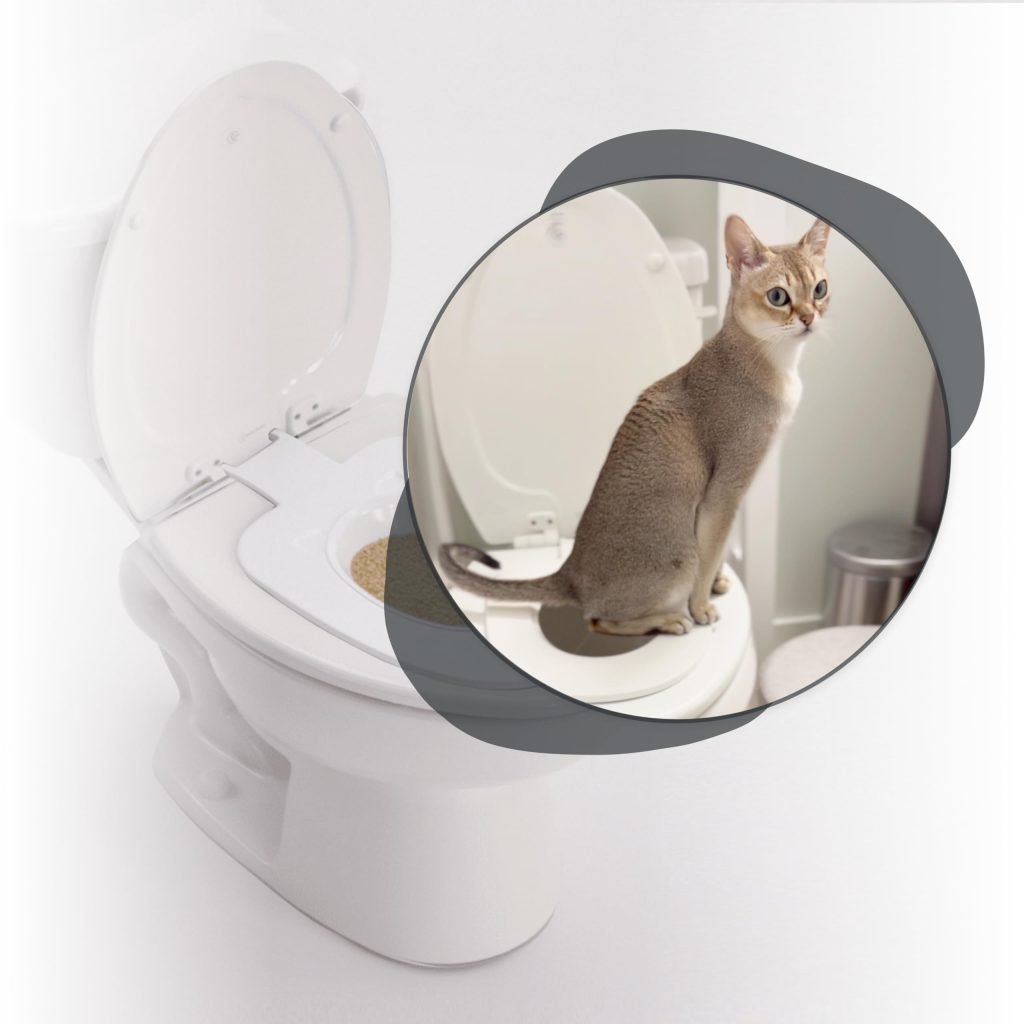
Have you ever imagined your cat using the toilet just like you do? It might sound surprising, but teaching your cat to use the toilet is possible—and it can save you time and hassle cleaning the litter box.
If you want a cleaner home and a clever pet, this guide is for you. Keep reading to discover simple steps and expert tips that will help you turn your furry friend into a bathroom pro. Your cat—and your home—will thank you!

Credit: www.amazon.com.au
Why Train Your Cat To Use The Toilet
Training a cat to use the toilet might sound unusual. Many pet owners find it helpful and cleaner than a litter box. Toilet training can save time, reduce odors, and make cleaning easier. It also helps keep your home tidier. Cats can learn this skill with patience and the right approach.
Benefits For Owners And Cats
- Eliminates the need to buy litter regularly.
- Reduces strong smells inside the house.
- Keeps the home cleaner and fresher.
- Prevents litter tracking on floors and furniture.
- Offers cats a new challenge and mental stimulation.
- Minimizes the risk of litter box issues like digging or refusal.
Common Challenges
- Cats might resist change and feel stressed at first.
- Training requires patience and consistency from the owner.
- Not all cats adapt well to toilet use.
- Accidents may happen during the learning period.
- Small or elderly cats may find balancing difficult.
- Some cats prefer digging and burying waste, a natural behavior.
Preparing Your Cat For Toilet Training
Preparing your cat for toilet training is a crucial phase that sets the foundation for success. It requires patience, the right timing, and a comfortable environment. Understanding your cat’s habits and needs will help you create a smooth transition from the litter box to the toilet.
Choosing The Right Time
Not every moment is ideal for starting toilet training. Choose a time when your cat is calm and healthy, avoiding periods of stress like moving or introducing new pets. Also, consider your schedule—consistency is key, so ensure you can dedicate regular attention during the training process.
Have you noticed if your cat is more adaptable during certain times of the day? Observing their behavior can guide you in picking the perfect moment to begin.
Gathering Necessary Supplies
Before you start, gather all the supplies that will make the process easier. You’ll need a special cat toilet training seat, which fits over your toilet bowl, and some flushable litter to help your cat adjust.
- A sturdy step stool to help your cat reach the toilet
- Flushable litter that mimics their regular litter
- Cleaning supplies for any accidents during training
Having everything ready prevents interruptions and keeps your cat comfortable.
Setting Up The Bathroom Environment
Your bathroom should feel welcoming and safe for your cat. Keep the toilet lid up and the seat down to create easy access. Remove any strong scents or harsh cleaning agents that might deter your cat from using the toilet area.
Consider how you can make the space quiet and calm—does your cat get distracted by loud noises or busy surroundings? Creating a peaceful bathroom environment encourages your cat to explore and accept the new setup.
Step-by-step Toilet Training Process
Training your cat to use the toilet can feel like a big challenge, but breaking the process into clear, manageable steps makes it easier. Each phase helps your cat get comfortable and confident, building on what they’ve already learned. Patience and observation are key—you’ll notice small wins that keep both you and your cat motivated.
Introducing The Litter Box Near The Toilet
Start by moving your cat’s litter box closer to the bathroom. Place it next to the toilet so your cat gets used to the new location without feeling rushed. This helps your cat associate the bathroom area with their bathroom habits.
Keep the litter box full of their usual litter to avoid confusion. Watch how your cat reacts—are they comfortable or hesitant? Adjust the position if needed to find the spot your cat prefers.
Gradually Raising The Litter Box
Once your cat is comfortable near the toilet, begin raising the litter box a few inches at a time. Use sturdy books or boxes to lift it gradually over several days. This step helps your cat get used to the height of the toilet without feeling unsafe.
Keep an eye on your cat’s balance and comfort. If your cat seems stressed, slow down the process. This slow adjustment can prevent accidents and build confidence.
Transitioning To A Training Seat
After the litter box reaches the height of the toilet seat, replace it with a special training seat designed for cats. These seats fit over the toilet bowl and hold litter inside. Your cat will learn to balance on the seat while using the litter.
Encourage your cat by placing treats or toys nearby. If your cat hesitates, try sitting with them or gently guiding them onto the seat. This phase can take time, but it’s a crucial bridge between the box and the toilet.
Removing The Litter Box Completely
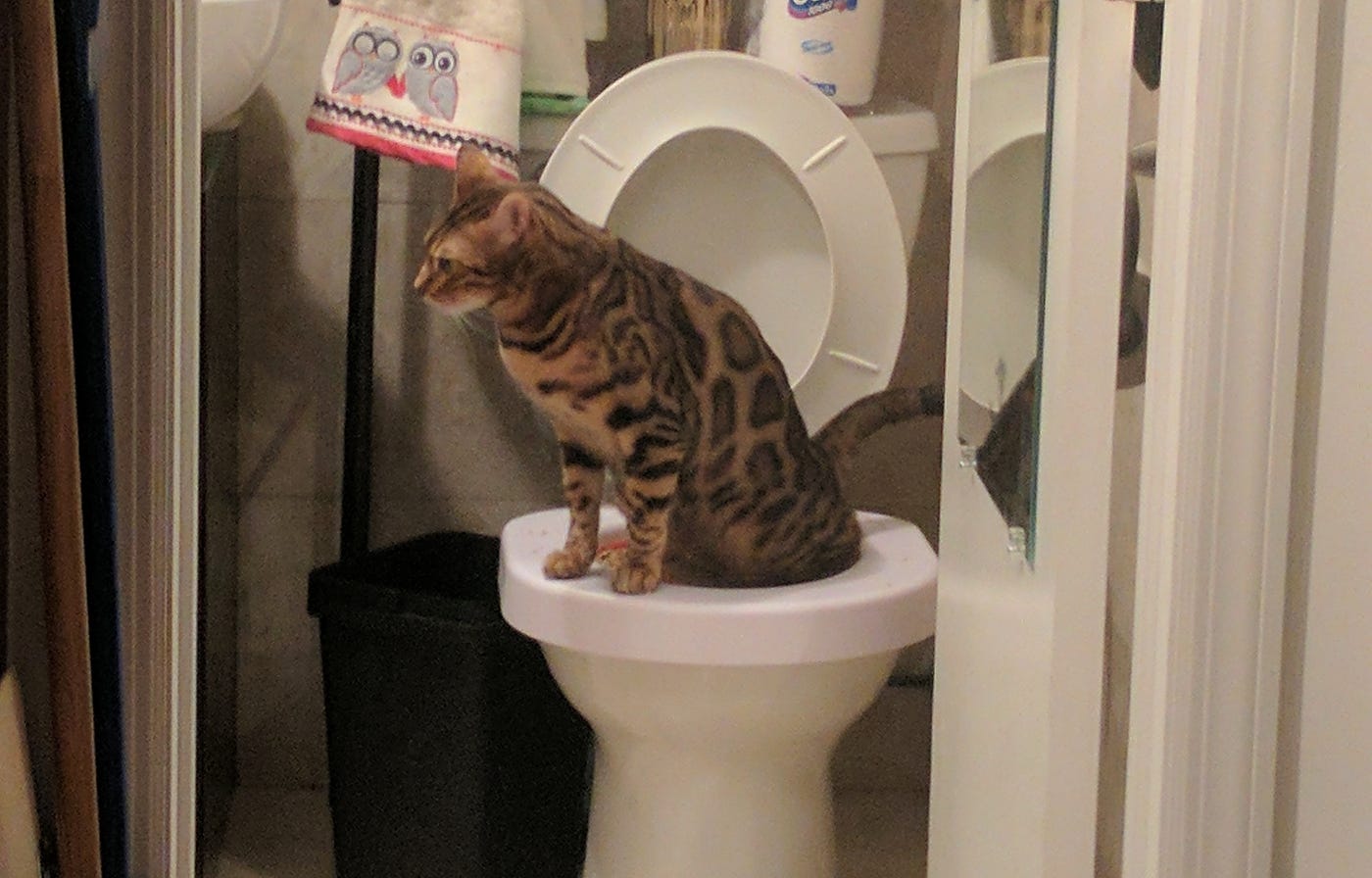
When your cat confidently uses the training seat, start removing the litter box or training seat altogether. Gradually reduce the amount of litter until it’s gone. At this point, your cat should be comfortable using the toilet bowl directly.
Be patient if accidents happen—they are part of the learning curve. Reward your cat for successful toilet use to reinforce good behavior. Have you noticed how your cat’s confidence grows with each small step?
Credit: medium.com
Tips To Encourage Success
Encouraging your cat to succeed in toilet training takes more than just the right tools; it requires a thoughtful approach tailored to your pet’s unique behavior. Small changes in how you interact with your cat during the training process can make a big difference. Here are some practical tips to help you guide your feline friend towards toilet success.
Positive Reinforcement Techniques
Reward your cat immediately when it uses the toilet correctly. Use treats, gentle petting, or soothing words to show approval.
Try to catch your cat’s attention right after success so it connects the reward with the behavior. Cats respond well to consistent praise that makes them feel safe and appreciated.
Think about what motivates your cat—some prefer food treats, others enjoy playtime or affection. Have these rewards ready to encourage repeat behavior.
Patience And Consistency
Understand that toilet training can take weeks or even months. Avoid rushing your cat, as stress may cause setbacks.
Keep a consistent routine for bathroom breaks and stay with the same toilet training method throughout. Changing too often confuses your cat.
Have you noticed your cat’s preferred time for bathroom habits? Align training sessions with their natural schedule for better results.
Handling Accidents Calmly
When accidents happen, avoid punishment or loud reactions. Your cat needs to feel safe to learn, not scared.
Clean the accident area thoroughly to remove odors that might encourage repeated soiling there. Use enzyme-based cleaners designed for pet messes.
Ask yourself: how can you maintain calm during these moments? Your attitude strongly influences your cat’s confidence and willingness to try again.
Common Problems And How To Fix Them
Training a cat to use the toilet can be challenging. Some common problems may arise during the process. Understanding these issues helps fix them quickly. Here are some frequent problems and easy solutions.
Fear Or Resistance
Cats may fear the toilet or the training steps. Sudden changes or loud noises increase anxiety. Some cats avoid the toilet bowl entirely.
- Introduce the toilet slowly and calmly.
- Use treats to reward small progress.
- Keep the toilet seat stable and clean.
- Allow your cat to explore at its own pace.
Relapses And Setbacks
Even trained cats might return to old habits. Stress, changes in routine, or environment cause setbacks. Relapses are normal and do not mean failure.
- Stay patient and consistent with training.
- Reinforce positive behavior with praise and treats.
- Keep the litter box accessible during setbacks.
- Observe for any signs of discomfort or illness.
Health Issues Affecting Training
Health problems can disrupt toilet training. Urinary tract infections or bladder issues cause accidents. Cats may avoid the toilet if they feel pain.
- Visit the vet if accidents increase suddenly.
- Watch for signs like frequent urination or blood.
- Address health problems before resuming training.
- Keep a clean and quiet toilet area for your cat.

Credit: www.walmart.com
Products To Aid Toilet Training
Helping your cat transition from a litter box to the toilet can feel like a big challenge. The right products can make this journey smoother for both you and your furry friend. Choosing tools designed specifically for toilet training cats can boost success and reduce stress.
Training Kits And Seats
Specialized training kits often include step-by-step guides and adjustable toilet seats made for cats. These seats fit over your toilet bowl and have holes that gradually increase in size, encouraging your cat to balance and use the toilet confidently.
One cat owner shared how using a kit with clear instructions helped her cat learn faster than guessing the process. Have you considered how a structured approach might change your cat’s learning pace?
Litter Alternatives
As your cat shifts to the toilet, experimenting with litter alternatives can help with the transition. Products like flushable litter or biodegradable pellets reduce mess and make cleaning easier during training.
Switching litter gradually can prevent your cat from resisting the change. What litter type does your cat respond to best when trying new things?
Cleaning Supplies
Keeping the toilet and surrounding area clean is essential during training. Use pet-safe cleaning sprays and wipes that remove odors without harsh chemicals that might deter your cat.
Strong smells can confuse your cat or cause them to avoid the toilet. Have you noticed how sensitive your cat is to certain scents in the bathroom?
When Toilet Training Might Not Be Right
Toilet training a cat can be a rewarding experience, but it is not always the best choice. Some cats may struggle or even become stressed by the process. Understanding when toilet training might not be right helps protect your cat’s well-being.
Each cat is unique. Their age, health, and behavior play big roles in deciding if toilet training fits them. Recognizing these factors can save time and avoid frustration for both you and your cat.
Age And Health Considerations
Young kittens often lack the physical control needed for toilet training. Older cats may have health problems affecting their mobility or balance. Cats with urinary or digestive issues should avoid toilet training. Stress or pain can make the process harmful or unsuccessful.
Behavioral Factors
Some cats dislike change and new routines. A cat with anxiety or fear may resist toilet training. Cats that show territorial marking or litter box guarding are less likely to succeed. Pay attention to your cat’s reactions and comfort level during training.
Alternatives To Toilet Training
Many cats prefer a clean, well-maintained litter box. Consider using low-dust or scented litter to improve appeal. Place multiple litter boxes around the house for convenience. Training your cat to use a litter box remains the easiest method for most owners.
- Use a litter box with high sides to prevent spills.
- Clean the litter box daily to keep it inviting.
- Try different litter types to find your cat’s favorite.
Frequently Asked Questions
How To Start Toilet Training A Cat?
Begin by placing a litter box near the toilet. Gradually elevate the box, inch by inch, until it’s level with the toilet seat. Once your cat is comfortable with the height, transition to a training seat on the toilet. Patience and consistency are key throughout this process.
Is Cat Toilet Training Safe?
Cat toilet training can be safe if done carefully. Ensure the toilet lid is always up, and the seat is stable. Monitor your cat for any signs of stress. Not all cats adapt well to toilet training, so be observant of their comfort and health.
How Long Does Cat Toilet Training Take?
Toilet training a cat typically takes several weeks to a few months. The timeline varies for each cat. Patience is crucial, as rushing the process can cause stress. Consistency and positive reinforcement help ensure your cat feels comfortable and confident.
What Are The Benefits Of Cat Toilet Training?
Cat toilet training reduces the need for litter, saving money and reducing waste. It also eliminates litter box odors in your home. Moreover, it can be a more hygienic option if your cat adapts well to the change.
Conclusion
Training your cat to use the toilet takes time and patience. Small steps help your cat feel safe and confident. Watch your cat closely and adjust as needed. Celebrate each success, no matter how small. Remember, not all cats learn the same way or speed.
Stay calm and keep trying, even if progress is slow. A clean litter box nearby can ease the change. With care and consistency, toilet training is possible. Your bond with your cat will grow through this process. Keep your expectations realistic and enjoy the journey together.
