

If you have an outdoor cat, you know how tricky it can be to keep them safe and well-behaved. You want your furry friend to enjoy the fresh air, but you also want to protect them from dangers and unwanted habits.
Training your outdoor cat might sound impossible, but with the right steps, you can guide your cat to listen, stay close, and come when called. Imagine having a cat that enjoys the outdoors but still follows your rules. Ready to learn how?
Keep reading, and you’ll discover simple, effective ways to train your outdoor cat for a happier, safer life together.
Preparing Your Cat For Outdoor Training
Getting your cat ready for outdoor training takes thoughtful preparation. Your cat’s safety and comfort must come first before stepping outside. This phase sets the tone for successful outdoor adventures.
Choosing The Right Time To Start
Pick a calm and quiet period to begin training. Avoid times when your cat is stressed or unwell. Early morning or late afternoon often works best because the environment is less busy and temperatures are milder.
Consider your cat’s personality and routine. If your cat is naturally curious and social, you might start sooner. For shy or anxious cats, give them extra time indoors to build confidence.
Essential Supplies And Equipment
Gather everything your cat will need for outdoor training. A well-fitted harness and leash are must-haves to keep control and prevent escapes.
- Harness (adjustable and snug)
- Leash (preferably 4-6 feet long)
- Collar with ID tag
- Portable water bowl
- Toys for distraction and engagement
Having these items ready helps you respond quickly to your cat’s needs. I once forgot a water bowl on a hot day, and my cat showed signs of dehydration early on. Don’t make that mistake.
Health Checks And Vaccinations
Make sure your cat is in top health before heading outdoors. A visit to the vet should include a full health check and up-to-date vaccinations against common diseases.
Ask your vet about flea, tick, and worm prevention as outdoor cats face higher risks. Regular health monitoring reduces the chance of illness and keeps your cat happy outside.
Are you ready to commit the time and care your cat needs before stepping outside? Preparing well pays off with safer, stress-free outdoor experiences for both of you.
Credit: www.ottawahumane.ca
Building Trust And Confidence
Building trust and confidence with your outdoor cat is essential for a successful training experience. Your cat needs to feel secure and comfortable in their environment before they can learn new behaviors. Taking the time to create a bond will make your training efforts more effective and enjoyable for both of you.
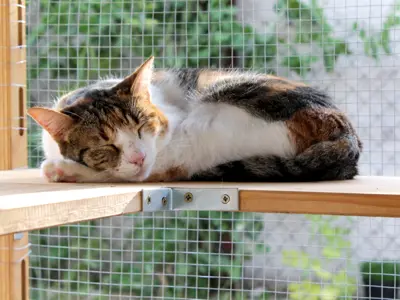
Creating A Safe Outdoor Space
Your cat’s outdoor area should feel like a sanctuary, free from threats or loud noises that might startle them. Start by choosing a quiet spot with plenty of hiding places, such as bushes or cat shelters. You want your cat to know they have control over their space and can retreat if they feel unsafe.
Think about adding familiar items from inside the house, like their favorite blanket or toys, to provide comfort. Have you noticed how your cat reacts to different spots in the yard? Pay attention to those preferences and adjust the space accordingly.
Positive Reinforcement Techniques
Positive reinforcement is a powerful tool for encouraging good behavior without causing stress. Reward your cat immediately after they respond correctly to commands or show calm behavior outdoors. This could be a gentle pet, a soft voice, or a tasty treat.
Consistency is key. Use the same cues and rewards every time to help your cat understand what you expect. Have you tried praising your cat the moment they come to you outside? Timing your rewards well can make a big difference.
Using Treats And Toys Effectively
Treats and toys are great motivators but should be used wisely. Choose treats that your cat loves but doesn’t get often, making them special. Toys that mimic prey, like feather wands or laser pointers, can engage your cat’s natural instincts and make training fun.
Try mixing play and training sessions to keep your cat interested and eager. How does your cat respond when you combine a quick game with a training command? Turning training into play helps build a positive association with learning outdoors.
Teaching Basic Commands
Teaching basic commands to an outdoor cat helps keep them safe and well-behaved. Outdoor cats face many distractions. Simple commands make their environment easier to manage. Training builds trust and communication between you and your cat. Start with short sessions to keep your cat interested. Use clear, consistent words for each command. Reward your cat with treats or praise to encourage learning.
Recall Training Strategies
Recall means calling your cat back to you. Use a distinct word like “come” or a whistle sound. Start indoors with no distractions. Call your cat and reward immediately when they come. Gradually practice outside with more distractions. Keep sessions short and positive. Avoid calling your cat for things they don’t like. This keeps recall strong and reliable.
Leash Training Tips
Leash training helps control your cat outdoors safely. Choose a comfortable harness designed for cats. Let your cat wear it indoors first to get used to it. Attach the leash and follow your cat slowly. Use treats to encourage walking beside you. Avoid pulling the leash. Practice in quiet areas before moving to busier places. Leash training builds confidence and control.
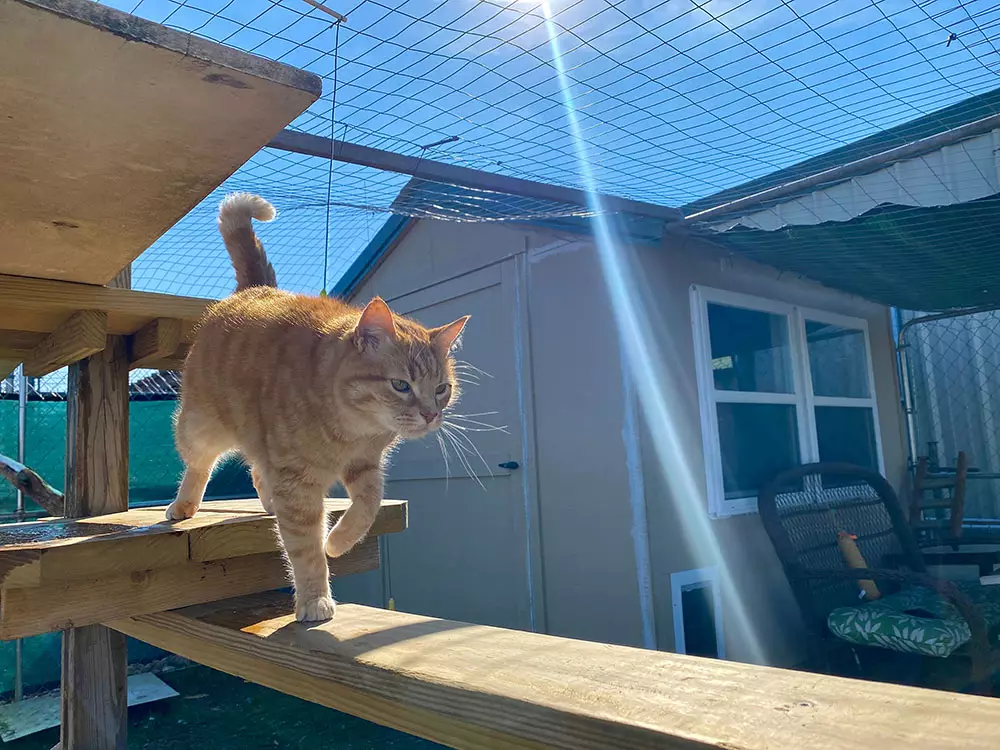
Setting Boundaries Outdoors
Setting boundaries teaches your cat where they can go. Use physical markers like fences or garden edges. Train your cat to stay within these areas. Use commands like “stay” or “no” clearly and calmly. Reward your cat when they respect boundaries. Regular supervision helps reinforce limits. Boundaries protect your cat from dangers and keep them nearby.
Credit: www.henrycountyymca.org
Handling Common Challenges
Training an outdoor cat comes with unique challenges. These obstacles can slow progress and test patience. Handling these issues carefully helps build trust and safety. Focus on common problems like distractions, aggression, and escape attempts. Tackling them step by step creates a better experience for both cat and owner.
Dealing With Distractions
Outdoor environments have many distractions. Birds, cars, and other animals grab your cat’s attention. Keep training sessions short and focused. Choose quiet times and places for practice. Use toys or treats to regain your cat’s focus. Patience is key as your cat learns to ignore distractions.
Managing Aggression Or Fear
Some outdoor cats show fear or aggression. These reactions come from stress or unfamiliar situations. Avoid forcing your cat into these moments. Give space and time to calm down. Use gentle voices and slow movements. Reward calm behavior with treats or praise. Building confidence reduces fear and aggression over time.
Preventing Escape Attempts
Escape attempts are common with outdoor cats. They might run away out of curiosity or fear. Secure your yard with fences or barriers. Use a harness and leash for safe outdoor exploration. Supervise your cat during outdoor time. Create a safe, inviting space to reduce the urge to run away.
Maintaining Long-term Outdoor Safety
Keeping your outdoor cat safe over the long term requires ongoing attention and care. Outdoor environments constantly change, bringing new challenges and risks. You need to stay proactive and adjust your approach to ensure your cat remains healthy and secure.
Regular Health Monitoring
Check your cat’s physical condition often. Look for signs like cuts, ticks, or unusual behavior that might indicate illness or injury.
Schedule routine vet visits to catch potential health issues early. Vaccinations and parasite prevention are essential to protect your outdoor explorer.
Have you noticed subtle changes in your cat’s energy or appetite? These can be early warning signs that something is wrong and shouldn’t be ignored.
Adapting Training As Needed
Your cat’s habits and the outdoor environment will evolve. Be ready to adjust training techniques accordingly.
For example, if your cat starts venturing too far, reinforce recall commands or consider using a GPS tracker. Training isn’t a one-time event but a continuous process.
What new behaviors have you spotted that might need attention? Addressing them early can prevent bigger problems later.
Seasonal Considerations For Outdoor Cats
Different seasons bring different risks. In colder months, provide warm shelter and limit exposure to freezing temperatures.
During hot weather, ensure your cat has plenty of water and shaded areas to avoid heatstroke.
Seasonal pests like fleas and ticks increase at certain times of the year. Increase preventive measures during these periods to keep your cat comfortable and safe.

Credit: weareallaboutcats.com
Frequently Asked Questions
How Do I Start Training An Outdoor Cat Safely?
Begin training by allowing your cat to explore a secure outdoor area. Use treats and praise to encourage positive behavior. Gradually increase outdoor time while supervising to ensure safety and build trust.
What Commands Can Outdoor Cats Learn Easily?
Outdoor cats can learn basic commands like “come,” “stay,” and “no. ” Use consistent cues, treats, and patience. These commands help keep your cat safe and responsive outdoors.
How Can I Keep My Outdoor Cat Safe During Training?
Keep training sessions short and in a secure area. Always supervise your cat to avoid dangers like traffic or predators. Use a harness or leash for better control and safety.
What Tools Are Helpful For Training An Outdoor Cat?
A harness, leash, treats, and clicker can aid training. These tools help guide your cat, reinforce good behavior, and ensure safety during outdoor activities.
Conclusion
Training an outdoor cat can be a rewarding journey. Patience and consistency are key. Start with basic commands. Gradually introduce boundaries. Use treats and positive reinforcement. Always ensure a safe environment. Watch their behavior closely for signs of distress. Respect their natural instincts.
Remember, each cat is unique. What works for one might not work for another. Stay calm and persistent. Celebrate small victories. Your bond will grow stronger with time. Soon, your outdoor cat will feel more secure. Enjoy the journey together.
Your efforts will surely pay off.
