


If you’ve just brought a new cat home or want to improve your furry friend’s habits, house training is a must. You might be wondering how to teach your cat where to go without frustration or mess.
The good news is, with the right steps, patience, and a little know-how, you can help your cat become a clean, well-behaved member of your family. Keep reading, and you’ll discover simple, effective tips that make house training easier than you ever thought possible.
Your cat—and your home—will thank you!
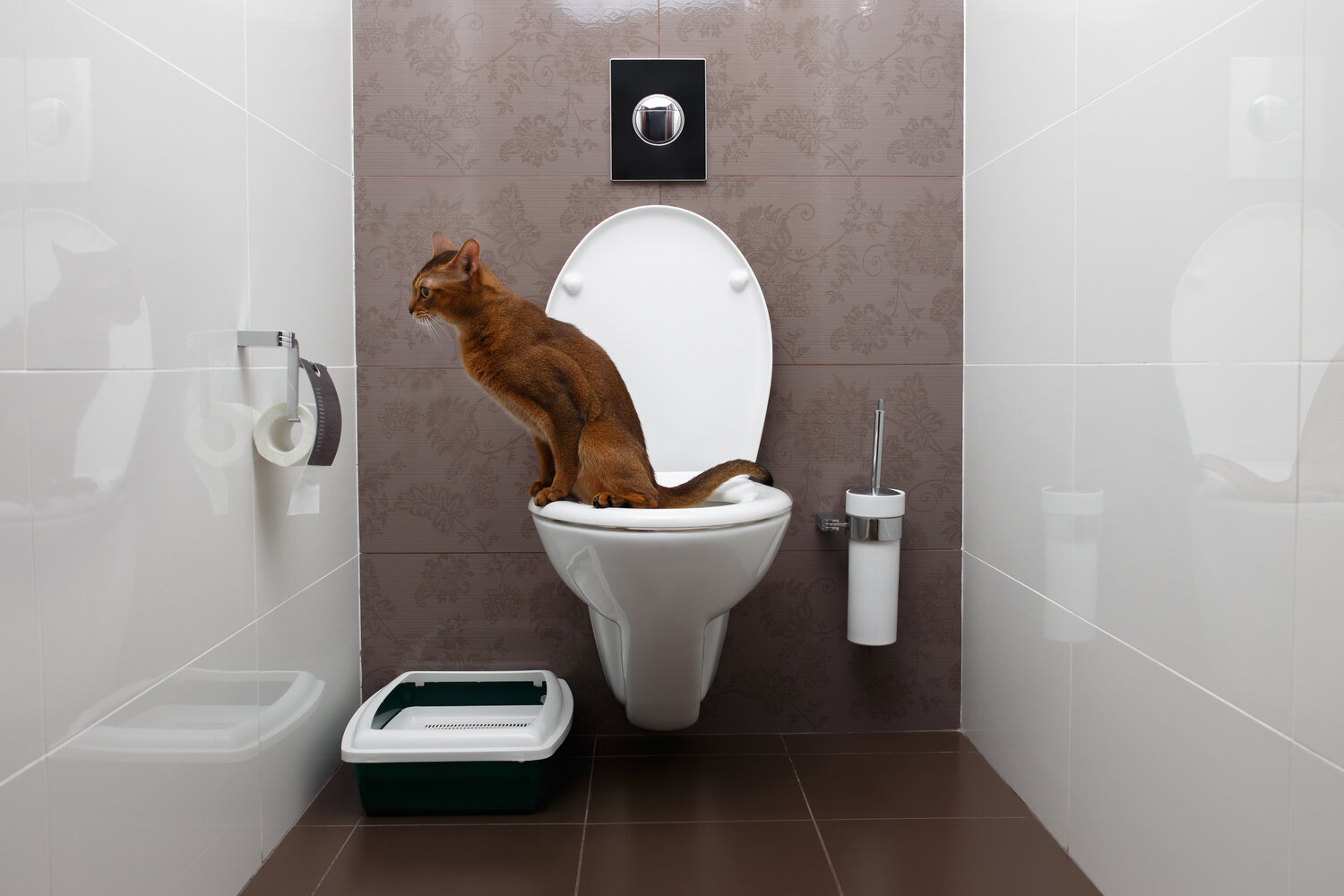
Credit: visapoint.travel
Choosing The Right Litter Box
Choosing the right litter box is a crucial step in successfully house training your cat. The right box not only encourages your cat to use it consistently but also makes cleaning easier for you. Let’s look at how size, type, placement, and cleanliness impact your cat’s litter box experience.
Size And Type Options
Your cat’s comfort starts with the size of the litter box. A box that’s too small can discourage use, especially for larger cats or kittens who are still growing. Aim for a box that is at least one and a half times the length of your cat from nose to tail.
Open litter boxes are common, but some cats prefer covered ones for privacy. However, covered boxes can trap odors, which might turn your cat away. If your cat is hesitant, try different types like a top-entry box or even a self-cleaning model to see what fits their preference.
Placement Tips
Where you place the litter box matters more than you might think. Cats prefer quiet, low-traffic areas where they feel safe. Avoid placing the box near noisy appliances or in busy hallways.
Think about your cat’s natural instincts—they like to have an easy escape route after using the box. A cramped corner can make them feel trapped. You might need to try a few spots before finding the perfect location.
Maintaining Cleanliness
Cleanliness is key to keeping your cat coming back to the litter box. Scoop waste at least once a day to prevent smells and bacteria buildup. Cats have a strong sense of smell and may avoid a dirty box.
Completely change the litter and wash the box with mild soap weekly. Avoid strong-smelling cleaners as they can deter your cat. Keeping the litter box fresh shows your cat you respect their space and encourages good habits.
Selecting The Best Litter
Selecting the best litter is key to successful cat house training. The right litter makes your cat comfortable and encourages good habits. Cats prefer certain textures and smells, so choosing carefully helps keep your home clean and your cat happy.
Types Of Cat Litter
Cat litter comes in many types. Clay-based litter is common and absorbs moisture well. Clumping clay litter forms solid clumps for easy cleaning. Natural options like corn, wheat, or pine are biodegradable and gentle on paws. Silica gel litter controls odors and stays dry longer. Each type has pros and cons depending on your cat’s needs.
Scented Vs Unscented
Scented litter masks odors with added fragrances. Some cats dislike strong smells and avoid using scented litter. Unscented litter has no added perfumes. It lets natural odors show but is less likely to bother cats. For sensitive cats, unscented litter is usually better. Watch your cat’s reaction to decide which type works best.
Clumping Benefits
Clumping litter forms firm clumps when wet. This makes scooping waste easier and faster. It helps keep the litter box clean and dry. Clumping litter reduces odors by isolating waste. Many cat owners prefer clumping litter for convenience and hygiene. Choose a clumping litter that is dust-free to protect your cat’s lungs.
Introducing Your Cat To The Litter Box
Introducing your cat to the litter box is a crucial step in successful house training. It sets the foundation for good bathroom habits and helps avoid frustration for both you and your feline friend. The way you present the litter box can make all the difference in how quickly your cat adapts.
Initial Exposure
Place the litter box in a quiet, easily accessible spot where your cat feels safe. Avoid noisy or high-traffic areas that might scare them away. Let your cat explore the box at their own pace without pressure.
Some cats need a little encouragement to check out the box. You can gently place them inside after meals or naps, the times when they’re most likely to need it. Watching your cat’s behavior closely during these moments can give you clues about their comfort level.
Encouraging Use
Make the litter box inviting by keeping it clean and using a litter type your cat prefers. Many cats like unscented, fine-grained litter that feels soft under their paws. If your cat seems hesitant, try offering treats or gentle praise when they approach or use the box.
Consistency is key. Bringing your cat to the box regularly reinforces the habit. You might wonder—how often should you guide your cat to the litter box? A good rule is after meals, naps, and play sessions.
Handling Accidents
Accidents happen, and your reaction matters. Avoid punishment—it only creates fear and confusion. Instead, calmly clean the area with an enzyme-based cleaner to remove odors that might attract your cat back to the same spot.
Ask yourself: Is the litter box location convenient? Is the box clean enough? Sometimes accidents signal a problem with the environment rather than the cat’s behavior. Adjusting these factors can prevent future mishaps and keep your cat confident in their litter box use.
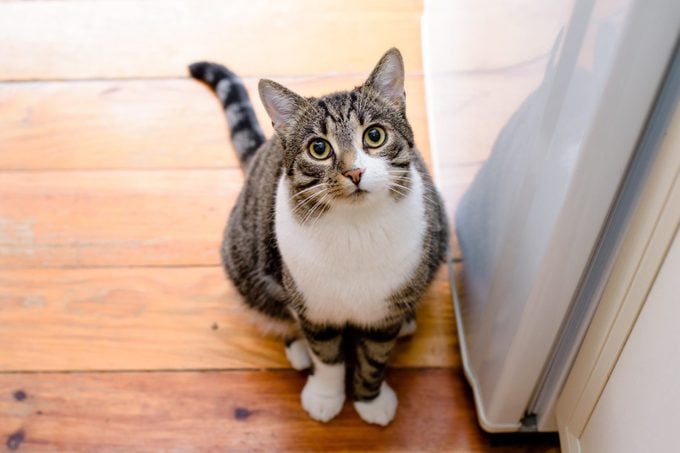
Credit: www.rd.com
Establishing A Routine
Establishing a routine helps your cat understand what to expect daily. Cats feel safe and confident with consistent habits. A steady routine encourages good behavior and faster house training success.
Feeding Schedules
Feed your cat at the same times every day. Consistent feeding helps control their bathroom needs. It also allows you to predict when your cat may need the litter box. Use measured portions to avoid overeating.
Regular Box Cleaning
Clean the litter box daily to keep it fresh. Cats prefer a clean space for their bathroom habits. Remove waste and clumps often to prevent odors. Place the box in a quiet, accessible area.
Positive Reinforcement
Reward your cat with treats or praise after using the litter box. Positive feedback encourages repeat behavior. Avoid punishment, which can cause fear and confusion. Use gentle encouragement to build good habits.
Addressing Common Challenges
Training a cat to use the litter box can come with a few hurdles. Understanding and addressing these challenges early can save you frustration and help your cat feel comfortable. Let’s take a closer look at some common issues and what you can do to handle them effectively.
Avoiding Litter Box Aversion
Sometimes, cats avoid the litter box for reasons you might not expect. It could be the type of litter, the box’s location, or even cleanliness. If your cat suddenly stops using the box, start by checking if it’s clean and accessible.
Try switching to unscented, clumping litter that feels soft on their paws. Place the box in a quiet, low-traffic area where your cat feels safe. Have you noticed your cat sniffing around but not using the box? That’s a sign to experiment with different litter options or box placements.
Dealing With Marking Behavior
Marking is a common problem, especially with unneutered males, but females and neutered cats can do it too. This behavior is different from regular elimination and is often linked to stress or territorial instincts. Look for small amounts of urine sprayed on vertical surfaces.
To reduce marking, keep your cat’s environment calm and predictable. Use pheromone sprays or diffusers designed to reduce anxiety. Also, ensure all cats in the home are spayed or neutered to lower hormone-driven behaviors. What might be stressing your cat right now?
Managing Multi-cat Households
Having more than one cat means more complexity in litter box training. Cats can be territorial and may avoid a box if another cat is guarding it. The general rule is to have one litter box per cat, plus one extra.
Place boxes in different locations to give each cat privacy and reduce conflict. Watch for signs of bullying or blocking access to the boxes. Could your cat’s litter box habits be affected by competition or fear?
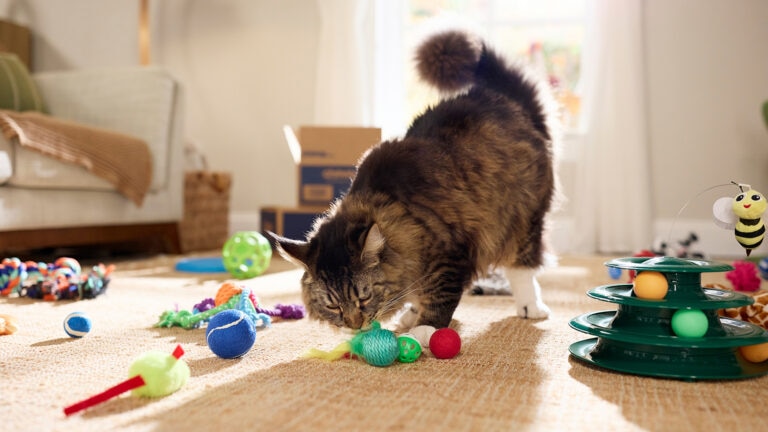
Credit: www.chewy.com
When To Seek Professional Help
Knowing when to seek professional help is important during cat house training. Some problems need expert care to avoid stress for you and your cat. It saves time and ensures your cat stays healthy and happy.
Behavioral Issues
Persistent litter box avoidance can signal behavioral problems. Aggression or anxiety may affect your cat’s ability to learn. Professionals like animal behaviorists can identify triggers and suggest solutions. They offer training methods tailored to your cat’s needs. Early help can prevent bad habits from becoming permanent.
Medical Concerns
Sudden changes in bathroom habits may indicate health issues. Urinary tract infections or bladder problems are common causes. A veterinarian can perform tests and provide treatment. Untreated medical problems can worsen and cause pain. Always rule out health concerns before changing training techniques.
Frequently Asked Questions
How Long Does It Take To House Train A Cat?
House training a cat usually takes 1 to 4 weeks. Consistency and patience speed up the process. Providing a clean litter box encourages good habits.
What Is The Best Litter For House Training Cats?
Clumping, unscented litter is ideal for house training. It mimics natural materials and is easy to clean. Avoid strong fragrances that may deter cats.
How Often Should I Clean The Cat’s Litter Box?
Clean the litter box daily to maintain hygiene. Cats prefer a clean spot, which helps prevent accidents. Regular cleaning also reduces odors and keeps cats healthy.
Can I Train An Older Cat To Use A Litter Box?
Yes, older cats can learn litter habits with patience. Use positive reinforcement and keep the litter box accessible. Avoid punishment to prevent stress and setbacks.
Conclusion
House training a cat takes patience and consistency. Start with a clean litter box and place it in a quiet spot. Reward your cat when it uses the box correctly. Watch for signs your cat needs to go and guide it gently.
Avoid punishment to keep trust strong. Remember, each cat learns at its own pace. Stay calm and keep trying. Soon, your cat will use the litter box with ease. Enjoy a cleaner home and a happier pet.
