

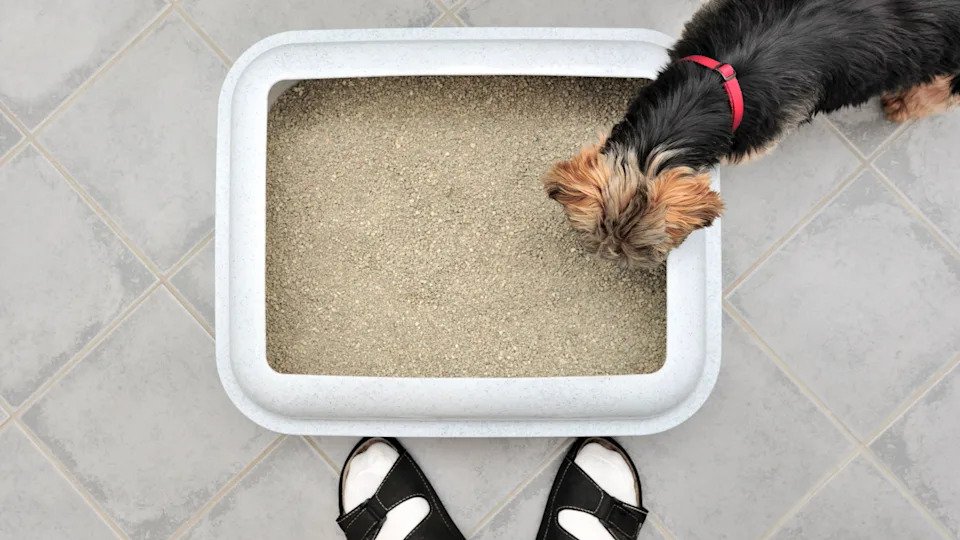
Have you ever wondered if your dog can be trained to use cat litter? It might sound unusual, but many dog owners are exploring this idea to save time and keep their homes cleaner.
Imagine never having to rush outside during bad weather or worrying about muddy paws tracking dirt indoors. If you want a simple, convenient way to manage your dog’s bathroom needs, this guide is for you. Keep reading to discover whether litter training your dog is possible, how to do it step-by-step, and the surprising benefits it can bring to your daily routine.
Credit: greensafaris.com
Litter Training Basics For Dogs
Teaching your dog to use cat litter requires understanding some basic principles of litter training. Dogs are naturally different from cats in their bathroom habits, but with patience and the right setup, you can guide your dog to adapt. Let’s look at the essentials that make litter training possible and effective for your furry friend.
Choosing The Right Litter Box
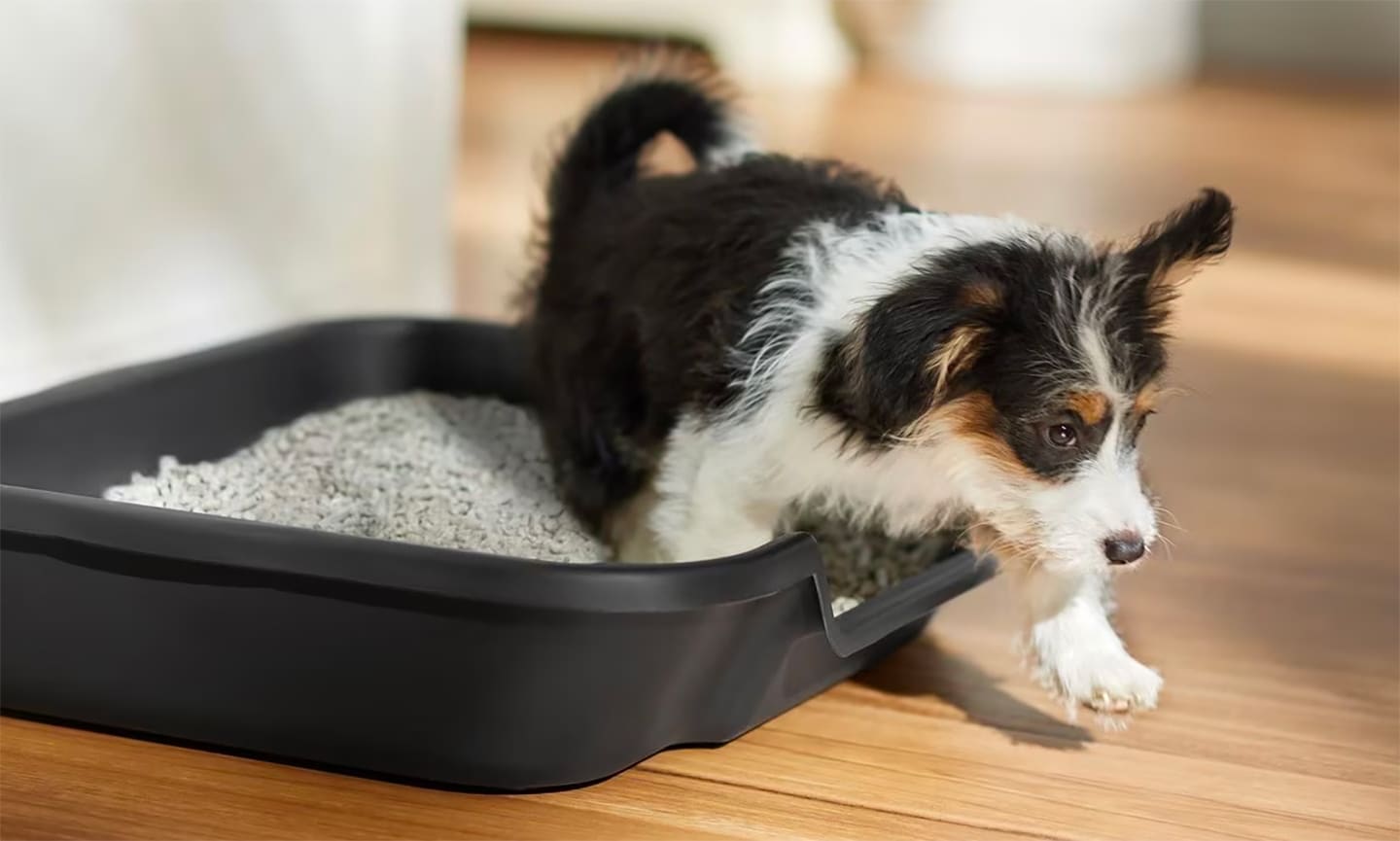
Not all litter boxes work well for dogs. You need a box that is large enough to accommodate your dog’s size comfortably. A shallow box with low sides helps your dog step in and out easily without feeling trapped.
Consider boxes designed for small dogs or even a large plastic container with cut-out sides. Your dog will need enough space to move around and turn, so don’t pick a box that’s too small or deep. Have you noticed how your dog behaves around the current box? That can tell you a lot about what they might prefer.
Selecting Safe Litter Materials
Not all cat litter is safe or comfortable for dogs. Avoid clumping clay litters since dogs might ingest small particles, which can cause digestive issues. Instead, look for natural, non-toxic litters like paper-based, wood pellets, or corn-based options.
These materials are softer on your dog’s paws and less likely to irritate sensitive skin. Plus, they tend to have less dust, which is better for your dog’s respiratory health. Have you checked the litter ingredients recently? It’s crucial to ensure they are safe for dogs.
Setting Up The Training Area
Pick a quiet, low-traffic spot in your home for the litter box. Dogs prefer privacy when relieving themselves, so avoid busy hallways or noisy rooms. Make sure the area is easy to clean and has good ventilation to keep odors down.
Place the litter box on a non-slip surface or use a mat underneath to prevent it from sliding. Consistency is key, so keep the box in the same place to help your dog remember where to go. How often do you think your dog needs bathroom breaks? Aligning their schedule with training sessions will speed up the process.
Steps To Train Your Dog
Training a dog to use a cat litter box takes patience and clear steps. Dogs think differently than cats, so teaching them needs care. Consistency and positive reinforcement help dogs learn faster. Follow these steps to guide your dog gently to the litter box.
Introducing The Litter Box
Place the litter box in a quiet, easy-to-reach spot. Let your dog explore it without pressure. Show your dog the litter box after meals or naps. Use a leash to gently guide your dog to the box. Keep the box clean to make it inviting.
Encouraging Consistent Use
Watch your dog for signs that it needs to go. Take your dog to the litter box often, especially at regular times. Use a command like “go potty” to build understanding. Be patient if accidents happen. Clean accidents thoroughly to avoid repeats.
Rewarding Positive Behavior
Praise your dog immediately after it uses the litter box. Offer small treats or gentle petting as rewards. Keep rewards consistent to reinforce good habits. Avoid punishment to keep training positive. Celebrate every success to motivate your dog.
Challenges In Litter Training Dogs
Training a dog to use cat litter presents unique challenges. Dogs have different bathroom habits than cats. Their instincts and behaviors may conflict with litter box use. Understanding these challenges helps set realistic goals and expectations. Patience and consistency are essential during training.
Common Behavioral Issues
Dogs often prefer to eliminate outdoors. They may resist using litter due to unfamiliar texture. Some dogs might dig or scatter the litter. Anxiety or stress can cause avoidance of the litter box. Marking territory inside the house is another common problem. These behaviors require gentle correction and time to adjust.
Managing Accidents
Accidents are normal during litter training. Cleaning thoroughly is critical to remove odors. Use enzymatic cleaners to prevent repeat marking. Avoid punishment, as it can increase anxiety. Create a calm and positive environment for the dog. Consistent supervision helps catch accidents early and redirect the dog.
Adjusting Training Techniques
Each dog learns differently, so adapt methods as needed. Start with a small, shallow litter box. Choose litter that is safe and comfortable for dogs. Use treats and praise to reward correct use. Gradually increase the litter box’s accessibility and size. Observe the dog’s response and modify steps carefully.
Benefits Of Litter Training Dogs
Training your dog to use cat litter might sound unusual, but it offers several clear benefits that can make life easier for both you and your pet. It’s not just about convenience; it can improve hygiene and reduce your pet’s reliance on outdoor spaces. Let’s look at some practical reasons why litter training your dog could be a smart choice.
Convenience For Indoor Pets
If your dog spends most of its time indoors, litter training can save you from rushing outside multiple times a day. It allows your dog to relieve itself without waiting for a walk or dealing with bad weather. This can be especially helpful for busy pet owners or those living in apartments without easy outdoor access.
Imagine coming home after a long day and knowing your dog can manage its bathroom needs inside. This reduces stress for both of you and keeps your routine smoother.
Reducing Outdoor Dependency
Not all dogs can go outside at any time due to age, health, or safety concerns. Litter training offers an alternative that keeps your pet comfortable without risking exposure to extreme weather or busy streets. It also helps if you live in an area with strict leash laws or limited green space.
Think about how much freedom your dog gains when it doesn’t have to wait for a walk to relieve itself. This can lead to less anxiety and more independence for your furry friend.
Improving Home Cleanliness
Using cat litter can help contain messes and odors better than traditional potty pads or outdoor accidents. Many litters are designed to absorb moisture and control smells, making your home fresher. Plus, a designated spot for bathroom needs keeps your floors and carpets cleaner.
Have you noticed how much time is spent cleaning up after a dog that isn’t fully house trained? Litter training can cut down on those frustrating cleanups and protect your furniture and flooring.
Alternatives To Cat Litter For Dogs
Training a dog to use cat litter can be tricky and sometimes uncomfortable for both you and your pet. Luckily, there are several alternatives designed specifically for dogs that might work better and keep your home clean and odor-free. Exploring these options can save you time and frustration while helping your dog develop good habits.
Dog-specific Litter Options
Dog-specific litter is made with materials that suit a dog’s size and bathroom needs. These litters often use natural ingredients like recycled paper, wood pellets, or corn, which absorb moisture and control odor effectively.
One advantage is that these litters are less dusty and safer if your dog accidentally ingests some. Have you tried switching to a dog-specific litter yet? It might be the game-changer your pup needs.
Using Pee Pads Effectively
Pee pads remain a popular choice for indoor potty training. They are convenient, disposable, and easy to place in designated spots around your home.
To make pee pads work well, place them in consistent locations and praise your dog every time they use the pad correctly. Changing pads frequently and using attractant sprays can help your dog quickly understand where to go.
- Keep pads flat and secure to prevent slipping.
- Gradually move the pad closer to the door if you want to transition to outdoor potty.
- Use training aids to encourage your dog to use the pads.
Outdoor Potty Training Methods
Outdoor potty training often fits a dog’s natural instincts better than indoor options. Consistent routines and positive reinforcement are key to success.
Take your dog outside at regular intervals, especially after meals and naps, and reward them immediately after they go potty outdoors. This approach builds a strong connection between the action and the reward.
Consider creating a specific potty area outside with familiar scents to encourage your dog to use that spot. Does your dog respond well to routines, or do they need more patience and practice?
Credit: k9connoisseur.com
Expert Tips For Success
Training a dog to use cat litter takes clear focus and careful steps. Success depends on how well you follow the process and respond to your dog’s needs. Experts suggest key strategies that make this unusual training easier for both you and your dog.
Consistency And Patience
Keep a regular schedule for bathroom breaks near the litter box. Dogs learn best with steady routines. Praise your dog every time it uses the litter correctly. Avoid punishment. Mistakes happen and patience helps your dog stay calm.
Practice daily and watch small improvements. Change happens slowly. Consistency builds trust and good habits.
Recognizing Dog’s Signals
Learn your dog’s signs when it needs to relieve itself. Restlessness, sniffing, or circling show it’s time to go. Move your dog to the litter box as soon as you see these signs. Acting fast helps your dog link the behavior to the litter.
Observe closely and respond quickly. This teaches your dog the right place to go.
When To Seek Professional Help
Some dogs may struggle despite your efforts. A trainer or behaviorist can offer tailored advice. Problems like anxiety or confusion need expert attention. Professionals use gentle methods to guide your dog better.
Don’t hesitate to ask for help if training stalls. Experts can make the process smoother and less stressful.

Credit: www.yahoo.com
Frequently Asked Questions
Can Dogs Be Trained To Use Cat Litter Boxes?
Yes, dogs can be trained to use cat litter boxes with patience and consistency. Smaller dog breeds learn faster. Proper litter type and box placement help. Training requires positive reinforcement and gradual introduction to the box.
What Litter Is Best For Dog Training?
Unscented, low-dust clumping litter is best for dogs. Avoid clumping litter if your dog might ingest it. Paper-based or wood pellet litter can be safer alternatives. Choose a litter that is gentle on paws and easy to clean.
How Long Does Litter Training Take For Dogs?
Litter training duration varies but usually takes 2-4 weeks. Consistent training sessions and rewards speed up learning. Patience is key, as dogs need time to adapt. Regular cleaning maintains hygiene and encourages use.
Are There Any Health Risks Using Cat Litter For Dogs?
Using cat litter for dogs can pose health risks if ingested. Clumping litter can cause intestinal blockages. Unscented, non-toxic litter reduces risk. Always monitor your dog to prevent eating litter or exposing them to harmful substances.
Conclusion
Training a dog to use cat litter is possible with patience. Dogs learn best through clear steps and positive rewards. Not all dogs will adapt quickly, but many can succeed. Small dogs often find litter boxes easier to use. Keep the litter box clean and in a quiet spot.
Remember, every dog is different and learns in its own time. Trying this method can save space and reduce mess. Consistent effort helps dogs understand where to go. This training choice may suit your home and lifestyle well.
