

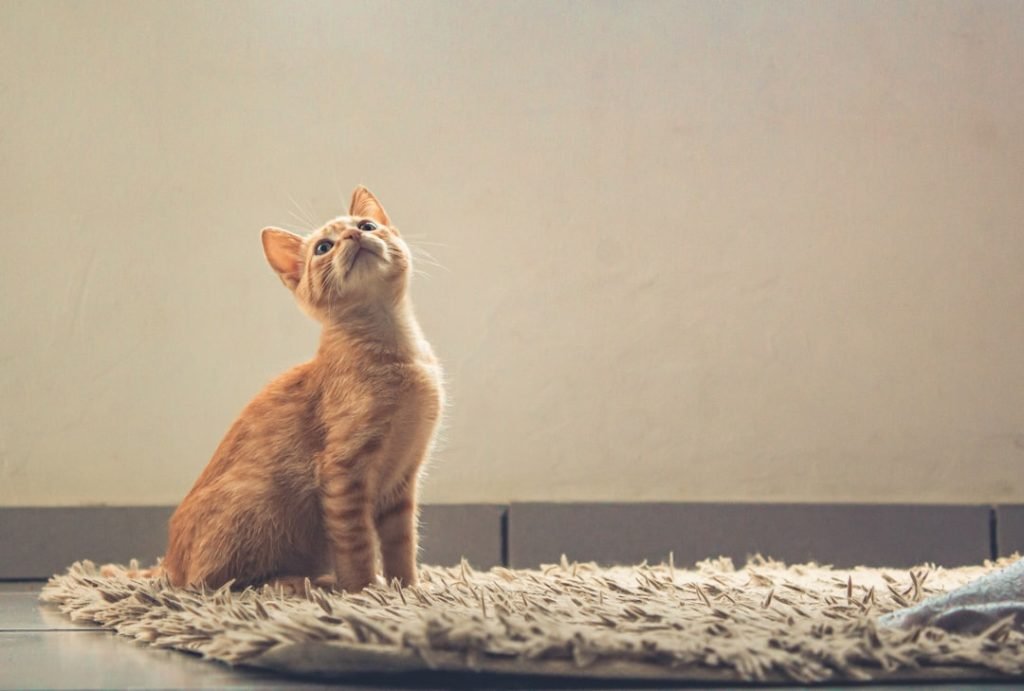
Have you ever wished your cat would stop scratching the furniture or jump off counters on command? Training your cat to behave might seem impossible, but it’s easier than you think.
Imagine a home where your furry friend listens, plays nicely, and respects your space. You’ll discover simple, effective ways to teach your cat good habits without stress or frustration. Ready to transform your relationship with your cat? Keep reading to unlock the secrets of successful cat training.

Credit: www.happypet.care
Setting Realistic Expectations
Training a cat requires patience and a clear understanding of what to expect. Unlike dogs, cats have unique personalities and instincts that shape their behavior. Setting realistic expectations helps you avoid frustration and builds a stronger bond with your feline friend.
Understanding Cat Behavior
Cats are independent creatures who often do things on their own terms. They may not respond immediately to commands or training techniques like dogs do. Accepting this can help you stay patient and consistent without feeling discouraged.
Think about your cat’s daily habits. Does it come to you when called, or only when it wants food? Recognizing these patterns helps you tailor your training approach. You can reward the behavior you want to see more often, like using a scratching post instead of the furniture.
Recognizing Natural Instincts
Cats have natural instincts like hunting, climbing, and marking territory. These behaviors aren’t bad—they’re part of what makes your cat happy and healthy. Instead of trying to stop these instincts, you can guide them in positive ways.
- Provide toys that mimic prey to satisfy hunting drives.
- Offer vertical spaces like shelves or cat trees for climbing.
- Use scratching posts to prevent unwanted scratching on furniture.
Have you noticed your cat scratching the couch even after buying a scratching post? It might be a matter of placement or texture, not just behavior. Understanding these instincts gives you a better chance at successful training.
Creating A Positive Environment
Creating a positive environment is key to encouraging your cat to behave well. Cats respond best when they feel safe and engaged in their surroundings. Setting up the right atmosphere helps reduce stress and unwanted behaviors, making training easier for both of you.
Safe And Comfortable Spaces
Your cat needs a spot where they feel secure and relaxed. This might be a quiet corner with a soft bed or a cozy hideaway like a cardboard box or cat tunnel.
Think about areas in your home where your cat can retreat when overwhelmed. Providing these spaces reduces anxiety, which often triggers bad behavior.
Have you noticed how your cat chooses certain spots over others? Try to observe these preferences and enhance them with blankets or familiar toys to make it even more inviting.
Using Toys And Enrichment
Toys are more than just fun—they keep your cat mentally and physically active. A bored cat is more likely to act out, so keeping them entertained is crucial.
Rotate different types of toys to keep your cat interested. Feather wands, laser pointers, and puzzle feeders stimulate their hunting instincts and problem-solving skills.
Try setting aside play sessions daily. Not only does this bond you with your cat, but it also channels their energy positively, reducing destructive behaviors.
Basic Training Techniques
Training a cat requires patience and simple techniques. Basic training helps your cat understand what behavior you expect. It also builds trust between you and your pet. Start with small tasks and use positive reinforcement to encourage good habits.
Reward-based Training
Reward-based training focuses on giving your cat treats or praise for good behavior. Cats respond well to food rewards and gentle words. Use small, tasty treats that your cat enjoys. Give the reward immediately after the desired action. This helps your cat connect the behavior with the reward. Avoid punishment; it can create fear and confusion.
Using Clicker Training
Clicker training uses a small device that makes a clicking sound. The click marks the moment your cat does something right. First, teach your cat to associate the click with a treat. Then, use the click to guide your cat’s actions. This method is clear and helps cats learn quickly. Keep training sessions short and fun to hold your cat’s attention.
Establishing Consistent Routines
Cats learn best with regular routines. Set specific times for feeding, play, and training. Use the same words and signals for commands. Consistency helps your cat know what to expect. It also reduces stress and confusion. Stick to the routine daily to see steady progress in behavior.
Addressing Common Behavior Issues
Addressing common behavior issues is essential for creating a peaceful home with your cat. Understanding why your cat acts a certain way helps you guide them toward better habits. Let’s look at effective ways to tackle some typical challenges.
Stopping Scratching Furniture
Scratching is a natural cat behavior, but it can be frustrating when your furniture becomes the target. Provide attractive alternatives like scratching posts or pads in places your cat likes to hang out.
Try different materials—carpet, sisal, or cardboard—to see what your cat prefers. Reward your cat with treats or praise when they use these alternatives. If you catch your cat scratching furniture, gently redirect them to the post without yelling.
Have you noticed your cat scratching more when stressed or bored? Adding playtime can reduce unwanted scratching by keeping them engaged.
Reducing Aggression
Aggression can stem from fear, overstimulation, or territorial behavior. Watch for triggers like sudden movements or loud noises that upset your cat. Creating a calm environment helps them feel safe and less likely to lash out.
Use toys to channel aggressive energy into play, not your hands or feet. If your cat swats or bites, stop interacting immediately to show that this behavior ends the fun. Patience is key—cats need time to adjust to new rules.
Have you tried observing your cat’s body language? Understanding signs like tail flicking or flattened ears can prevent escalation before aggression starts.
Managing Litter Box Problems
When your cat avoids the litter box, the issue might be cleanliness, location, or health. Scoop the box daily and wash it weekly to keep it inviting. Place the box in a quiet, accessible spot away from food and water bowls.
Consider the type of litter your cat prefers—some like fine-grained, others clumping or unscented. If your cat suddenly stops using the litter box, a vet visit can rule out medical causes like urinary tract infections.
Could stress or changes at home be affecting your cat? Adding an extra litter box can help if you have multiple cats or a large house.
Building Trust And Communication
Building trust and communication with your cat forms the foundation of good behavior. Cats are sensitive creatures that respond to kindness and patience. Establishing a strong bond helps your cat feel safe and understood. Trust grows over time through consistent and gentle interaction.
Reading Cat Body Language
Understanding cat body language helps you know their feelings. Watch their tail, ears, and eyes closely. A relaxed cat has soft eyes and a still tail. Flattened ears and a twitching tail show irritation. Slow blinking means your cat feels calm and trusts you. Recognizing these signs avoids misunderstandings and builds respect.
Effective Use Of Voice And Touch
Your tone of voice affects how your cat reacts. Use a soft, calm voice to soothe and encourage. Loud or sharp tones can cause fear or stress. Gentle petting helps your cat relax. Focus on areas like the head and chin. Avoid touching the belly unless your cat likes it. Consistent, gentle touch strengthens your connection and encourages good behavior.

Credit: www.outdoorbengal.com
When To Seek Professional Help
Training a cat takes patience and consistency. Sometimes, professional help is necessary. This happens when your cat shows unusual or persistent behaviors. Knowing when to seek help can save stress for both you and your pet. Experts can provide guidance and solutions tailored to your cat’s needs.
Signs Of Behavioral Disorders
Watch for these signs that may need expert attention:
- Aggression towards people or other animals
- Excessive scratching or biting
- Persistent avoidance of the litter box
- Extreme fear or hiding for long periods
- Repeated loud vocalization without cause
- Destructive behavior beyond normal play
These behaviors can signal anxiety, stress, or medical issues. Early intervention improves outcomes.
Choosing A Cat Behaviorist
Select a professional with experience in feline behavior. Check their credentials and reviews. Look for certifications from recognized animal behavior organizations.
Ask about their approach to training and treatment plans. Choose someone who uses gentle and positive methods. A good behaviorist will involve you in the process and provide clear guidance.
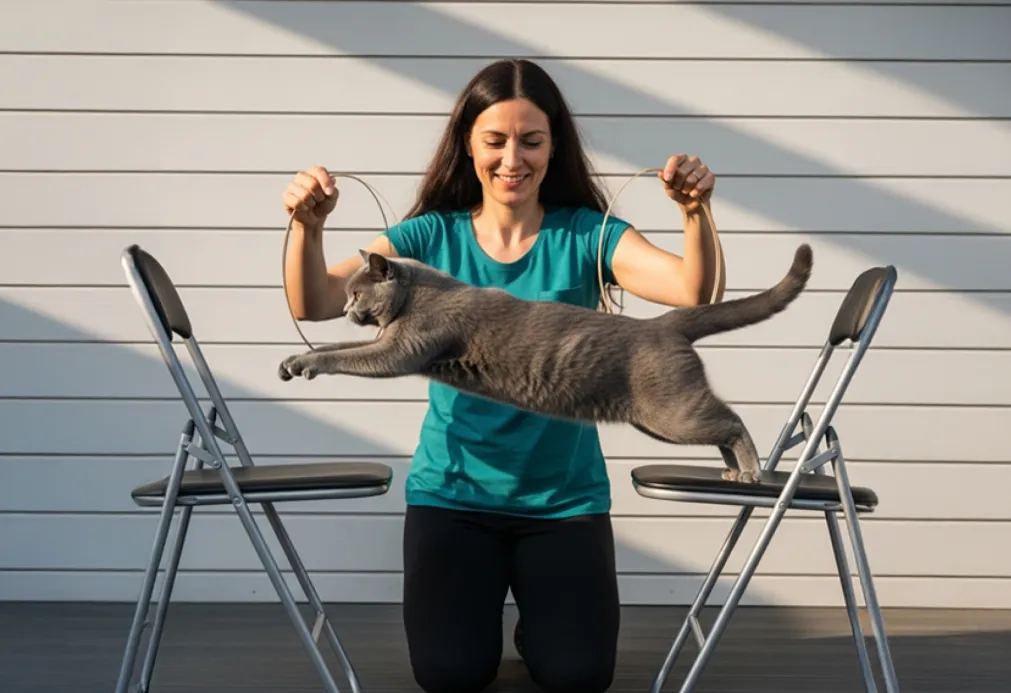
Credit: www.happypet.care
Frequently Asked Questions
How Long Does It Take To Train A Cat?
Training a cat usually takes several weeks to months. Consistency and patience are key. Short, regular sessions improve learning. Every cat learns at its own pace, so be patient and positive throughout the process.
What Are The Best Rewards For Cat Training?
Cats respond well to treats, praise, and play. Use small, tasty treats as positive reinforcement. Interactive toys also motivate cats. Choose rewards your cat loves to encourage good behavior consistently.
Can I Train A Cat To Stop Scratching Furniture?
Yes, redirect scratching to appropriate posts. Provide scratching posts near favorite spots. Reward your cat for using the post. Deterring furniture scratching with covers or sprays helps too. Patience is essential for success.
Is Clicker Training Effective For Cats?
Yes, clicker training works well for cats. It uses a sound to mark good behavior. Pair clicks with treats to reinforce actions. This method speeds learning and strengthens your bond with your cat.
Conclusion
Training a cat takes time and patience. Small steps work best. Reward good behavior with treats or praise. Stay calm and consistent every day. Cats learn by watching and repeating actions. Avoid punishment to keep trust strong. Enjoy the process and celebrate progress.
A well-trained cat feels happier and safer. Keep practicing, and results will follow. Your bond with your cat will grow. Training makes life easier for both. Simple habits bring lasting good behavior.
