

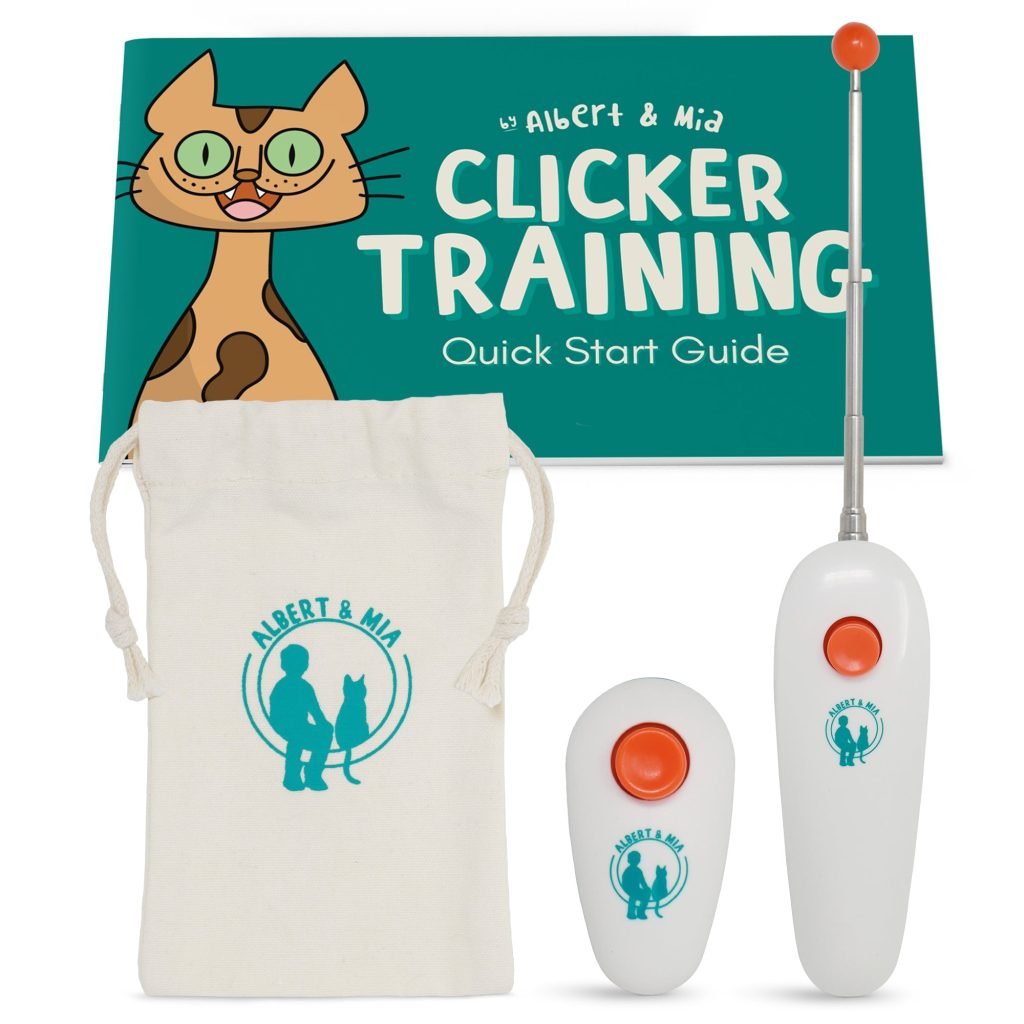
Have you ever wished your cat would listen to you more or learn new tricks without stress? Clicker training might be the answer you’re looking for.
This simple, fun method uses a small sound to help your cat understand exactly what behavior you want. Imagine turning everyday moments into chances to bond and communicate better with your furry friend. Keep reading to discover how clicker training can transform your relationship with your cat—and make training easy and enjoyable for both of you.

Credit: www.amazon.ca
Why Choose Clicker Training
Clicker training offers a positive way to teach cats new behaviors. It builds trust and clear communication between you and your cat. This method uses a simple sound, the clicker, to mark good behavior. It’s gentle, fun, and effective for cats of all ages.
Benefits For Cats And Owners
- Strengthens the bond between cat and owner
- Encourages mental stimulation for cats
- Reduces stress and anxiety in cats
- Makes training clear and easy to understand
- Allows owners to teach useful skills and tricks
- Improves cat’s confidence and behavior
How Clicker Training Works
The clicker produces a distinct sound. This sound marks the exact moment a cat does something right.
After the click, a reward follows, usually a treat or praise. The cat learns to connect the click with good things.
Repeated practice helps cats understand what is expected. It guides them to repeat good behavior more often.

Credit: www.catschool.co
Getting Started With Clicker Training
Starting clicker training with your cat can be a rewarding experience for both of you. It builds communication and trust, making learning fun and stress-free. Before you dive in, preparing the right tools and environment is key to success.
Selecting The Right Clicker
Not all clickers are created equal. Look for a clicker that produces a consistent, sharp sound that your cat can easily hear. Some clickers come with ergonomic designs, which make them easier to hold during training sessions.
If your cat seems startled or uninterested in the sound, try different clickers or even a small metal lid that makes a distinct click. The goal is a clear, repeatable sound that marks the exact moment your cat performs the desired behavior.
Setting Up A Training Space
Choose a quiet, distraction-free area where your cat feels comfortable. This could be a cozy corner of a room or a spot your cat naturally likes to hang out in. Consistency in location helps your cat associate the space with learning and rewards.
Keep the training space simple, with just a few treats and your clicker handy. Avoid overwhelming your cat with toys or other animals nearby, especially in the beginning. Your cat should focus solely on you and the training.
Timing And Patience
Timing is everything in clicker training. Click immediately when your cat does the behavior you want to encourage. Delays can confuse your cat about which action earned the reward.
Patience is your best tool. Some cats catch on quickly, while others need more time. Celebrate small wins and keep sessions short—about 5 to 10 minutes—to maintain your cat’s interest without causing frustration.
Have you noticed how your cat reacts to quick rewards versus delayed ones? Experimenting with timing can reveal a lot about your cat’s learning style.
Teaching Basic Commands
Teaching your cat basic commands with clicker training can transform how you interact with your furry friend. It builds clear communication and strengthens your bond. You’ll be amazed at how quickly your cat picks up simple commands when you use the right techniques.
Sit And Stay
Start by getting your cat’s attention with the clicker and a treat. Hold a treat just above their head and say “sit.” When your cat sits, immediately click and reward. Repeat this several times in short sessions to avoid frustration.
Once your cat consistently sits on command, introduce “stay.” Give the sit command, then take a small step back. If your cat remains seated, click and treat. Gradually increase distance and duration. This builds patience and control, useful for keeping your cat safe in busy areas.
Come When Called
Choose a quiet spot and call your cat’s name followed by “come.” When they move toward you, click and reward right away. Keep the tone cheerful and encouraging.
Practice calling your cat from different rooms and distances. This command is a lifesaver if your cat slips outside or hides in hard-to-reach places. Have you noticed how rewarding it is when your cat responds eagerly to your voice?
Using Target Training
Target training involves teaching your cat to touch a specific object, like a stick or your hand. Present the target and wait for your cat to show interest. The moment they touch it, click and reward.
This technique lets you guide your cat’s movements gently. You can lead them to a carrier, a specific spot, or even help with grooming. Target training opens up many possibilities for effective and stress-free communication with your cat.
Addressing Common Behavior Issues
Addressing common behavior issues with clicker training can transform your relationship with your cat. Instead of feeling frustrated, you gain tools to guide your pet gently and clearly. Clicker training taps into your cat’s natural learning ability, making it easier to change unwanted habits.
Reducing Scratching
Scratching is normal for cats, but it can damage your furniture. Use the clicker to reward your cat when it scratches appropriate items like a scratching post. Each time your cat uses the post, click and give a treat.
Try placing the scratching post where your cat usually scratches. This encourages your cat to switch focus. Have you noticed how your cat reacts when rewarded immediately? Timing is key to helping your cat learn.
Managing Aggression
Aggression can be scary for both you and your cat. Clicker training helps by rewarding calm and gentle behavior. If your cat stays calm when approached, click and treat right away.
Redirect aggressive actions by offering toys or play sessions after clicking. Avoid punishment, as it often increases fear or aggression. How do you currently calm your cat? Using positive reinforcement can change your cat’s response over time.
Stopping Unwanted Meowing
Excessive meowing can be exhausting. Clicker training teaches your cat to be quiet on cue. When your cat stops meowing, click and reward immediately.
Ignore meowing that demands attention to prevent reinforcing the behavior. Instead, click and treat only when your cat is calm and quiet. Have you tried rewarding silence before? It can quickly reduce noisy interruptions.
Advanced Clicker Training Techniques
Advanced clicker training techniques take your cat’s learning to the next level. Once your cat understands basic commands, you can challenge them with more complex tasks that stimulate their mind and body. These techniques deepen your bond and make daily interactions more rewarding.
Tricks And Agility
Teaching your cat tricks isn’t just fun—it’s a great way to keep their mind sharp. Use the clicker to mark every small step toward the trick, like paw taps or spins. Break down complex tricks into tiny actions and reward each one promptly.
Agility training can also be introduced through clicker training. Set up simple obstacle courses using household items and guide your cat through them. Reward confidently navigating each obstacle to build their confidence and physical coordination.
Using Clicker Training For Medical Care
Medical care can be stressful for cats, but clicker training can ease that tension. Train your cat to accept nail trims, ear cleaning, or medication by associating each step with a click and treat. Start with very small actions, like touching the paw, and gradually increase the task.
Have you noticed how your cat reacts differently when you approach with a carrier? Clicker training can help your cat remain calm and cooperative during vet visits. Reward calm behavior to build positive associations with medical routines.
Building Complex Behaviors
Complex behaviors are built by chaining simple actions together. For example, teaching your cat to fetch involves clicking for retrieving the toy, then for bringing it back. Practice each link separately before combining them to avoid confusion.
Patience is key here—you might need many short sessions to master a complex behavior. Are you ready to observe your cat’s unique learning pace and adapt your training accordingly? This approach strengthens communication and trust between you and your feline friend.
Troubleshooting Training Challenges
Training your cat with a clicker can be a rewarding experience, but it’s not without its challenges. Sometimes, your cat might lose focus or seem uninterested. Troubleshooting these issues quickly can keep your sessions productive and enjoyable for both of you.
Dealing With Distractions
Distractions can derail your training session faster than you expect. Cats are naturally curious, so noises, other pets, or even toys can pull their attention away.
Try to create a calm environment by training in a quiet room with minimal distractions. If your cat still gets distracted, pause and wait for them to settle before continuing. Have you noticed specific triggers that break your cat’s focus? Identifying these can help you manage them better.
Keeping Your Cat Motivated
Motivation is the fuel for successful training. If your cat loses interest, try changing the rewards. Sometimes, a favorite treat or a new toy can reignite their excitement.
Keep training sessions short and fun to prevent boredom. Cats respond well to variety, so mix up the tasks you ask them to do. What has been the most effective reward for your cat? Sharing ideas might inspire you to try something new.
Adjusting Training Methods
Not all cats learn the same way. If your current approach isn’t working, don’t hesitate to adjust your methods. You might need to slow down the pace or break tasks into smaller steps.
Observe your cat’s reactions closely. Are they confused or frustrated? Sometimes, changing the timing of your clicks or the type of reward can make a big difference. How flexible are you willing to be to suit your cat’s unique style?
Maintaining Long-term Success
Maintaining long-term success in clicker training your cat means staying consistent and patient. Training isn’t just about teaching tricks; it’s about building a lasting bond and clear communication. How can you keep your cat motivated and engaged over time? Let’s dive into some effective ways to make your training journey smooth and rewarding.
Regular Practice Tips
Short, frequent sessions work better than long, rare ones. Aim for 5 to 10 minutes daily to keep your cat’s attention sharp without overwhelming them.
Use the same clicker sound and reward system consistently. This helps your cat understand what to expect and feel secure in the learning process.
Mix up the behaviors you train to avoid boredom. If your cat masters “sit,” try “high five” next to keep things interesting and challenging.
Incorporating Training Into Daily Life
Turn everyday moments into training opportunities. Ask your cat to “sit” before feeding or “come” when you open the door.
Keep treats handy during playtime or grooming sessions. This reinforces positive behavior without needing a formal training setup.
Observe your cat’s mood and energy. If they seem distracted or tired, it’s better to pause and try again later rather than pushing through.
Celebrating Progress
Track small wins to stay motivated. Did your cat hold a “stay” for one extra second today? Celebrate it!
Use praise and gentle pets as rewards, not just treats. Your cat will appreciate the affection and attention as much as food.
Ask yourself: How has your cat’s behavior improved since starting training? Reflecting on progress helps you see the value in your efforts and encourages you to keep going.
:strip_icc()/spruce-pets-cat-clicker-training-5594c453bd7f499aa8e7cf756d485afc.png)
Credit: www.thesprucepets.com
Frequently Asked Questions
What Is Clicker Training For Cats?
Clicker training is a positive reinforcement method using a small sound device. It helps cats learn commands through rewards. This technique encourages good behavior and strengthens the bond between you and your cat.
How Do I Start Clicker Training My Cat?
Begin by introducing the clicker sound alongside treats. Click when your cat performs a desired action. Repeat consistently to build association between the click and reward.
How Long Does Clicker Training Take For Cats?
Training duration varies by cat’s personality and consistency. Some cats learn in days, others take weeks. Regular short sessions improve progress and maintain your cat’s interest.
Can Clicker Training Fix Behavioral Problems In Cats?
Yes, clicker training can address issues like scratching or jumping. It redirects behaviors through positive reinforcement. Patience and consistency are key to effective behavior modification.
Conclusion
Clicker training helps cats learn new behaviors quickly. It builds trust between you and your cat. Small, consistent sessions work best for training. Patience and praise keep your cat motivated. This method makes learning fun and easy. Try it to see positive changes soon.
Enjoy a stronger bond with your cat every day.
