

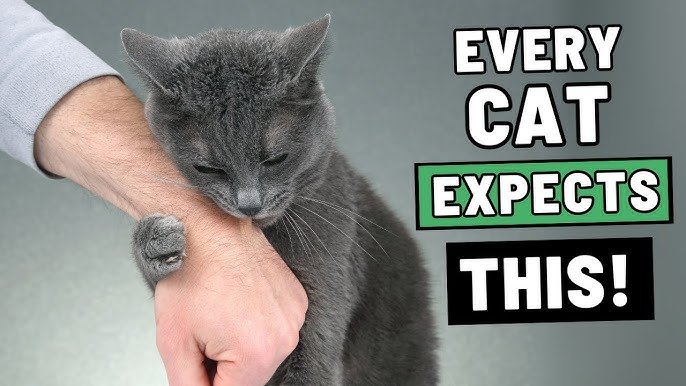
Training your cat might sound tricky, but it’s easier than you think. Imagine having a furry friend who listens, follows simple commands, and behaves well around guests.
You can make that happen. Whether you want to stop unwanted scratching or teach your cat fun tricks, this guide will show you how to connect with your pet in a whole new way. Keep reading, and discover simple steps that will turn your cat into a well-mannered companion you’ll love even more.
Choosing The Right Training Method
Choosing the right training method is key for teaching your cat new behaviors. Cats respond best to gentle, consistent techniques. Training should be fun and stress-free for both of you. Different cats may prefer different methods. Understanding these options helps you pick what fits your cat’s personality and your lifestyle.
Positive Reinforcement
Positive reinforcement means rewarding good behavior immediately. This encourages your cat to repeat the action. Use kind words, pets, or treats as rewards. Avoid punishments, as they can scare your cat. Training sessions should be short and frequent for better results.
Clicker Training
Clicker training uses a small device that makes a clicking sound. The click marks the exact moment your cat does something right. Follow the click with a treat to link the sound with a reward. This method builds clear communication between you and your cat.
Using Treats Effectively
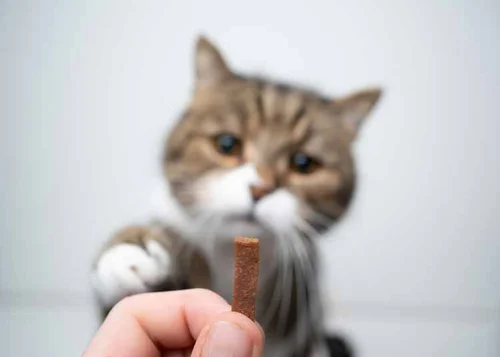
Treats are powerful tools for cat training. Choose small, tasty treats your cat loves. Offer treats only after the desired behavior. Avoid giving treats too often to keep them special. Use treats to motivate and focus your cat during training.
Credit: www.catschool.co
Setting Up A Training Routine
Setting up a training routine helps your cat learn better and faster. Cats respond well to clear and steady habits. A good routine builds trust and keeps your cat focused. It also makes training a calm and positive experience.
Start small and be patient. Practice daily so your cat remembers what to do. Choose a quiet spot without distractions. Keep sessions short to match your cat’s attention span. Consistency in timing and place makes a big difference.
Short And Frequent Sessions
Keep training sessions brief, about 5 to 10 minutes. Cats lose interest quickly. Short sessions help your cat stay alert and happy. Repeat sessions multiple times a day. This helps your cat learn step by step without stress.
Consistent Timing
Train your cat at the same times each day. Cats like routine and predictability. Pick moments when your cat feels calm and awake. Avoid training right after meals or during playtime. A regular schedule makes learning easier and faster.
Creating A Quiet Space
Choose a quiet room or corner for training. Remove loud noises and distractions like TV or other pets. A calm place helps your cat focus on commands. Keep toys and treats nearby to reward good behavior. A peaceful space makes training more effective and fun.
Basic Commands For Cats
Training cats may seem tricky, but it is possible to teach them basic commands. Cats respond well to patience, repetition, and rewards. Teaching simple commands helps build a bond between you and your cat. It also makes daily life easier and safer for both of you.
Teaching ‘come’
Start by choosing a quiet place with few distractions. Call your cat’s name clearly, then say “come” in a friendly tone. Use treats or toys to encourage your cat to approach. When your cat comes, give a reward immediately. Repeat this often in short sessions. Keep training positive and fun.
Training To Sit
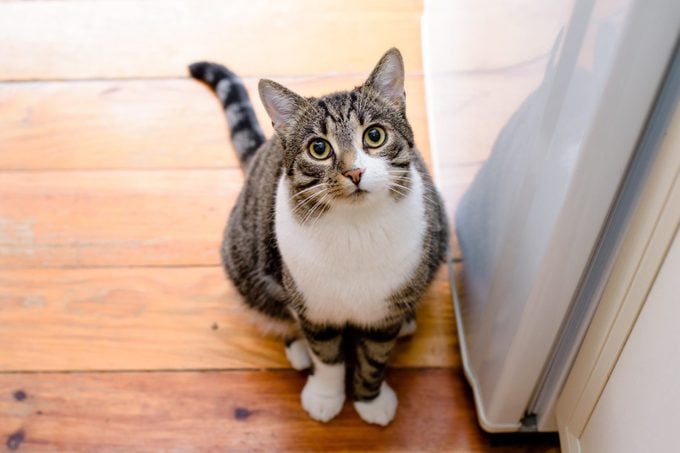
Hold a treat close to your cat’s nose. Slowly move the treat above their head. Most cats will naturally sit to follow the treat with their eyes. Once sitting, say “sit” and give the treat as a reward. Practice this several times daily. Use a calm voice and be patient.
Litter Box Habits
Place the litter box in a quiet, accessible spot. Show your cat the box after meals or naps. Gently place your cat inside the box if they seem restless. Praise and reward after successful use. Keep the box clean to encourage good habits. Consistency helps your cat learn quickly.
Dealing With Common Challenges
Training a cat is rewarding but not without challenges. Cats have unique personalities and moods that affect learning. Patience and understanding help overcome these common hurdles. Adjust your approach to suit your cat’s needs and environment.
Handling Distractions
Distractions can stop your cat from focusing during training. Loud noises, other pets, or toys may draw attention away. Choose a quiet, calm space for sessions. Remove toys and close doors to limit interruptions. Keep sessions short to maintain your cat’s interest. Use treats or favorite toys to bring attention back.
Managing Cat’s Mood
Cats may feel playful, tired, or grumpy during training. Watch for signs like tail flicking or ears back. Stop training if your cat seems upset or restless. Try again later when your cat is calm and relaxed. Positive energy helps your cat learn faster. A happy mood makes training more effective and fun.
Avoiding Punishment
Punishment can harm your cat’s trust and slow learning. Never yell or hit your cat. Use gentle guidance and rewards instead. Ignore unwanted behaviors rather than punishing them. Reward good behavior with treats or affection. Positive reinforcement builds a stronger bond and encourages learning.
Advanced Training Tips
Advanced training takes your cat’s skills beyond basic commands. It strengthens your bond and keeps your cat active. Advanced tips need patience and clear signals. Small, consistent sessions work best. Cats learn by repetition and reward.
Teaching Tricks
Start with simple tricks like high-five or spin. Use a clear, short command for each trick. Show the behavior, then reward immediately. Keep sessions under 10 minutes to hold attention. Repeat often and praise your cat for trying. Tricks boost your cat’s confidence and mental health.
Using Toys As Motivation
Toys make training fun and engaging. Use your cat’s favorite toy to reward good behavior. Move the toy to guide your cat’s actions. Switch between different toys to keep interest high. Avoid overusing treats alone; toys prevent weight gain. Playtime after training helps your cat relax.
Training Multiple Cats
Train each cat separately at first. Cats learn differently and need individual attention. Use separate toys and treats to avoid fights. Watch each cat’s pace and adjust training accordingly. Reward good behavior around other cats to build harmony. Group training can come later, with patience and care.
Credit: www.latimes.com
Maintaining Training Success
Keeping your cat’s training on track takes more than just initial effort. Consistency and patience are key to making sure your cat remembers what you’ve taught and stays motivated. Let’s look at how you can maintain training success in ways that fit both your lifestyle and your cat’s personality.
Regular Practice
Practice makes habits stick, even for cats. Short, frequent sessions work best—try to spend a few minutes each day reinforcing commands or tricks. This keeps your cat engaged without overwhelming them.
If you skip training for too long, your cat may forget what they learned or lose interest. Have you noticed how your cat responds when you suddenly stop practicing? Their reaction can guide you on when to step up the training again.
Rewarding Good Behavior
Rewards are powerful motivators. Use treats, praise, or playtime to celebrate when your cat follows a command correctly. This positive feedback makes your cat want to repeat good behavior.
Be mindful to reward immediately after the action to help your cat connect the dots. Over time, try mixing rewards to keep your cat curious and eager. What unique treat or toy does your cat love the most?
Adjusting Techniques Over Time
Every cat is different, and what works today might need tweaking tomorrow. Pay attention to your cat’s mood and responsiveness. If they seem bored or frustrated, switch up your approach.
For example, if treats aren’t motivating anymore, try a favorite toy instead. Or if your cat prefers quieter environments, train in a calm room. Are you ready to experiment with new methods to keep your cat engaged?
Credit: www.rd.com
Frequently Asked Questions
How Long Does It Take To Train My Cat?
Training a cat can take from a few days to several weeks. Consistency and patience are key. Short daily sessions work best. Cats learn through repetition and positive reinforcement, so keep training fun and rewarding.
What Are The Best Methods To Train A Cat?
Use positive reinforcement like treats and praise. Clicker training is also effective. Avoid punishment as it can cause fear. Focus on rewarding good behavior to encourage learning and bonding.
Can I Train My Cat To Use The Litter Box?
Yes, most cats learn quickly to use a litter box. Place the box in a quiet area. Keep it clean and accessible. Reward your cat immediately after use to reinforce this habit.
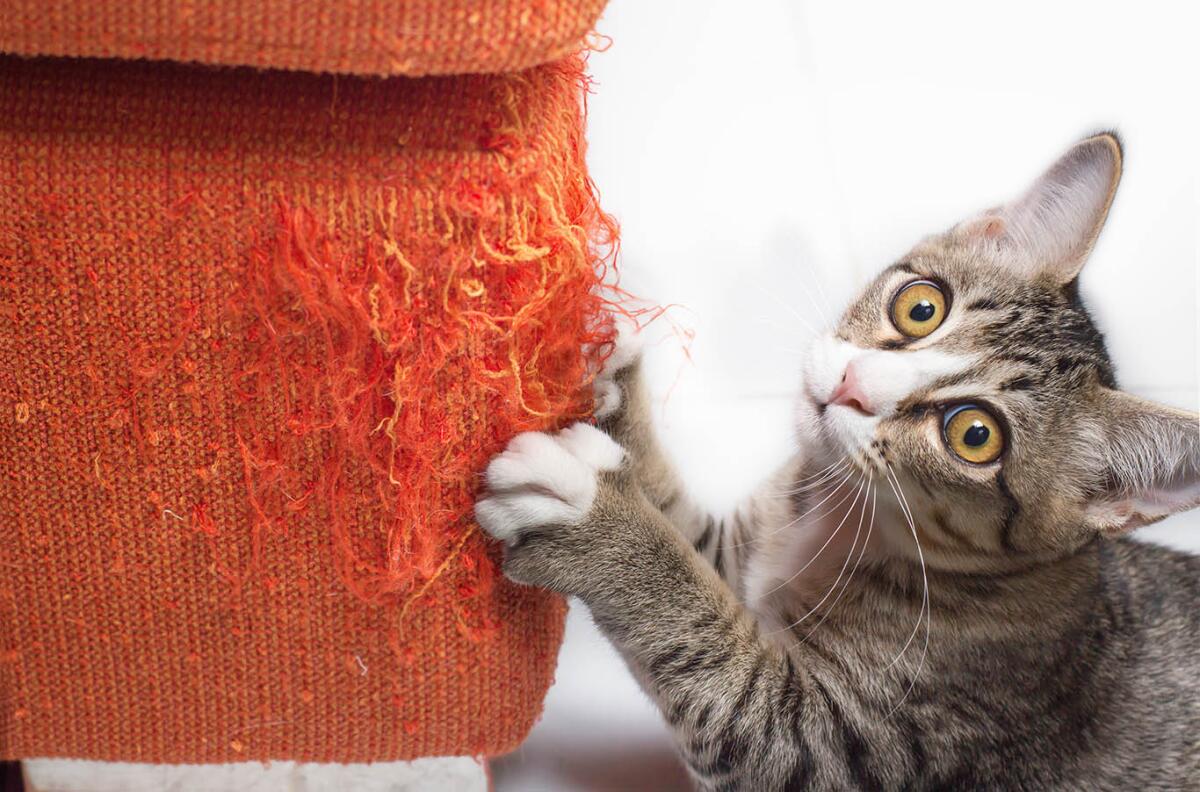
How Do I Stop My Cat From Scratching Furniture?
Provide scratching posts near favorite spots. Use deterrents like double-sided tape on furniture. Reward your cat for using the scratching post. Consistent redirection helps change this behavior over time.
Conclusion
Training your cat takes time and patience. Use treats and praise to encourage good behavior. Keep sessions short and fun to hold your cat’s interest. Stay consistent with commands and routines every day. Remember, every cat learns at its own pace.
Enjoy the process and build a strong bond with your pet. Training helps your cat stay happy and healthy. Small steps lead to great progress. Keep trying, and celebrate each success along the way. Your efforts will make life better for both you and your cat.
