

Imagine never having to scoop a litter box again. Sounds amazing, right?
Toilet training your cat can make that dream a reality. But you might wonder, is it really possible? And how do you start without stressing your furry friend? You’ll discover simple, effective steps to help your cat use the toilet like a pro.
By the end, you’ll feel confident and ready to take this exciting step with your pet. Keep reading to learn how to make toilet training easy and stress-free for both you and your cat.
Credit: kmccberwick.ca
Benefits Of Toilet Training Cats
Toilet training cats offers several important benefits for both pets and owners. It improves cleanliness around the home and helps maintain a healthier environment for your cat. The process also cuts down on some costs and reduces waste that harms the planet. These advantages make toilet training a smart choice for many cat owners.
Health And Hygiene Improvements
Toilet training helps keep your home cleaner. It reduces litter dust and odors that can cause allergies. Cats also avoid contact with dirty litter, lowering infection risks. A cleaner environment supports your cat’s well-being and comfort.
Cost Savings Over Time
Using the toilet cuts down on litter expenses. You buy less or no litter at all. This saves money month after month. Fewer litter changes mean less cleaning time too. Overall, toilet training reduces routine pet care costs.
Environmental Impact Reduction
Less litter means less waste in landfills. It also lowers the demand for litter production. This saves natural resources and reduces pollution. Toilet training is a small step that helps protect the environment. It makes your pet care greener and more eco-friendly.

Credit: www.walmart.com
Choosing The Right Cat For Training
Choosing the right cat for toilet training is a key step. Not every cat adapts easily to this unique skill. Success depends on the cat’s personality, age, and natural behavior. Picking a suitable cat can make training smoother and less stressful for both of you.
Age And Temperament Factors
Young cats and kittens often learn new habits faster. Their curiosity helps them explore toilet training tools. Older cats may take longer but can still learn with patience. Calm and confident cats usually respond well to training. Nervous or shy cats might resist changes in their routine.
Breed Considerations
Some cat breeds show more intelligence and adaptability. Breeds like Siamese and Abyssinians tend to be quick learners. Others may be more independent and less interested in training. Mixed-breed cats can also succeed, depending on their personality. Understanding breed traits helps set realistic training goals.
Assessing Your Cat’s Readiness
Look for signs your cat is ready to start toilet training:
- Shows interest in the bathroom area.
- Uses the litter box consistently without accidents.
- Is comfortable around new objects and noises.
- Responds positively to gentle guidance.
Testing these signs gives a good idea if your cat can handle the change. Patience and attention to your cat’s needs improve training results.
Essential Supplies And Setup
Setting up the right supplies is key for successful cat toilet training. The right tools make the process easier and less stressful. Creating a calm and safe space helps your cat adapt quickly. This section covers the essential supplies and setup tips.
Toilet Training Kits
Toilet training kits offer all needed items in one package. They usually include:
- A training seat that fits on the toilet bowl
- Removable trays for gradual adjustment
- Instructions for step-by-step training
These kits help your cat learn by slowly changing their routine. They reduce mess and confusion during training.
Preparing The Bathroom Environment
Choose a quiet bathroom with minimal distractions. Keep the area clean and dry. Remove any strong smells that might confuse your cat.
Make sure the toilet seat is stable and easy for your cat to access. Place a non-slip mat nearby for safety and comfort. Keep the bathroom door open or easy to open for your cat.
Safety Precautions
Always supervise your cat during early training stages. Avoid leaving the toilet lid open without supervision. Watch for signs of stress or discomfort.
Check that the toilet seat and training kit are securely installed. Prevent your cat from falling into the toilet water. Ensure the bathroom floor is dry to avoid slips.
Keep cleaning products out of reach to protect your cat’s health.
Step-by-step Training Process
Training a cat to use the toilet takes patience and consistency. Breaking down the process into clear steps helps both you and your cat adjust smoothly. This step-by-step guide outlines how to guide your cat from the litter box to the toilet comfortably and safely.
Gradual Litter Box Movement
Start by moving the litter box closer to the bathroom. Move it a few inches every day. This helps your cat get used to the new location. Keep the box stable and easy to access. Watch your cat’s behavior to ensure comfort.
Introducing The Training Seat
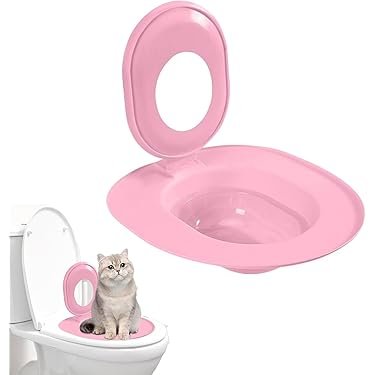
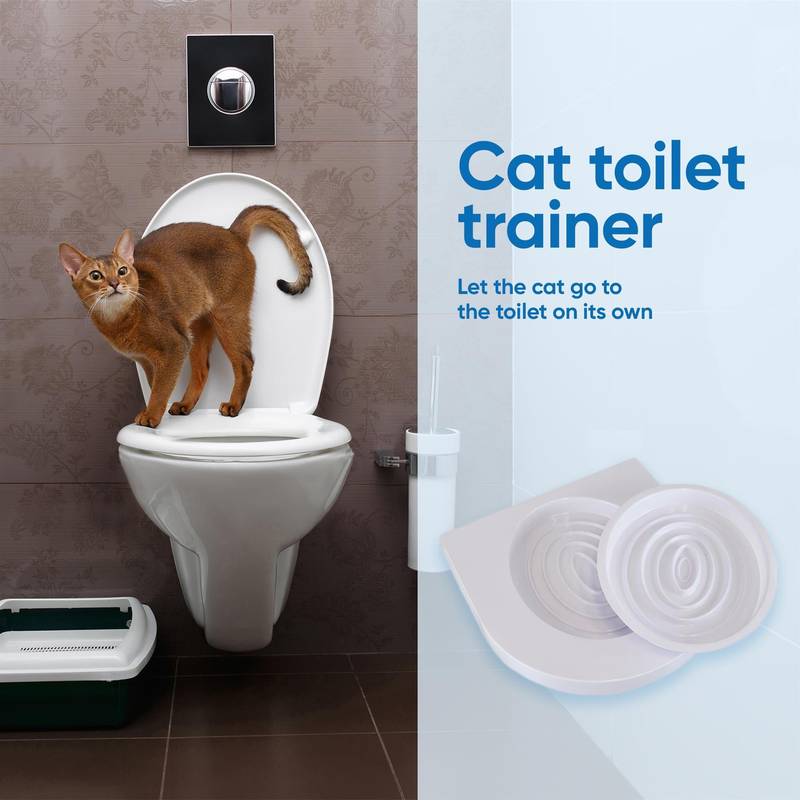
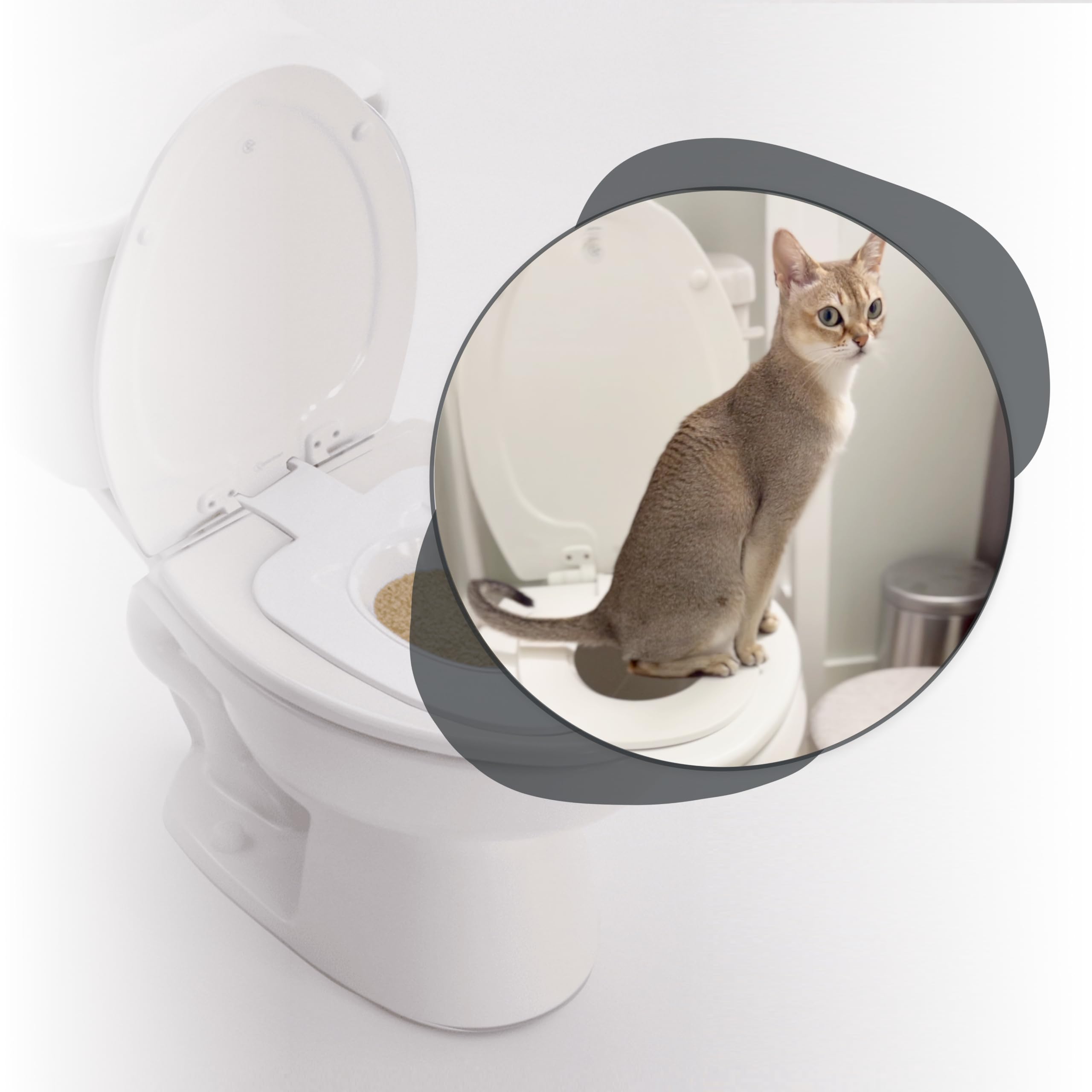
Place a training seat over the toilet. It looks like a small litter box that fits on the toilet seat. Fill it with litter at first. Let your cat explore and sit on it. This step helps your cat get used to the toilet’s shape and height.
Reducing Litter Use
Gradually reduce the amount of litter in the training seat. Use less litter every few days. This encourages your cat to balance on the seat without digging. Keep praising your cat for using the seat. Avoid sudden changes to prevent stress.
Final Transition To Toilet
Remove the training seat once your cat is comfortable. Encourage your cat to use the toilet seat directly. Keep the toilet lid up and the seat down. Clean the toilet regularly to avoid odors. Praise your cat often to reinforce good behavior.
Common Challenges And Solutions
Toilet training cats can be tricky. Many cat owners face common challenges during the process. Understanding these issues helps find practical solutions. Patience and consistency play key roles in success.
Fear And Resistance
Cats may feel scared or unsure about the toilet. The sound of flushing can frighten some cats. They may resist using the toilet at first.
To ease fear:
- Introduce the toilet gradually with a training seat.
- Let the cat explore the new setup without pressure.
- Use treats and praise to encourage positive behavior.
- Avoid sudden changes to the cat’s routine.
Accidents And Setbacks
Accidents happen even with well-trained cats. Setbacks can occur due to stress or illness. Clean accidents quickly to remove odors.
To handle accidents:
- Stay calm and avoid punishment.
- Return the cat to the training process gently.
- Monitor health to rule out medical problems.
- Keep the training area clean and inviting.
Dealing With Multiple Cats
Training several cats adds complexity. Each cat may react differently to the toilet training.
Strategies for multiple cats:
- Train cats one at a time if possible.
- Ensure enough litter boxes remain available.
- Observe each cat’s progress closely.
- Keep separate training areas if needed.
Maintaining Success Long-term
Keeping your cat successfully toilet trained over the long term takes ongoing attention. It’s not just about reaching the goal but maintaining it day after day. Small habits and careful observation help you avoid setbacks and keep your cat comfortable with their new routine.
Regular Cleaning Habits
Even though your cat uses the toilet, cleanliness still matters. Make sure to clean the toilet seat regularly to prevent odors and keep it inviting for your cat.
Use mild, pet-safe cleaners to avoid harsh chemicals that might discourage your cat from using the toilet. A clean environment encourages your cat to stick with the habit.
Monitoring Cat Behavior
Watch for any changes in your cat’s bathroom habits. If you notice hesitation or accidents, it could signal discomfort or stress.
Pay close attention to signs like sniffing around the floor or avoiding the toilet. These clues can help you catch problems early before they become habits.
Adjusting For Life Changes
Life changes like moving homes, new pets, or health issues can affect your cat’s toilet training. Be ready to support your cat through these transitions.
If your cat regresses, gently guide them back to using the toilet without punishment. Patience and understanding during these times make a big difference.
Alternatives To Toilet Training
Toilet training your cat might seem like the ultimate goal, but it’s not the only way to keep your home clean and your feline happy. Many cat owners find that alternatives to toilet training offer easier, less stressful solutions. These options can fit better with your cat’s natural habits and your lifestyle.
Advanced Litter Boxes
Advanced litter boxes have come a long way in making cleanup simpler and more efficient. Self-cleaning litter boxes, for instance, automatically sift waste into a sealed compartment, reducing odor and the need for frequent scooping.
Some models even monitor your cat’s health by tracking litter box usage and alerting you to changes. Have you considered how much time you could save with a high-tech litter box?
- Automatic scooping reduces daily maintenance.
- Odor control features keep your space fresh.
- Health monitoring can catch problems early.
Outdoor Solutions
If your cat enjoys the outdoors, providing a dedicated outdoor toilet area might be a perfect alternative. A small, fenced-in space with soft soil or sand can encourage natural digging and elimination habits.
This setup minimizes indoor mess and can be a great way to connect your cat with nature safely. Think about whether your outdoor environment is secure enough for your cat’s safety and comfort.
- Designate a specific spot to train your cat outdoors.
- Use natural materials like soil or sand for comfort.
- Ensure the area is safe from predators and traffic.
Professional Training Services
Sometimes, expert help makes all the difference. Professional trainers can guide you through behavioral challenges and customize a plan that suits your cat’s needs.
They often use gentle, reward-based techniques that respect your cat’s pace. Would investing in professional guidance bring quicker, less frustrating results for you and your pet?
- Receive personalized advice tailored to your cat.
- Learn effective, stress-free training methods.
- Gain support for persistent behavioral issues.
Credit: www.amazon.com
Frequently Asked Questions
How Long Does Cat Toilet Training Take?
Cat toilet training usually takes 4 to 8 weeks. Consistency and patience are key to success. Some cats learn faster, while others need more time.
What Supplies Do I Need For Toilet Training Cats?
You need a special training seat, flushable litter, and patience. Gradually reduce litter use while moving the seat closer to the toilet.
Can All Cats Be Toilet Trained?
Most cats can be trained, but some resist changes. Age, personality, and past habits affect success. Start early for best results.
Is Toilet Training Safe For Cats?
Yes, if done properly. Avoid forcing your cat and keep the seat stable. Always monitor your cat’s comfort during training.
Conclusion
Training your cat to use the toilet takes patience and time. Each cat learns at its own pace. Celebrate small successes and stay consistent every day. Remember, some cats may prefer a litter box. Choose what suits your pet best.
A clean toilet habit keeps your home fresh and tidy. Enjoy the process and bond with your cat. Toilet training can be a helpful skill for both of you. Keep trying, and stay positive throughout the journey.
