

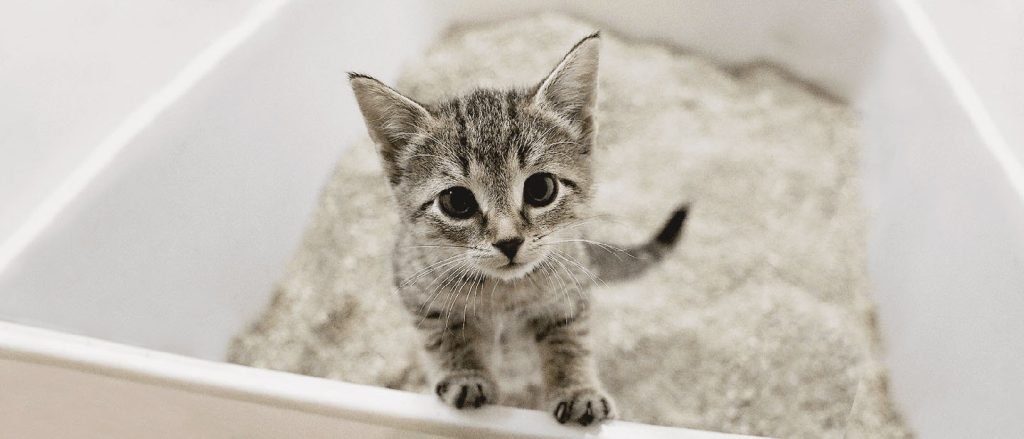
Getting your cat to use the litter box might seem tricky, but it doesn’t have to be. Imagine a home where your cat’s bathroom habits are clean, simple, and stress-free for both of you.
You can make this happen with the right approach. If you’ve ever felt frustrated by messes outside the box, you’re not alone—and the good news is, training your cat to use the litter box is easier than you think. Keep reading, and you’ll discover clear, practical steps to guide your cat toward good litter habits quickly and smoothly.
Choosing The Right Litter Box
Choosing the right litter box plays a crucial role in training your cat to use it consistently. The right box makes your cat feel comfortable and encourages good habits. Let’s look at what you should consider to find the perfect litter box for your furry friend.
Size And Type Options
Your cat’s size matters a lot when picking a litter box. A box that’s too small can make them avoid using it altogether. Make sure the box is large enough for your cat to turn around easily and dig comfortably.
There are different types to choose from:
- Open boxes:Easy to access and clean, but can spread litter outside.
- Covered boxes:Provide privacy but can trap odors and may feel cramped.
- Self-cleaning boxes:Great for busy owners, but some cats don’t like the noise.
Think about your cat’s personality. Does your cat like privacy, or prefer an open space? Your choice can make a big difference.
Location Matters
Where you place the litter box can impact how quickly your cat learns to use it. Cats prefer quiet, low-traffic areas where they feel safe. Avoid noisy or busy spots like near washing machines or doorways.
Consider placing the box near where your cat spends most of its time but away from their food and water. Cats dislike having their bathroom close to their eating area. Could your cat’s reluctance be due to the box’s spot?
Lid Or No Lid
Deciding between a lid or no lid depends on your cat’s habits. Some cats love the privacy a covered box offers, while others feel trapped and avoid it. You might need to try both to see what your cat prefers.
Lids help contain odors and litter scatter but can limit airflow. If your cat has respiratory issues, an open box might be better. How does your cat react when using different types?
Selecting The Best Litter
Choosing the right litter is a crucial step in teaching your cat to use the litter box. The type of litter you select can make a big difference in how quickly your cat adapts. Pay close attention to the litter’s texture, scent, and whether it clumps, as these factors directly affect your cat’s comfort and your cleaning routine.
Texture And Material
Cats have sensitive paws, so the texture of the litter matters a lot. Some cats prefer fine, soft granules, while others like a coarser feel. Clay-based litters are common and affordable, but natural options like corn, wheat, or pine might appeal more if you want something eco-friendly.
Think about your cat’s preferences. If your cat avoids the litter box, it could be because the texture feels strange or uncomfortable. Testing a few types can help you find the perfect match.
Scented Vs Unscented
Scented litters mask odors, but they can be overwhelming or even off-putting to some cats. Cats have a strong sense of smell, and strong fragrances might discourage them from using the box. Unscented litters tend to be safer for sensitive noses and reduce the risk of allergies.
Have you noticed your cat avoiding the litter box after switching brands? The scent could be the culprit. Try unscented options first and observe your cat’s reaction carefully.
Clumping Vs Non-clumping
Clumping litter makes cleaning easier since it forms solid clumps when wet. This helps you scoop out waste quickly and keeps the box fresh longer. Non-clumping litters absorb moisture but require more frequent complete changes.
If you want to save time and keep the box smelling good, clumping litter might be best. However, some cats prefer non-clumping types because they feel softer underfoot. Which would fit your lifestyle and your cat’s needs better?
Introducing The Litter Box
Introducing the litter box to your cat is the first step toward successful litter training. It sets the foundation for your cat’s bathroom habits and comfort. The way you present the litter box can make a big difference in how quickly your cat learns to use it.
Familiarizing Your Cat
Start by letting your cat see and sniff the litter box without any pressure. Place it in a quiet, accessible spot where your cat spends time. You might notice your cat showing curiosity or even stepping inside—this is a good sign they’re getting comfortable.
Spend some time near the box, petting or talking softly to your cat to create positive associations. Have you noticed how cats respond better when they feel calm and unhurried? Take advantage of this natural curiosity to build trust.
Initial Placement Tips
Choosing the right location is crucial. Avoid busy or noisy areas like near washing machines or high-traffic hallways. Cats prefer privacy, so a quiet corner or a small room works well.
Keep the box away from your cat’s food and water bowls, as cats dislike eliminating near their eating space. If you have multiple cats, consider having one litter box per cat plus one extra to prevent territorial disputes.
Encouraging Exploration
Encourage your cat to explore the litter box by gently placing them inside after meals or naps. You can also use a clean litter that mimics natural soil textures to attract them.
If your cat avoids the box, try sprinkling a small amount of their waste in the box to guide them. Watch how your cat interacts with the box—are they hesitant or curious? Adjust your approach based on their reactions.
Establishing A Routine
Establishing a routine is key to helping your cat get comfortable using the litter box. Cats thrive on consistency, and setting clear patterns around feeding and bathroom breaks makes training smoother. When you create predictable habits, your cat knows what to expect and when, reducing accidents and confusion.
Regular Feeding Times
Feed your cat at the same times every day. This helps regulate their digestive system and creates natural windows when they’ll need to use the litter box. For example, if you feed your cat at 7 a.m. and 7 p.m., you can anticipate bathroom needs shortly after those times.
Have you noticed how your own bathroom habits align with meal times? Cats work similarly, so sticking to a schedule makes a big difference.
Post-meal Litter Visits
Encourage your cat to visit the litter box after eating. Right after a meal, gently place them in the box to build a connection between eating and bathroom time. This simple action can reduce the chances of your cat going elsewhere.
Try sitting quietly near the box for a few minutes to provide reassurance. Your calm presence can motivate your cat to use the litter box confidently.
Monitoring Behavior
Watch your cat closely for signs they need to go, like sniffing or scratching around. Catching these early allows you to guide them to the litter box before accidents happen. Keep a journal if needed, noting times your cat shows these behaviors to refine your routine.
Have you ever caught your cat in the act and gently moved them to the litter box? That moment can be a breakthrough in training, showing your cat exactly where to go.
Positive Reinforcement Techniques
Positive reinforcement techniques help your cat learn good habits quickly. These methods focus on rewarding your cat for using the litter box. Rewards encourage your cat to repeat the behavior. This approach builds trust and makes training stress-free for your pet.
Using Treats And Praise
Give your cat a small treat right after it uses the litter box. Choose treats your cat loves but in small amounts. Along with treats, offer gentle praise in a calm voice. Say words like “good kitty” or “well done.” This shows your cat that it did something right. Immediate rewards link the good behavior with positive feelings.
Avoiding Punishment
Never punish your cat for accidents outside the litter box. Punishment can cause fear and confusion. It may make your cat hide or stop using the litter box. Instead, gently clean the area without scolding. Focus on rewarding good litter box use. Patience and kindness help your cat learn better than punishment.
Consistency In Rewards
Always reward your cat every time it uses the litter box correctly. Consistency helps your cat understand what you expect. Use the same treats and praise every time. Avoid skipping rewards, even if your cat is almost trained. This steady encouragement strengthens the habit. Over time, your cat will use the litter box on its own.
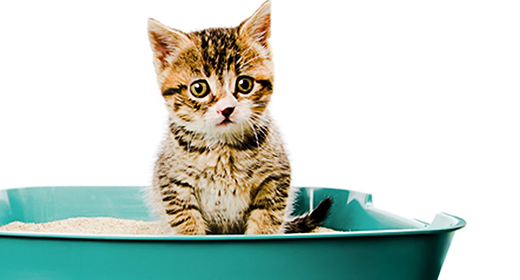
Credit: www.iams-india.com
Handling Common Challenges
Training a cat to use the litter box can sometimes bring challenges. These problems can cause frustration for both you and your cat. Handling these issues patiently helps your cat learn better habits. Understanding common challenges lets you find simple solutions fast. Here are some tips to deal with usual problems during litter box training.
Accidents Outside The Box
Accidents happen even with well-trained cats. Clean the area thoroughly to remove smells. Use an enzymatic cleaner to stop your cat from returning there. Check the litter box for cleanliness; cats avoid dirty boxes. Try changing the litter type or box location. Offer praise and treats when your cat uses the box.
Fear Or Anxiety Issues
Fear can stop a cat from using the litter box. Loud noises or new surroundings may cause anxiety. Place the box in a quiet, safe spot. Avoid sudden changes around the litter area. Use gentle tones and calm movements near your cat. Provide hiding places to make your cat feel secure.
Multiple Cats And Litter Boxes
Multiple cats need more than one litter box. Follow this simple rule: one box per cat, plus one extra. Keep boxes in different areas to reduce competition. Clean boxes often to prevent territorial disputes. Watch your cats for signs of stress or bullying. Separate cats during litter time if needed to avoid conflicts.
Maintaining Cleanliness
Keeping the litter box clean is key to training your cat to use it properly. Cats prefer a tidy space to do their business. A clean box helps prevent accidents outside the box and keeps your home fresh. Consistency in cleaning shows your cat that the box is a safe and pleasant place.
Daily Cleaning Habits
Remove clumps and waste from the litter box every day. Use a scoop with small holes to catch solid waste and clumps. Dispose of the waste in a sealed bag to avoid odors. Stir the remaining litter to keep it fresh and prevent hard spots. Check the area around the box for any spills or litter tracking and clean it.
Deep Cleaning Methods
Clean the litter box thoroughly once a week. Empty all the litter into a trash bag. Wash the box with warm water and mild soap. Avoid strong chemicals or bleach, as they can repel cats. Rinse the box well to remove soap residue. Dry the box completely before adding new litter. This deep clean removes odors and bacteria that daily cleaning misses.
Replacing Litter And Boxes
Change the litter completely every 1-2 weeks depending on the number of cats. Choose a litter your cat likes, avoiding scented or dusty types. Replace the litter box if it becomes scratched or retains odors. Old boxes can discourage cats from using them. Provide enough boxes for multiple cats—one box per cat, plus one extra is ideal. Fresh litter and clean boxes encourage your cat to keep using the litter box happily.
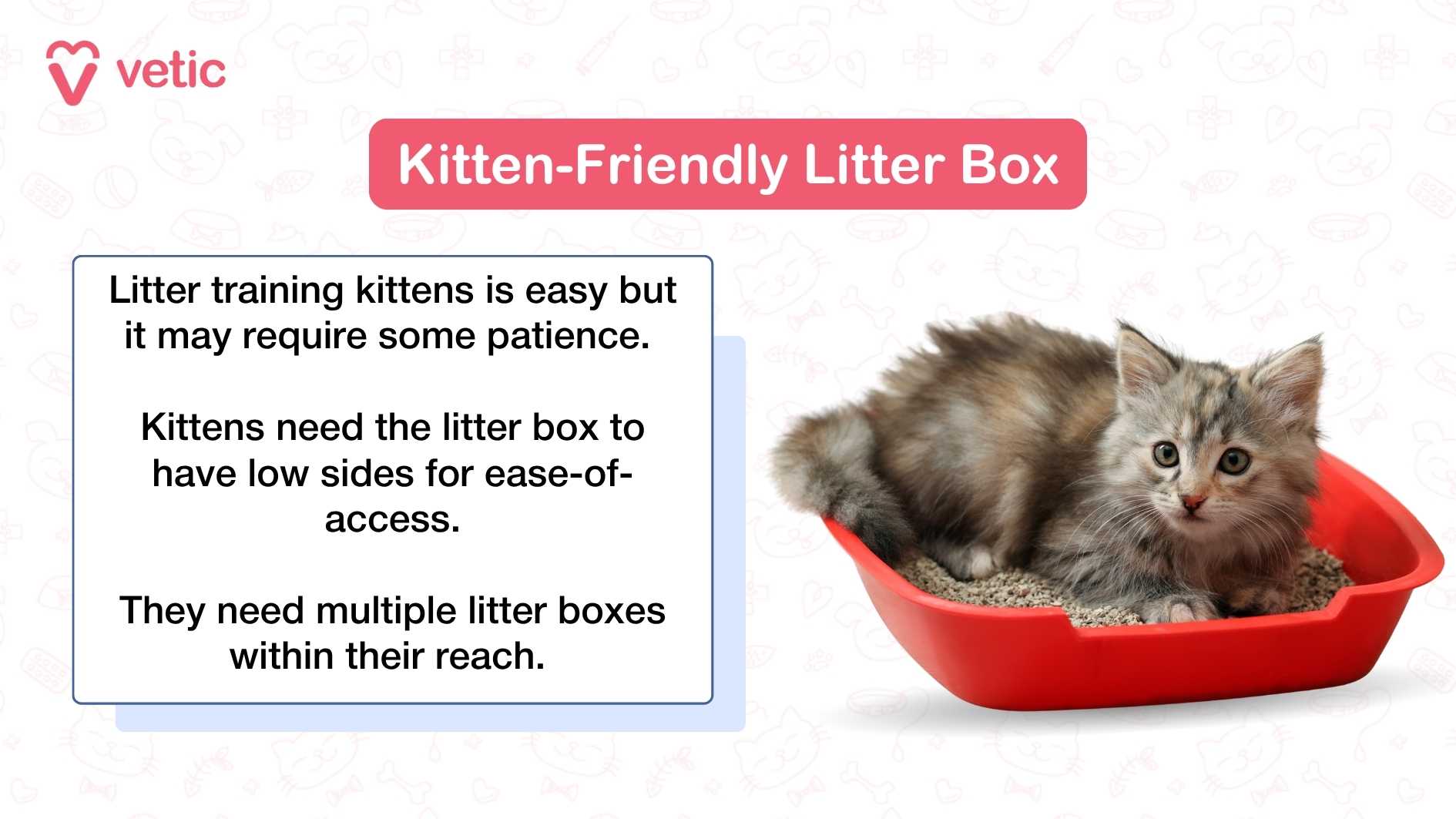
Credit: vetic.in
When To Seek Veterinary Advice
Knowing when to seek veterinary advice is important if your cat struggles with litter box training. Some issues may signal health problems or deep behavioral concerns. Early professional help can prevent bigger challenges.
Signs Of Health Problems
Changes in litter box habits can point to health issues. Watch for signs like:
- Frequent urination or straining
- Blood in urine or stool
- Sudden loss of appetite or weight
- Excessive licking of the genital area
- Visible pain or discomfort
These symptoms need prompt veterinary evaluation. Untreated health problems may worsen and affect litter habits.
Behavioral Concerns
Sometimes cats avoid the litter box due to stress or anxiety. Notice if your cat:
- Urinates outside the box after a move or change
- Shows aggression or hiding behavior
- Has inconsistent litter box use
Behavioral issues can require medical checks to rule out physical causes. A vet can offer advice or treatment options.
Professional Training Help
Persistent litter box problems may benefit from expert training. Vets can refer you to animal behaviorists or trainers. Professional help offers tailored plans for your cat’s needs.
Early intervention improves success and keeps your cat healthy and happy. Don’t hesitate to ask for help.
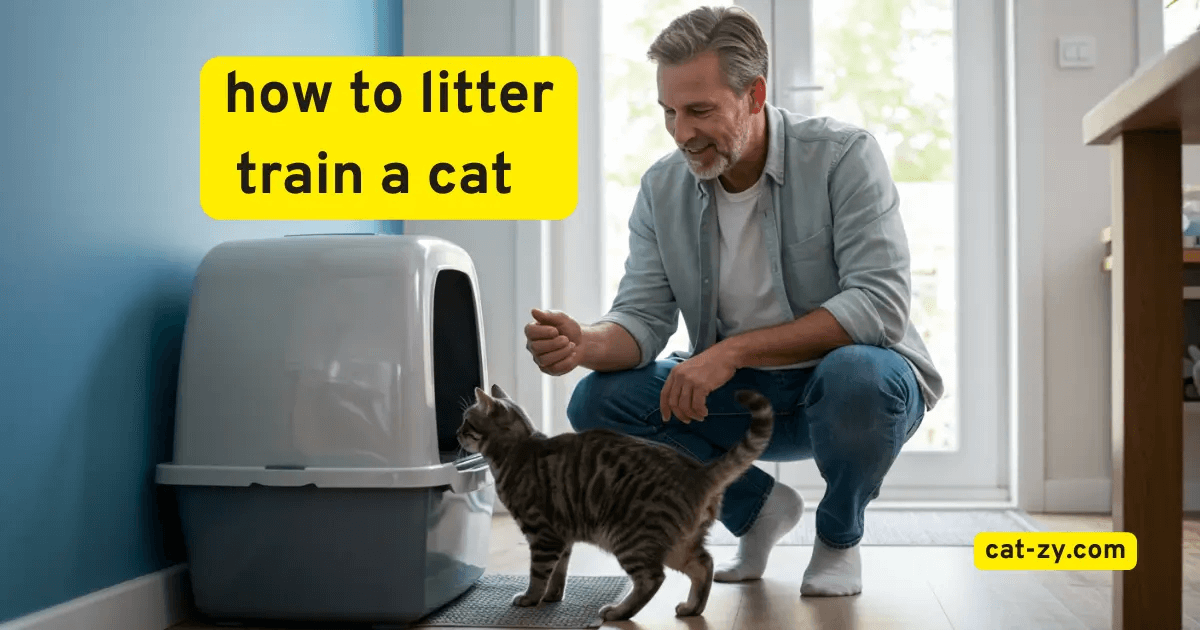
Credit: medium.com
Frequently Asked Questions
How Long Does It Take To Train A Cat To Use Litter Box?
Training usually takes one to two weeks with consistency. Patience and positive reinforcement speed up the process.
What Type Of Litter Is Best For Cat Training?
Unscented, clumping litter is ideal. It mimics natural soil and is gentle on cat’s paws.
How Often Should I Clean The Cat’s Litter Box?
Clean the litter box daily to prevent odors and encourage use. Replace litter completely once a week.
Can Kittens Learn To Use A Litter Box Easily?
Yes, kittens learn quickly with guidance. Start training when they are about 3-4 weeks old for best results.
Conclusion
Training a cat to use the litter box takes time and patience. Start with a clean, quiet spot for the box. Praise your cat when it uses the box correctly. Watch for signs that your cat needs to go. Keep the litter fresh and scoop daily.
Remember, accidents can happen—stay calm and try again. With steady care, your cat will learn good habits. A happy cat means a happy home. Simple steps lead to great results. Keep trying, and your cat will get it soon.
