

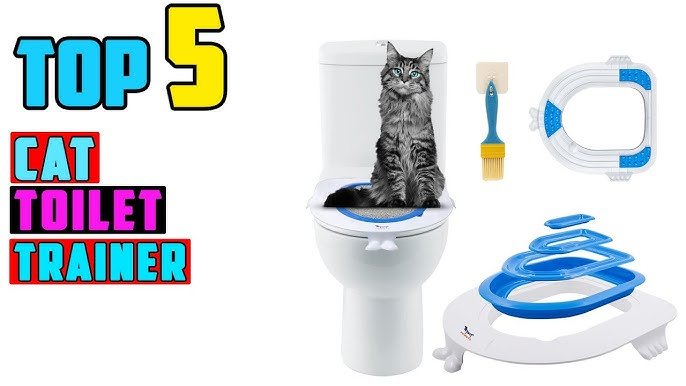
Training your cat to use the toilet might sound impossible, but it’s easier than you think—and it can save you time and hassle. Imagine never scooping litter again and having a cleaner home.
If you want to know the simple steps to make this happen, you’re in the right place. This guide will walk you through everything you need to know, so your cat can learn this impressive skill quickly and safely. Ready to change the way your cat handles bathroom time?
Let’s dive in!
Why Toilet Train Your Cat
Toilet training a cat offers many benefits for both pets and owners. It makes life cleaner and easier. Cats learn to use the toilet instead of a litter box. This reduces the need for constant cleaning and litter buying. It also helps keep the home smell-free. Toilet training can create a closer bond between you and your cat. It shows trust and patience during training.
This training can save space in your home. No more bulky litter boxes taking up room. It also reduces waste since litter is no longer needed. Toilet-trained cats can have better hygiene. Their paws stay clean without litter tracking. This can be especially helpful for cats with allergies or sensitive skin.
Reduces Cleaning Time And Effort
Cleaning a litter box takes time every day. Toilet training removes this chore completely. No more scooping or changing litter. The bathroom stays cleaner and fresher. You spend less time on cat care and more on fun.
Eliminates Litter Odor
Litter often causes unpleasant smells in the home. A toilet-trained cat leaves no litter to smell. The bathroom ventilation can handle normal odors. This keeps your house smelling better overall.
Saves Money On Litter And Supplies
Cat litter can be expensive over time. Toilet training means no more litter to buy. You also save on liners, scoops, and mats. These savings add up quickly for cat owners.
Improves Hygiene For Cat And Owner
Litter can stick to a cat’s paws and fur. This spreads dirt around the house. Toilet training keeps your cat cleaner. It reduces the chance of germs spreading in your home.
Strengthens Your Bond With Your Cat
Training takes patience and care. Your cat learns to trust you more. This shared experience builds a strong connection. It shows your cat you want what is best.
Preparing Your Cat For Training
Preparing your cat for toilet training sets the stage for success. It takes patience and gentle steps. Understanding your cat’s behavior and needs helps you guide them smoothly. The right supplies ensure a clean and safe training space. Careful preparation builds trust and comfort for your cat.
Assessing Your Cat’s Readiness
Not all cats are ready for toilet training. Watch for signs of maturity and confidence. Your cat should use the litter box consistently. They need good balance and the ability to jump. A calm and curious cat adapts better to change. Avoid training if your cat is very young or stressed.
Gathering Necessary Supplies
Prepare items to make training easier and hygienic. You will need:
- A sturdy litter box
- Flushable litter for easy cleanup
- A special toilet training seat for cats
- Cleaning supplies for accidents
- Treats for positive reinforcement
Place everything in a quiet bathroom area. Keep the space clean and inviting. This helps your cat feel safe and curious.
Step-by-step Training Process
Toilet training a cat takes patience and a clear plan. Follow each stage carefully for the best results. The process breaks down into simple steps that your cat can adjust to slowly.
Introducing The Litter Box Near The Toilet
Move your cat’s litter box close to the toilet. Choose a spot beside or in front of the toilet. Let your cat explore and get used to this new location. Keep the box clean to encourage use. This helps your cat link the toilet area with bathroom habits.
Gradually Raising The Litter Box
Raise the litter box a little each day. Use sturdy books or boxes to lift it step by step. Match the height of the toilet seat after a week or more. Watch your cat carefully to make sure it feels safe. Do not rush the lifting process.
Transitioning To A Training Seat
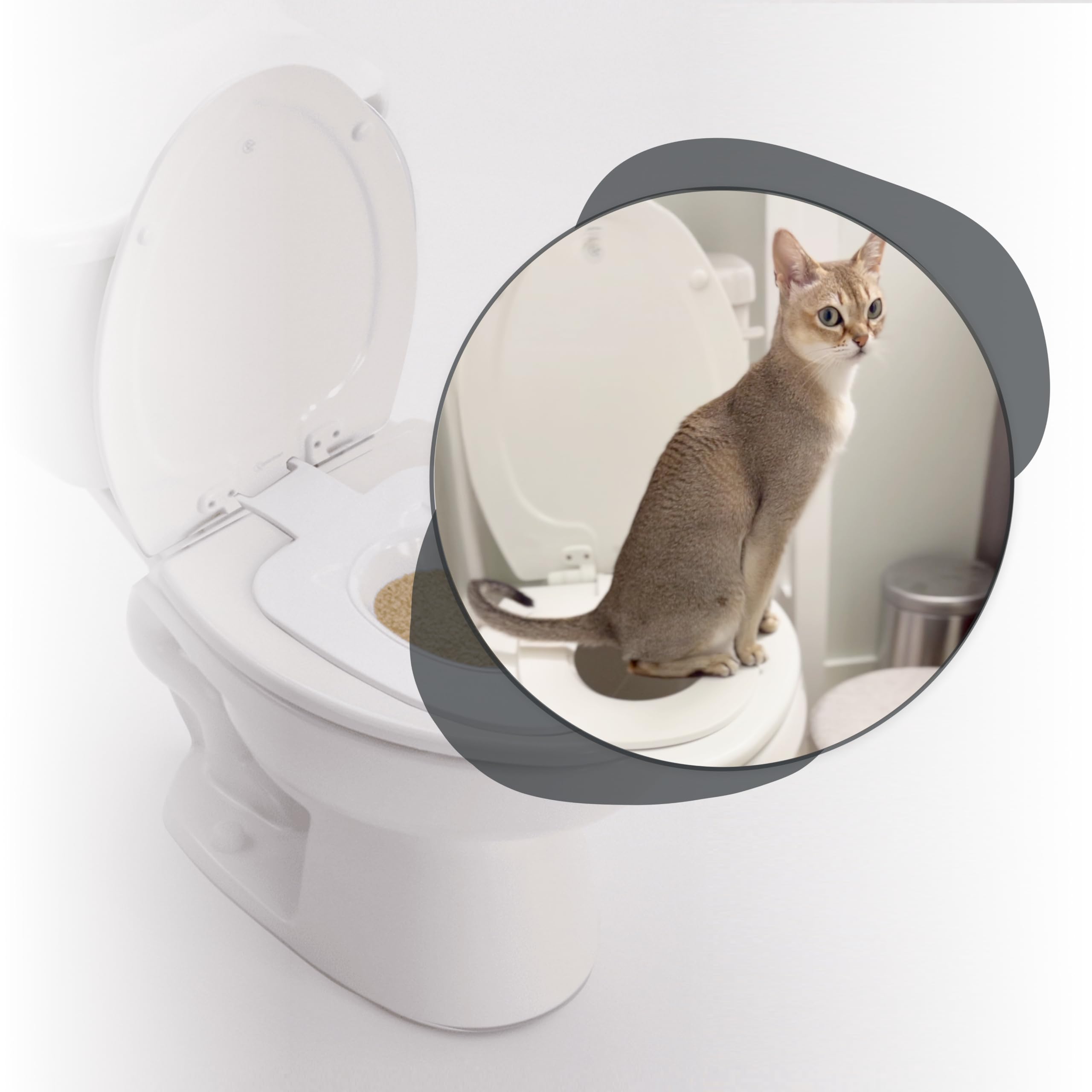
Replace the litter box with a special training seat. It fits over the toilet and holds some litter. Allow your cat to jump on and off the seat easily. Keep the litter clean and fresh. This step helps your cat get used to using the toilet itself.
Phasing Out The Litter
Slowly reduce the litter amount in the training seat. Your cat will learn to balance and use the toilet water. Watch your cat’s reactions and adjust the timing. Remove the training seat once your cat uses the toilet confidently. Praise your cat to reinforce good behavior.

Credit: raleighncvet.com
Common Challenges And Solutions
Toilet training a cat can bring many rewards but also some challenges. Cats may show resistance, accidents can happen, and managing more than one cat adds complexity. Understanding these common problems helps you stay patient and find solutions that work for your furry friend.
Dealing With Resistance
Some cats do not like change. They may avoid the toilet or seem scared of new setups. Patience is key. Try these tips:
- Introduce the toilet slowly, step by step.
- Use treats to encourage your cat to explore.
- Keep the training area quiet and calm.
- Never force your cat; let them adjust at their own pace.
Handling Accidents
Accidents are common during toilet training. Expect them and stay calm. Clean messes quickly to remove odors. Use an enzyme cleaner to stop your cat from returning to the same spot.
- Keep the litter box nearby as a backup.
- Reward your cat when it uses the toilet correctly.
- Check the toilet seat’s stability to avoid slips.
- Observe your cat’s behavior for signs of stress.
Managing Multiple Cats
Training several cats at once can be tricky. Each cat has its own personality and pace. Here are ways to manage:
- Train one cat at a time to avoid confusion.
- Use separate toilets or litter boxes during training.
- Give each cat individual attention and rewards.
- Watch for jealousy or competition between cats.
Maintaining Good Hygiene
Maintaining good hygiene is crucial when toilet training a cat. Cleanliness helps prevent odors and keeps your bathroom safe. It also ensures your cat stays healthy and comfortable during the training process.
Cleaning The Toilet Area
Keep the toilet seat and surrounding area clean every day. Use pet-safe cleaning products to avoid harmful chemicals. Wipe down surfaces after each use to remove any spills or stains. Clean the flush handle regularly since your cat might touch it. A clean toilet area reduces bacteria and bad smells.
Ensuring Cat’s Comfort And Safety
Make sure the toilet seat is secure and stable for your cat. Use a special training seat that fits well and has a non-slip surface. Check the water level is low enough to prevent accidents. Keep the bathroom quiet and free from sudden loud noises. Provide easy access to the toilet without obstacles or slippery floors.
Credit: www.amazon.com
When To Seek Professional Help
Toilet training a cat can be rewarding but tricky. Sometimes, challenges arise beyond basic training tips. Recognizing when to seek professional help saves time and stress.
Professional guidance brings expert advice tailored to your cat’s needs. It can address behavioral or health issues that block progress.
Signs Your Cat Struggles With Toilet Training
- Your cat consistently avoids the toilet area.
- Accidents happen regularly despite training efforts.
- Your cat shows signs of anxiety or stress near the toilet.
Health Problems Affecting Toilet Training
- Frequent urination or difficulty using the toilet.
- Sudden changes in bathroom habits.
- Visible discomfort or pain during elimination.
Behavioral Issues That Need Expert Help
- Persistent litter box aversion.
- Aggression or fear linked to toilet training.
- Inability to focus on training for long periods.
Types Of Professionals To Consult
- Veterinarians for health evaluations.
- Animal behaviorists for training challenges.
- Professional cat trainers with toilet training experience.
Credit: www.spacecatacademy.com
Frequently Asked Questions
How Long Does Cat Toilet Training Usually Take?
Cat toilet training typically takes 4 to 8 weeks. Patience and consistency are key. Training speed varies by cat’s temperament and age. Gradual steps help cats adjust smoothly to the new routine. Avoid rushing to prevent setbacks.
What Supplies Are Needed For Toilet Training A Cat?
You need a special cat toilet training seat or kit. A standard litter box is used initially. Gradual removal of litter and seat adjustments are essential. Treats and positive reinforcement help encourage your cat during training.
Can All Cats Learn To Use A Human Toilet?
Most cats can learn with proper training and patience. Some cats may resist due to personality or health issues. Younger cats adapt faster than older ones. Successful training depends on gradual steps and positive reinforcement.
Is Toilet Training Safe For Cats?
Yes, toilet training is safe if done correctly. Avoid rushing and watch for signs of stress or discomfort. Always ensure the toilet lid is secure to prevent accidents. Training should never cause fear or harm to your cat.
Conclusion
Toilet training a cat takes patience and care. Start slow and watch your cat’s comfort. Use treats and praise to encourage good behavior. Expect some accidents along the way. Consistency helps your cat learn faster. Remember, every cat is different.
Stay calm and keep trying. Soon, your cat will use the toilet like a pro. Enjoy a cleaner home and less litter mess. The effort is worth the reward. Keep your cat happy and healthy throughout training.
