

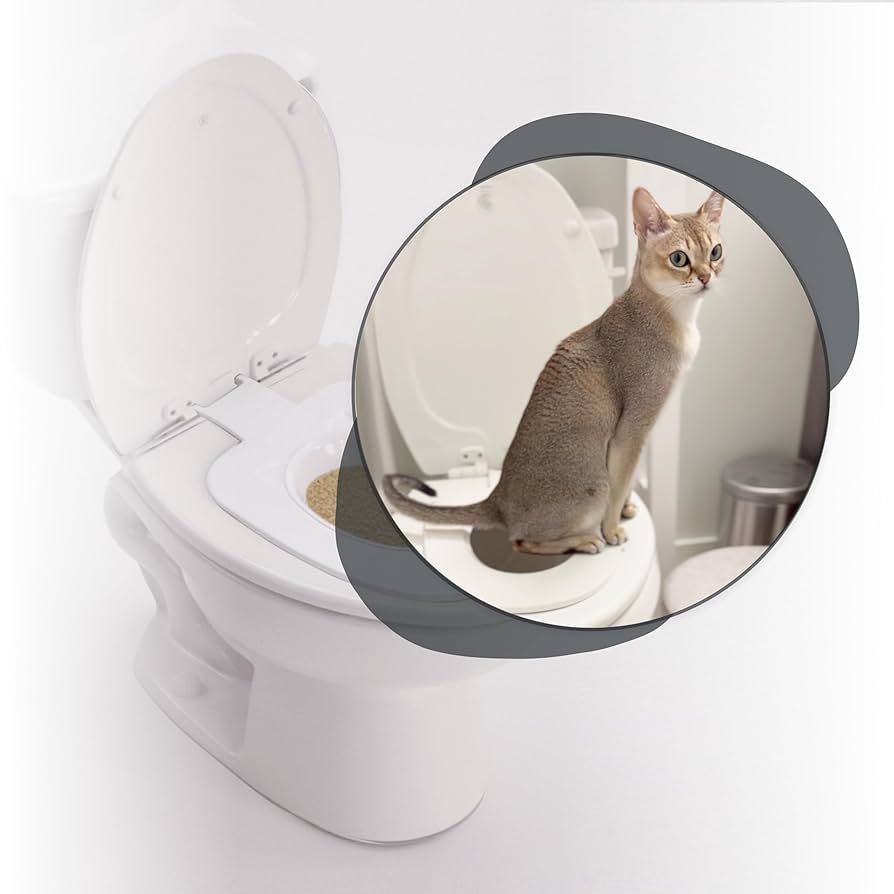
Are you tired of cleaning up after your cat’s bathroom accidents? Imagine a home where your furry friend uses the bathroom just like you do—clean, hassle-free, and stress-free.
Cat bathroom training might sound tricky, but with the right steps, you can make it happen. You’ll discover simple, effective tips to guide your cat toward better bathroom habits. Keep reading, and you’ll learn how to save time, reduce mess, and strengthen the bond with your pet—all while making your life easier.
Credit: kmccberwick.ca
Choosing The Right Litter Box
Choosing the right litter box is a key step in successful cat bathroom training. The right box can make your cat feel comfortable and encourage consistent use. It’s not just about picking any box; size, type, placement, and litter material all play crucial roles in your cat’s bathroom habits.
Size And Type Options
Your cat’s size should guide your litter box choice. A box that’s too small can discourage use, especially for larger breeds. If you have a kitten, a smaller box with low sides can help them get used to it easily.
Open litter boxes offer easy access and ventilation, but some cats prefer the privacy of covered boxes. Covered boxes can also help contain odors, but watch for signs your cat feels trapped or hesitant. Self-cleaning boxes are convenient for you, but not all cats like the noise or movement.
Placement Tips
Where you place the litter box matters as much as the box itself. Cats need a quiet, low-traffic area where they feel safe. Avoid placing it near their food or water bowls, as cats instinctively avoid eliminating near their eating spots.
Make sure the spot is easily accessible, especially for older or less mobile cats. Have you noticed your cat avoiding the box? Try moving it to a different room or corner to see if it makes a difference.
Litter Material Choices
The type of litter you choose affects your cat’s comfort and your cleaning routine. Clumping litter makes scooping easier and controls odor well. Non-clumping litter is often dust-free and gentler on paws but may require more frequent changes.
Natural litters made from materials like corn, wheat, or pine offer eco-friendly options and less dust. Some cats have preferences or sensitivities, so you might need to try a few types to find the perfect fit. Have you ever seen your cat refuse a box just because of the litter? Their preferences can be surprisingly specific.
Introducing Your Cat To The Bathroom
Introducing your cat to the bathroom requires patience and gentle guidance. Cats are curious but cautious animals. Creating a calm and safe environment helps them feel comfortable. The goal is to make the bathroom a familiar and inviting space for your cat.
Step-by-step Introduction
- Start by letting your cat explore the bathroom door open. Allow natural curiosity to guide them inside at their own pace.
- Place familiar items, like their bed or toys, near the bathroom entrance. This creates a positive connection.
- Introduce the litter box or training pad in the bathroom. Show your cat where it is by gently placing them near it.
- Spend quiet time in the bathroom with your cat. Talk softly and offer treats to build trust.
- Keep the bathroom floor clean and dry. A fresh space encourages your cat to feel at ease.
Managing Initial Reactions
- Expect your cat to be cautious or hesitant at first. This is normal behavior.
- Do not force your cat inside. Let them enter and leave freely to avoid stress.
- Observe your cat’s body language. Signs of comfort include relaxed posture and soft eyes.
- If your cat shows fear, give them space and try again later. Patience is key.
- Use calm, quiet tones to reassure your cat during bathroom visits.
Establishing A Bathroom Routine
Establishing a bathroom routine is key to helping your cat feel secure and confident in their bathroom habits. Cats thrive on predictability, so setting regular times for bathroom breaks can reduce accidents and stress. The goal is to create a rhythm that fits both your cat’s natural habits and your daily schedule.
Consistent Timing
Try to observe when your cat naturally needs to use the litter box. Many cats prefer to go after waking up or eating, so scheduling bathroom time around these moments can be effective.
Consistency helps your cat anticipate and prepare for bathroom breaks. If you notice your cat tends to go in the morning and evening, make sure the litter box is clean and accessible during those times.
Have you tried setting reminders or alarms to check on your cat’s bathroom routine? This small step can make a big difference in maintaining consistency.
Positive Reinforcement Techniques
Reward your cat immediately after they use the litter box correctly. Treats, gentle petting, or a soft voice can reinforce good behavior.
Avoid punishment, as it can create fear and confusion. Instead, focus on praising your cat when they get it right, which encourages them to repeat the behavior.
Consider keeping a small stash of your cat’s favorite treats near the litter box. This way, you can quickly reward them and strengthen the positive association with bathroom time.

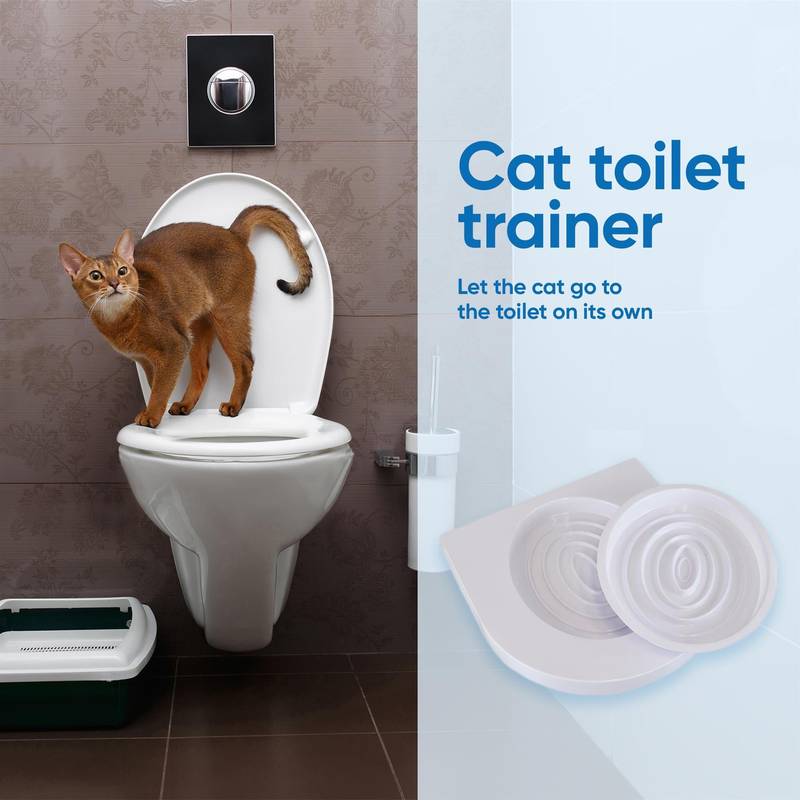
Credit: www.walmart.com
Common Challenges And Fixes
Training a cat to use the bathroom instead of a litter box can come with its fair share of challenges. Understanding these common issues and knowing how to fix them can make the process smoother for both you and your feline friend. Here are some practical tips to tackle the most frequent hurdles you might face.
Dealing With Accidents
Accidents are almost inevitable during bathroom training. When your cat has a mishap, avoid punishment—it only creates fear and confusion. Instead, clean the area thoroughly with an enzyme cleaner to remove any lingering odors that might attract your cat back to the same spot.
To reduce accidents, consider placing multiple litter boxes or potty alternatives around your home. This gives your cat easy access and reduces stress. Have you noticed if your cat tends to go in particular areas? Placing training aids there can help redirect their behavior.
Addressing Fear Or Resistance
Cats often resist bathroom training because they feel scared or unsure about the new routine. Watch your cat’s body language; signs like hiding or avoiding the training area signal discomfort. Gradually introduce the bathroom setup and let your cat explore at their own pace.
Use positive reinforcement such as treats and gentle praise when your cat shows interest or uses the bathroom correctly. Sometimes, switching to a quieter bathroom or adjusting the seat height can make a big difference. What small changes can you make to create a more welcoming environment for your cat?
Maintaining Cleanliness And Hygiene
Keeping your cat’s bathroom area clean is key to their health and comfort. A clean space helps prevent infections and keeps your home fresh. Regular attention to cleanliness encourages your cat to use the litter box consistently.
Effective Cleaning Practices
Remove waste from the litter box daily. This stops bacteria and keeps the area tidy. Use mild soap and warm water to wash the box weekly. Avoid strong-smelling cleaners that may scare your cat.
Replace the litter fully every one to two weeks. This prevents buildup of waste and odors. Dry the box completely before adding fresh litter. Keep a dedicated scoop and cleaning tools for hygiene.
Preventing Odors
Choose a good-quality, odor-absorbing litter. Clumping litter helps remove urine and waste easily. Place the litter box in a well-ventilated area to reduce smells.
Use baking soda lightly under the litter to neutralize odors. Clean nearby surfaces regularly to stop smell spread. Wash your cat’s paws if they track litter or waste outside the box.
Tools And Products To Assist Training
Training a cat to use the bathroom can be easier with the right tools and products. These items support your efforts and make the process smoother for both you and your cat. Choosing helpful aids and cleaning supplies helps maintain hygiene and encourages good habits.
Helpful Training Aids
- Litter boxes with low sides for easy access
- Different types of cat litter to find your cat’s preference
- Attractive litter mats to catch stray litter
- Training sprays to encourage use of the litter box
- Cat attractants that guide your cat to the right spot
- Portable litter boxes for travel or temporary use
- Enclosed litter boxes for shy or messy cats
Recommended Cleaning Supplies
- Enzyme-based cleaners to remove odors completely
- Pet-safe disinfectants for sanitizing litter areas
- Absorbent pads for quick cleanups
- Disposable gloves to keep hands clean during cleaning
- Air fresheners designed for pet areas
- Cleaning brushes with soft bristles for litter boxes
When To Seek Professional Help
Cat bathroom training can be challenging. Sometimes, despite your best efforts, your cat may still avoid the litter box. Knowing when to seek professional help saves time and stress. It ensures your cat stays healthy and happy. Professionals can identify hidden problems and suggest effective solutions.
Signs Of Medical Issues
Unusual bathroom habits may signal health problems. Watch for these signs:
- Frequent urination or straining
- Blood in urine or stool
- Sudden accidents outside the litter box
- Excessive licking of the genital area
- Changes in appetite or behavior
If you notice these, visit a vet quickly. Medical conditions like urinary tract infections or kidney disease need attention. Treating health issues often fixes bathroom problems.
Consulting A Behaviorist
Behavioral problems require a different approach. A cat behaviorist studies your cat’s habits and environment. They identify stressors or fears causing litter box avoidance.
Common triggers include:
- Dirty or inaccessible litter boxes
- Changes in household or routine
- Conflict with other pets
- Fear or anxiety
Behaviorists offer tailored training plans. They teach you how to encourage good habits. Early professional advice prevents frustration and long-term issues.

Credit: www.youtube.com
Frequently Asked Questions
How Do I Start Bathroom Training My Cat?
Begin by placing the litter box in the bathroom. Encourage your cat to use it consistently. Reward positive behavior with treats and praise. Gradually move the box closer to the toilet over time. Patience and consistency are key to successful training.
What Supplies Are Needed For Cat Bathroom Training?
You need a sturdy litter box, flushable litter, and a cat training seat. Also, use cleaning supplies for accidents and treats to reward your cat. These items ensure a smooth and hygienic training process.
How Long Does Cat Bathroom Training Usually Take?
Training typically takes 4 to 8 weeks. Each cat learns at its own pace. Consistency in routine and positive reinforcement speeds up the process. Be patient and avoid punishment to encourage good habits.
Can All Cats Be Trained To Use The Toilet?
Most cats can learn, but some may resist. Factors like age, personality, and past habits affect success. Senior or anxious cats might struggle. Always observe your cat’s comfort and adjust training accordingly.
Conclusion
Training your cat to use the bathroom takes time and patience. Start slow and be consistent every day. Praise your cat for small successes to encourage good habits. Remember, accidents can happen, so stay calm and keep trying. Using the right tools makes the process easier for both of you.
Soon, your cat will learn to use the bathroom confidently. Enjoy a cleaner home and a happy pet. Keep practicing, and success will come with love and care.
