

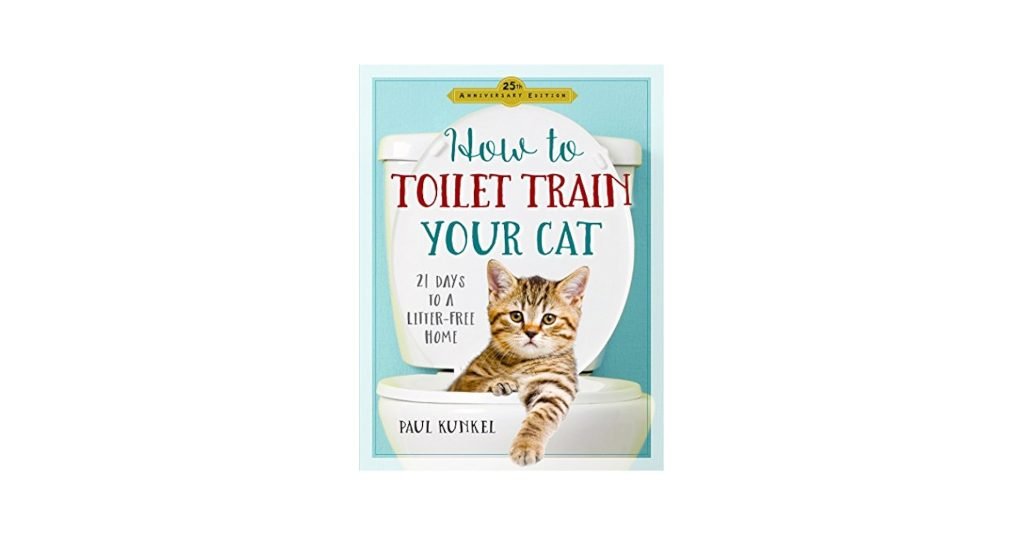
Have you ever thought about teaching your cat to use the toilet instead of a litter box? It might sound tricky, but with the right steps, you can make it happen.
Imagine saving time on cleaning and keeping your home fresher. You’ll discover simple, proven tips to toilet train your cat successfully. Ready to change the way your cat does its business? Keep reading—you’re closer than you think!

Credit: www.youtube.com
Preparing Your Cat
Preparing your cat for toilet training is the first and most important stage. It needs patience and careful planning. Cats need to feel safe and comfortable during this change. This helps them adapt quickly and reduces stress.
Start by understanding your cat’s habits and preferences. Observe where they usually go and how they use their litter box. This knowledge will guide your next steps. Preparation sets a strong base for smooth toilet training.
Choosing The Right Time
Pick a calm period with few changes at home. Avoid starting when your cat is sick or stressed. Young cats, over four months old, learn faster. Avoid training during major life events like moving or new pets. A steady routine helps your cat focus on learning.
Gathering Necessary Supplies
Prepare all the tools before starting. You need:
- A sturdy toilet training kit for cats
- Access to the bathroom at all times
- Cleaning products safe for pets
- Treats to reward your cat
- Patience and consistency
Having these ready avoids delays and confusion during training.
Assessing Your Cat’s Personality
Some cats are curious and adaptable. Others are shy or stubborn. Bold cats usually toilet train faster. Shy cats need extra time and gentle encouragement. Watch how your cat reacts to new things. Tailor the training pace to their comfort level. Respecting their personality ensures better results and less stress.
Credit: www.amazon.com
Setting Up The Training Area
Setting up the training area is the first important step in toilet training your cat. It helps your cat get used to the new spot for bathroom habits. A well-prepared area makes the process smoother and less stressful for your pet. Focus on creating a calm and comfortable space that your cat will accept easily.
Selecting A Suitable Toilet
Choose a toilet that is easy to access and stable. The toilet seat should be wide enough for your cat to sit comfortably. Avoid toilets with deep bowls or unusual shapes. A regular home toilet often works best for this training.
Positioning The Litter Box
Place the litter box close to the toilet at first. This helps your cat associate the new location with bathroom use. Gradually move the box onto the toilet seat. Make sure the box stays steady and does not wobble. Keep it at a height your cat can reach without help.
Creating A Safe Environment
Ensure the training area is quiet and free from distractions. Cats prefer calm places for toileting. Remove loud noises and strong smells. Provide good lighting but avoid direct bright light. Keep the area clean to encourage your cat to use it.
Step-by-step Training Process
Toilet training a cat requires patience and a clear plan. This step-by-step process helps your cat adjust slowly. It builds comfort with new habits. Each stage prepares your cat for the next. Consistency is key to success. Let’s explore the training stages in detail.
Gradual Litter Box Elevation
Start by raising the litter box a few inches. Use sturdy objects like books or boxes. Increase the height every few days. This helps your cat get used to being higher. Keep the box stable to avoid accidents. Watch your cat for signs of stress. Stop raising if your cat seems upset. The goal is to reach the toilet seat height.
Transitioning To The Toilet Seat
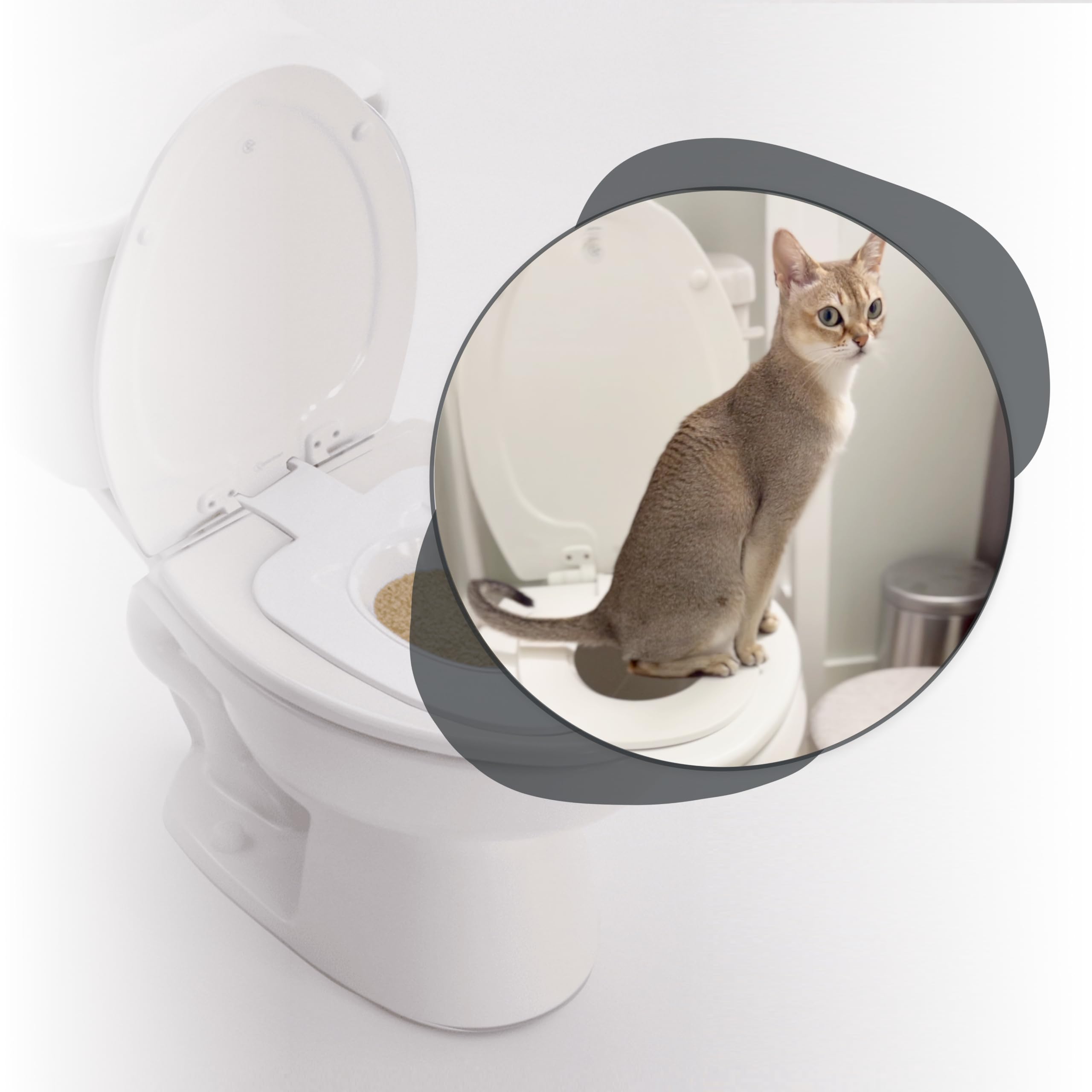
Move the litter box onto the toilet seat. Secure it so it does not slip. Keep the litter inside for familiarity. Let your cat explore the area freely. After a few days, remove the litter box. Replace it with a training seat or empty bowl. Encourage your cat to use the toilet seat directly. Praise your cat for using the new spot.
Introducing Toilet Training Devices
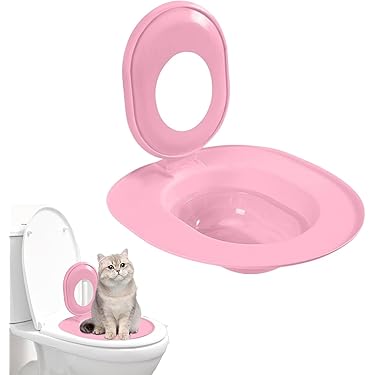
Use special toilet training devices designed for cats. These fit inside the toilet bowl. They hold litter and have a hole for waste. Gradually enlarge the hole over time. This trains your cat to balance and use the toilet. Clean the device regularly to avoid odors. Always reward your cat with treats or affection. This positive reinforcement builds good habits quickly.
Common Challenges
Toilet training a cat is a unique journey. It brings several common challenges that many pet owners face. Awareness of these issues helps prepare for the process. Patience and understanding are key to success. Expect some bumps along the way. Each cat reacts differently to training. Let’s explore the common challenges and ways to handle them.
Dealing With Accidents
Accidents happen often during toilet training. Cats may urinate outside the toilet or litter box. This can frustrate owners. Clean accidents promptly to avoid odors. Avoid punishment as it scares the cat. Use enzymatic cleaners to remove stains fully. Watch for patterns to adjust training steps. Offer gentle encouragement instead of scolding.
Handling Resistance
Some cats resist toilet training at first. They may avoid the toilet or refuse to use it. Fear or confusion causes resistance. Introduce the toilet slowly and calmly. Use treats and praise to build trust. Change the training pace if the cat seems stressed. Respect the cat’s feelings and limits. Sometimes, patience helps more than force.
Maintaining Patience
Patience is essential throughout toilet training. The process takes weeks or even months. Progress may be slow and uneven. Celebrate small wins to stay motivated. Avoid rushing the cat to learn quickly. Consistency with training steps improves results. Remember, every cat learns at its own pace. Patience creates a positive experience for both.
Health And Hygiene Tips
Keeping your cat healthy and maintaining hygiene are key parts of toilet training. Cats are clean animals, but switching to a toilet can change their habits. Watch for signs that show your cat is healthy and comfortable. Cleanliness also helps prevent bad smells and keeps your bathroom fresh.
Keeping The Toilet Clean
Clean the toilet seat often to remove any waste or urine. Use pet-safe cleaners to avoid harming your cat. Wipe the seat before and after your cat uses it. This stops bacteria from building up. Keep toilet paper nearby for quick cleanups. A clean toilet keeps your cat happy and willing to use it.
Monitoring Your Cat’s Health
Watch your cat’s bathroom habits closely. Changes in urine color or frequency can signal health problems. Look for signs like straining or discomfort while using the toilet. Check if your cat avoids the toilet or acts restless. If you notice anything unusual, contact your vet promptly. Good health supports smooth toilet training.
Ensuring Proper Hydration
Water helps your cat stay healthy and prevents urinary issues. Provide fresh water every day in a clean bowl. Some cats prefer running water, so consider a pet fountain. Hydration helps waste pass easily and reduces accidents. Encourage your cat to drink often to support toilet training success.
Credit: www.amazon.com
Alternatives To Toilet Training
Toilet training a cat is not the only way to manage your cat’s bathroom habits. Many cats prefer other options that suit their natural instincts better. These alternatives can be easier for both you and your cat. They also help keep your home clean and odor-free. Explore some practical choices to find what fits best.
Using Litter Boxes Effectively
Litter boxes remain the most common choice for cats. Place the box in a quiet and easy-to-reach spot. Keep it clean by scooping daily and changing the litter regularly. Use unscented, clumping litter to attract your cat. Consider having one box per cat, plus one extra. This reduces accidents and stress. Choose a box with low sides for kittens or older cats.
Outdoor Training Options
Some cats enjoy going outside for their bathroom needs. Create a safe, designated area in your yard. Use loose soil or sand that your cat can dig in. Supervise your cat at first to ensure safety. This option suits cats with outdoor access and calm surroundings. It mimics natural behaviors and keeps litter box use low.
Consulting A Professional
Behavior issues or medical problems can affect bathroom habits. A vet or animal behaviorist can help identify causes. They offer advice tailored to your cat’s needs. Professionals guide you through training or alternative solutions. Seek help early to prevent long-term problems. Their support ensures your cat stays happy and healthy.
Frequently Asked Questions
How Long Does Toilet Training A Cat Take?
Toilet training a cat usually takes 4 to 8 weeks. It depends on the cat’s age and temperament. Consistency and patience are essential for success. Gradual steps help the cat adjust comfortably to the new routine.
What Tools Are Needed For Cat Toilet Training?
You need a special cat toilet training seat or kit. These kits help transition cats from litter boxes to toilets safely. Additionally, patience and positive reinforcement are crucial tools for training success.
Can All Cats Be Toilet Trained Successfully?
Most cats can learn toilet training, but not all will adapt. Age, personality, and previous habits affect success. Some cats prefer litter boxes. It’s important to observe your cat’s comfort and progress.
Is Toilet Training Safe For Cats?
Yes, toilet training is safe if done gradually. Avoid forcing the cat to use the toilet suddenly. Ensure the toilet seat is stable and comfortable. Always supervise to prevent accidents or stress.
Conclusion
Toilet training a cat takes time and patience. Start slow and be consistent every day. Celebrate small wins and learn from mistakes. Your cat will feel more comfortable with each step. Keep the training positive and avoid punishment. Soon, your cat can use the toilet like a pro.
Remember, every cat is different; some learn fast, others slow. Stay patient and kind throughout the process. Enjoy the clean and easy bathroom routine ahead!
