

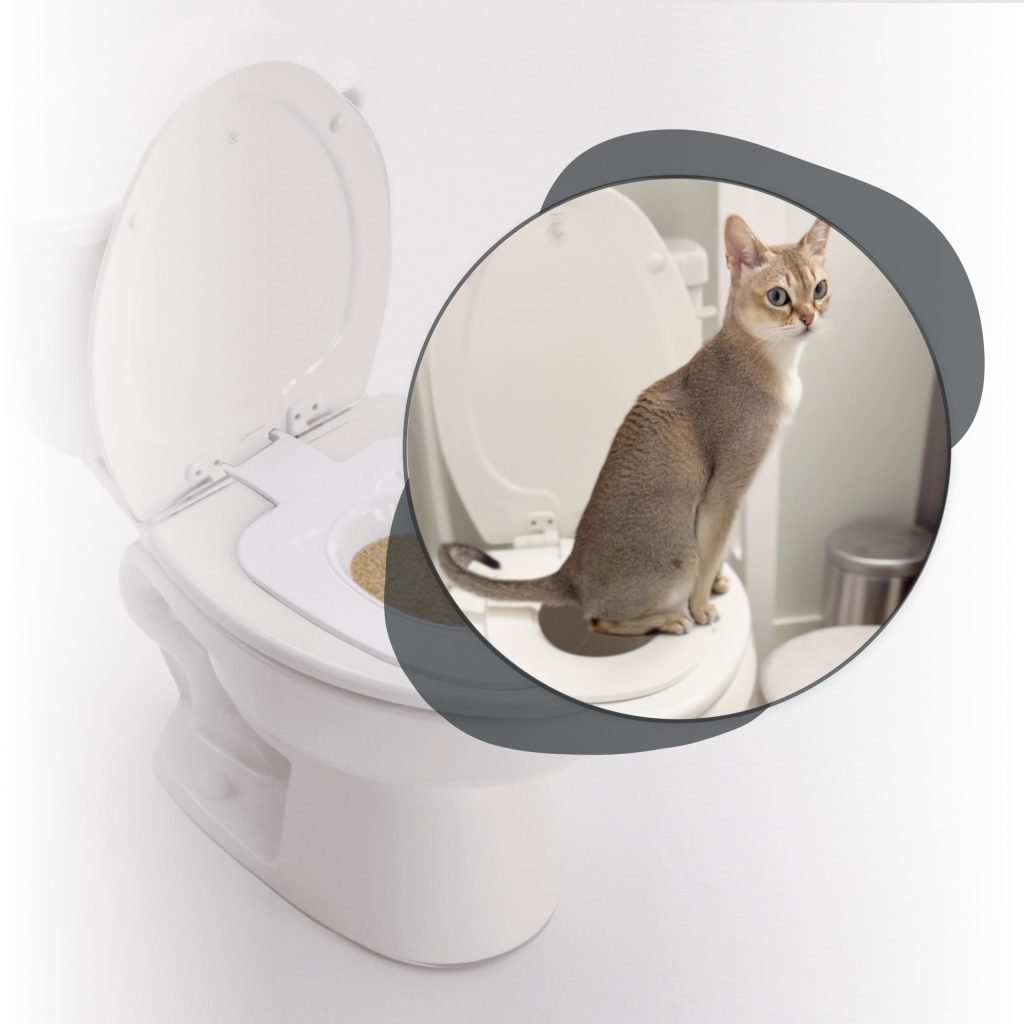
Imagine never having to scoop your cat’s litter box again. Sounds like a dream, right?
If you want your furry friend to use the toilet just like you do, you’re in the right place. Teaching your cat to be toilet trained can save you time, reduce odors, and even keep your home cleaner. But how do you start?
What challenges might you face along the way? Keep reading, and you’ll discover simple, step-by-step tips to turn your cat into a toilet-trained superstar. Your life – and your cat’s – could change for the better sooner than you think.

Credit: www.ebay.ca
Benefits Of Toilet Training Cats
Training your cat to use the toilet brings a variety of benefits that can improve both your daily life and your pet’s well-being. Beyond the novelty, it can make your home cleaner, save money, and even help the environment. Let’s look closely at what makes toilet training a smart choice for you and your feline friend.
Hygiene Improvements
Toilet training significantly reduces the smell and mess associated with traditional litter boxes. You no longer have to scoop or clean clumps of litter daily, which means fewer chances of bacteria spreading in your home.
Think about how often you’ve had to deal with litter tracked all over your floors or the unpleasant odor that lingers. With your cat using the toilet, these problems disappear, making your living space fresher and more hygienic.
Cost Savings
Consider the money you spend on litter every month. Toilet training eliminates this recurring expense entirely, which adds up to substantial savings over time.
Plus, you won’t need to replace litter boxes or cleaning supplies as often. This frees up your budget for other pet needs, like toys or healthier food options.
Environmental Impact
Traditional cat litter often ends up in landfills and can contain harmful chemicals or non-biodegradable materials. Switching to toilet use means less waste going to the trash, which is better for the planet.
By cutting down on litter use, you reduce the demand for mining and manufacturing those products. Have you ever considered how small changes like this can contribute to a healthier environment?
Preparing Your Cat For Toilet Training
Preparing your cat for toilet training requires patience and careful planning. It involves understanding your cat’s behavior and setting up the right tools and space. A smooth start helps your cat feel safe and confident during training.
Assessing Your Cat’s Readiness
Not all cats are ready for toilet training at the same time. Your cat should be at least six months old. Look for signs like good litter box habits and curiosity about new experiences. A calm and healthy cat adapts better to changes.
Gathering Necessary Supplies
Prepare all items before starting the training process. You need a special training seat designed for cats. Some kits include inserts that gradually reduce litter use. Have cleaning supplies ready to keep the area hygienic.
Creating A Comfortable Environment
Choose a quiet bathroom with easy access for your cat. Remove any strong smells or loud noises that may scare your pet. Keep the toilet lid open and the seat down at all times. Provide treats and praise to encourage your cat.
Step-by-step Training Process
Training your cat to use the toilet is a process that requires patience and consistency. It involves small, manageable changes that help your cat adjust comfortably. Let’s walk through how you can guide your furry friend from the litter box to the toilet seat with clear, practical steps.
Introducing The Litter Box Near The Toilet
Start by moving your cat’s litter box closer to the bathroom. This helps your cat get used to the new location without feeling rushed. Place it near the toilet so your cat associates this area with their bathroom routine.
Watch how your cat responds. If they seem stressed, slow down the move and spend more time at each stage. Your cat’s comfort is key to success.
Gradually Raising The Litter Box Height
Once your cat is comfortable with the litter box near the toilet, begin raising the box’s height. Use sturdy objects like phone books or boxes to lift it a few inches at a time. This step helps your cat adjust to the height of the toilet gradually.
Be careful not to raise it too quickly. Cats need time to balance and feel secure on higher surfaces. You might notice your cat hesitating at first—that’s normal and part of the learning curve.
Transitioning To The Toilet Seat
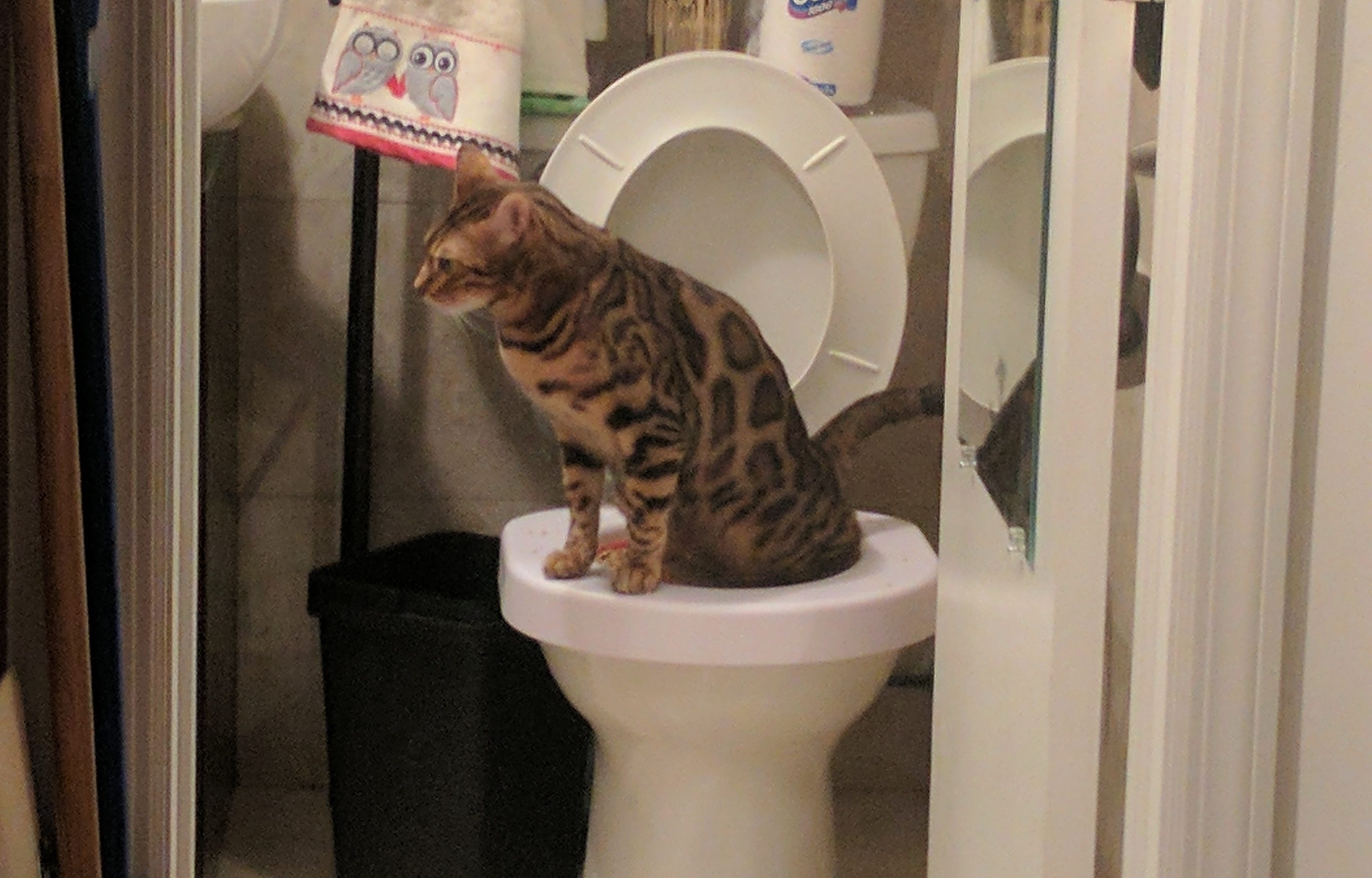
When your cat is used to the raised litter box, place the box directly on the toilet seat. This new position is a critical shift. Your cat now learns to balance on the toilet rather than the floor.
Stay patient if your cat seems unsure. Encourage them with praise and treats. Have you noticed how some cats are natural acrobats? This step taps into their agility.
Using Training Seats And Inserts
To make the toilet training easier, use specially designed training seats or inserts. These fit over the toilet and hold litter securely while your cat adjusts. You can gradually reduce the amount of litter over time.
Many cat owners find this tool invaluable. It creates a stable platform and avoids messes. Have you considered how small changes like this can make a big difference in your cat’s willingness to learn?

Credit: www.walmart.com
Common Challenges And Solutions
Training your cat to use the toilet can be a rewarding experience, but it comes with its own set of challenges. Expect some bumps along the way as your feline friend adjusts to this new routine. Understanding common hurdles and how to tackle them can make the process smoother for both of you.
Dealing With Resistance
Not every cat will take to toilet training eagerly. Some may resist because they find the toilet unfamiliar or uncomfortable. You can ease this by gradually moving the litter box closer to the toilet over several days.
Patience is key here. If your cat seems stressed or avoids the toilet, try returning to an earlier step for a few days. Your calm attitude will help your cat feel more secure.
Handling Accidents
Accidents are almost inevitable during toilet training. Instead of punishment, focus on cleaning the area thoroughly to remove any lingering smells that might attract your cat back to the spot.
Keep a stash of enzymatic cleaners handy, as they break down odor-causing molecules more effectively than regular cleaners. Also, watch for signs that your cat might need more time with the litter box before fully switching.
Maintaining Consistency
Consistency makes or breaks toilet training success. Try to keep the toilet seat up and the training setup intact every day. Changing the environment too often can confuse your cat and slow progress.
Make sure everyone in the household knows the routine and sticks to it. Cats pick up on routines quickly, but they also notice when things change abruptly.
Tips For Long-term Success
Maintaining a toilet-trained cat requires patience and consistency. Success depends on ongoing care and attention. Following key tips helps keep your cat comfortable and your home clean. Small efforts lead to lasting results and a happy pet.
Positive Reinforcement Techniques
Reward your cat with treats or praise after successful toilet use. This encourages good behavior and builds trust. Use gentle words and petting to show approval. Avoid punishment, which can cause fear or confusion. Consistent positive feedback helps your cat feel confident and eager to repeat the behavior.
Monitoring Health And Behavior
Watch your cat for changes in bathroom habits or mood. Sudden changes may signal health issues or stress. Check for signs like frequent urination, accidents, or discomfort. Early detection helps prevent bigger problems. Keep a clean toilet area to support your cat’s hygiene and comfort.
Adjusting Training For Different Cat Personalities
Every cat learns differently. Some are curious, others cautious or stubborn. Tailor your approach based on your cat’s temperament. Use slower steps for shy cats and more encouragement for playful ones. Patience is key to match your cat’s pace. Flexible training helps all cats succeed with toilet habits.
Credit: medium.com
Alternatives To Toilet Training
Not every cat or owner finds toilet training to be the perfect fit. Some cats resist the change, and some owners prefer a less intense approach. Luckily, there are effective alternatives that still keep your home clean and your cat comfortable.
Using Advanced Litter Boxes
Advanced litter boxes come with features that make managing your cat’s bathroom habits easier and more hygienic. Self-cleaning models reduce odor and mess, saving you time and effort.
Some have sensors that detect when your cat uses the box and automatically scoop waste away. Others use special filters or sealed compartments to trap smells better than traditional boxes.
Have you tried a litter box with health-monitoring features? These can track your cat’s bathroom patterns and alert you to changes that might need a vet’s attention.
Hybrid Training Methods
If pure toilet training feels too strict, hybrid methods might suit you and your cat better. This approach blends litter training with some toilet habits, easing your cat into the change gradually.
For instance, you can start by placing a small litter box next to the toilet. Over time, move it closer and eventually onto the toilet seat, reducing litter amounts step-by-step.
This gradual shift helps your cat stay comfortable and less stressed. Have you noticed your cat’s reaction when you try sudden changes? Hybrid training respects their pace while aiming for cleaner habits.
Frequently Asked Questions
How Do You Train A Cat To Use The Toilet?
Toilet training a cat involves gradual steps, starting with a litter box near the toilet. Slowly, the box is elevated until it aligns with the toilet seat. Special training seats help the cat adjust. Patience and consistency are key throughout the process.
Is Toilet Training Safe For Cats?
Yes, toilet training is generally safe if done correctly. Ensure the cat feels secure and comfortable. Avoid forcing the cat, as stress can occur. Always monitor your cat’s behavior to prevent accidents or health issues like urinary tract infections.
How Long Does Toilet Training Take For Cats?
Training duration varies, typically taking 4 to 8 weeks. Some cats learn faster, while others need more time. Consistent training sessions and positive reinforcement help speed up the process. Patience and observing your cat’s readiness improve success rates.
What Are Common Challenges In Toilet Training Cats?
Challenges include resistance to change, fear of water, and balancing on the toilet seat. Some cats may revert to old habits or refuse to use the toilet. Address these with gradual steps, encouragement, and adjusting the training pace as needed.
Conclusion
Training your cat to use the toilet takes patience and time. Small steps help your cat learn comfortably. Praise your cat for every success to encourage progress. Be ready for setbacks—they are normal and not a failure. A toilet-trained cat means less litter mess and easier cleaning.
Enjoy the bond you build during training. Stay calm and consistent throughout the process. Your efforts will make life easier for both you and your cat. Keep trying, and soon your cat will use the toilet confidently.
