

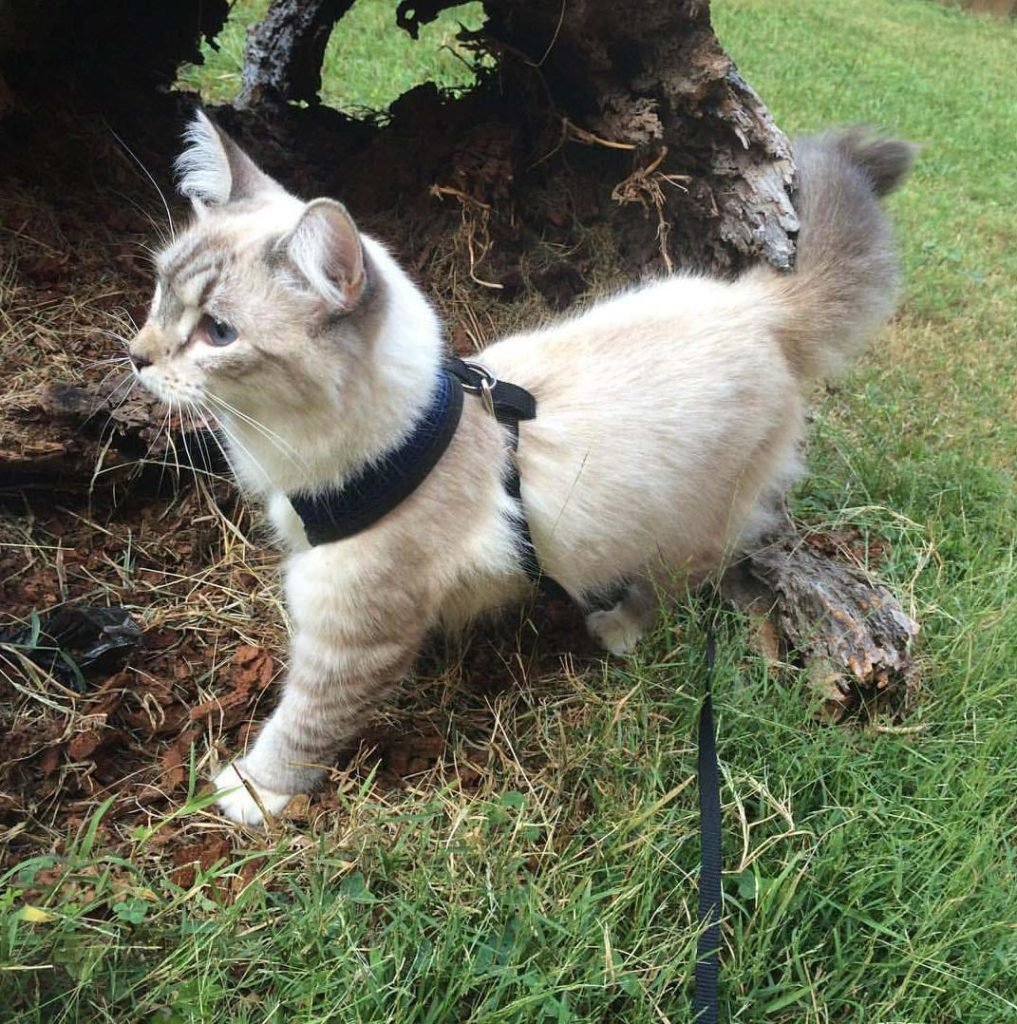
Have you ever dreamed of taking your cat for a stroll outside, enjoying fresh air and new sights together? Training your cat to walk on a leash might sound tricky, but it’s possible—and rewarding.
Imagine the joy of exploring your neighborhood with your feline friend safely by your side. In this guide, you’ll discover simple, step-by-step tips to help your cat get comfortable with a harness and leash. Stick with me, and you’ll soon unlock a whole new way to bond and have fun with your cat.
Ready to get started? Let’s dive in!
Choosing The Right Harness
Choosing the right harness for your cat is the foundation for a safe and enjoyable leash-walking experience. A poorly fitting or uncomfortable harness can make your cat resistant or stressed. Your goal is to find one that balances security with comfort, encouraging your cat to explore the outdoors without fear.
Types Of Cat Harnesses
There are several harness styles designed specifically for cats, each with its pros and cons. The most common types include:
- H-style Harness:Shaped like the letter “H,” this harness loops around the neck and chest, offering decent control but sometimes less secure for escape artists.
- Vest Harness:Covers more of your cat’s body, distributing pressure evenly and reducing the chance of slipping out. Many cats find these more comfortable.
- Figure-8 Harness:A simple loop design that goes around the neck and chest, but it can be easier for cats to wriggle out if not fitted tightly.
Think about your cat’s personality and behavior. If your cat is a determined escape artist, a vest harness might work better. For calmer cats, an H-style could be lighter and less restrictive.
Sizing And Fit Tips
Getting the size right is crucial. A harness that’s too tight can cause discomfort or injury, while one that’s too loose allows your cat to slip free. Measure your cat’s neck and chest circumference with a soft tape measure before buying.
Look for adjustable straps to fine-tune the fit. When fitting the harness, you should be able to slide two fingers comfortably between the harness and your cat’s body. This ensures it’s snug but not choking.
Remember, each brand sizes differently. Don’t hesitate to try a few options and watch your cat’s reaction. Does your cat seem relaxed or try to escape? Your cat’s comfort is the best indicator you’ve chosen the right harness.
Introducing The Harness Indoors
Introducing the harness to your cat indoors is the first crucial step in leash training. This phase helps your cat get comfortable with the new sensation without the distractions or stresses of the outside world. Patience is key here, as some cats take longer to adjust than others.
Letting Your Cat Explore
Let your cat wear the harness around the house for short periods. This allows them to get used to the feeling without feeling trapped. Don’t force the harness on; instead, place it near their favorite resting spots or toys to spark curiosity.
Watch how your cat reacts—are they trying to remove it or walking confidently? If your cat seems uneasy, remove the harness and try again later. Repetition helps, but pushing too fast might cause resistance.
Positive Reinforcement Techniques
Reward your cat each time they wear the harness calmly. Use treats, gentle petting, or playtime to associate the harness with positive experiences. This builds trust and encourages your cat to accept the harness willingly.
Speak softly and keep your tone upbeat while putting on the harness. If your cat freezes or hides, give them space and try again with patience. Remember, your calm attitude helps your cat feel safe and confident during training.
Getting Comfortable Wearing The Harness
Getting your cat comfortable with wearing a harness is a vital first step before you can expect them to enjoy walks on a leash. This process requires patience and a gentle approach, as many cats initially find harnesses strange or restrictive. Your goal is to make the harness a non-threatening part of their daily routine.
Short Wearing Sessions
Start by letting your cat sniff and explore the harness without putting it on. Once they’re curious, gently place the harness on them for just a minute or two.
Keep these sessions brief to avoid overwhelming your cat. Gradually increase the time they wear the harness each day.
Watch for signs of stress, like excessive scratching or trying to wriggle out, and pause if needed. Remember, your calm presence will help them feel safe.
Rewarding Calm Behavior
Use treats or gentle petting to reward your cat when they stay calm while wearing the harness. This positive reinforcement links the harness with good experiences.
Try to catch moments when your cat is relaxed or curious, then immediately offer a reward. This helps them associate calm behavior with something enjoyable.
Have you noticed your cat responding better to certain treats or praise? Tailor your rewards to what motivates your cat most to speed up the training process.
Attaching The Leash Safely
Attaching the leash safely is a key step in training your cat to walk outside. It helps your cat feel secure and prevents sudden escapes. This process requires patience and care to ensure your cat is comfortable and safe.
Leash Length Selection
Choose a leash that is not too long or too short. A leash about 4 to 6 feet long works best. It gives your cat some freedom but allows you control. Avoid retractable leashes, as they can cause sudden pulls. A lightweight, durable leash is ideal for cats.
Monitoring Your Cat’s Reactions
Watch your cat closely when attaching the leash. Look for signs of stress like freezing or trying to escape. If your cat seems scared, stop and try again later. Let your cat get used to the harness first. Praise and gentle petting help your cat stay calm. Always stay patient and calm yourself.
Indoor Leash Practice
Indoor leash practice helps your cat get used to the harness and leash safely. Start in a quiet room with few distractions. This controlled space allows your cat to explore without fear. Patience is key. Let your cat move at its own pace.
Encouraging Movement
Use gentle coaxing to encourage your cat to walk. Hold the leash loosely to avoid pulling. Place treats or toys a short distance away to motivate steps forward. Praise your cat softly when it moves. Keep sessions short, about 5 to 10 minutes. Repeat often to build confidence.
Handling Resistance
Expect your cat to stop or pull back sometimes. Do not force movement or tug the leash. Stay calm and wait quietly for your cat to relax. Try distracting with a favorite toy or treat. If your cat lies down or freezes, give it time. Slowly encourage again after a short break.

Credit: www.outdoorbengal.com
First Outdoor Walks
Taking your cat outside on a leash for the first time can be exciting and a bit challenging. The key is to make the experience calm and positive. This helps your cat feel safe and enjoy the fresh air. Start slowly and pay attention to your cat’s reactions. Gentle encouragement works best.
Choosing A Quiet Location
Pick a place with little noise and few people. A quiet garden or a calm park works well. Avoid busy streets or loud areas. Too many sounds can scare your cat. A peaceful spot helps your cat focus on walking and exploring.
Keeping Sessions Short
Keep the first walks brief. Ten to fifteen minutes is enough to start. Short sessions stop your cat from feeling tired or stressed. Watch for signs of discomfort. If your cat seems nervous, end the walk early. Gradually, you can increase the time outside.
Building Confidence Outside
Building confidence outside is key for a cat learning to walk on a leash. Cats feel safe in familiar places. New sights and sounds can cause stress. Patience helps your cat grow comfortable outdoors. Small steps lead to big progress. Create positive experiences to encourage curiosity and calmness.
Gradual Exposure To New Environments
Start in quiet, safe spots like your backyard or porch. Let your cat explore on their own terms. Keep sessions short to avoid overwhelming them. Slowly introduce different areas with more space and new smells. Stay close and offer treats to build trust. Repeating visits helps your cat accept new places as safe.
Dealing With Distractions
Distractions can scare your cat or cause sudden movements. Watch for noises like cars, dogs, or children. Use treats and soft praise to focus their attention. Pause and calm your cat if they become nervous. Practice in low-distraction settings before trying busier areas. Gradual exposure to distractions improves your cat’s confidence outdoors.

Credit: www.purina.com
Safety Tips For Leash Walking
Taking your cat for a walk on a leash can be a wonderful bonding experience. However, safety must come first to ensure your feline friend enjoys the adventure without any risks. Paying close attention to potential dangers and your cat’s comfort will make every outing pleasant and stress-free.
Avoiding Hazards
Before you head outside, scan the area for things that might scare or harm your cat. Busy roads, loud noises, and other animals can cause sudden fright or injury.
- Choose quiet, familiar routes to reduce your cat’s anxiety.
- Keep your cat away from sharp objects, toxic plants, or puddles of unknown liquids.
- Use a secure harness that fits well to prevent escapes.
- Always watch your cat closely—do not let them out of your sight.
Have you ever noticed how some cats freeze or dart suddenly when startled? That’s why controlling the environment matters more than you might think.
Recognizing Signs Of Stress
Understanding your cat’s body language is key to knowing when it’s time to pause or head home. Stress signs can be subtle but important to catch early.
- Look for tail flicking, ears flattening, or wide eyes as signals of discomfort.
- If your cat crouches low or tries to hide, it’s a clear sign they feel unsafe.
- Heavy panting or excessive meowing can also indicate stress.
When you spot these signs, gently calm your cat and consider ending the walk. Have you noticed your cat showing any of these behaviors during a stroll? Recognizing them early can keep your outings enjoyable for both of you.
Troubleshooting Common Issues
Training a cat to walk on a leash can bring joy to both of you. Challenges may arise during this process. Recognizing and solving these problems helps keep your training on track. Patience and understanding play a key role in success.
Cat Refuses To Walk
Some cats may freeze or hide instead of walking. This reaction often shows fear or discomfort. Let your cat explore the new environment at its own pace. Use gentle encouragement and soft voices. Try offering treats to motivate steps forward.
Short, frequent sessions work better than long ones. Avoid pulling or dragging the leash. This can make your cat scared or stressed. Watch your cat’s body language for signs of stress. Stop and try again later if needed.
Harness Escape Attempts
Cats are clever at slipping out of harnesses. Make sure the harness fits snugly but not too tight. Check all clips and straps before each walk. Some cats need a harness with extra security features.
Distract your cat with toys or treats during harness fitting. Practice wearing the harness indoors before going outside. If your cat keeps escaping, try different harness styles. Patience is important while finding what works best.
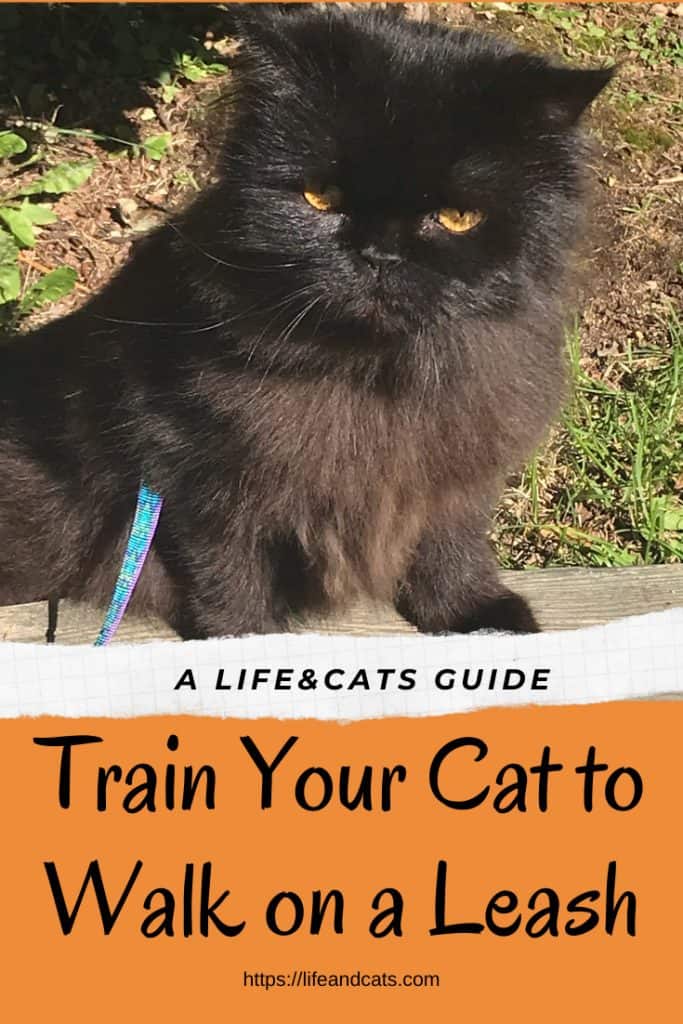
Credit: lifeandcats.com
Frequently Asked Questions
How Do I Start Training My Cat To Walk On Leash?
Begin by choosing a comfortable harness for your cat. Let your cat wear it indoors first. Gradually attach the leash and encourage walking with treats. Start short sessions and increase time as your cat gets comfortable.
What Harness Type Is Best For Leash Training Cats?
A well-fitted, escape-proof harness designed for cats is best. Look for soft, adjustable, and lightweight options. Avoid collars, as they can harm cats during leash walks. Proper fit ensures safety and comfort during outdoor training.
How Long Does Leash Training A Cat Usually Take?
Leash training duration varies by cat’s personality and patience. It can take days to weeks for full comfort. Consistent short sessions and positive reinforcement speed up progress. Always be patient and never force your cat.
Can All Cats Be Trained To Walk On Leash?
Most cats can learn, but success depends on their temperament. Curious and social cats adapt faster. Shy or anxious cats may resist leash training. Respect your cat’s limits and adjust training accordingly.
Conclusion
Training a cat to walk on a leash takes time and patience. Start slow and use treats to encourage good behavior. Keep sessions short and fun to hold your cat’s interest. Always watch your cat’s comfort and safety during walks.
With steady practice, your cat can enjoy outdoor adventures safely. Remember, every cat learns at their own pace. Enjoy the bonding time this new skill brings. Walking your cat on a leash opens up a new world for both of you.
Keep trying, and soon you will both love your walks outside.
