

Imagine never having to scoop your cat’s litter box again. Training your cat to use the toilet might sound impossible, but it’s easier than you think.
If you’re tired of the mess, the smell, and the hassle, this guide is for you. You’ll learn simple, step-by-step tips to make the switch smooth and stress-free—for both you and your furry friend. Keep reading to discover how you can transform your cat’s habits and enjoy a cleaner, fresher home.

Credit: www.walmart.com
Preparing Your Cat
Preparing your cat for toilet training takes patience and care. Cats need time to adjust to new habits. Starting with the right preparation improves success. Focus on your cat’s comfort and readiness before beginning.
Assessing Readiness
Not all cats are ready for toilet training. Look for signs of readiness such as:
- Your cat uses the litter box consistently.
- Your cat shows curiosity about the toilet.
- Your cat can balance well and jump easily.
- Your cat is calm and not stressed.
Young kittens may need more time. Adult cats often adapt faster. Avoid starting if your cat is sick or anxious.
Gathering Supplies
Prepare all materials before starting. You will need:
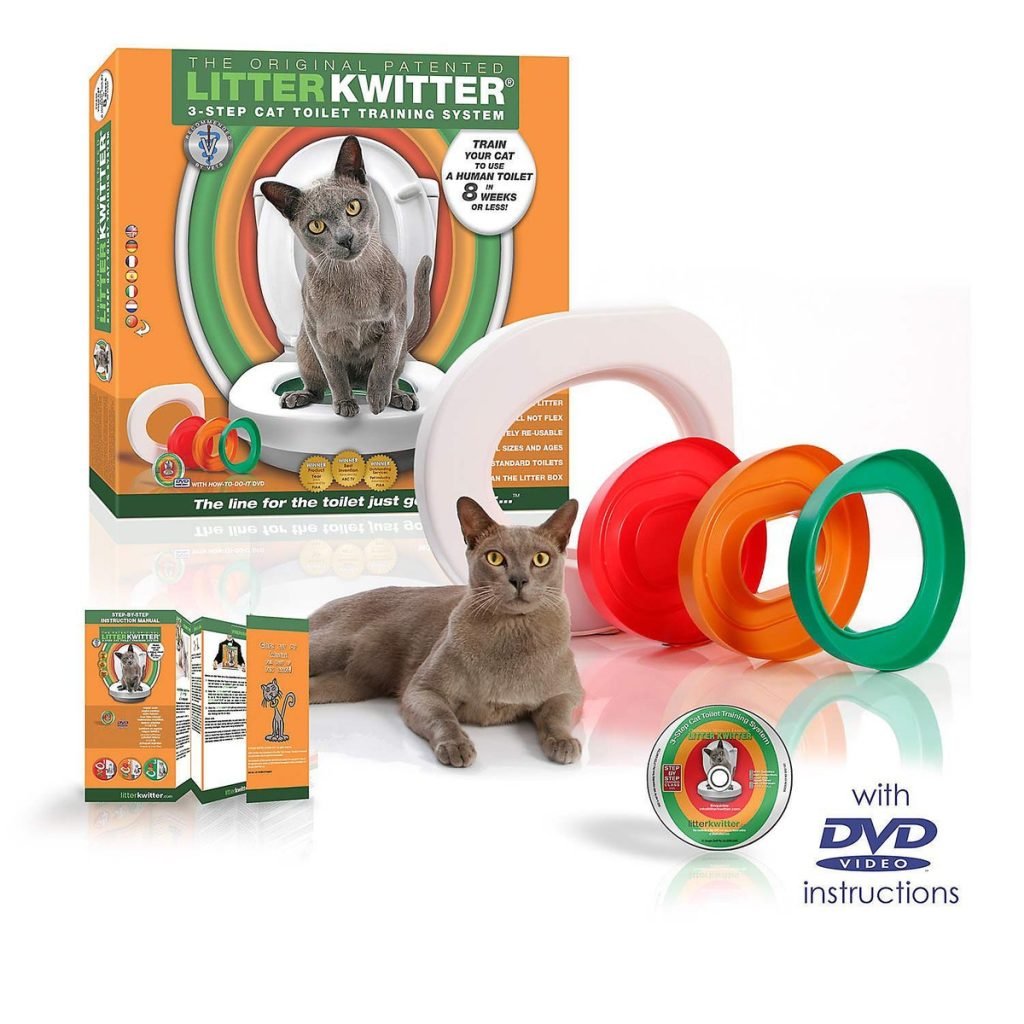
- A sturdy training seat or a cat toilet training kit.
- Cat litter that your cat prefers.
- A step stool or platform to help your cat reach the toilet.
- Cleaning supplies to keep the area tidy.
Choose products that feel safe and familiar to your cat. This reduces stress during training.
Setting Up A Training Area
Pick a quiet bathroom for training. It should be free from loud noises and distractions. Place the litter box near the toilet first. This helps your cat get used to the area.
Gradually move the litter box closer to the toilet seat. Use the step stool to help your cat climb. Keep the space clean and comfortable. This builds positive habits and confidence.
Introducing The Toilet
Introducing your cat to the toilet is a careful process that requires patience and consistency. Cats are creatures of habit, so gently guiding them through changes helps avoid stress. You’ll want to create a smooth path from their litter box to the toilet, making the new setup feel natural and comfortable.
Moving The Litter Box
Start by slowly shifting the litter box closer to the toilet over several days. Move it a few inches each day so your cat gets used to the new location without feeling rushed.
Watch your cat’s reaction at each stage. Are they comfortable? If not, pause the move and give them extra time. This step helps your cat associate the toilet area with their bathroom routine.
Using A Training Seat
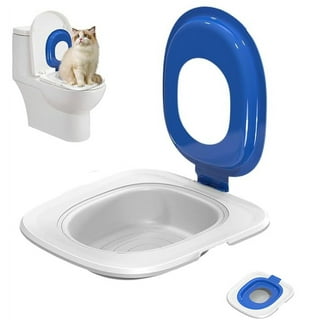
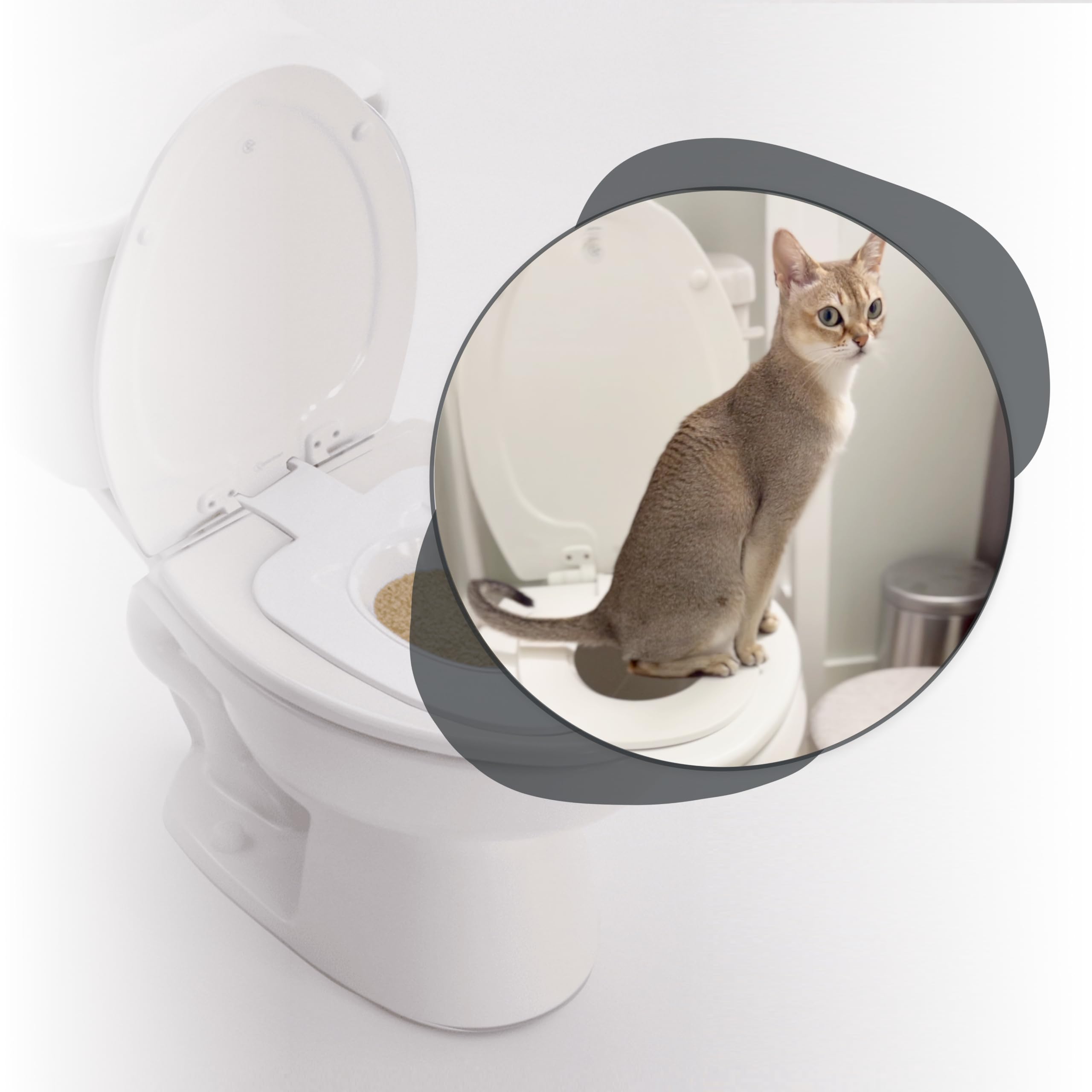
A training seat fits over the toilet and holds litter, acting as a bridge between the box and the toilet. It lets your cat get used to the height and feel of the toilet without losing the familiar scent and texture of litter.
Place the training seat on the toilet and encourage your cat to use it by adding some of their usual litter. Your cat might be curious or hesitant—offer praise and treats to make this new experience positive.
Gradual Transition Steps
Gradually reduce the amount of litter in the training seat to encourage your cat to use the toilet water instead. Over time, try to widen the hole in the training seat, allowing your cat to balance on the toilet seat while doing their business.
Keep an eye on your cat’s behavior. Are they slipping or uncomfortable? Adjust the pace accordingly. Remember, rushing this transition can cause setbacks.
Have you noticed your cat’s unique preferences during training? Tailoring the steps to fit your cat’s personality can make all the difference in success.
Training Techniques
Training a cat to use the toilet requires patience and the right techniques. Cats learn best through gentle guidance and clear signals. Using effective training methods helps your cat understand what you expect. These techniques build trust and reduce stress for both of you.
Positive Reinforcement
Reward your cat for using the toilet correctly. Use treats, praise, or gentle petting as encouragement. Positive reinforcement makes your cat feel safe and motivated. Avoid punishment, as it can cause fear and confusion. Consistent rewards help build good habits faster.
Handling Accidents
Accidents are part of the learning process. Clean any mess with an enzyme cleaner to remove smells. Never scold or punish your cat for accidents. Stay calm and patient to keep your cat confident. Gently guide your cat back to the toilet training routine.
Maintaining Consistency
Stick to a regular schedule for toilet training. Keep the training area clean and quiet. Use the same commands and signals every time. Consistency helps your cat understand the routine clearly. Regular practice speeds up the learning and success.
Credit: www.walmart.ca
Troubleshooting Challenges
Training a cat to use the toilet can be tricky. Challenges may arise that test your patience and your cat’s comfort. Understanding these troubles helps keep the process smooth. Watch your cat closely and adjust as needed. Small problems can become big if ignored.
Common Issues
- Cat refuses to sit on the toilet seat
- Accidents outside the toilet area
- Fear or anxiety near the toilet
- Cat falling into the toilet bowl
- Reluctance to use the toilet at night
Most cats need time to get used to the new routine. Patience is key during this phase.
Behavioral Adjustments
Observe your cat’s reactions carefully. Some cats show signs of stress or confusion. Offer gentle encouragement and praise for small successes. Try to keep the bathroom calm and quiet.
Use positive reinforcement, like treats or petting. Avoid punishment or harsh tones. This can cause fear and setbacks. Make the toilet area inviting and clean at all times.
When To Pause Or Restart
Stop training if your cat shows strong fear or stress. Signs include hiding, refusing to eat, or aggression. Give your cat a break and return to the litter box. Restart training after a few days, slowly and calmly.
Restarting allows your cat to regain confidence. Do not rush the process. Slow steps help your cat feel safe and secure.
Maintaining Toilet Habits
Maintaining your cat’s toilet habits is essential for a smooth transition and lasting success. Consistency helps your cat feel secure and comfortable with the new routine. Small efforts every day keep the habit strong and prevent setbacks.
Regular Cleaning
Keep the toilet area clean and fresh. Use mild, pet-safe cleaners to avoid strong smells. Clean the seat and surrounding area daily. This encourages your cat to continue using the toilet. Dirty areas may cause your cat to avoid the spot.
Monitoring Health
Watch your cat’s bathroom behavior closely. Changes in frequency or difficulty can signal health problems. Look for signs like straining, blood, or unusual urine color. Early detection helps prevent serious issues. Consult a vet if you notice any problems.
Adapting To Changes
Be ready to adjust your routine as your cat grows or the environment changes. Cats may need more time to adapt to new toilets or household shifts. Stay patient and observe their behavior. Gradual changes work best for long-term success.
Credit: www.amazon.com
Frequently Asked Questions
How Long Does It Take To Train A Cat To Use The Toilet?
Training a cat to use the toilet typically takes 4 to 6 weeks. Consistency and patience are key throughout the process. Each cat learns at its own pace, so avoid rushing to prevent accidents and stress.
What Supplies Are Needed For Toilet Training Cats?
You need a special cat toilet training seat or a gradual transition kit. Also, access to the bathroom and treats for positive reinforcement help. Cleanliness and patience are essential to encourage your cat.
Can All Cats Learn To Use The Toilet?
Most cats can learn, but some may resist due to personality or age. Younger cats often adapt quicker than older ones. If your cat shows stress, consider alternative litter solutions.
How Do I Start Toilet Training My Cat?
Begin by moving the litter box closer to the toilet over several days. Then gradually raise its height until it’s level with the toilet seat. Use a training seat to help your cat adjust.
Conclusion
Training your cat to use the toilet takes time and patience. Start slow and be consistent every day. Celebrate small progress to keep your cat motivated. Remember, some cats learn faster than others. Stay calm if your cat makes mistakes.
Toilet training can save litter costs and reduce odors. It also helps keep your home cleaner. Enjoy the bond you build during training. With effort, your cat can learn this new skill. Keep trying, and you will see results.
