

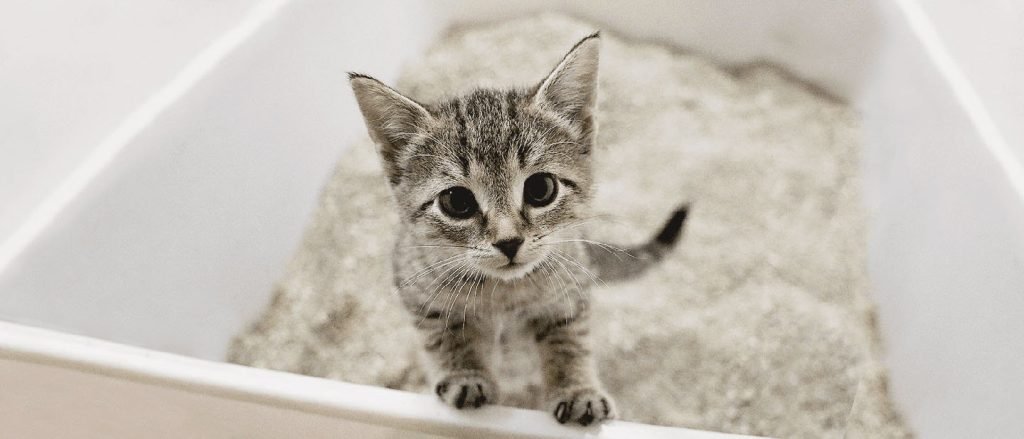
Getting your cat to use a litter box might seem tricky, but it doesn’t have to be. You want a clean home and a happy pet, and training your cat is the key.
Imagine never having to worry about accidents on your carpet again. In this guide, you’ll discover simple, effective steps that make litter box training easy for both you and your furry friend. Keep reading to unlock the secrets that will save you time, stress, and frustration.
Your cat—and your floors—will thank you!
Credit: www.petsradar.com
Choosing The Right Litter Box
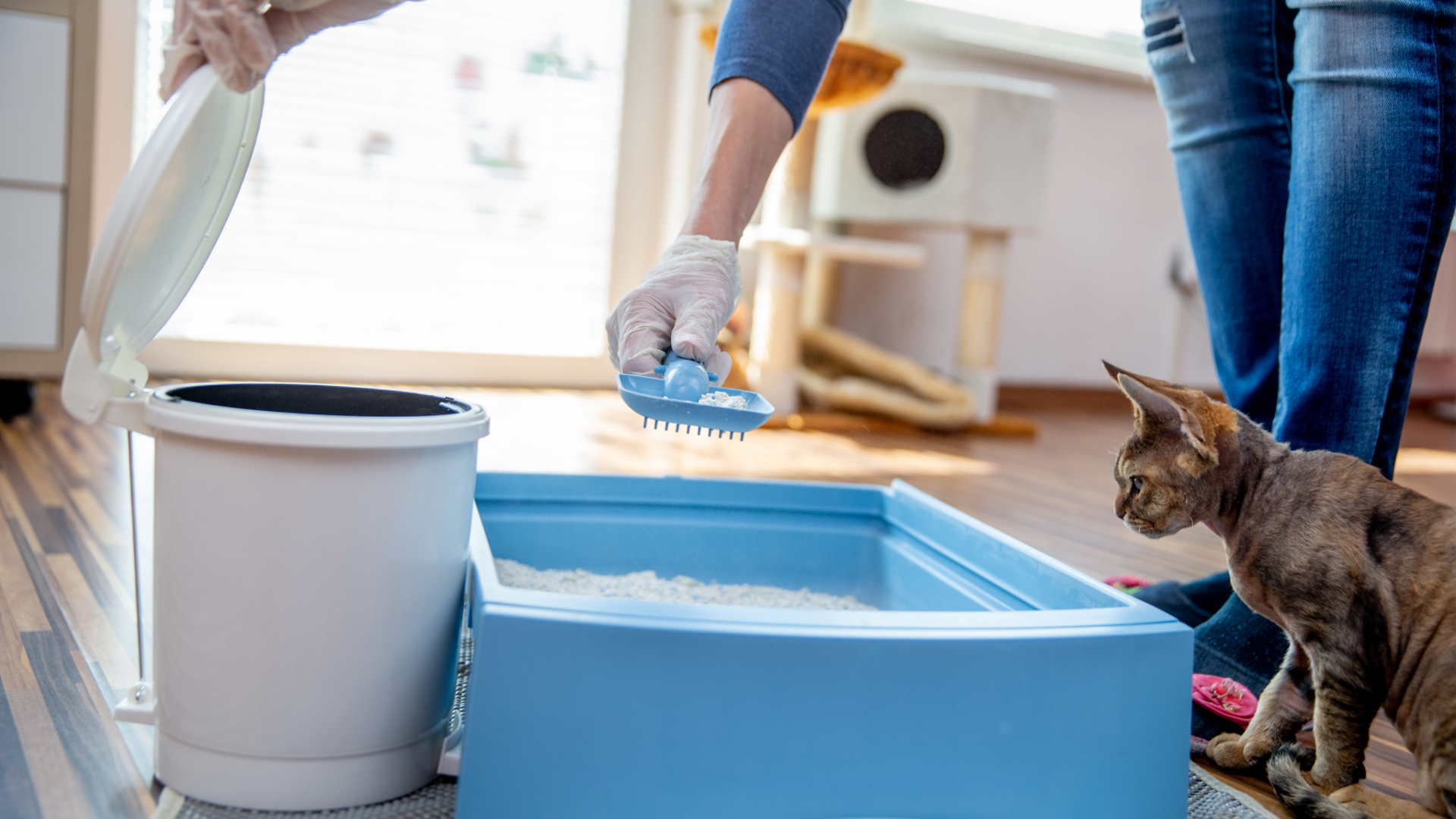
Choosing the right litter box is key to training a cat successfully. A good litter box makes the cat feel comfortable and safe. This helps the cat learn faster and avoid accidents. Picking the right box size and type fits the cat’s needs. Also, placing the box in the best spot encourages use. Both size and placement affect your cat’s habits and health.
Size And Type Options
Choose a litter box large enough for your cat to turn around easily. Small boxes can make cats uncomfortable and cause them to avoid using it. The box should be at least one and a half times your cat’s length.
There are different types of litter boxes:
- Open boxes:Easy to clean and good for shy cats.
- Covered boxes:Offer privacy but can trap smells.
- Self-cleaning boxes:Save time but may scare some cats.
Consider your cat’s age and behavior. Kittens and older cats may prefer open boxes for easy access.
Placement Tips
Place the litter box in a quiet, low-traffic area. Cats want privacy when using the box. Avoid noisy or busy spots like near washing machines or doorways.
Keep the box away from the cat’s food and water bowls. Cats do not like to eliminate close to their eating area.
Choose a spot easy for you to clean and check daily. Consistency in location helps your cat remember where to go.
Selecting The Best Litter
Choosing the right litter is essential for successful litter box training. The litter affects your cat’s comfort and willingness to use the box. It also impacts odor control and how easy it is to clean. Picking the best litter helps create a clean, inviting space for your cat.
Clumping Vs Non-clumping
Clumping litter forms solid clumps when wet. This makes it easy to scoop waste and keep the box clean. Cats often prefer clumping litter because it feels softer under their paws.
Non-clumping litter absorbs moisture but does not form clumps. It needs to be changed more often. Some cats like non-clumping litter if they dislike the texture of clumping types. Choose what fits your cleaning routine and your cat’s preference.
Scented Or Unscented
Scented litter has added fragrances to mask odors. Some cats dislike strong smells and may avoid the box. Unscented litter offers a neutral smell that many cats prefer. It allows you to control odors with regular cleaning instead of scents.
Select unscented litter for sensitive cats or if your cat is new to litter training. Scented litter might work if your cat is used to it and does not show signs of dislike.
Introducing The Cat To The Litter Box
Introducing your cat to the litter box is the first step in successful training. Cats need time and gentle guidance to accept this new habit. Patience and a calm approach help your cat feel safe and curious about the litter box.
Initial Placement
Place the litter box in a quiet, low-traffic area. Avoid noisy or busy rooms that might scare your cat. Make sure the location is easy to access at all times. Keep the box away from the cat’s food and water bowls. This separation respects your cat’s natural instincts.
Choose a spot with good lighting but not direct sunlight. A corner or a small room works well. Your cat should feel comfortable and private in this space.
Encouraging Exploration
Allow your cat to explore the litter box freely. Open the box and let your cat sniff and inspect it. Do not force your cat inside the box. Gentle encouragement works better than pressure.
- Use a calm voice to invite your cat near the box.
- Place your cat inside the box briefly after meals or naps.
- Reward curious behavior with soft praise or treats.
Repeat these steps several times a day. Consistency helps your cat learn that the litter box is safe and normal. Over time, your cat will start using the box naturally.
Credit: www.iams-india.com
Establishing A Routine
Establishing a routine is key to helping your cat quickly learn to use the litter box. Cats thrive on consistency, and setting predictable patterns makes them feel secure and confident. When you build a routine around feeding and bathroom breaks, your cat begins to understand what you expect, making training smoother and less frustrating for both of you.
Regular Feeding Times
Feed your cat at the same times every day. This predictability helps regulate their digestion and bathroom habits. When your cat knows when to expect food, their body adjusts, making it easier to anticipate when they need to use the litter box.
Try dividing daily food into two or three meals rather than free feeding. This schedule naturally creates bathroom breaks after meals. Have you noticed your cat tends to use the litter box shortly after eating? Use this to your advantage by guiding them to the box right after meals.
Frequent Litter Box Visits
Encourage your cat to visit the litter box often, especially during the training phase. Place them gently in the box after meals and naps to remind them where to go. This repetition helps build a clear connection between their need to go and the litter box location.
Watch for signs your cat needs to go, like sniffing or scratching around. Promptly guiding them to the box at these moments reinforces good habits. How often do you check on your cat’s behavior to catch these signals? Increasing your attention during training can reduce accidents significantly.
Handling Accidents
Accidents happen when training a cat to use the litter box. It is important to handle these moments with care and patience. Proper handling can encourage your cat to keep trying. Avoid frustration and focus on positive steps to guide your cat back on track.
Cleaning Techniques
Clean accidents quickly to remove odor and stains. Use enzymatic cleaners designed for pet messes. These cleaners break down urine and feces fully. Avoid ammonia-based cleaners as they can attract cats back to the spot. Blot the area with paper towels before cleaning.
Rinse the spot well and let it dry completely. You can sprinkle baking soda to absorb odors after cleaning. Vacuum the area once dry to remove residue. Keeping the area fresh helps prevent repeat accidents.
Avoiding Punishment
Never punish your cat for accidents. Cats do not understand punishment and may become scared. Scolding can cause stress and make training harder. Instead, stay calm and patient.
Use praise and treats when your cat uses the litter box correctly. Reward good behavior to encourage your cat. Understanding and kindness build trust and success. Focus on guiding your cat gently toward good habits.
Training Tips For Kittens Vs Adults
Training a kitten and training an adult cat to use a litter box require different approaches. Kittens are like blank slates; they learn quickly but need gentle guidance. Adult cats, on the other hand, might have habits or fears that need patience and understanding to change.
Understanding The Learning Pace
Kittens pick up litter box habits naturally as they explore their surroundings. They are eager to imitate their mother or siblings, making training smoother.
Adults may take longer since they might have previous bad experiences or habits. You need to observe their behavior and adapt your training to their pace.
Choosing The Right Litter Box And Location
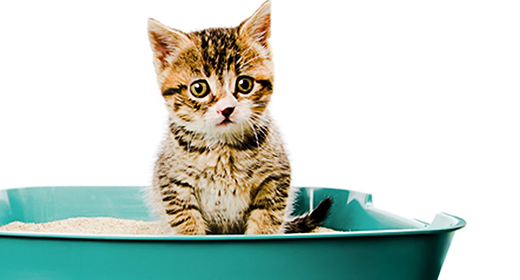
Kittens feel safer with smaller, low-sided boxes they can easily enter and exit. Place the box in a quiet, easily accessible spot where the kitten spends most of its time.
Adult cats prefer larger boxes with higher sides for privacy and to prevent litter scatter. Make sure the location is consistent and away from noisy appliances.
Using Positive Reinforcement Effectively
Kittens respond well to praise and treats immediately after using the litter box. Reward them right away to build a strong connection between their action and the positive outcome.
With adults, patience is key. Reward them but also calmly redirect if they make a mistake. Avoid punishment—it can increase anxiety and worsen the problem.
Dealing With Mistakes Differently
- Kittens:Mistakes are part of learning. Clean accidents quickly with an enzyme cleaner to remove odors, then gently guide them back to the box.
- Adults:Mistakes may signal stress or health issues. If accidents continue, consult a vet to rule out medical causes before adjusting training.
Consistency And Patience
Both kittens and adult cats need consistency in routine and environment. Kittens usually adapt faster but can still get distracted or scared.
Adults may test boundaries or regress if stressed. Keep your approach calm, consistent, and patient, and watch for small signs of progress.
Have you noticed your cat’s unique personality affecting their litter training? Sharing your experiences can help others find the right balance between patience and persistence.
Troubleshooting Common Issues
Training a cat to use a litter box usually goes smoothly. Still, some problems may arise. Understanding common issues can help keep your cat happy and your home clean.
Sometimes cats avoid the litter box. This can cause frustration for both of you. Identifying the cause helps fix the problem fast.
Avoiding Litter Box Aversion
Cats dislike dirty or smelly litter boxes. Clean the box daily to prevent this. Use unscented, soft litter that feels good on their paws.
Place the box in a quiet, private spot. Loud noises or busy areas scare cats away. Avoid moving the box too often, which can confuse your cat.
Try using the same type of litter your cat prefers. Sudden changes may cause refusal. Observe your cat’s behavior to spot any discomfort early.
Dealing With Multiple Cats
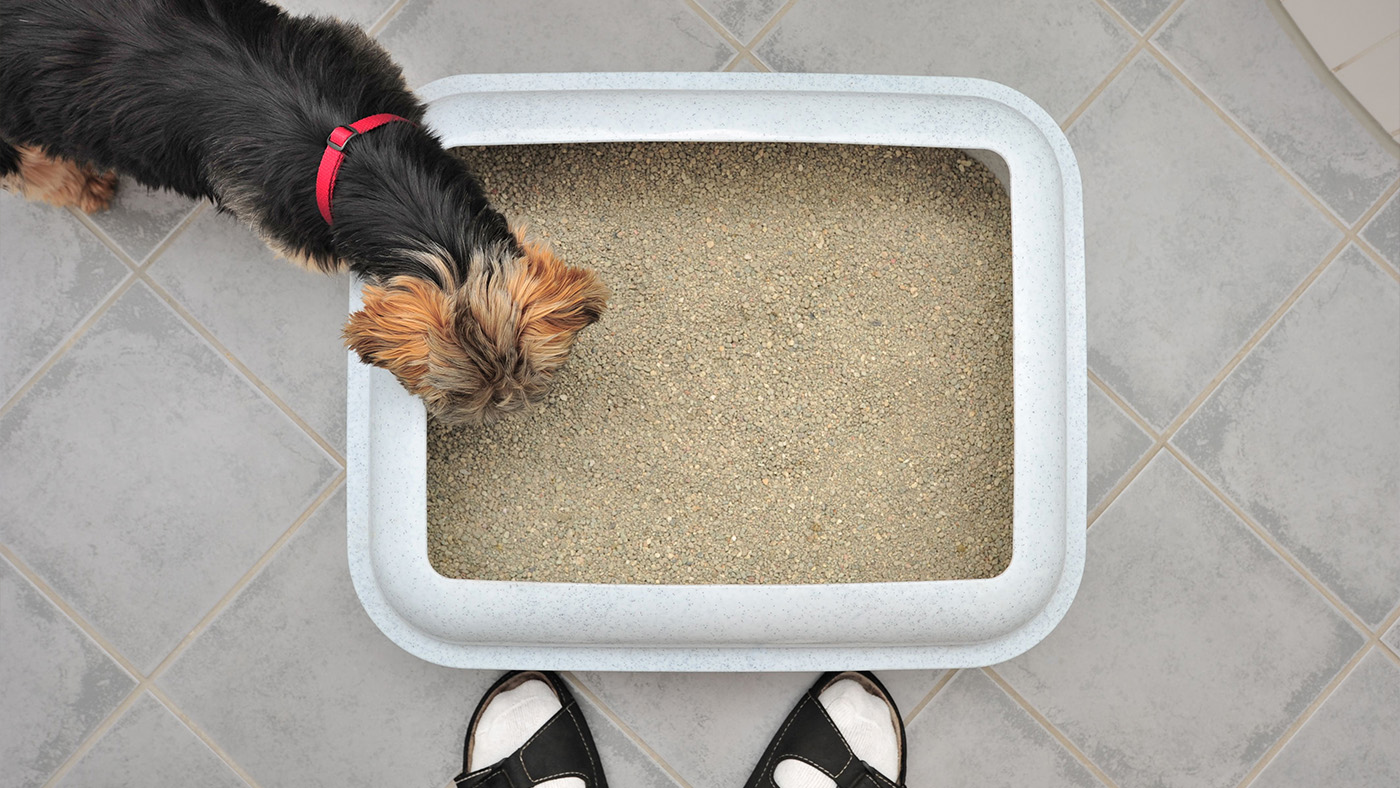
Multiple cats need multiple litter boxes. The rule is one box per cat, plus one extra. This reduces competition and stress.
Keep boxes in different locations. Cats like privacy and space. Clean each box regularly to avoid fights and messes.
Watch for dominant cats blocking access. Provide easy routes to all boxes. Separate boxes if needed to keep peace.
Credit: www.petsradar.com
Frequently Asked Questions
How Long Does It Take To Train A Cat To Use Litter Box?
Training a cat to use a litter box usually takes 1 to 2 weeks. Consistency and patience are key. Some cats learn faster, while others may need extra time and encouragement.
What Type Of Litter Is Best For Training Cats?
Clumping, unscented, and fine-grained litter is ideal for training cats. It mimics natural soil texture, making cats comfortable. Avoid strong fragrances as they can deter cats from using the litter box.
How Often Should I Clean The Cat’s Litter Box?
Clean the litter box daily by scooping waste. Replace litter fully once a week. Regular cleaning helps prevent odors and encourages your cat to use the box consistently.
Can Kittens Be Trained To Use A Litter Box?
Yes, kittens can be trained from 3 to 4 weeks old. Start by placing them in the litter box after meals. Positive reinforcement helps speed up the training process.
Conclusion
Training a cat to use a litter box takes time and patience. Start with a clean, quiet place for the box. Show your cat the litter and gently place them inside. Praise and reward good behavior to encourage use. Watch for signs your cat needs to go.
Stay consistent and calm during training. Soon, your cat will use the litter box on their own. A little effort helps keep your home clean and your cat happy. Keep practicing, and success will follow.
