

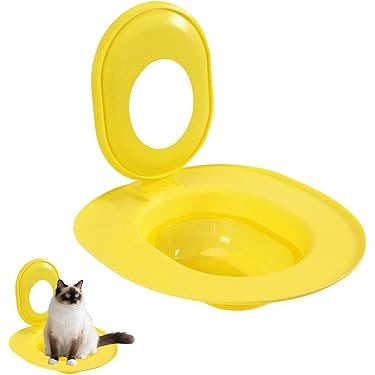
Getting your cat to use the potty instead of the litter box can feel like an impossible task. But what if you could save time, cut down on mess, and even reduce odors in your home?
Imagine the freedom of not having to scoop litter every day. If you’re tired of the hassle and ready for a cleaner, easier solution, this guide is made just for you. Keep reading to discover simple, proven steps to successfully potty train your cat—and transform your daily routine for good.
Benefits Of Potty Training Cats
Potty training cats offers many benefits for both pets and owners. It helps maintain a cleaner home and supports your cat’s well-being. Training your cat to use a designated potty area can make life easier and healthier for everyone involved.
Health And Hygiene Improvements
Potty training keeps your cat’s waste contained in one area. This reduces the spread of germs and bacteria around the house. It also lowers the chance of infections for your cat. Clean habits promote a healthier environment for your pet and family.
Convenience For Pet Owners
With a trained cat, cleaning becomes simpler and faster. No more worrying about scattered litter or accidents outside the box. It saves time and effort in daily chores. Your home stays fresh, and stress about messes decreases.
Environmental Impact
Potty training reduces the need for excessive litter use. Less litter means less waste ending up in landfills. It supports a greener lifestyle and lowers your carbon footprint. Training your cat can contribute to protecting the planet in small ways.
Credit: elisabethbarek.com
Choosing The Right Potty System
Choosing the right potty system for your cat is key to a smooth training experience. Not every option fits every cat or home, so understanding what’s available helps you make a smart choice. Think about your cat’s personality, your living space, and how much time you can dedicate to maintenance.
Types Of Cat Potty Options
There are several types of potty systems designed for cats, each with unique features:
- Traditional Litter Boxes:Simple and widely used, these come in open or covered designs. They’re easy to find and usually budget-friendly.
- Self-Cleaning Litter Boxes:These automate the cleaning process, saving you time but often require a higher upfront cost.
- Training Pads and Trays:Great for kittens or cats new to potty training, these provide a designated spot that’s easy to clean.
- Grass or Natural Potty Systems:Some cats prefer natural materials like grass or soil, which can be a good option if you want to encourage outdoor-like habits indoors.
Have you noticed your cat’s preference for open or private spaces? This can guide your choice between open boxes and covered or enclosed systems.
Factors To Consider
When choosing a potty system, focus on what fits your cat’s needs and your lifestyle. Size matters—a box too small can discourage use.
- Ease of Cleaning:Will you have time to scoop daily, or do you need an automated option?
- Odor Control:Some systems trap smells better than others, which is important in smaller living spaces.
- Material and Safety:Ensure the materials are non-toxic and safe for your cat’s paws.
- Cost:Consider both initial price and ongoing expenses like litter refills or replacement parts.
- Behavioral Fit:Does your cat prefer privacy or open areas? Are they sensitive to noise or movement?
Think about how these factors match your daily routine. What compromises are you willing to make?
Recommended Products
| Product | Type | Best For | Key Features |
|---|---|---|---|
| PetSafe ScoopFree Ultra | Self-Cleaning Litter Box | Busy owners who want low maintenance | Automatic rake, disposable trays, odor control |
| IRIS Open Top Cat Litter Box | Traditional Open Litter Box | Cats who dislike enclosed spaces | Large size, easy to clean, budget-friendly |
| Modkat Flip Litter Box | Covered Litter Box | Homes needing odor control and privacy | Top entry, washable liner, modern design |
| Fresh Patch Real Grass Pet Potty | Natural Grass System | Cats transitioning from outdoor to indoor | Real grass, compostable, natural scent control |
Which product aligns with your cat’s habits and your lifestyle? Trying one that suits your specific needs can make potty training less frustrating and more successful.
Preparing Your Cat For Training
Preparing your cat for potty training sets the stage for success. It helps you understand your cat’s habits and creates a comfortable environment that encourages learning. Taking the time to prepare thoughtfully can reduce stress for both you and your cat.
Assessing Your Cat’s Readiness
Not every cat is ready to start potty training at the same time. Watch for signs like your cat showing interest in the litter box or staying dry for longer periods. If your cat seems anxious or avoids the litter box, it might be best to wait a little longer before starting.
Think about your cat’s age and personality. Younger cats usually adapt faster, but some older cats may surprise you with their ability to learn. Have you noticed your cat watching you closely or mimicking your actions? These can be good clues that your cat is ready.
Setting Up The Training Area
Choose a quiet, low-traffic spot for the training area. Cats prefer privacy when they go potty, so avoid placing the training setup near noisy appliances or busy rooms. The right location can make your cat feel safe and more willing to try.
Make sure the area is easy for your cat to access at all times. You might want to keep the door open or remove obstacles. This simple change can prevent accidents and frustration during training.
Gathering Necessary Supplies
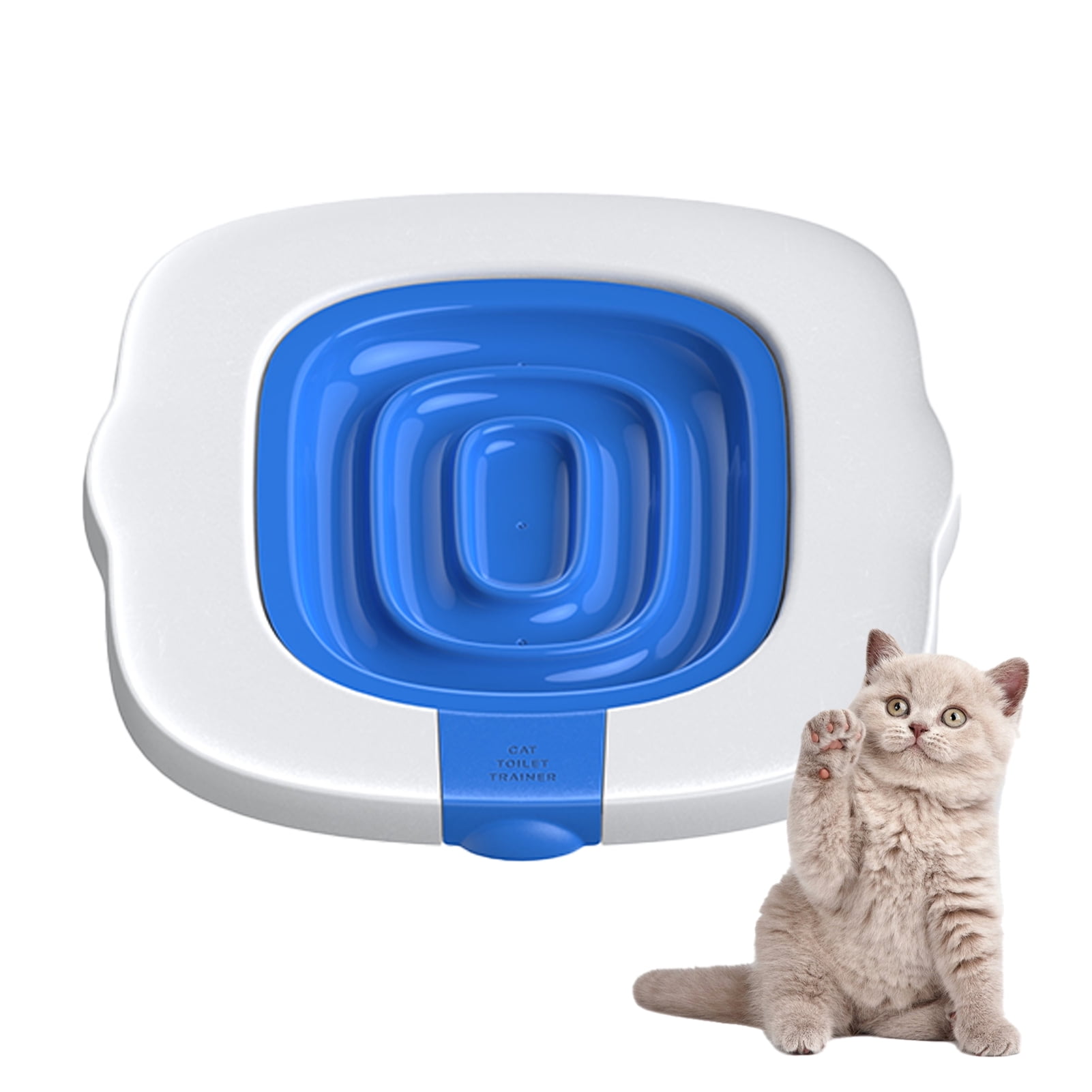
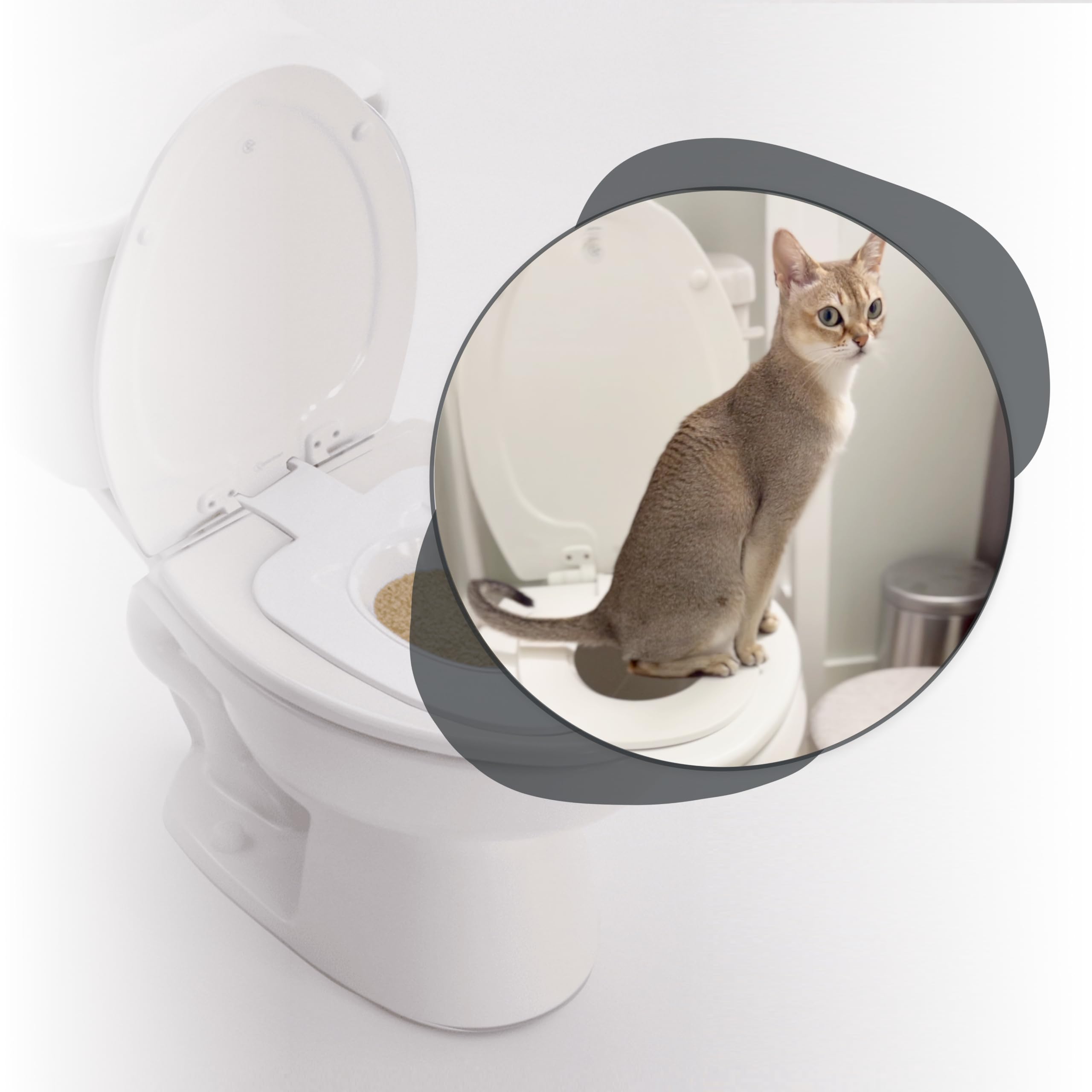
Having the right supplies ready will keep the process smooth. You’ll need a cat potty or training seat, some litter or training pads, and cleaning supplies for any mishaps. Choosing the right type of litter is important—some cats prefer fine-grained litter, while others like natural materials.
Consider adding treats or toys to reward your cat’s progress. Positive reinforcement makes learning enjoyable and motivates your cat to keep trying. What small rewards does your cat respond to best?
Credit: www.amazon.com
Step-by-step Training Process
Training a cat to use a potty requires patience and clear steps. This process helps your cat learn new habits quickly. Follow each part carefully for the best results.
Introducing The Potty System
Start by placing the potty system in a quiet, easy-to-access spot. Let your cat explore it freely. Avoid forcing your cat inside. Use gentle encouragement and allow curiosity to guide them.
Place familiar bedding or litter on the potty at first. This helps your cat feel comfortable. Gradually replace bedding with the potty material over days.
Encouraging Usage
Watch for signs your cat needs to go, like sniffing or scratching. Gently guide your cat to the potty at these moments. Use a calm voice and soft touch to lead them.
Reward your cat immediately after they use the potty. Use treats or praise to build positive association. Consistency helps your cat understand the new routine.
Handling Accidents
Accidents are normal during training. Clean messes thoroughly to remove odors and prevent repeat accidents. Avoid scolding or punishment. This can cause fear and confusion.
Stay patient and keep encouraging your cat. Note accident patterns to adjust training timing. Keep the potty clean and inviting.
Reinforcing Positive Behavior
Continue praising your cat for using the potty correctly. Use treats and affection to reinforce good habits. Keep training sessions short and positive.
Gradually reduce treats as your cat becomes consistent. Maintain a clean potty area at all times. This encourages your cat to keep using it regularly.
Common Challenges And Solutions
Training your cat to use a potty can be tricky. You might face some common challenges that make the process slower or frustrating. Understanding these obstacles and knowing how to handle them can keep you on track and help your cat adjust smoothly.
Reluctance To Use The Potty
Sometimes cats just refuse to use the potty. This could be due to the potty’s location, the type of litter, or even the potty’s size.
Try moving the potty to a quiet, easily accessible spot. Experiment with different litter types—some cats prefer finer textures or unscented options. Also, make sure the potty is big enough for your cat to move comfortably.
Have you noticed your cat avoiding the potty after a change? They might be reacting to something you missed. Patience and small adjustments can make a big difference.
Regression Issues
Cats can sometimes stop using the potty after they’ve started. Stress, changes in routine, or a dirty potty might cause this.
Keep the potty clean by scooping it daily and washing it weekly. If there’s a recent change at home, try to maintain consistency in feeding and playtime to reduce stress.
Watch for any triggers that might be causing regression. Could a new pet or rearranged furniture be unsettling your cat?
Health Concerns To Watch For
Ignoring health issues can make potty training impossible. Urinary tract infections or other medical problems can cause your cat to avoid the potty.
If your cat suddenly stops using the potty or shows signs of discomfort, visit your vet promptly. Early treatment can prevent long-term problems and keep your training on track.
Always consider health as a factor. Sometimes what seems like misbehavior is actually a cry for help.
Maintaining The New Routine
Maintaining a new potty routine for your cat ensures lasting success. Consistency and care keep your cat comfortable and confident. It helps prevent accidents and keeps your home clean. Small daily habits make a big difference over time.
Cleaning And Maintenance Tips
Clean the potty area every day to avoid odors. Use mild soap and warm water for washing. Avoid strong chemicals that can deter your cat. Replace litter or pads regularly to keep it fresh. Check for any damage to the potty and fix it quickly. A clean spot encourages your cat to keep using it.
Monitoring Your Cat’s Behavior
Watch your cat’s actions closely after training. Notice signs of stress or confusion around the potty. Look for any accidents outside the designated area. Pay attention to changes in your cat’s bathroom habits. Early detection helps solve problems before they grow. Praise your cat when it uses the potty correctly.
Adjusting As Needed
Be ready to change the routine if needed. Try different types of litter or potty styles. Move the potty to a quieter or more accessible spot. Adjust cleaning frequency based on your cat’s preferences. Remember, patience is key to success. Adapt to your cat’s needs to keep the routine working well.
Tips From Experienced Cat Owners
Learning from other cat owners can make potty training easier and less stressful. They share real experiences and simple tips that work well in daily life. Understanding their approaches helps you avoid common mistakes and encourages your cat to use the potty successfully.
Success Stories
Many cat owners have trained their cats to use a potty with patience and care. One owner switched to a small litter box inside the bathroom, which helped the cat feel safe and comfortable. Another shared how consistent praise and treats motivated their cat to learn quickly.
Some cats took time, but steady routines always helped. Owners noticed their cats adapted better when the potty was kept clean and in a quiet spot. These stories show that gentle persistence brings good results over time.
Expert Advice
- Start training when your cat is young for easier learning.
- Use a potty size that fits your cat well to avoid discomfort.
- Place the potty in a calm area away from loud noises or busy places.
- Keep the potty clean to encourage use and avoid bad smells.
- Reward your cat immediately after it uses the potty to build positive habits.
- Be patient and consistent; cats need time to adjust to new routines.
Additional Resources
Books, online forums, and videos offer useful tips and support. Many cat owners share photos and videos showing their training progress. These resources provide ideas for potty types, placement, and reward systems. Exploring them can inspire new techniques and keep you motivated.

Credit: www.walmart.com
Frequently Asked Questions
How Long Does Cat Potty Training Take?
Cat potty training usually takes 2 to 6 weeks. Consistency, patience, and positive reinforcement speed up the process. Every cat learns at its own pace. Make sure to provide a clean litter box and reward good behavior.
What Supplies Do I Need For Cat Potty Training?
You need a litter box, cat litter, and cleaning supplies. Choose litter that your cat prefers. Place the box in a quiet, accessible area. Training aids like treats and toys can encourage your cat.
Can Kittens Be Potty Trained Easily?
Yes, kittens learn potty habits quickly. Start training at 8 weeks old for best results. Keep the litter box clean and accessible. Praise and reward your kitten for using the box.
Why Is My Cat Avoiding The Litter Box?
Cats avoid litter boxes due to cleanliness, location, or stress. Ensure the box is clean and placed in a quiet spot. Avoid sudden changes in the household. Consult a vet if issues persist.
Conclusion
Training your cat to use the potty takes time and patience. Stay calm and keep routines steady. Praise your cat often for good behavior. Use simple steps and avoid rushing progress. Clean the potty area regularly to keep it fresh.
Remember, every cat learns at its own pace. Small successes lead to big results. Enjoy the process and build trust with your pet. Potty training helps keep your home clean and happy. Keep trying, and you will see positive changes soon.
