

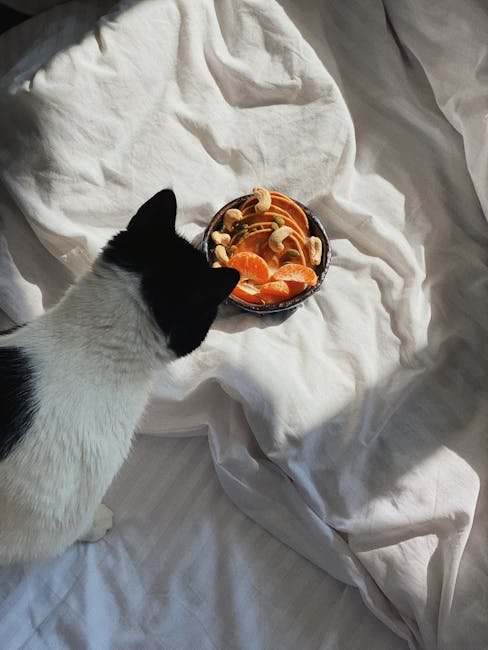
If you want your cat to stay healthy and happy, understanding wet cat food nutrition is key. You might wonder what makes wet food different from dry and why it could be better for your furry friend.
Knowing what’s inside that can or pouch helps you choose the best option for your cat’s needs. You’ll discover how wet cat food supports your pet’s health, what nutrients to look for, and tips to make feeding time both nutritious and enjoyable.
Keep reading to give your cat the care it deserves.
Benefits Of Wet Cat Food
Wet cat food offers many benefits that support your cat’s health and happiness. It contains high moisture content, which helps cats stay hydrated. The texture and taste are appealing to many cats, encouraging better eating habits. Wet food also delivers concentrated nutrients in every bite, making it a strong choice for balanced nutrition.
Hydration Support
Cats often do not drink enough water. Wet cat food has up to 80% moisture. This helps keep cats hydrated naturally. Proper hydration supports kidney health and reduces urinary problems. It is especially important for cats that eat mainly dry food.
Enhanced Palatability
Wet cat food has a rich aroma and soft texture. These qualities make it more appealing to picky eaters. Cats enjoy the taste and are more likely to finish their meals. This helps maintain consistent nutrition and healthy weight.
Nutrient Density
Wet food contains concentrated proteins and fats. It provides essential vitamins and minerals in each serving. This density supports muscle maintenance and energy needs. Wet food is ideal for cats with higher nutrient demands, like kittens and seniors.
Key Nutrients In Wet Cat Food
Understanding the key nutrients in wet cat food helps you make better choices for your feline friend’s health. Wet cat food is designed to provide a balanced diet that meets your cat’s natural needs. Let’s break down the essential nutrients that keep your cat energetic and thriving.
Protein Sources
Protein is the foundation of your cat’s diet. Cats need high-quality animal proteins like chicken, turkey, fish, or beef to support muscle growth and repair.
Unlike plants, animal proteins contain all the essential amino acids cats require. Have you ever noticed your cat’s energy surge after a meal rich in meat? That’s the power of protein at work.
Essential Fats
Fats are more than just a source of energy; they keep your cat’s skin healthy and coat shiny. Wet cat food often includes omega-3 and omega-6 fatty acids, which support brain function and reduce inflammation.
Look for ingredients like fish oil or chicken fat on the label. These fats also help your cat absorb fat-soluble vitamins. How often do you check if your cat’s food contains these vital fats?
Vitamins And Minerals
Vitamins and minerals play a crucial role in your cat’s overall health. Taurine, a vital amino acid found in meat, is essential for heart and eye health, but cats cannot produce enough on their own.
Wet cat food also provides vitamin A, vitamin D, calcium, and phosphorus to support strong bones and a healthy immune system. Ensuring your cat gets these nutrients daily can make a big difference in their long-term well-being.
Choosing Quality Wet Cat Food
Choosing quality wet cat food impacts your cat’s health daily. Cats need food rich in protein and moisture. Wet cat food offers hydration and nutrients in every bite. Picking the right product means checking labels carefully and knowing what to avoid. Quality wet food supports strong muscles, shiny fur, and a happy cat.
Reading Ingredient Lists
Start with the ingredient list on the label. Ingredients appear in order by weight. The first few ingredients matter most. Look for real meat like chicken, turkey, or fish. Whole proteins provide essential amino acids cats need. Avoid vague terms like “meat by-products” or “animal digest.” These offer less nutritional value. Ingredients should be clear and specific. This helps ensure your cat gets quality nutrition.
Avoiding Fillers And Additives
Fillers add bulk but little nutrition. Common fillers include corn, wheat, and soy. These can cause allergies or digestive issues in some cats. Artificial colors, flavors, and preservatives can harm health. They may cause allergies or upset stomachs. Look for wet cat food without these additives. Natural preservatives like vitamin E or C are safer. Clean food means fewer risks and better health for your cat.
Recognizing Aafco Standards
AAFCO sets rules for pet food quality. Check if the wet food meets AAFCO nutritional standards. This means the food provides complete and balanced nutrition. Look for phrases like “formulated to meet AAFCO standards” on the label. Foods with this guarantee support your cat’s growth and maintenance. Feeding AAFCO-approved food reduces nutritional gaps. It ensures your cat’s diet is safe and reliable.
Feeding Guidelines For Wet Food
Knowing how to feed wet cat food correctly can make a big difference in your cat’s health and happiness. Wet food has different moisture content and calorie density than dry food, so adjusting feeding habits is important. Let’s look at some practical guidelines to help you provide the right amount and frequency for your feline friend.
Portion Control
Portion control is key to avoid overfeeding or underfeeding your cat. Wet food often comes in cans or pouches with clear serving sizes—use these as a starting point.
Check your cat’s ideal weight and activity level to adjust portions. For instance, an active cat may need more calories than a sedentary one.
Keep in mind that wet food has higher moisture, so your cat might feel fuller faster. Watch how much your cat actually eats and adjust the portions accordingly.
Transitioning From Dry To Wet
Switching your cat to wet food should be gradual to prevent digestive upset. Start by mixing a small amount of wet food with their usual dry food.
Increase the wet food portion slowly over a week or two while decreasing dry food. This helps your cat get used to the new taste and texture without stress.
If your cat resists, try warming the wet food slightly or adding a bit of tuna juice to make it more appealing.
Feeding Frequency
Consider feeding your cat wet food two to three times a day. Unlike dry food, wet food can spoil quickly if left out, so smaller, more frequent meals are better.
Some cats prefer grazing, but wet food doesn’t work well for that due to moisture content. Setting regular meal times can help you monitor intake and maintain portion control.
Ask yourself: is your cat’s energy steady throughout the day? If not, adjusting the feeding schedule might improve their mood and health.
Special Diets And Wet Food
Special diets play a crucial role in your cat’s health, especially when you choose wet food. Wet cat food can be tailored to support various health needs, making it easier to manage your cat’s specific conditions. Understanding how wet food fits into these diets helps you make smarter feeding choices.
Weight Management
Wet food is often lower in calories but high in moisture, which can help your cat feel full without overeating. If your cat is overweight, switching to wet food can support weight loss by reducing calorie intake while keeping them hydrated.
Look for wet foods labeled “light” or “weight control” that have balanced protein and fewer fats. Do you monitor your cat’s weight regularly? Small changes in diet can prevent bigger health problems down the line.
Allergies And Sensitivities
Cats with allergies or food sensitivities benefit from wet food that uses limited ingredients or novel proteins. These diets reduce exposure to common allergens and help identify what your cat can safely eat.
Wet food allows you to try formulas with single protein sources like duck or rabbit, which are less likely to cause reactions. Have you noticed your cat scratching more or experiencing digestive issues? Switching to a specialized wet food might ease their discomfort.
Senior Cat Nutrition
As cats age, their nutritional needs change, and wet food can be easier for them to eat and digest. Senior formulas often include extra nutrients like omega-3 fatty acids and antioxidants to support joint health and cognitive function.
Wet food’s high moisture content also helps prevent urinary tract problems, which are common in older cats. Does your senior cat drink enough water? Offering wet food can boost hydration without extra effort from you.
Common Myths About Wet Food
Wet cat food often faces myths that confuse pet owners. These myths can affect your choice and your cat’s health. Understanding the truth helps you make better feeding decisions. Let’s explore common myths about wet food and clarify facts.
Wet Food And Dental Health
Many believe wet food harms cat teeth. They think it causes plaque and cavities. Wet food is softer, so it does not scrape teeth like dry kibble. But it does not automatically cause dental problems. Regular dental care and vet checkups keep teeth healthy. Wet food’s moisture can actually help reduce tartar buildup. It does not replace brushing but supports oral health.
Wet Food Causing Urinary Issues
Some say wet food causes urinary problems. This is not true. Wet food contains more water, which helps cats stay hydrated. Proper hydration lowers the risk of urinary tract issues. Cats eating dry food only may drink less water. Urinary problems come from poor diet balance or genetics, not wet food alone. Choose a quality wet food with balanced minerals to support urinary health.
Wet Food Spoilage Concerns
Owners worry wet food spoils quickly after opening. Wet food does have a shorter shelf life once opened. But storing it properly keeps it fresh. Use airtight containers or cover the bowl and refrigerate. Serve small portions to avoid waste. Spoiled food smells bad and changes texture. Always check the smell and appearance before feeding your cat.
Storing And Handling Wet Cat Food
Proper storage keeps wet cat food fresh and maintains its nutrients. Refrigerate opened cans to prevent spoilage and preserve vitamins. Handle gently to avoid contamination and support your cat’s health.
Ensuring your cat gets the most out of their wet food involves more than just opening a can. Proper storing and handling techniques are essential to preserve the nutrients and taste. You wouldn’t want your furry friend to miss out on the delicious and nutritious meal they deserve. Let’s explore how you can keep wet cat food safe and fresh.Proper Storage Techniques
Storing unopened wet cat food cans in a cool, dry place is crucial. Ideally, keep them in a pantry away from direct sunlight. Once opened, transfer any unused food to an airtight container and refrigerate it immediately to maintain freshness. Avoid storing open cans directly in the fridge. This not only affects the taste but can also lead to contamination. Use containers that seal tightly to prevent the food from drying out.Shelf Life After Opening
Once you crack open that can, the clock starts ticking. Typically, wet cat food remains safe in the refrigerator for up to 3 days. Make sure to label the container with the date it was opened to avoid any guesswork. If you notice any changes in smell or texture, it’s better to be safe and discard it. Remember, your cat’s health is worth more than trying to stretch a few extra servings.Serving Temperature Tips
Cats can be quite finicky about the temperature of their food. Serving it straight from the fridge might not be appealing to them. Gently warm the food to room temperature to enhance its aroma and taste. Avoid using a microwave to heat wet cat food. Instead, let it sit out for a few minutes or warm it briefly in a warm water bath. This ensures the food remains safe and delicious for your feline friend. Taking these steps will ensure your cat’s meals are not only delicious but also safe and nutritious. How do you ensure your pet’s food is stored and served just right? Let’s hear your tips and tricks in the comments!Frequently Asked Questions
What Nutrients Are Essential In Wet Cat Food?
Wet cat food should contain protein, fat, vitamins, and minerals. High protein supports muscle health. Fat provides energy and supports skin health. Vitamins and minerals promote overall wellness and immune support.
How Does Wet Cat Food Benefit My Cat’s Health?
Wet cat food helps keep cats hydrated due to its high moisture content. It aids digestion, supports urinary tract health, and is often more palatable for picky eaters.
Is Wet Cat Food Better Than Dry Food Nutritionally?
Wet food generally contains more moisture and fewer carbs than dry food. It supports hydration and urinary health. However, both types can be nutritionally balanced if formulated properly.
Can Wet Cat Food Cause Weight Gain In Cats?
Wet cat food can cause weight gain if overfed. Portion control is key. Choose formulas with appropriate calorie content for your cat’s activity level.
Conclusion
Wet cat food provides essential nutrients for your pet’s health. It keeps cats hydrated and supports digestion. High-quality ingredients offer protein and vitamins cats need daily. Feeding wet food can help maintain a healthy weight. Always check labels for balanced nutrition and avoid fillers.
Your cat’s wellbeing improves with proper diet choices. Small changes make a big difference in their life. Choose wet cat food that suits your cat’s taste and health needs. A healthy cat is a happy cat.
