

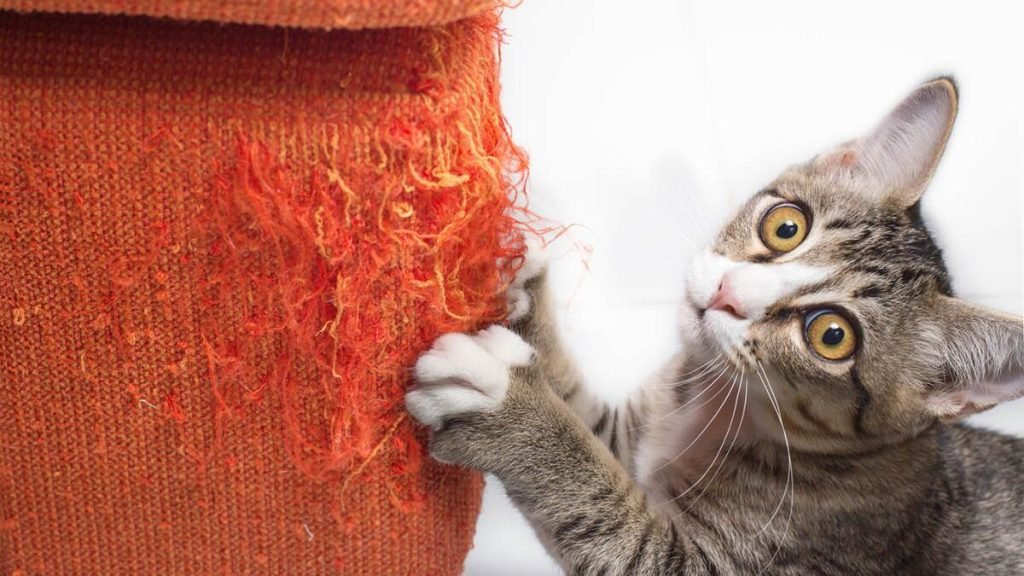
Is your couch covered in scratches, and you’re at your wit’s end? You love your cat, but those sharp claws are turning your favorite furniture into a mess.
The good news is, you don’t have to choose between a happy cat and a pristine couch. With the right approach, you can teach your furry friend to stop scratching your couch—without stress or frustration. Keep reading, and you’ll discover simple, effective steps that protect your furniture and keep your cat content.
Your couch will thank you, and so will your cat!
Why Cats Scratch
Cats scratching furniture puzzles many pet owners. Understanding why cats scratch helps stop this behavior. Scratching is more than just a bad habit. It is a natural and important activity for cats. This section explains why cats scratch couches and other surfaces.
Natural Instincts
Scratching comes from a cat’s natural instincts. In the wild, cats scratch to stretch their muscles. It keeps them agile and healthy. Scratching also helps cats sharpen their claws. The action removes old claw layers and reveals new ones. This behavior is normal and healthy for all cats.
Marking Territory
Cats use scratching to mark their territory. Their paws have scent glands that leave a smell behind. This scent tells other animals that the area belongs to them. Scratching on furniture is a way to claim space. It gives cats a sense of security in their home.
Nail Maintenance
Scratching helps cats maintain their nails. It stops their claws from growing too long. Long nails can cause pain or get caught in fabric. By scratching, cats keep their claws strong and sharp. This is a natural way to care for their nails every day.
Signs Your Cat Is About To Scratch
Recognizing the signs your cat is about to scratch your couch can save you a lot of frustration and damage. Cats don’t just scratch randomly; they usually give clear signals before they start. Paying attention to these signs helps you intervene early and redirect their behavior effectively.
Body Language
Your cat’s body language speaks volumes before scratching. Watch for raised claws and a focused stare on the couch. Often, they’ll arch their back slightly or shift their weight forward, preparing to dig in their claws.
Tail flicking or twitching can also signal agitation or excitement, which often precedes scratching. Ears pointed forward or slightly to the side show they are alert and interested in the spot. If you notice your cat digging their paws into the floor or scratching the air, it’s a clear warning.
Common Triggers
Certain triggers make cats more likely to scratch your furniture. New smells, changes in environment, or the presence of other pets can stress your cat and prompt scratching. Sometimes, the texture of the couch itself invites scratching because it feels satisfying under their claws.
Does your cat scratch more after waking up or during playtime? These moments often increase their scratching urges. Understanding these triggers lets you prepare by offering a scratching post or distracting your cat before damage occurs.
Preparing Your Home
Preparing your home helps stop your cat from scratching the couch. Cats need a place to scratch. They use scratching to stretch and mark territory. Giving them the right tools keeps your furniture safe. Setting up a good environment makes training easier and more effective.
Choosing Scratching Posts
Select posts that feel good to your cat’s paws. Look for posts covered in sisal or carpet material. Tall posts help cats stretch fully. Some cats prefer horizontal scratchers. Try different types to see what your cat likes. A few different posts can keep your cat interested.
Placing Posts Strategically
Put scratching posts near your couch first. Cats usually scratch where they spend time. Place posts in sunny or busy areas. Move posts if your cat ignores them. Use catnip or toys to attract your cat to posts. Keep posts stable so they do not wobble.
Protecting Furniture
Cover couch areas with slipcovers or plastic sheets. Use double-sided tape on spots your cat scratches. Cats dislike sticky surfaces. Try furniture protectors made for cats. Keep your couch clean from cat hair and scents. This reduces your cat’s urge to scratch there.

Credit: www.youtube.com
Training Techniques
Training a cat not to scratch the couch requires patience and consistent effort. Using the right techniques helps your cat learn what is acceptable. Positive methods encourage good behavior without fear or stress. Below are some effective training techniques to guide your cat away from the couch.
Positive Reinforcement
Reward your cat when it scratches the right place. Use treats, praise, or petting to show approval. This helps your cat understand what behavior you want. Keep rewards immediate and consistent for best results.
Place scratching posts near the couch. When your cat uses them, give a reward. This builds a strong connection between good behavior and positive outcomes. Avoid punishment as it can cause fear and confusion.
Redirecting Behavior
Gently move your cat away from the couch if it starts scratching. Lead it to the scratching post instead. This shows your cat where scratching is allowed. Be calm and patient during this process.
Provide different types of scratching surfaces. Cats prefer vertical or horizontal posts. Experiment with materials like sisal or cardboard. Variety keeps your cat interested and less likely to use the couch.
Using Deterrents
Apply safe deterrents on the couch to discourage scratching. Double-sided tape or plastic covers work well. Cats dislike the texture and avoid those areas.
Use scents cats avoid, such as citrus or lavender. Spray lightly on couch corners. This creates a natural barrier without harming your pet.
Place noisy objects near the couch, like aluminum foil. The sound startles cats and stops scratching. Always use gentle methods to keep your cat comfortable.
Maintaining Healthy Claws
Maintaining healthy claws is a key step in training your cat not to scratch the couch. When your cat’s claws are well cared for, they become less sharp and less likely to cause damage. Plus, healthy claws mean your cat stays comfortable and happy, which makes training easier for both of you.
Regular Nail Trimming
Trimming your cat’s nails regularly helps reduce the sharpness that leads to couch scratches. Use a special pet nail clipper and be careful to avoid the quick—the pink area inside the nail that contains nerves and blood vessels.
Try trimming every two to three weeks. It might feel tricky at first, but many cats quickly get used to the routine. If your cat resists, try distracting them with treats or gentle petting to make the experience positive.
Using Nail Caps
Nail caps are small, soft covers that fit over your cat’s claws. They prevent damage by dulling the sharp tips without hurting your cat. These caps usually last for several weeks and are a great alternative if trimming is difficult.
Applying nail caps requires patience and practice. You can find kits at pet stores, and many come with safe adhesives. Have you ever tried nail caps before? They might be the simple solution that saves your couch and keeps your cat comfortable.

Credit: yourcatbackpack.com
Patience And Consistency
Training your cat not to scratch the couch takes a lot of patience and consistency. Cats don’t learn overnight, and their natural instincts often clash with your furniture’s safety. Staying calm and persistent is key to guiding your furry friend toward better scratching habits without stressing either of you.
Setting Realistic Expectations
You might hope your cat stops scratching immediately, but that’s rarely how it works. Cats scratch to mark territory and keep their claws healthy, so expect gradual progress instead of instant change.
Think about small wins. Maybe your cat uses the scratching post more often or scratches the couch less frequently. Celebrate those moments—they show you’re on the right track.
Ask yourself: Is your cat simply shifting where they scratch, or reducing the behavior altogether? This helps keep your goals clear and achievable.
Tracking Progress
Keeping track of your cat’s scratching habits helps maintain motivation and adjust your approach. Try using a simple journal or app to note when and where your cat scratches.
Record details like time of day, location, and your cat’s mood or activity before scratching. This can reveal patterns you didn’t notice before.
Tracking also helps you stay consistent with training efforts. If you notice progress slowing down, you can tweak your strategy before frustration sets in.
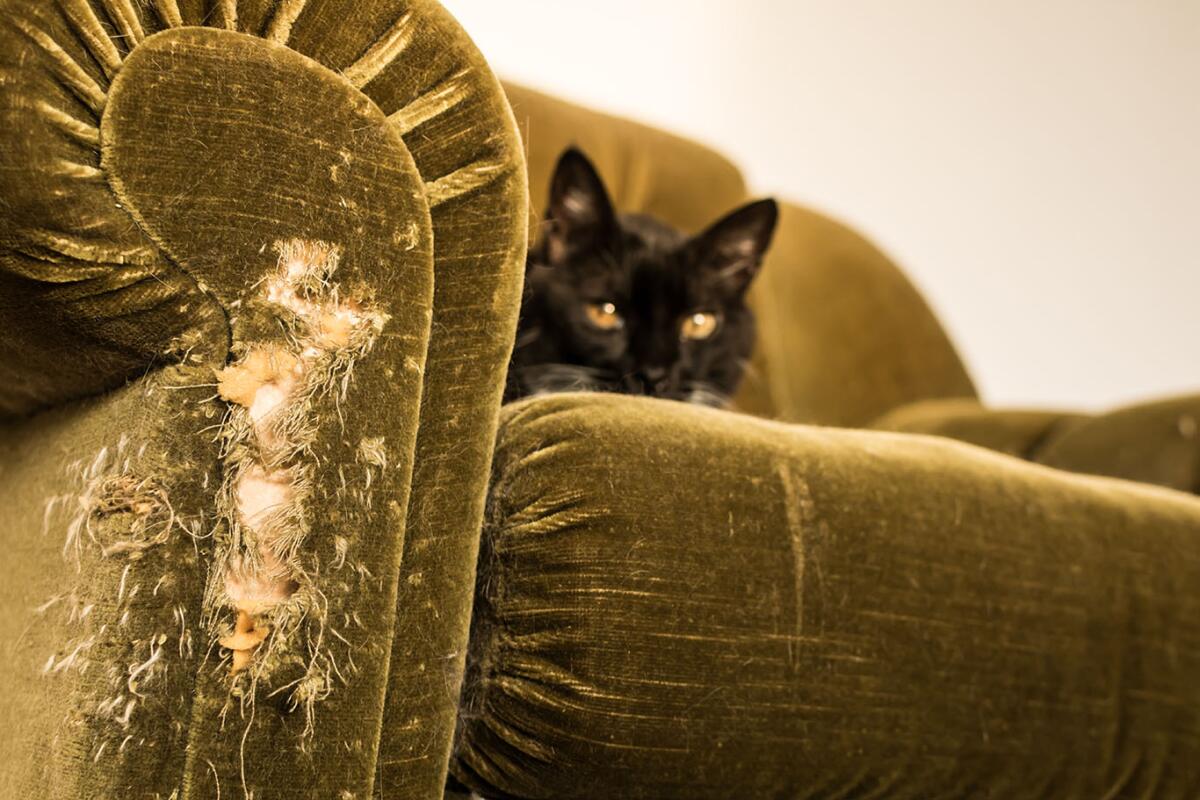
Credit: www.latimes.com
Frequently Asked Questions
How Can I Stop My Cat From Scratching The Couch?
Provide scratching posts near the couch to redirect behavior. Use deterrents like double-sided tape on couch edges. Reward your cat for using appropriate scratching areas consistently.
What Materials Deter Cats From Scratching Furniture?
Cats dislike sticky, rough, or slippery surfaces. Use double-sided tape, aluminum foil, or plastic covers on couch areas. These materials discourage scratching and protect your furniture effectively.
How To Train A Cat To Use A Scratching Post?
Place the scratching post near the couch. Use catnip or toys to attract your cat. Praise and reward them when they use the post instead of the couch.
Can Nail Trimming Reduce Couch Scratching?
Yes, regular nail trimming reduces damage from scratching. Trim your cat’s nails every 1-2 weeks carefully. This minimizes harm while allowing natural scratching behavior.
Conclusion
Training your cat not to scratch the couch takes time and patience. Provide scratching posts nearby and reward good behavior. Cover the couch with protective materials to discourage scratching. Regular nail trimming also helps reduce damage. Remember, cats scratch to mark territory and keep nails healthy.
Be consistent and gentle with your training. Soon, your cat will choose the right place to scratch. This keeps your furniture safe and your cat happy. Stay calm and enjoy the process.
