

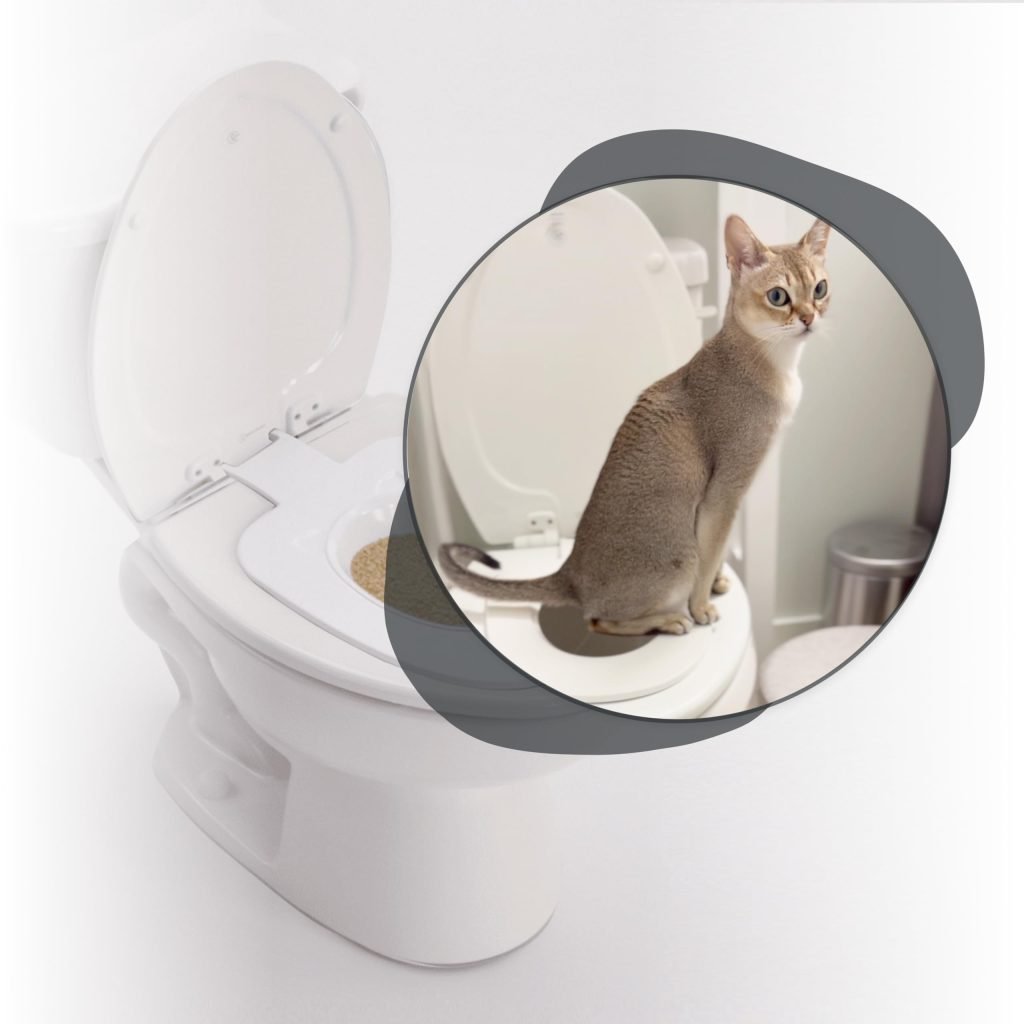
Potty training your cat might sound like a challenge, but it can make your life so much easier. Imagine a home free of litter boxes and the constant worry about accidents on your carpet or furniture.
If you’ve ever wished your cat could use the toilet like you do, this article is exactly what you need. You’ll discover simple, step-by-step tips that anyone can follow. Ready to make a change that benefits both you and your furry friend?
Keep reading, because potty training your cat is easier than you think.
Benefits Of Potty Training Cats
Potty training cats offers many benefits for pet owners and their homes. Teaching cats to use the toilet keeps living spaces cleaner and reduces maintenance. It also helps save money and supports the environment. These benefits make potty training a smart choice for cat owners.
Hygiene Improvements
Potty training cats improves home cleanliness. It eliminates the need for litter boxes filled with waste. This reduces odors and keeps floors free from litter scatter. It also lowers the risk of bacteria spreading in the house. A cleaner environment means better health for both cats and humans.
Cost Savings
Training cats to use the toilet saves money over time. Buying cat litter regularly can be expensive. Without litter boxes, these costs disappear. Less cleaning supplies are needed too. This simple change helps reduce monthly expenses related to cat care.
Environmental Impact
Potty training cats reduces waste and pollution. Cat litter often contains clay or chemicals that harm the environment. Using the toilet instead cuts down on litter waste in landfills. It also lowers water contamination risks from litter disposal. This small step helps protect nature and conserve resources.
Credit: www.amazon.com
Choosing The Right Setup
Choosing the right setup is a key part of potty training your cat. The right environment helps your cat feel safe and comfortable. This makes learning quicker and less stressful. A good setup includes the right potty option, the best place, and all needed supplies. Each choice affects how easily your cat adapts.
Litter Box Alternatives
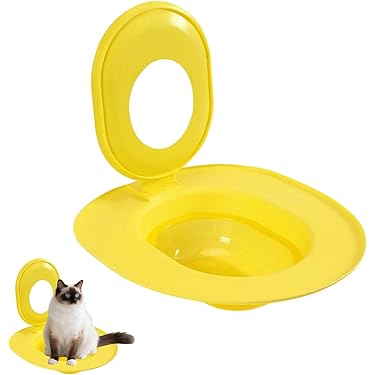
Traditional litter boxes are not the only option. Some cats prefer special trays or mats. Others do well with toilet training kits. These kits guide cats to use the toilet instead of a box. Choose an option that fits your home and your cat’s habits. Experiment to find what your cat likes best.
Location Tips
Pick a quiet and low-traffic spot for the potty area. Cats need privacy to feel secure. Avoid noisy places like near washing machines or busy hallways. Make sure the area is easy for your cat to reach at all times. Keep the spot clean to encourage use and prevent odors.
Essential Supplies
- Potty option: litter box, tray, or toilet training kit
- Cat-friendly litter or training pads
- Cleaning supplies for accidents and daily use
- Toys or treats to reward good behavior
- Protective mats to catch spills or messes
Having these supplies ready helps keep training smooth. It also shows your cat that this is their special place.
Step-by-step Training Process
Potty training a cat takes patience and a clear plan. Following a step-by-step process helps your cat learn faster. It also keeps the experience stress-free for both of you. The key is to introduce changes slowly and encourage good behavior along the way.
Introducing The Toilet
Start by placing the cat’s litter box near the toilet. Let your cat get used to this new spot. Once comfortable, raise the litter box gradually. Use stacks of newspapers or boxes under it to increase height. This helps your cat adjust to the toilet’s level slowly.
Gradual Transition Techniques
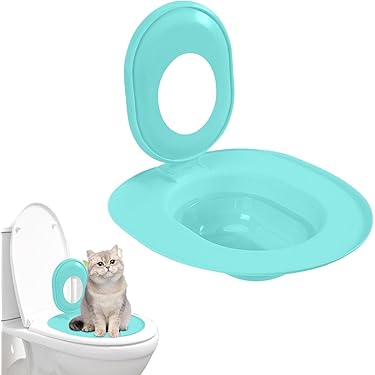
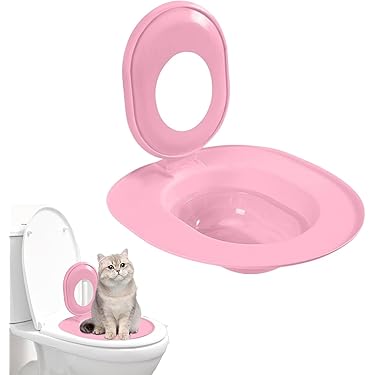
Replace the litter box with a special training seat on the toilet. This seat holds some litter at first. Over days, reduce the litter amount. This teaches your cat to balance on the toilet and use less litter. Watch your cat’s reactions and move at their pace.
Encouraging Success
Reward your cat with treats and praise after each successful attempt. Keep training sessions short and positive. Avoid scolding or forcing your cat. Celebrate small wins to build confidence. Patience and kindness lead to better results.
Credit: www.amazon.com
Common Challenges
Potty training a cat can be a tough journey. Many cat owners face several challenges along the way. Understanding these common problems helps in managing them better. Patience and consistency are key to success. Here are some frequent hurdles encountered during potty training.
Behavioral Resistance
Cats may resist using the potty due to fear or confusion. Some prefer familiar litter over a new place. Changes in routine or environment can cause stress. Cats need time to adapt to new habits. Gentle encouragement and positive reinforcement work best.
Accidents And Setbacks
Accidents happen even with well-trained cats. Setbacks can occur during illness, stress, or changes at home. It is important to clean accidents thoroughly. Avoid punishment as it may increase anxiety. Consistency and patience help cats regain good habits.
Health Concerns
Health issues can affect potty training success. Urinary tract infections or bladder problems cause discomfort. Cats may avoid the potty if it hurts to go. Regular vet check-ups can detect these problems early. Treating health issues improves training results.
Maintaining The New Routine
Maintaining a new potty training routine for your cat requires patience and dedication. Keeping the routine steady helps your cat feel secure. It also prevents confusion and accidents. Small efforts every day build a lasting habit.
Consistency Tips
- Keep the potty area in the same place.
- Use the same type of litter or training material.
- Encourage your cat to use the potty at regular times.
- Avoid sudden changes in routine or location.
- Reward your cat with gentle praise or treats after success.
Cleaning And Maintenance
Clean the potty area daily to keep it fresh. Cats dislike strong smells and dirty spots. Use mild, unscented cleaners to avoid scaring your cat. Replace litter or training pads often. A clean potty encourages your cat to use it regularly.
Monitoring Your Cat’s Comfort
Watch your cat’s behavior closely. Signs of stress or discomfort can mean problems. Check for any difficulty in using the potty. Ensure the spot is quiet and easy to access. Adjust the setup if your cat seems unhappy.
When To Seek Professional Help
Potty training your cat can be a rewarding experience, but sometimes you might hit a wall. Knowing when to ask for professional help can save both you and your feline friend from frustration. It’s important to spot the signs early and understand the best sources of support.
Recognizing Warning Signs
If your cat suddenly stops using the litter box, it’s a clear red flag. Watch for behaviors like frequent accidents, hiding when it’s time to go, or signs of distress around the litter area. These might indicate health problems or anxiety that you can’t fix on your own.
Have you noticed your cat scratching excessively outside the box or avoiding it altogether? These subtle signals often mean your cat needs more than just training—it needs help.
Veterinary Advice
Your vet is the first professional to consult when potty issues arise. Medical conditions such as urinary tract infections or kidney problems often cause litter box avoidance. A quick checkup can rule out or confirm these issues.
Don’t hesitate to share detailed observations with your vet. The more info you provide, the better they can diagnose and recommend treatment or behavioral strategies.
Trainer Assistance
If medical causes are ruled out but your cat still struggles, a pet trainer can offer targeted behavioral help. Trainers specialize in guiding cats through anxiety, territorial disputes, or bad habits.
Working with a trainer often involves personalized plans, positive reinforcement techniques, and patience-building exercises. Have you considered how professional guidance might turn your training efforts around?
Credit: www.amazon.com
Frequently Asked Questions
How Long Does Potty Training A Cat Usually Take?
Potty training a cat typically takes several weeks to a few months. Consistency and patience are key. Each cat learns at its own pace, so stay calm and encouraging throughout the process.
What Are The Best Tips For Potty Training A Cat?
Start with a clean litter box in a quiet area. Use positive reinforcement like treats and praise. Gradually move the box closer to the toilet and then transition to using the toilet itself.
Can All Cats Be Potty Trained To Use The Toilet?
Most cats can learn to use the toilet with proper training. However, some cats may prefer litter boxes due to personality or health reasons. Always observe your cat’s comfort and adjust accordingly.
What Common Mistakes Should I Avoid In Cat Potty Training?
Avoid rushing the process or punishing accidents. Do not change the litter type suddenly. Ensure the training area is quiet and accessible. Patience and gentle encouragement produce the best results.
Conclusion
Potty training your cat takes patience and time. Start with small steps and stay consistent. Celebrate every small success to encourage your cat. Expect some accidents; they are part of learning. Keep your cat’s potty area clean and inviting. Trust your cat will learn with gentle guidance.
This skill improves your home’s cleanliness and your cat’s comfort. Try different methods to see what works best. Enjoy the process and bond with your pet. Patience and care make potty training easier for both.
