

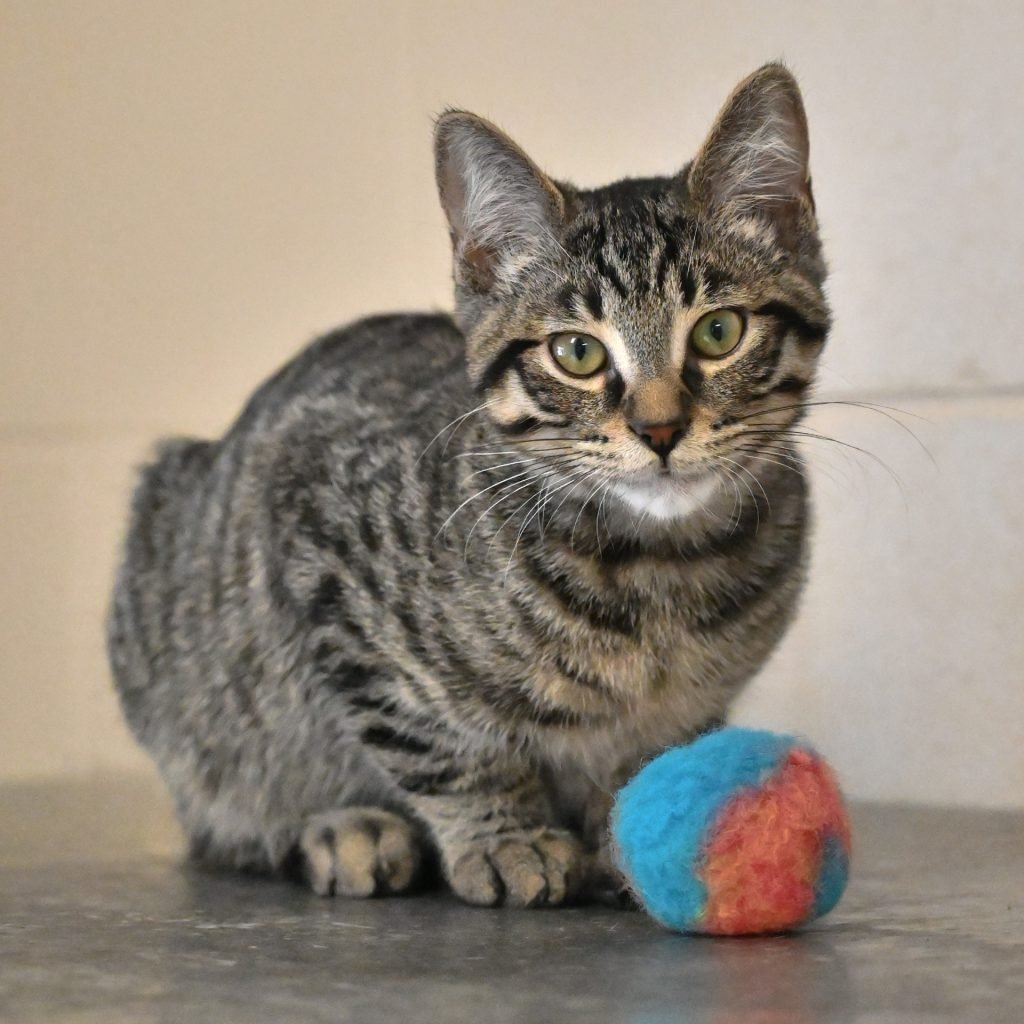
Have you ever wondered if your cat can learn tricks like a dog? You might think cats are too independent or stubborn to train, but what if that’s not true?
Imagine your furry friend responding to your commands, coming when called, or even doing simple tricks. It’s not just a dream—training cats is possible, and it can bring you closer than ever before. Keep reading to discover how you can unlock your cat’s hidden potential and create a stronger bond through training.
Cats And Dogs: Different Trainers
Training cats and dogs requires different approaches because these animals have distinct personalities and ways of learning. Understanding these differences helps you set realistic expectations and choose the right techniques. It’s not just about teaching commands; it’s about connecting with your pet in a way that makes sense to them.
Comparing Feline And Canine Behavior
Cats are naturally independent creatures. They like to explore on their own terms and often decide when they want attention. Dogs, on the other hand, are pack animals who look to their owner for guidance and approval.
This means cats may ignore commands if they don’t see a personal benefit. Dogs usually respond quickly because they want to please you and be part of the group. Have you noticed how your dog eagerly waits for your instructions, while your cat might just walk away?
Motivation Differences Between Cats And Dogs
Dogs often respond well to praise, treats, and playtime as motivators. Cats tend to be more selective; they might only respond to a particular treat or their favorite toy. Using the wrong reward can lead to frustration for both you and your cat.
For example, my dog gets excited about a simple ball toss, but my cat ignores toys until I bring out a special kind of catnip. This shows how important it is to know what truly motivates your pet. Are you paying attention to what makes your cat perk up or your dog wag its tail?

Credit: pethelpful.com
Basics Of Cat Training
Training a cat may seem like an uphill battle, especially if you’re used to how dogs respond to commands. But cats are intelligent and can learn with the right approach. Understanding the basics of cat training helps you set realistic goals and create a positive experience for both you and your feline friend.
Starting With Simple Commands
Begin with easy commands like “sit,” “come,” or “stay.” These commands are straightforward and give your cat a clear task.
Use a quiet space free from distractions to help your cat focus. When your cat responds correctly, immediately reward them to reinforce the behavior.
Have you noticed how your cat reacts to simple verbal cues? Observing their natural responses can guide which commands to teach first.
Using Positive Reinforcement
Positive reinforcement means rewarding your cat for good behavior instead of punishing mistakes.
Try treats, petting, or verbal praise as rewards. This encourages your cat to repeat the action and builds trust between you.
Remember, cats respond best when the reward happens right after the desired behavior. Timing makes a huge difference.
Timing And Consistency
Train your cat in short, frequent sessions—about 5 to 10 minutes each. Cats have shorter attention spans, so quick sessions keep them engaged.
Be consistent with your commands and rewards every time your cat performs the behavior. Mixed signals can confuse your cat and slow progress.
Think about your daily routine: can you add brief training moments during play or feeding times? Consistency builds habits faster than you might expect.
Common Tricks Cats Can Learn
Cats may have a reputation for being independent, but they are surprisingly capable learners. You might be wondering which tricks your feline friend can pick up without frustration or confusion. Understanding common tricks cats can learn helps you set realistic goals and enjoy the training process together.
Teaching Sit And Stay
Teaching your cat to sit is a great starting point. Use a treat to lure your cat into a sitting position and reward immediately when they comply. Cats respond well to short, frequent training sessions, so keep it brief and fun.
Once your cat masters sit, add the “stay” command by asking them to hold the position for a few seconds before giving the treat. Gradually increase the time your cat stays seated. Have you noticed how a calm cat makes training easier?
Recall Training For Cats
Getting your cat to come when called can be a lifesaver. Choose a unique word or sound and always reward your cat when they respond. Consistency is key—you might need to call several times, but patience pays off.
Try calling your cat from different rooms or outside if safe. This trick strengthens your bond and gives your cat more freedom. What would you do if your cat came every time you called?
Fun Tricks Like High Five And Roll Over
Teaching fun tricks like a high five adds excitement to your interactions. Hold a treat above your cat’s paw and wait for them to lift it. Reward immediately and add a verbal cue like “high five.”
Roll over takes more time but is doable with patience. Use a treat to guide your cat’s head around in a circle, rewarding each small step. These tricks keep your cat mentally sharp and show how much they can learn.
Tools And Techniques For Feline Training
Training cats requires patience and the right approach. Unlike dogs, cats respond best to specific tools and techniques tailored to their unique nature. Using the right methods can make a big difference in shaping your cat’s behavior effectively.
Clicker Training For Cats
Clicker training uses a small device that makes a distinct clicking sound to mark desired behavior. Cats quickly learn to associate the click with a reward, making it easier to reinforce positive actions.
Start by clicking and immediately giving a treat to build the connection. Keep training sessions short—cats prefer quick, focused learning bursts rather than long lessons. Have you tried using a clicker with your cat yet? The results might surprise you.
Treats And Toys As Rewards
Using treats or toys as rewards is essential in feline training. Cats respond better to rewards that match their preferences, whether it’s a crunchy treat or a favorite toy.
- Choose high-value treats that your cat doesn’t get often.
- Use interactive toys like feather wands to keep your cat engaged.
- Switch rewards occasionally to maintain your cat’s interest.
Keep in mind that overfeeding treats can lead to health issues, so balance is key. What kind of rewards does your cat respond to best?
Creating A Distraction-free Environment
Training works best in a quiet, distraction-free space. Cats have short attention spans, and noise or movement can easily divert their focus.
Choose a calm room with minimal background noise and remove other pets temporarily. This focused setting helps your cat understand what you want without getting overwhelmed.
Have you noticed how your cat’s attention changes in busy versus quiet environments? Adjust your training space accordingly for faster progress.
Challenges In Training Cats
Training cats presents unique challenges that differ from training dogs. Cats have distinct personalities and behaviors that require patience and understanding. Recognizing these challenges helps create realistic expectations and better training strategies.
Overcoming Independence
Cats are naturally independent animals. They prefer to explore and act on their own terms. Unlike dogs, cats rarely seek approval or follow commands. This independence means training must be gentle and rewarding. Offering treats and praise helps motivate cats without forcing them.
Dealing With Short Attention Spans
Cats have brief focus periods. Long training sessions can quickly bore or frustrate them. Keep training short, about 5 minutes or less. Frequent breaks maintain their interest and prevent stress. Using toys or quick rewards also helps keep cats engaged.
Handling Uncooperative Behavior
Cats may ignore or resist training efforts. They might walk away or show disinterest. Forcing them can cause fear or aggression. Instead, observe their mood and try again later. Positive reinforcement and patience work better than punishment. Respecting their limits builds trust and cooperation.

Credit: www.youtube.com
Benefits Of Training Your Cat
Training your cat offers many benefits for both you and your pet. It creates a happier home and helps your cat stay active and healthy. Training also teaches your cat good manners and reduces unwanted behaviors. It takes time but builds trust and respect between you and your feline friend.
Strengthening The Human-cat Bond
Training sessions create special moments between you and your cat. Your cat learns to trust you more through positive interaction. These shared activities increase affection and deepen your connection. A strong bond makes your cat feel safe and loved.
Enhancing Mental Stimulation
Cats need mental challenges to stay sharp and happy. Training provides puzzles and new tasks that keep their minds active. It prevents boredom and encourages problem-solving skills. Mental exercise helps reduce destructive behaviors caused by frustration.
Improving Behavior And Reducing Stress
Training teaches your cat clear rules and limits. It helps control scratching, biting, and jumping on furniture. Knowing what is expected lowers anxiety in cats. Calm cats are healthier and more relaxed at home.
Tips For Successful Cat Training
Training a cat can feel like a puzzle. But with the right approach, you can teach your feline friend new behaviors and tricks. Here are some practical tips to help you succeed in cat training.
Patience And Persistence
Cats don’t learn on your schedule—they learn on theirs. You might try a command several times before your cat responds. Keep calm and stay consistent; frustration only sets you back.
Remember, every small success counts. Celebrate when your cat even shows a little interest in what you’re asking. This steady approach builds trust and understanding.
Adapting To Your Cat’s Personality
Is your cat shy or outgoing? Some cats respond better to gentle encouragement, while others need a bit more excitement. Tailoring your training style to your cat’s mood can make a big difference.
Observe how your cat reacts to different rewards—some prefer treats, others love praise or playtime. What works for one cat might not work for another, so stay flexible and patient.
Keeping Training Sessions Short And Fun
Cats have short attention spans. Training sessions lasting just 5 to 10 minutes are usually best. Ending on a positive note keeps your cat eager for the next round.
Make training a game rather than a chore. Use toys, treats, and lots of affection. When your cat enjoys the process, learning happens naturally.

Credit: www.timescolonist.com
Frequently Asked Questions
Can Cats Learn Commands Like Dogs?
Yes, cats can learn commands like dogs, but they require different training methods. Patience and positive reinforcement work best for cats.
How Long Does It Take To Train A Cat?
Training a cat can take weeks to months. Consistency, short sessions, and rewards speed up the process.
What Techniques Work Best For Training Cats?
Using treats, clicker training, and gentle praise are effective. Avoid punishment; cats respond better to positive reinforcement.
Are Cats As Trainable As Dogs?
Cats are trainable but less motivated by social approval than dogs. Training focuses more on rewards and less on obedience.
Conclusion
Cats can learn tricks and behaviors like dogs do. Training needs patience, time, and gentle rewards. Each cat has its own pace and style. Keep sessions short and fun to hold their interest. Small steps lead to big progress over time.
Training builds trust and strengthens your bond. Remember, cats may never act exactly like dogs. Enjoy teaching and learning together every day. Training cats is possible with kindness and care.
