

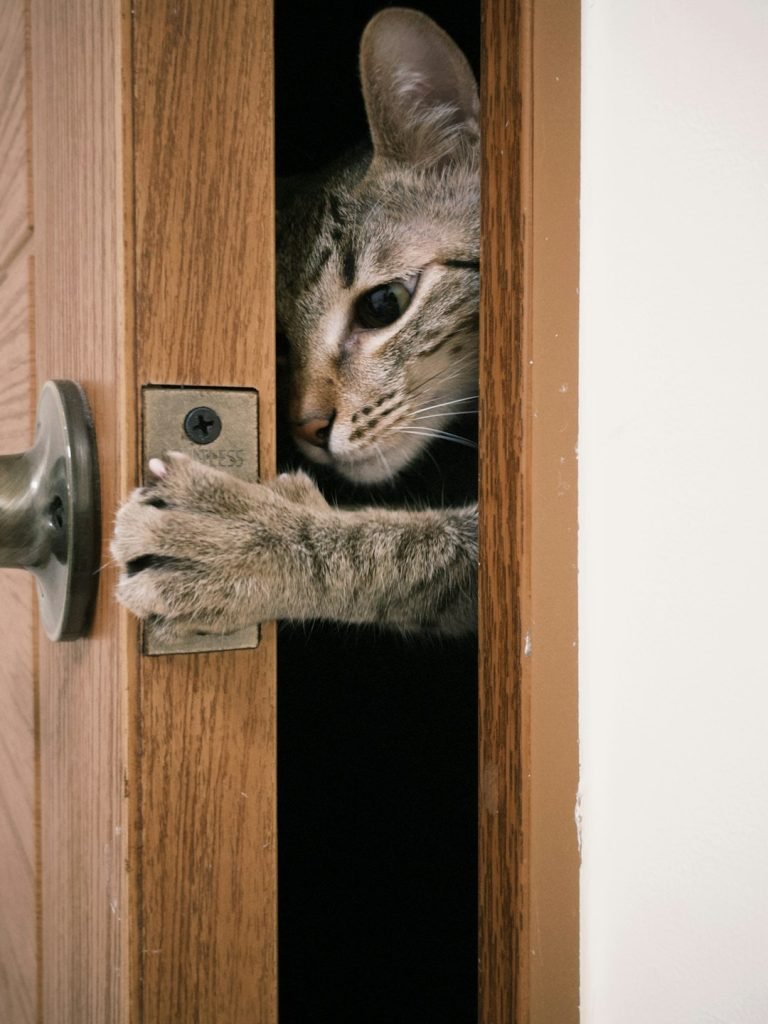
Have you ever wondered why your cat suddenly scratches the furniture or ignores your calls? Understanding cat behavior and training can unlock the secret to a happier, more peaceful home for both you and your furry friend.
When you know how your cat thinks and communicates, you can guide their actions gently and effectively. This isn’t just about teaching tricks—it’s about building a stronger bond and making daily life easier. Keep reading, and you’ll discover simple, practical tips that anyone can use to transform your cat’s behavior for the better.
Cat Communication
Cats communicate in many ways beyond just meowing. Understanding their signals helps build a stronger bond. Cats use body movements, sounds, and facial expressions to express feelings. Reading these signs can improve training and daily interactions.
Body Language Signals
Body posture tells a lot about a cat’s mood. A relaxed cat will lie with soft muscles and slow movements. Tense or stiff bodies can mean fear or aggression. Cats often arch their backs to look bigger when scared or angry. Rolling onto their backs shows trust but can also be a warning.
Vocal Sounds And Meanings
Meows vary in pitch and length. Short meows usually greet or ask for attention. Repeated meowing can signal hunger or desire for play. Purring often shows contentment but can also mean pain or stress. Hissing and growling warn to stay away. Chirps and trills usually express excitement or curiosity.
Tail And Ear Movements
Tails reveal many emotions. A high tail often means confidence or happiness. A puffed-up tail signals fear or aggression. Slow tail swishing can show irritation. Ear position also matters. Forward ears show interest, while flattened ears mean fear or anger. Twitching ears often indicate focus on sounds.

Credit: www.amazon.com
Common Cat Behaviors
Understanding your cat’s common behaviors helps you respond in ways that make your pet feel safe and happy. Cats communicate a lot through their actions, from playful pounces to territorial signals. Recognizing these behaviors allows you to guide their training effectively and build a stronger bond.
Hunting And Play Instincts
Cats have a natural hunting drive that often comes out during play. You might notice your cat stalking, pouncing, or chasing toys, which mimics hunting in the wild.
Encouraging this instinct with interactive toys can prevent boredom and reduce destructive behavior. Have you tried using feather wands or laser pointers to engage your cat’s attention?
Territorial Marking
Your cat marks territory to feel secure and communicate boundaries to other animals. This behavior can include scratching surfaces or rubbing their face on furniture and even you.
Providing scratching posts and regular nail trimming can help manage this natural urge. What areas in your home does your cat seem to claim as its own?
Social Interaction Patterns
Cats vary widely in how they interact with humans and other pets. Some enjoy constant attention, while others prefer brief, controlled interactions.
Pay attention to your cat’s signals, like tail position or purring, to understand their mood. How does your cat show affection or ask for space?
Training Basics
Training a cat requires patience and understanding. Cats learn differently from dogs and need gentle guidance. Establishing basic training helps build trust and good behavior. It creates a bond between you and your cat. Training sessions should be short and fun to keep your cat interested.
Positive Reinforcement
Positive reinforcement rewards good behavior immediately. Use treats, petting, or praise to encourage your cat. Avoid punishment; it can cause fear or stress. Reward your cat right after it follows a command. This helps your cat connect the action with the reward.
Clicker Training Techniques
Clicker training uses a small device that makes a clicking sound. The click marks the correct behavior. Start by pairing the click with a treat. Once your cat understands, use the click to signal good actions. This method is clear and helps cats learn faster.
Setting Realistic Goals
Set small and clear goals for each training session. Focus on one behavior at a time. Be patient; cats need time to learn new things. Celebrate small successes to keep training positive. Avoid expecting too much too soon to prevent frustration.
Litter Box Tips
Managing your cat’s litter box is key to happy pets and a clean home. Cats value privacy and cleanliness for their bathroom habits. Understanding how to choose the right litter, solve common problems, and keep the box clean will help your cat use it consistently.
Choosing The Right Litter
Pick litter that feels soft and natural to your cat’s paws. Clumping litter helps remove waste easily. Unscented options reduce irritation and attract cats better. Avoid dusty litters to prevent respiratory issues.
- Try different litters to see which your cat prefers
- Consider biodegradable litter for eco-friendly choices
- Keep the litter depth about two inches for comfort
Solving Common Issues
Cats may avoid the box for many reasons. Stress, dirty litter, or wrong location often cause problems. Watch your cat for signs of discomfort or illness. Use multiple boxes in multi-cat homes to reduce conflicts.
- Move the box to a quiet, accessible spot
- Clean accidents promptly to discourage repeat behavior
- Consult a vet if issues persist or behavior changes
Maintaining Cleanliness
Clean litter boxes daily to prevent odors and bacteria. Scoop clumps and waste each day. Wash the box with mild soap weekly. Use litter liners or mats to catch stray litter outside the box.
- Replace all litter once a week for freshness
- Keep boxes away from food and water bowls
- Observe your cat’s habits to catch problems early
Behavioral Challenges
Behavioral challenges in cats can be puzzling and frustrating for many pet owners. These issues often arise from misunderstandings or unmet needs, rather than bad behavior. Addressing these challenges requires patience, observation, and consistent effort to create a harmonious environment for both you and your feline friend.
Dealing With Aggression
Aggression in cats can show up as biting, scratching, or hissing. It often stems from fear, pain, or territorial instincts. Pay close attention to what triggers your cat’s aggressive behavior—loud noises, new people, or other pets might be the cause.
To reduce aggression, create safe spaces where your cat can retreat. Use calming pheromone diffusers to help ease tension. Remember, punishing aggression can make it worse. Instead, redirect your cat’s energy with interactive toys and play sessions.
Managing Anxiety And Stress
Cats can feel anxious due to changes like moving, new family members, or loud environments. Signs include hiding, excessive grooming, or loss of appetite. You can help your cat by keeping a predictable routine and offering cozy, quiet spots to relax.
Try calming techniques like gentle massage or soft music designed for pets. Consider introducing puzzle feeders to keep your cat mentally engaged. Have you noticed what soothes your cat best when they seem stressed?
Stopping Destructive Habits
Scratching furniture or knocking things over can be annoying but often serve natural cat needs. Your cat scratches to mark territory and sharpen claws. Instead of scolding, provide plenty of scratching posts in different textures and locations.
Use double-sided tape or protective covers on areas you want to protect. Reward your cat with treats and praise when they use the posts. What creative ways have you found to encourage good scratching habits in your cat?

Credit: www.amazon.com
Enrichment And Exercise
Keeping your cat mentally and physically active is key to a happy and healthy life. Enrichment and exercise not only prevent boredom but also reduce unwanted behaviors like scratching or excessive meowing. Let’s look at ways you can boost your cat’s day-to-day experience.
Interactive Toys
Interactive toys are a game-changer for your cat’s engagement. Toys that move or make noise grab their attention and challenge their hunting instincts. Think about laser pointers, feather wands, or battery-operated mice—these encourage your cat to chase and pounce.
Try rotating toys regularly to keep your cat curious. Have you noticed how your cat suddenly loses interest in a toy after a few days? Switching things up can reignite their excitement and keep playtime fresh.
Creating Stimulating Environments
Your cat’s environment plays a huge role in their behavior. Adding climbing shelves, scratching posts, or window perches gives them places to explore and watch the outside world. Cats love vertical space—it makes them feel safe and in control.
Consider hiding treats or toys in different spots around the house. This simple trick taps into their natural hunting skills and keeps their mind active. What new areas could you transform into a mini playground for your feline friend?
Encouraging Physical Activity
Regular exercise helps your cat maintain a healthy weight and sharp reflexes. Set aside daily play sessions that last at least 10–15 minutes to keep them moving. Using toys that mimic prey, like wand toys, can turn exercise into a fun bonding time.
If your cat is more sedentary, try gentle encouragement like tossing a ball or using food puzzles to get them up. Have you tried creating short obstacle courses with cushions or boxes? It’s an easy way to boost activity without needing special equipment.
Building Strong Bonds
Building a strong bond with your cat is essential for a happy and healthy relationship. It helps your cat feel safe, loved, and understood. When your cat trusts you, training becomes easier and your daily interactions become more enjoyable.
Understanding Your Cat’s Personality
Every cat has a unique personality. Some are shy and reserved, while others are outgoing and playful. Pay attention to your cat’s behavior and reactions to different situations to learn what makes them comfortable.
If your cat hides when new people visit, don’t force interaction. Instead, give them space and let them approach you on their own terms. This shows respect for their feelings and helps build trust.
Effective Playtime Strategies
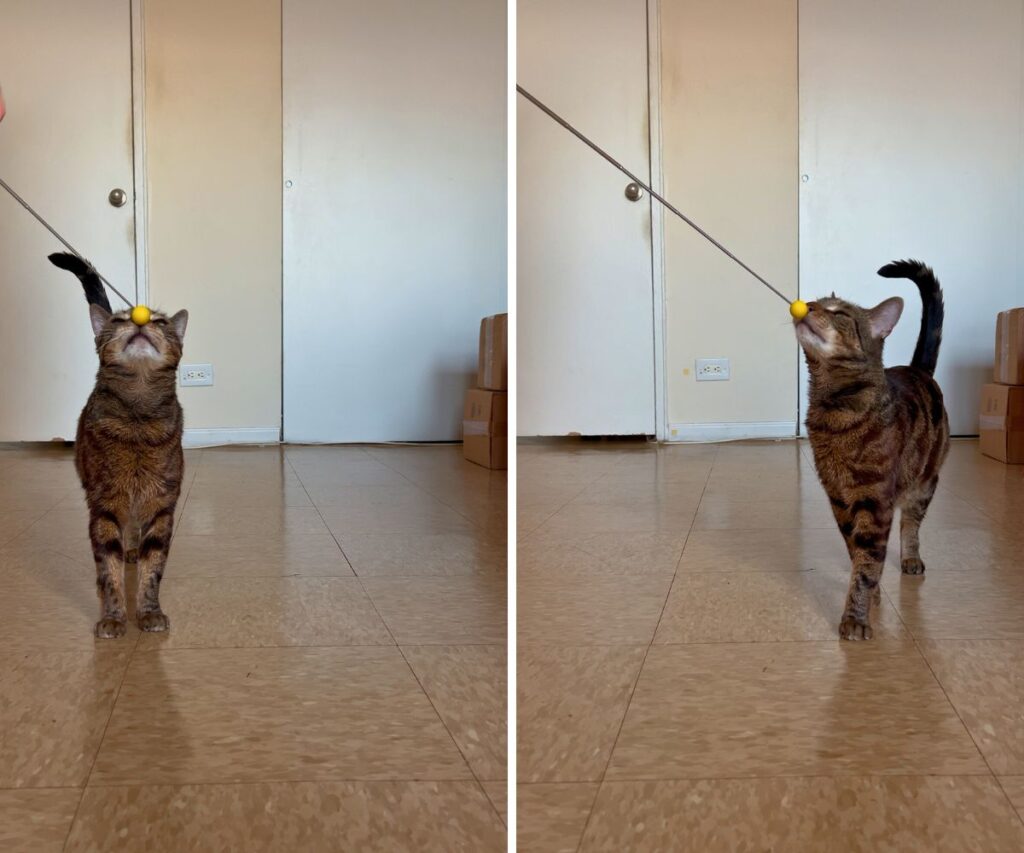
Playtime is more than just fun; it’s a vital way to connect with your cat. Use toys that mimic prey, like feather wands or laser pointers, to engage their natural hunting instincts.
Short, frequent play sessions work better than long, exhausting ones. Notice which toys excite your cat the most and keep those handy. Playtime also provides mental stimulation, reducing unwanted behaviors born from boredom.
Using Treats And Rewards
Treats are powerful tools for encouraging good behavior and strengthening your bond. Choose small, healthy treats that your cat loves and offer them immediately after a positive action.
Pair treats with gentle praise or petting to reinforce the connection. Be consistent but don’t overdo it—too many treats can harm your cat’s health. Have you noticed how a well-timed reward can make your cat come running?
Credit: caticles.com
Frequently Asked Questions
How Do Cats Communicate Their Feelings?
Cats use body language, vocal sounds, and tail movements. Purring often means contentment. Hissing or growling shows fear or anger. Watching their ears and eyes helps understand their mood better.
What Are The Best Methods For Cat Training?
Positive reinforcement works best. Reward good behavior with treats or praise. Avoid punishment as it causes stress. Consistency and patience are key for successful training.
Why Do Cats Scratch Furniture And How To Stop It?
Scratching is natural for cats to mark territory and sharpen claws. Provide scratching posts and trim their nails regularly. Use deterrents like double-sided tape on furniture to prevent damage.
How Can I Reduce My Cat’s Aggressive Behavior?
Identify triggers like loud noises or unfamiliar people. Provide a calm environment and interactive toys. Gradual socialization and positive reinforcement help reduce aggression effectively.
Conclusion
Understanding cat behavior helps build a strong bond with your pet. Training your cat takes patience and kindness. Small, consistent steps bring the best results. Cats respond well to gentle guidance and rewards. Watch your cat’s body language to know their feelings.
Respect their space and needs to avoid stress. Enjoy the journey of learning together with your cat. A happy cat makes a happy home. Keep practicing, and your cat will thrive.
