

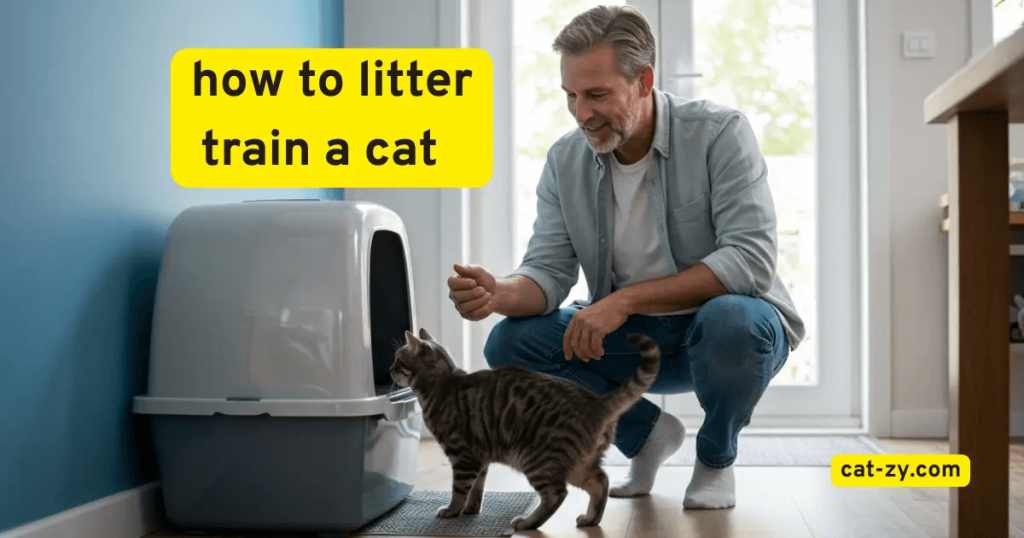
Getting your cat to use the litter box might seem tricky, but it doesn’t have to be. If you want a clean home and a happy pet, learning how to litter box train your cat is key.
You’ll discover simple steps that make the process easy and stress-free for both you and your furry friend. Keep reading, and soon your cat will be using the litter box like a pro—saving you time and frustration.
Choosing The Right Litter Box
Choosing the right litter box is a key step in training a cat to use it. The right box makes the experience comfortable for the cat and easy for you to maintain. Cats have different preferences, so the box must fit their needs and habits.
Size And Type Options
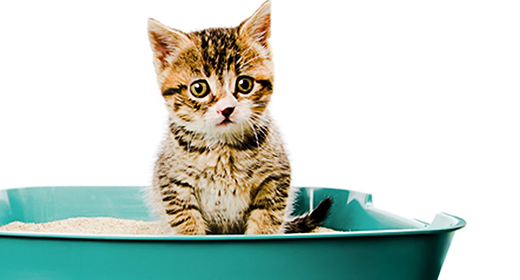
Select a litter box large enough for your cat to turn around freely. Small boxes can discourage use and cause accidents. Low-sided boxes work well for kittens and older cats with mobility issues. High-sided boxes keep litter inside and suit cats that kick litter out. Self-cleaning boxes offer convenience but might confuse some cats. Consider your cat’s size and habits before choosing.
Covered Vs. Uncovered Boxes
Covered boxes provide privacy and reduce odors. Some cats feel safe inside them. Others may dislike the enclosed space and avoid using the box. Uncovered boxes offer better ventilation and easy access. They allow you to see when cleaning is needed. Watch your cat’s behavior to decide which type suits best.
Number Of Boxes Needed
Many experts recommend one box per cat plus one extra. For example, two cats need three litter boxes. This reduces competition and stress around the boxes. Place boxes in quiet, accessible locations around your home. Avoid putting all boxes in one spot. Spread them out to give your cat choices and comfort.
Credit: www.iams-india.com
Selecting The Best Cat Litter
Selecting the best cat litter is a key step in litter box training. The right litter encourages your cat to use the box consistently. Cats can be picky about texture and smell. Choosing a litter that suits your cat’s preferences helps prevent accidents outside the box.
Clumping Vs. Non-clumping
Clumping litter forms solid clumps when wet. This makes cleaning easier and helps control odor. Non-clumping litter absorbs moisture but does not form clumps. It may need changing more often. Many cat owners prefer clumping litter for convenience and cleanliness.
Scented Vs. Unscented
Scented litter has added fragrances to mask odors. Some cats dislike strong smells and avoid the box. Unscented litter offers a natural scent that many cats prefer. Choose unscented litter if your cat shows signs of avoidance or sensitivity.
Material Preferences
Cat litter comes in various materials:
- Clay: Common and affordable, but dusty.
- Silica gel: Controls odor well, low dust.
- Natural/biodegradable: Made from corn, wheat, or pine. Eco-friendly and gentle on paws.
Watch your cat’s reaction to different materials. Soft, fine-grained litter often feels better under their paws.
Setting Up The Litter Box Area
Setting up the litter box area is a key step in training your cat. A well-chosen spot encourages your cat to use the box regularly. The area should be calm and comfortable to help your cat feel safe. Let’s explore how to pick the best location, maintain privacy, and ensure easy access.
Ideal Location
Choose a quiet place away from loud noises and heavy traffic. Avoid areas near your cat’s food and water bowls. Bathrooms, laundry rooms, or spare corners often work well. The spot should be easy for you to clean and check daily. Good ventilation helps reduce odors and keeps the space fresh.
Privacy Considerations
Cats prefer privacy when using the litter box. A secluded corner or behind a piece of furniture works well. Avoid busy or noisy spots that may scare your cat. You can use a litter box with high sides or a cover for extra privacy. Make sure your cat can enter and exit without feeling trapped.
Accessibility For Your Cat
Place the litter box where your cat can reach it easily at any time. Avoid locations with obstacles or stairs that might block access. For kittens or older cats, low-entry boxes help prevent injury. Keep the box visible so your cat remembers where it is. Multiple boxes in different rooms help if you have several cats.
Credit: www.petsradar.com
Introducing Your Cat To The Litter Box
Introducing your cat to the litter box is a crucial step in successful litter training. Your approach during this phase sets the tone for your cat’s comfort and willingness to use the box consistently. Patience and attention to your cat’s natural behavior will guide you to a smooth transition.
Initial Placement
Choose a quiet, low-traffic spot for the litter box. Cats prefer privacy but also want to feel safe, so avoid placing the box near loud appliances or busy doorways.
Keep the box on a stable surface, not too close to their food and water bowls. This separation respects your cat’s instincts about cleanliness and encourages consistent use.
Encouraging Exploration
Let your cat discover the litter box at their own pace. Gently place them in the box after meals or naps to build a routine without pressure.
Leave the box uncovered at first so they can see inside clearly. Some cats feel trapped by covered boxes and avoid using them.
Positive Reinforcement
Reward your cat immediately after they use the litter box with gentle praise or a small treat. This helps them associate the box with positive experiences.
Avoid punishment if accidents happen; instead, clean thoroughly and guide your cat back to the box calmly. Positive reinforcement builds trust and encourages repeated good behavior.
Establishing A Litter Box Routine
Creating a consistent litter box routine helps your cat understand where and when to go. Cats thrive on predictability. A steady routine reduces accidents and stress. Establish a pattern around feeding and bathroom breaks, keep the box clean, and watch your cat’s habits closely. These steps build trust and good litter box behavior.
Feeding And Bathroom Timing
Feed your cat at the same times daily. Cats usually need to use the bathroom soon after eating. Place your cat near the litter box after meals. This encourages them to associate eating with bathroom use. Keep mealtime and litter box visits regular to build a reliable schedule.
Regular Cleaning Schedule
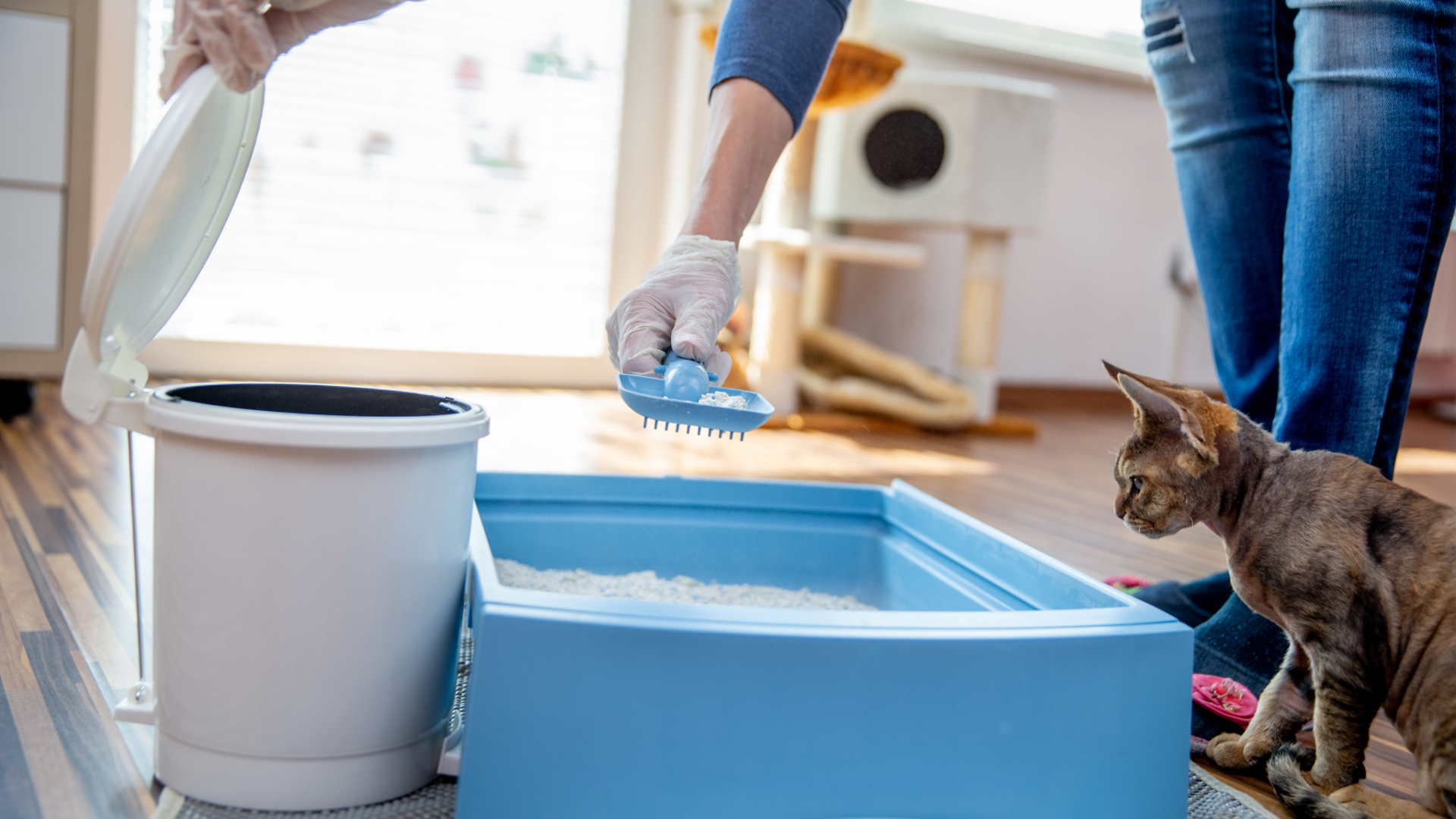
Clean the litter box every day. Scoop out waste at least once daily to keep the box fresh. Wash the box with mild soap once a week. A clean box invites your cat to use it. Dirty litter boxes cause cats to avoid them. A clean routine keeps your cat happy and healthy.
Monitoring Usage
Watch how often your cat uses the litter box. Note any changes in habits or frequency. Early spotting of problems stops accidents. Check for signs of discomfort or avoidance. Tracking usage helps you respond quickly if issues appear. This keeps your training on track.
Handling Common Challenges
Training a cat to use the litter box can face some common challenges. These issues can cause frustration for both the cat and owner. Handling these problems calmly helps keep progress steady. Understanding why problems happen is key to solving them quickly.
Avoiding Accidents
Accidents happen when cats do not reach the box in time. Keep the litter box clean to encourage use. Place the box in a quiet, easy-to-find spot. Use multiple boxes if you have several cats or large space. Watch your cat’s behavior to notice signs of needing to go.
Clean accidents with odor remover to prevent repeat spots. Avoid strong cleaners that can repel cats from the area. Reward your cat with gentle praise when they use the box correctly. Consistency helps cats learn faster.
Dealing With Fear Or Avoidance
Some cats avoid the litter box from fear or bad past experiences. Check if the box is too small or noisy. Choose a box with low sides for easy access. Use unscented, soft litter to avoid discomfort.
Place the box in a calm area without loud noises or heavy traffic. Give your cat time to explore the box without pressure. Sit nearby and offer treats to build a positive connection. Patience helps reduce fear and builds trust.
Addressing Litter Box Refusal
Litter box refusal can happen due to medical or environmental reasons. Visit a vet to rule out infections or pain. Change the type of litter or box to find preferences. Some cats like covered boxes; others prefer open ones.
Keep the box spotless and change litter often. Avoid strong scents or harsh chemicals. Observe your cat’s habits for clues about refusal. Try adding a second box in a different location. Adjusting the setup can often solve refusal issues.
Advanced Training Tips
Advanced litter box training helps cats adapt smoothly and keeps your home clean. These tips work well for tricky situations. Use them to improve your cat’s habits and comfort.
Training Multiple Cats
Each cat needs its own litter box. Place boxes in different rooms to avoid fights. Clean boxes often to keep them inviting. Watch how cats use their boxes. Separate any cat that shows stress or marks outside the box. Keep training calm and consistent for all cats.
Transitioning To New Litter Boxes
Introduce a new box next to the old one. Let your cat explore both for several days. Slowly move the new box to the desired spot. Keep the old box until the cat uses the new one regularly. Use the same litter type at first. Change litter gradually if needed to avoid refusal.
Using Litter Attractants
Litter attractants help cats find the box. Sprinkle attractant powder or mix it into the litter. Choose safe, pet-friendly products only. Use attractants when cats ignore their boxes. Monitor your cat’s response and stop if any irritation occurs. Attractants work best with a clean, quiet box.
Credit: www.petsradar.com
Frequently Asked Questions
How Long Does It Take To Litter Box Train A Cat?
Most cats learn litter box use within one week. Some may take longer, depending on age and previous habits. Consistency and patience speed up training. Provide a clean, accessible box and positive reinforcement.
What Type Of Litter Is Best For Training Cats?
Unscented, clumping litter is ideal for training. It mimics natural textures cats prefer and is easy to clean. Avoid scented or dusty litters, as they may deter your cat from using the box.
How Do I Handle Litter Box Accidents Effectively?
Clean accidents immediately with enzymatic cleaners to remove odor. Avoid punishment, as it confuses cats. Instead, reinforce proper litter box use with praise and treats to encourage good behavior.
Can I Train A Kitten And An Adult Cat The Same Way?
Yes, basic training is similar for both. Kittens learn quickly, while adults may need patience. Ensure the litter box is clean and accessible for both ages to encourage use.
Conclusion
Training a cat to use the litter box takes time and patience. Start with a clean, quiet spot for the box. Use the right type of litter your cat likes. Praise your cat when it uses the box correctly. Watch for signs if your cat needs help.
Stay calm if accidents happen. Small steps lead to success. Your cat will learn and feel comfortable soon. Enjoy a cleaner home and a happy pet. Keep trying, and your efforts will pay off.
