

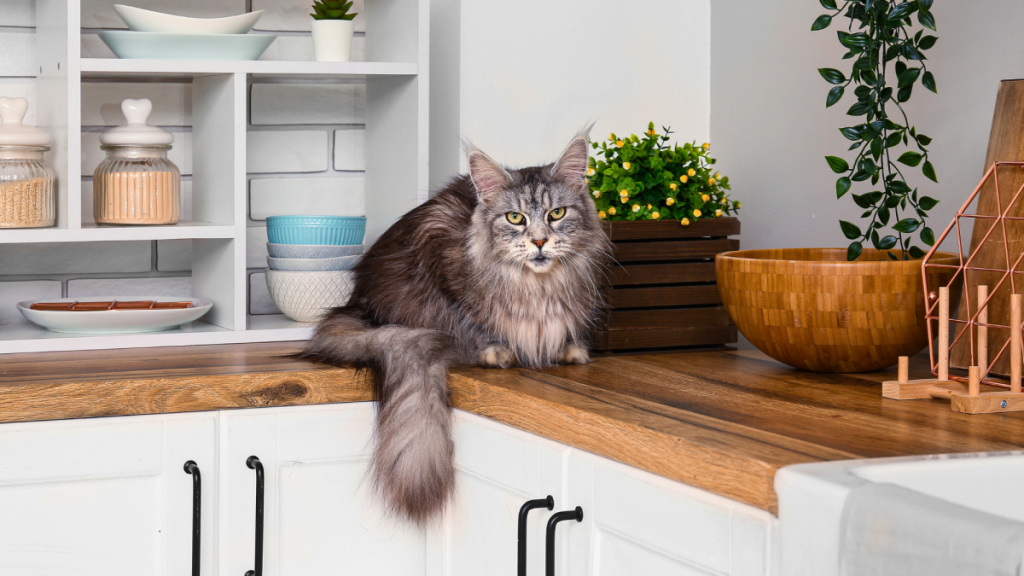
Are you tired of your cat constantly jumping on your kitchen counters? It can be frustrating to clean up after them or worry about what they might knock over next.
But what if you could teach your cat to stay off those surfaces without stress or harsh discipline? You’ll discover simple and effective ways to train your cat not to jump on counters. By understanding your cat’s behavior and using easy techniques, you can create a peaceful home where both you and your furry friend feel comfortable.
Keep reading to learn how to make counters off-limits, once and for all.
Why Cats Jump On Counters
Cats often jump on counters, leaving owners puzzled or frustrated. Understanding their reasons helps manage this behavior. Cats explore their world by climbing and jumping. Counters offer a tempting place to explore and rest.
Several factors drive cats to jump on counters. It is not just mischief. Their instincts and needs play a big role.
Natural Instincts
Cats have a strong instinct to climb and survey. High places give them a sense of safety. They watch their surroundings from above. Counters provide an easy way to reach these spots. This behavior comes from their wild ancestors.
Attraction To Food
Smells from food on counters attract cats. They have a keen sense of smell. The counter often holds tasty treats or crumbs. Cats jump up hoping to find a snack. This makes counters irresistible places for them.
Seeking Attention
Cats sometimes jump on counters to get your attention. They learn that this action makes you react. Whether it is scolding or petting, they notice the response. Cats want to be part of your activity. Counters put them close to you and your world.

Credit: www.amazon.com
Preparing Your Home
Preparing your home is a crucial step in teaching your cat not to jump on counters. Cats are naturally curious and motivated by what they see and smell. Adjusting the environment to limit access and appeal can make your training efforts much more effective.
Remove Temptations
Start by clearing counters of anything that attracts your cat. Food crumbs, open containers, and shiny objects are irresistible to them. Even small bits of food left out can encourage jumping.
Think about what draws your cat to the counters in the first place. Are there plants, papers, or kitchen gadgets they like? Removing these items reduces their reasons to explore those surfaces.
Also, clean counters regularly. A spotless surface sends a message that there’s nothing worth investigating. This simple habit can greatly reduce your cat’s interest in counter areas.
Create Alternative Spaces
Your cat needs a place to climb and perch. Offer tall cat trees or shelves near windows to satisfy their natural instincts. This gives them a safe, appealing spot away from the counters.
Try placing treats or toys on these alternative spaces to encourage your cat to use them. You might be surprised how quickly they take to a cozy nook with a good view.
Have you noticed your cat’s favorite hangout spots? Replicate those qualities in their designated areas. Comfortable cushions, soft blankets, or a sunny patch can make a big difference.
Training Techniques
Training a cat not to jump on counters requires patience and the right approach. Cats respond best to gentle guidance and clear signals. Using effective training techniques helps your cat learn acceptable behavior quickly. Consistency and positive interaction make the process smoother for both you and your pet.
Positive Reinforcement
Reward your cat when it stays off the counter. Use treats or gentle petting as a reward. Praise your cat with a soft voice to encourage good behavior. This teaches your cat that staying on the floor brings rewards. Avoid punishment, as it can cause fear and confusion.
Using Deterrents
Place safe deterrents on counters to discourage jumping. Use double-sided tape or aluminum foil, which cats dislike touching. Consider motion-activated devices that create a harmless noise when the cat jumps up. Make counters less comfortable by removing food or objects that attract your cat. Deterrents help your cat associate counters with unpleasant feelings.
Consistent Commands
Use the same word or phrase every time your cat jumps on the counter. Say “no” or “down” in a firm, calm voice. Gently remove your cat from the counter after the command. Repeat this process to build understanding. Consistency in commands makes it easier for your cat to learn rules.

Credit: www.reddit.com
Tools And Products To Help
Training a cat not to jump on counters can be challenging. Using the right tools and products makes the process easier. These items help create boundaries and redirect your cat’s behavior in a gentle way. They support your training efforts without causing stress to your pet.
Double-sided Tape
Cats dislike sticky surfaces on their paws. Double-sided tape applied to counters creates an unpleasant texture. This discourages them from jumping up. It is safe and non-toxic for pets. Replace the tape regularly to keep it effective.
Motion-activated Devices
Motion-activated devices detect when a cat approaches the counter. They emit a harmless burst of air or sound. This startles the cat and stops the jump. These devices train cats to avoid counters over time. Place them where cats usually jump up.
Cat Trees And Perches
Provide alternative climbing options with cat trees and perches. Cats love to climb and observe from high places. These structures satisfy their natural instincts. Position them near windows or common rooms. This reduces the desire to jump on counters.
Maintaining Good Habits
Maintaining good habits is key to training your cat not to jump on counters. Consistency in your actions and responses helps your cat understand what is expected. This creates a calm environment where your feline friend feels secure and more willing to learn.
Regular Playtime
Keeping your cat busy with regular playtime can reduce their urge to explore forbidden areas like counters. Try interactive toys such as feather wands or laser pointers to burn off energy. You’ll notice your cat is less restless and less likely to jump onto surfaces that are off-limits.
Have you observed how a well-exercised cat behaves differently? Playing together strengthens your bond and makes training easier. It also gives your cat a positive outlet for their natural hunting instincts.
Rewarding Desired Behavior
Positive reinforcement works better than punishment. Whenever your cat stays off the counter or jumps down when asked, reward them immediately with treats or affection. This helps your cat associate good behavior with positive outcomes.
Try keeping small treats handy and give them right after the good behavior. This timing is crucial for your cat to connect the reward with their action. Over time, your cat will choose to stay off counters to earn those rewards.
Patience And Consistency
Training a cat takes time and steady effort. You might get frustrated if progress seems slow, but patience is essential. Your cat learns best when you respond the same way every time they jump on counters.
Set clear rules for everyone in the household to follow. Mixed signals confuse cats and slow down training. Ask yourself: Are you consistent enough in your responses to help your cat learn what’s allowed?
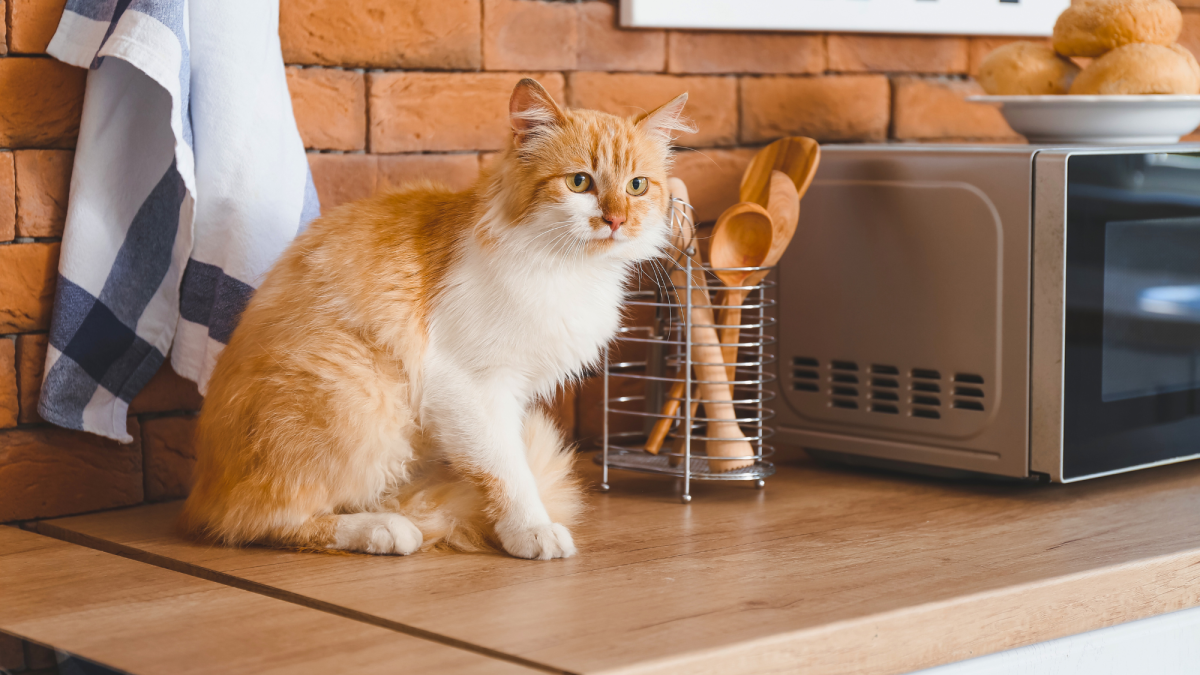
Credit: pethelpful.com
Frequently Asked Questions
How Can I Stop My Cat From Jumping On Counters?
Provide alternative climbing spots like cat trees. Use double-sided tape or aluminum foil on counters. Reward your cat for staying off counters to reinforce good behavior.
Why Do Cats Jump On Kitchen Counters?
Cats jump on counters for curiosity, food, or height advantage. Counters offer warmth and a good view. Understanding this helps in redirecting their behavior effectively.
What Training Methods Work Best For Cats?
Positive reinforcement with treats and praise works best. Avoid punishment as it causes fear. Consistency and patience are key to successful cat training.
Are There Safe Deterrents To Keep Cats Off Counters?
Yes, safe deterrents include citrus sprays, motion-activated air sprays, and textured mats. These discourage cats without causing harm or stress.
Conclusion
Training a cat not to jump on counters takes time and patience. Consistency matters most in teaching good habits. Use gentle corrections and offer fun alternatives. Reward your cat when it stays on the floor. Avoid yelling or punishment, which can scare your pet.
Keep counters clean and free of tempting items. Remember, every cat learns at its own pace. Stay calm and keep trying daily. Soon, your cat will understand the new rules. A happy home and a well-trained cat go hand in hand.
