

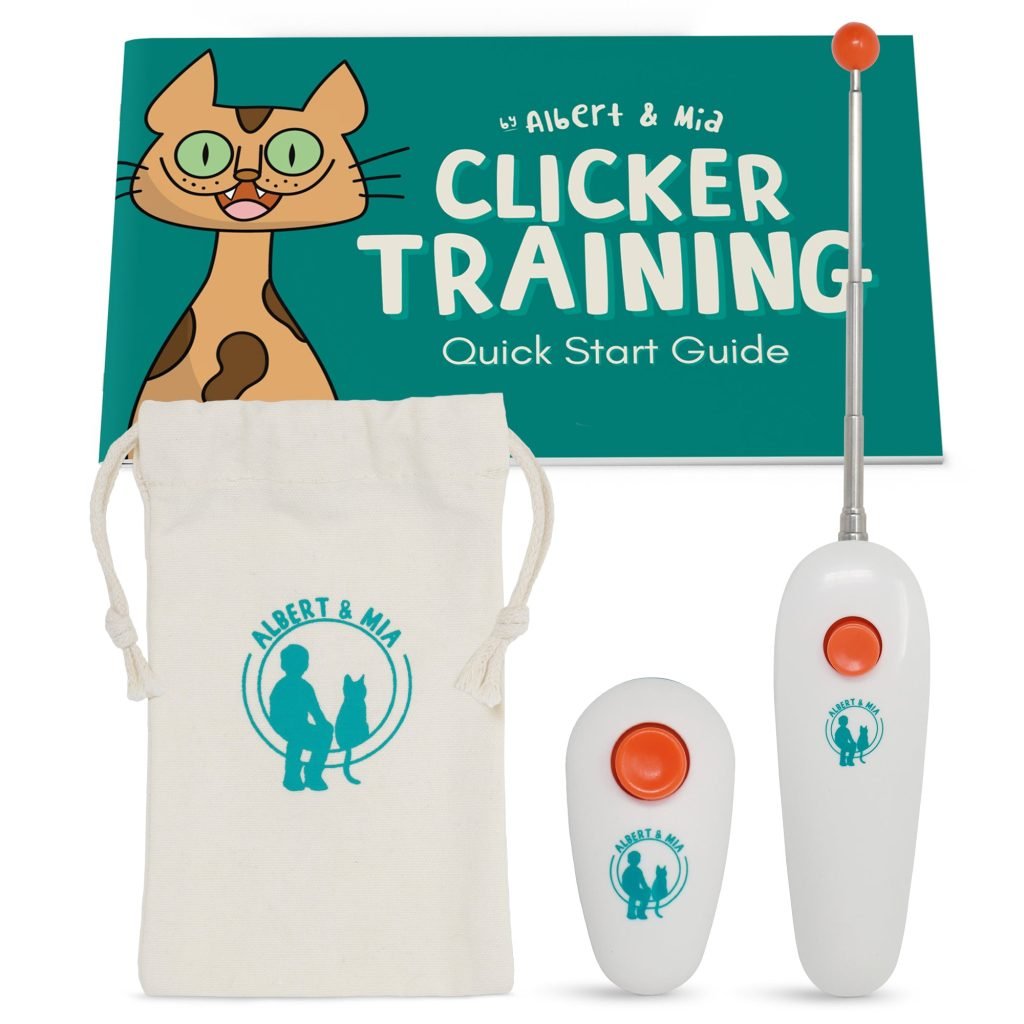
Are you looking for a simple and effective way to train your cat? A cat clicker might be just what you need.
This small tool can help you teach your furry friend new tricks, improve their behavior, and strengthen the bond between you. Imagine having a happy, well-behaved cat who listens to you and responds quickly. You’ll discover how a cat clicker works and why it can make training easier and more fun for both of you.
Keep reading to unlock the secret to successful cat training!

Credit: www.amazon.ca
Why Use A Clicker For Cats
Using a clicker for training your cat can change how you communicate and connect with your feline friend. Cats respond well to clear signals, and a clicker provides a consistent, sharp sound that grabs their attention instantly. This small tool can make teaching tricks or correcting behavior simpler and more enjoyable for both of you.
Benefits Of Clicker Training
Clicker training offers many advantages for cat owners. It helps your cat understand exactly which behavior you want to encourage by marking the moment they do it right. This clarity reduces confusion and speeds up learning.
Another benefit is that it builds trust between you and your cat. Since the clicker sound is always followed by a treat, your cat starts associating training sessions with positive experiences. This makes your cat more eager to participate and learn.
Clicker training also allows you to teach complex behaviors in small, manageable steps. You can break down a trick into tiny actions and reward each one. This step-by-step approach keeps your cat motivated and focused.
How Clicker Training Works
The clicker makes a distinctive sound that marks a specific moment in time. When your cat performs the desired behavior, you immediately press the clicker and then give a reward like a treat or affection. This sequence helps your cat link the sound with a positive outcome.
Because the clicker sound is consistent and different from everyday noises, it stands out clearly to your cat. This removes any guesswork about when they did something right. Over time, your cat learns to repeat the behavior to hear the click and earn a reward.
You might wonder how long it takes for a cat to understand the clicker. Most cats catch on within a few short sessions, especially if you keep training fun and brief. The key is timing — clicking at the exact moment your cat does the right thing.
Science Behind Clicker Training
Clicker training is based on the principles of operant conditioning, a well-studied learning process. Animals learn to associate a specific action with consequences, either rewards or punishments. The clicker acts as a precise marker that signals a reward is coming.
Studies show that using a clicker can speed up learning compared to traditional training methods. The clear, consistent sound helps animals understand what is expected without confusion. This reduces stress and increases motivation during training.
Interestingly, clicker training taps into your cat’s natural curiosity and problem-solving skills. When they realize they can control the outcome by their actions, they become more engaged. Have you noticed your cat trying new things when they know a reward is near?
Choosing The Right Clicker
Choosing the right clicker for training your cat is essential. The right tool helps you communicate clearly and reward good behavior. A good clicker is easy to use, reliable, and suits your needs. This choice affects how well your cat learns and responds during training.
Types Of Clickers Available
Clickers come in different shapes and sounds. Some are simple plastic devices that make a sharp click noise. Others have a button or a metal strip to press. There are also electronic clickers that make various sounds or light up. Choose one with a sound your cat notices but does not scare.
Features To Consider
- Size and shape: Should fit comfortably in your hand.
- Sound clarity: Must produce a clear, consistent click.
- Durability: Needs to last through many training sessions.
- Ease of use: Should be easy to press quickly and repeatedly.
- Additional functions: Some clickers have built-in timers or counters.
Budget-friendly Options
Many effective clickers are affordable. Basic plastic models often cost very little and work well. Avoid expensive clickers with extra features if you are new to training. A simple, clear-clicking device can be just as good. Focus on how it feels and sounds, not the price tag.
Getting Started With Clicker Training
Starting clicker training with your cat builds a strong bond and clear communication. This training uses a small device that makes a clicking sound. The click marks the exact moment your cat does something right. It helps your cat understand what you want quickly.
Patience is key when beginning. Keep sessions short and fun. Cats respond best to positive experiences and gentle guidance. Let’s explore the basics of getting started with clicker training.
Introducing The Clicker To Your Cat
Begin by letting your cat hear the clicker sound several times. Do this without asking for any action. Immediately after each click, give a small treat. Repeat this a few times in a quiet room. This helps your cat connect the sound with a reward.
Once your cat notices the click means a treat, try clicking when they do simple actions. For example, sitting or looking at you. Keep the experience positive and stress-free.
Timing And Consistency
Click at the exact moment your cat performs the desired behavior. Early or late clicks can confuse your cat. Consistent timing helps your cat learn faster. Use the clicker only for good behavior to avoid mixed signals.
Hold regular training sessions daily. Short sessions of 5 to 10 minutes work best. Consistency builds trust and strengthens learning over time.
Using Treats Effectively
Choose small, tasty treats your cat loves. Treats should be bite-sized for quick eating. This keeps your cat focused and ready for the next step. Use treats as a reward right after the click.
Gradually reduce treats as your cat learns the behavior. Replace treats with praise or petting to keep motivation high. Avoid overfeeding by adjusting your cat’s regular meal size.
Basic Commands To Teach Your Cat
Teaching basic commands to your cat builds trust and improves behavior. Cats learn best with patience and positive reinforcement. Clicker training makes this process clear and fun for your cat.
Start with simple commands to create a strong foundation. Consistency and short training sessions help your cat stay focused. Use treats and clicks to mark the right actions quickly.
Sit And Stay
Teaching your cat to sit and stay is a great first step. Hold a treat above its head and move it back slowly. The cat will naturally sit to watch the treat. Click and reward once the cat sits.
To teach stay, ask your cat to sit first. Show your open palm and say “stay.” Step back slowly, click, and reward if your cat holds the position. Repeat with short distances and times.
Come When Called
Use your cat’s name followed by the command “come.” Show a treat or favorite toy to catch attention. When your cat approaches, click and give a reward immediately. Repeat this in different rooms for better results.
Keep the tone happy and inviting. Avoid calling your cat for negative reasons to build trust in the command. Practice often to make coming when called a habit.
High Five And Other Tricks
Teaching tricks like high five adds fun and mental exercise. Hold a treat near your cat’s paw and gently tap it to get a paw up. Click and reward once the paw touches your hand.
Other tricks include rolling over or spinning. Use the same click and treat method to mark success. Tricks keep your cat engaged and strengthen your bond.
Advanced Training Techniques
Advanced training techniques with a cat clicker help deepen your bond. They also improve your cat’s focus and skills. These methods go beyond basic commands and encourage mental growth.
Using a clicker consistently creates clear communication. Your cat learns to associate the click sound with rewards. This makes training more effective and fun for both of you.
Using Clicker For Behavior Modification
Clicker training can change unwanted behaviors gently. It rewards good actions instead of punishing bad ones. This positive approach helps reduce stress in cats.
- Identify the behavior you want to change.
- Click and reward when your cat shows the right behavior.
- Ignore or redirect unwanted actions without yelling.
- Practice regularly for steady progress.
Training For Agility And Games
Clicker training can teach your cat to navigate obstacles. It makes exercise fun and stimulates your cat’s mind. Use treats and clicks to guide your cat through simple agility courses.
- Start with basic commands like sit or stay.
- Introduce small jumps or tunnels step by step.
- Use the clicker to mark success instantly.
- Turn training into a playful routine.
Combining Clicker With Other Methods
Clicker training works well with other positive methods. Mixing techniques keeps your cat interested and motivated. For example, use gentle petting with click and treat rewards.
- Combine verbal praise with clicker clicks.
- Use hand signals along with clicks.
- Introduce puzzle toys after clicker sessions.
- Observe your cat’s responses to adjust methods.

Credit: www.amazon.ca
Common Challenges And Solutions
Training your cat with a clicker can be rewarding, but it comes with its own set of challenges. Understanding these common hurdles helps you stay patient and adjust your approach. Let’s look at practical ways to handle distractions, manage treats wisely, and keep your cat eager to learn.
Dealing With Distracted Cats
Cats are naturally curious, which can make focusing during training tough. If your cat gets distracted, try training in a quiet room with minimal stimuli. Short sessions of 5 to 10 minutes work better than long ones because cats have limited attention spans.
Sometimes, your cat might respond better at certain times of the day when they’re naturally calmer or more alert. Have you noticed when your cat is most responsive? Observe and plan your sessions accordingly.
Avoiding Overuse Of Treats
Using treats is essential for clicker training, but too many can lead to weight gain or lose their effectiveness. Try breaking treats into tiny pieces so your cat gets frequent rewards without extra calories.
Mix in other rewards like affection, playtime, or praise to keep your cat interested. This variation also teaches your cat that good behavior brings multiple benefits, not just food.
Keeping Your Cat Motivated
Motivation can dip if training feels repetitive or your cat doesn’t see quick progress. Keep sessions fun by introducing new tricks or changing the environment slightly. This keeps your cat’s brain engaged and prevents boredom.
Remember to celebrate small wins. Even a tiny improvement is a step forward. How do you celebrate progress with your cat? Sharing positive energy can boost motivation for both of you.
Success Stories And Inspiration
Many cat owners have found great success using clicker training. These stories inspire others to try this gentle, effective method. Cats learn new behaviors quickly and respond well to positive reinforcement.
Training with a clicker often builds stronger bonds between cats and their owners. It creates trust and understanding. Owners share how small changes made a big difference in their cats’ behavior and mood.
Real-life Training Achievements
- A shy cat learned to come when called after weeks of clicker sessions.
- One cat mastered simple tricks like “sit” and “high five” using the clicker.
- Another owner helped their cat overcome fear of the vet through gradual clicker training.
- Clicker training helped a cat reduce scratching furniture by teaching alternative actions.
How Clicker Changed Cat-owner Relationships
Clicker training improves communication between cats and owners. Cats become more confident and less stressed. Owners feel proud and more connected to their pets.
Many owners notice their cats are more eager to engage and play. The training sessions become special bonding moments. This shared activity brings joy and trust into the home.
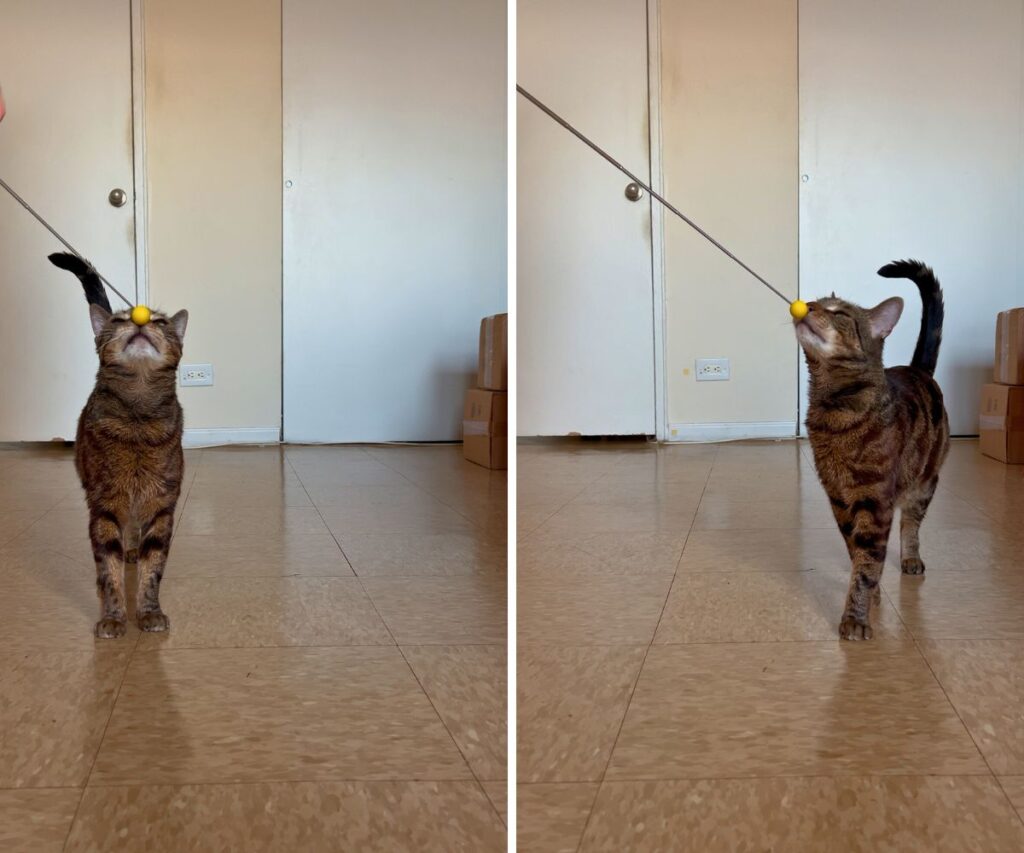
Credit: caticles.com
Maintaining Skills Long-term
Keeping your cat’s skills sharp with clicker training doesn’t stop after the initial lessons. Long-term maintenance is essential for your cat to stay engaged and responsive. You want to make sure the training remains a positive and rewarding experience for both of you.
Regular Practice Tips
Short, frequent sessions work best to keep your cat interested without overwhelming them. Aim for 5 to 10 minutes daily, focusing on skills your cat already knows. This keeps the behavior fresh and avoids frustration.
Use high-value treats during practice to motivate your cat. If your cat starts losing interest, switch to a new reward or add a fun twist to the exercise. Have you noticed your cat’s favorite treat changes over time? Adjusting rewards can make a big difference.
Consistency is key. Try to practice at the same time each day so your cat can anticipate training as part of their routine. This builds a habit that’s easier to maintain over the long haul.
Adapting Training As Your Cat Ages
Older cats may have different energy levels and physical abilities. Adjust the training to fit your cat’s current needs. For example, replace jumping tricks with gentle paw taps or head nudges if mobility becomes an issue.
Keep sessions shorter and gentler. Seniors often appreciate slower pacing and more breaks, which helps keep training enjoyable rather than stressful. Have you observed your cat’s stamina changing? Let that guide your approach.
Also, use training as a way to monitor health. If your cat struggles with movements they once performed easily, it might be time for a vet check. Training can become a valuable tool to notice early signs of discomfort or illness.
Frequently Asked Questions
What Is A Cat Clicker Used For In Training?
A cat clicker is a tool that makes a clicking sound to mark desired behaviors. It helps cats learn commands faster by associating the click with rewards. This positive reinforcement improves training efficiency and strengthens the bond between owner and cat.
How Do You Train A Cat With A Clicker?
To train a cat with a clicker, first click when the cat performs the desired action. Immediately follow the click with a treat. Repeat this process consistently. Over time, the cat links the click sound to rewards and repeats the behavior voluntarily.
Why Is Clicker Training Effective For Cats?
Clicker training is effective because it provides clear, immediate feedback. Cats quickly understand which behaviors earn rewards. This method reduces confusion and speeds up learning. It also encourages positive interactions without punishment, making training enjoyable for both cat and owner.
Can Clicker Training Help With Cat Behavior Problems?
Yes, clicker training can address behavior problems by reinforcing good habits. It redirects unwanted actions by rewarding alternatives. This approach is gentle and effective, promoting lasting behavioral changes without stress or aggression.
Conclusion
Training your cat with a clicker makes learning clear and fun. Cats respond well to simple signals and rewards. Use the clicker to mark good behavior quickly and gently. Practice short sessions often to keep your cat interested. Patience and consistency help your cat learn better.
This method builds trust between you and your pet. Enjoy watching your cat learn new tricks step by step. Clicker training turns training time into a positive experience. It’s a smart way to guide your cat’s behavior every day.
