

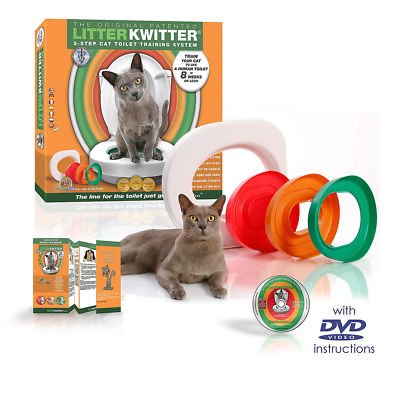
Imagine never having to scoop your cat’s litter box again. Sounds like a dream, right?
With cat toilet training, that dream can become your reality. You might wonder if it’s really possible or too complicated for your furry friend. But what if you could teach your cat to use the toilet just like you do?
This not only saves you time and effort but also keeps your home cleaner and fresher. Keep reading to discover simple, effective steps that will make this training easier than you think—and why your cat will thank you for it.
Credit: www.walmart.ca
Benefits Of Toilet Training Cats
Toilet training cats offers many benefits for both pets and owners. It changes daily routines and improves living spaces. Training helps cats develop better habits while making life easier for humans. The following sections explore key advantages of toilet training cats.
Hygiene Improvements
Toilet training reduces litter box mess. It prevents tracking litter around the house. Cats use a clean, designated spot, which lowers odors. Less waste on the floor means fewer bacteria. This creates a healthier home for everyone.
Cost Savings
Toilet training cuts down on litter expenses. You buy less or no litter over time. This saves money in the long run. It also reduces the need for frequent cleaning products. Overall, training helps keep your budget balanced.
Environmental Impact
Toilet training lowers litter waste thrown away. It reduces plastic bags and litter packaging. Fewer litter materials mean less landfill pressure. Using the toilet saves natural resources. This is a small but positive step for the planet.
Preparing Your Cat For Training
Preparing your cat for toilet training is a crucial phase that sets the foundation for success. Cats are creatures of habit, so understanding their readiness and environment can make a big difference. Taking time to prepare both your cat and your space will help ease the transition and reduce stress for both of you.
Assessing Readiness
Not every cat is ready for toilet training right away. Look for signs like your cat’s ability to use the litter box consistently and their curiosity about new experiences. If your cat is still a kitten or showing anxiety around the litter box, it might be best to wait.
Have you noticed your cat avoiding the litter box or reacting negatively to changes? These are red flags that suggest more time is needed before starting. Patience here can save frustration later.
Gathering Necessary Supplies
Before you begin, make sure you have all the tools to support your cat’s new habit. A sturdy toilet seat trainer designed for cats is essential. You will also need flushable cat litter as you gradually reduce the amount used.
Keep cleaning supplies handy to manage any accidents quickly. Having everything within reach helps maintain consistency, which cats appreciate. Think about adding a step stool if your cat needs help reaching the toilet.
Creating A Calm Environment
Your cat’s comfort is key to successful training. Minimize loud noises and sudden changes in the bathroom during training days. Cats respond well to a quiet, stable space where they feel safe.
Consider playing soft music or using calming sprays if your cat tends to get anxious. Have you tried spending extra time with your cat in the training area to build positive associations? This simple act can boost their confidence significantly.
Step-by-step Training Process
Teaching your cat to use the toilet takes patience and a clear plan. The process helps your cat feel comfortable and confident. Each stage builds on the last. Follow these steps carefully for best results.
Introducing The Toilet Area
Start by placing your cat’s litter box near the toilet. Let your cat explore this new spot for several days. Keep the litter box clean and full. Your cat will begin associating this area with bathroom use. This step sets the foundation for change.
Gradually Raising The Litter Box
Slowly raise the litter box height using sturdy objects. Raise it a few inches every few days. The goal is to match the toilet seat height. Watch your cat’s comfort level closely. Avoid sudden changes to prevent stress.
Transitioning To The Toilet Seat
Move the litter box onto the toilet seat. Secure it so it won’t slip or fall. Let your cat get used to jumping onto the toilet. Keep the box filled with litter during this time. This step helps your cat learn balance and new habits.
Using Training Seats
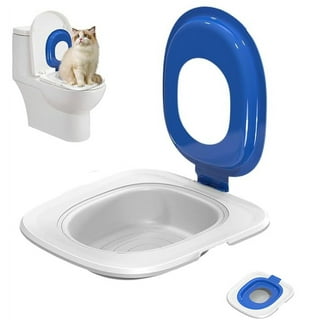
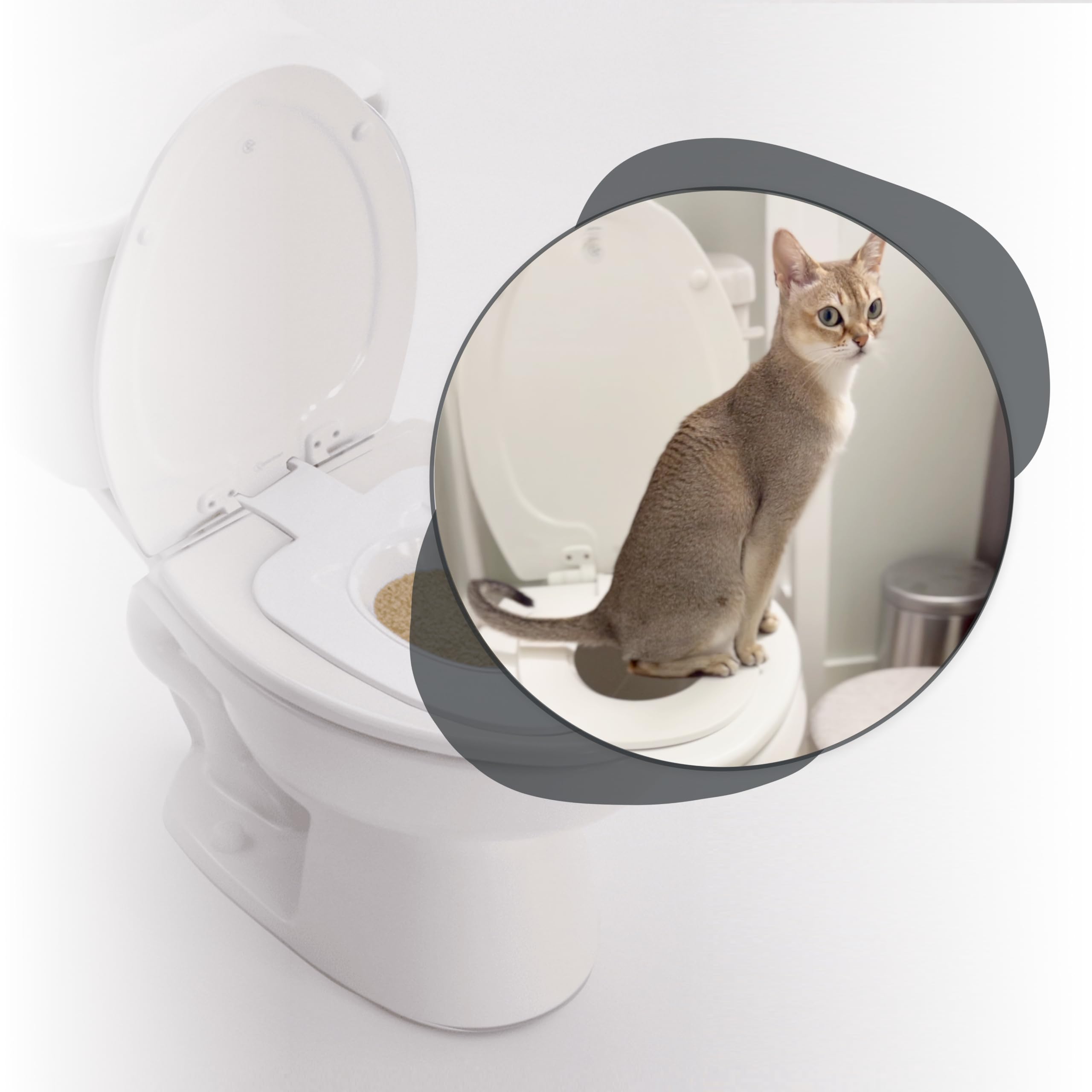
Replace the litter box with a cat toilet training seat. These seats fit inside the toilet bowl. Start with a full litter tray in the seat. Gradually reduce litter while increasing the open space. Your cat will learn to balance on the seat and use the water below.

Credit: kmccberwick.ca
Common Challenges And Solutions
Training your cat to use the toilet is a rewarding experience, but it comes with its fair share of hurdles. Understanding common challenges helps you prepare practical solutions that keep both you and your feline friend on track. Let’s dive into some typical issues and how to handle them effectively.
Fear And Resistance
Cats are creatures of habit, and a sudden change like toilet training can cause stress. Your cat might hesitate or refuse to use the toilet because it feels unfamiliar or unsafe. Watch for signs like avoiding the bathroom or vocalizing distress.
To ease their fear, introduce the toilet gradually. Start by placing the litter box near the toilet, then slowly elevate it over time. Patience is key—some cats take weeks or even months to feel comfortable.
Remember, forcing your cat can backfire. Try using treats or gentle praise to encourage positive behavior instead. Have you noticed your cat’s unique comfort cues? Use those to guide your approach.
Accidents Outside The Toilet
Accidents happen, especially early in training. Your cat might miss the toilet or opt for a more familiar spot. This is frustrating but normal.
Keep a close eye on your cat’s behavior to catch signs they need to go. Cleaning accidents thoroughly with enzymatic cleaners removes odors that might attract repeat offenses.
Also, consider if the toilet seat is stable and the water level is low enough to avoid scaring your cat. Small adjustments can make a big difference in success rates.
Relapse Prevention
Even after successful training, some cats might revert to old habits during stress or illness. It’s important to maintain a clean and accessible toilet environment consistently.
Keep the routine steady and watch for any signs of discomfort, like straining or unusual behavior. Quick response can prevent a full relapse.
Would you set up a backup litter box just in case? This can ease your cat’s anxiety and provide a safety net as they adapt long-term.
Tips For Success
Training your cat to use the toilet is a unique challenge that requires more than just setting up a special seat. Success depends on how you guide your cat through the process with care, understanding, and smart techniques. The tips below focus on building a positive experience for your cat while keeping an eye on their well-being.
Positive Reinforcement
Reward your cat immediately after they use the toilet correctly. This could be a treat, gentle petting, or verbal praise. Cats quickly connect positive actions with rewards, making them more likely to repeat the behavior.
Try to keep rewards consistent and specific. If your cat hesitates, don’t punish or scold; instead, encourage and reward small steps toward the goal. Have you noticed how a simple “good job” can brighten your cat’s mood and boost their confidence?
Consistency And Patience
Stick to a regular training schedule. Cats thrive on routine, so try to guide them at the same times each day. Changing the schedule often can confuse your pet and slow down progress.
Be patient. Some cats take weeks to adjust, while others might need months. Watch your cat’s behavior closely and adjust your pace if you notice stress or resistance. Remember, rushing the process can backfire.
Monitoring Your Cat’s Health
Keep an eye on any changes in your cat’s bathroom habits. Toilet training can sometimes hide signs of health issues like urinary tract infections or constipation. If your cat starts avoiding the toilet or seems uncomfortable, it’s time to check with your vet.
Also, make sure your cat stays hydrated and maintains a healthy diet. These factors influence their bathroom routine and overall comfort during training. How often do you currently observe your cat’s habits to catch early health warnings?
Credit: www.amazon.com
Alternatives To Toilet Training
Toilet training cats is not the only way to manage their bathroom needs. Many cat owners find other methods easier and less stressful for their pets. These alternatives focus on making litter box use more pleasant or exploring different waste solutions. They help keep your home clean and your cat happy without forcing a big change.
Improving Litter Box Habits
Start by keeping the litter box clean. Cats dislike dirty boxes and may avoid them. Scoop waste daily and change litter regularly. Place the box in a quiet, private spot. Use litter that your cat prefers—some like clumping, others non-clumping.
Try having multiple boxes if you have many cats. This reduces competition and stress. Also, consider box size and type. Some cats prefer covered boxes, some open. Watch your cat’s behavior to learn what works best.
Using Self-cleaning Litter Boxes
Self-cleaning litter boxes save time and keep the area fresh. These boxes automatically scoop waste into a sealed compartment. This helps reduce odor and mess. Your cat enjoys a clean spot every time. Some models have sensors that detect when the cat leaves.
Choose a model that fits your budget and space. Make sure your cat adapts well to it. Introduce the box slowly and watch for signs of stress or avoidance.
Other Waste Management Options
Consider alternative products like litter mats to catch stray litter. They help keep floors clean. You can also try disposable litter trays for easy cleanup. Another option is natural litter made from materials like wood or paper.
Some owners use potty pads or training trays for kittens or sick cats. These options reduce litter mess and simplify cleaning. Always observe your cat’s reaction and comfort with these choices.
Frequently Asked Questions
How Long Does Cat Toilet Training Take?
Cat toilet training usually takes 4 to 6 weeks. Patience and consistency are key. Each cat adapts at a different pace.
Can All Cats Learn Toilet Training?
Most cats can learn, but some resist change. Age, temperament, and prior habits affect success rates.
What Are The Benefits Of Toilet Training Cats?
Toilet training reduces litter use, saves money, and minimizes odor. It also keeps the home cleaner and more hygienic.
Are There Risks In Toilet Training Cats?
Some cats may develop anxiety or refuse to use the toilet. Always monitor behavior and revert if stress appears.
Conclusion
Training your cat to use the toilet takes time and patience. Small steps help your cat feel safe and confident. Celebrate each success, no matter how small. Stay calm and consistent throughout the process. Your cat will learn at its own pace.
This method can save money on litter and reduce mess. Remember, every cat is different. Keep trying and enjoy the journey together. Toilet training can be a rewarding experience for both of you.
