

Training your cat to use the litter box might seem tricky, but it doesn’t have to be. With the right steps, you can make this process simple and stress-free for both you and your furry friend.
Imagine a clean home without the hassle of accidents or messes. If you want to know exactly how to guide your cat to use the litter box confidently, keep reading. You’ll discover easy tips that work, helping you build good habits that last.
Let’s dive into making your life—and your cat’s life—much easier.
Credit: www.whiskas.com.ph
Choosing The Right Litter Box
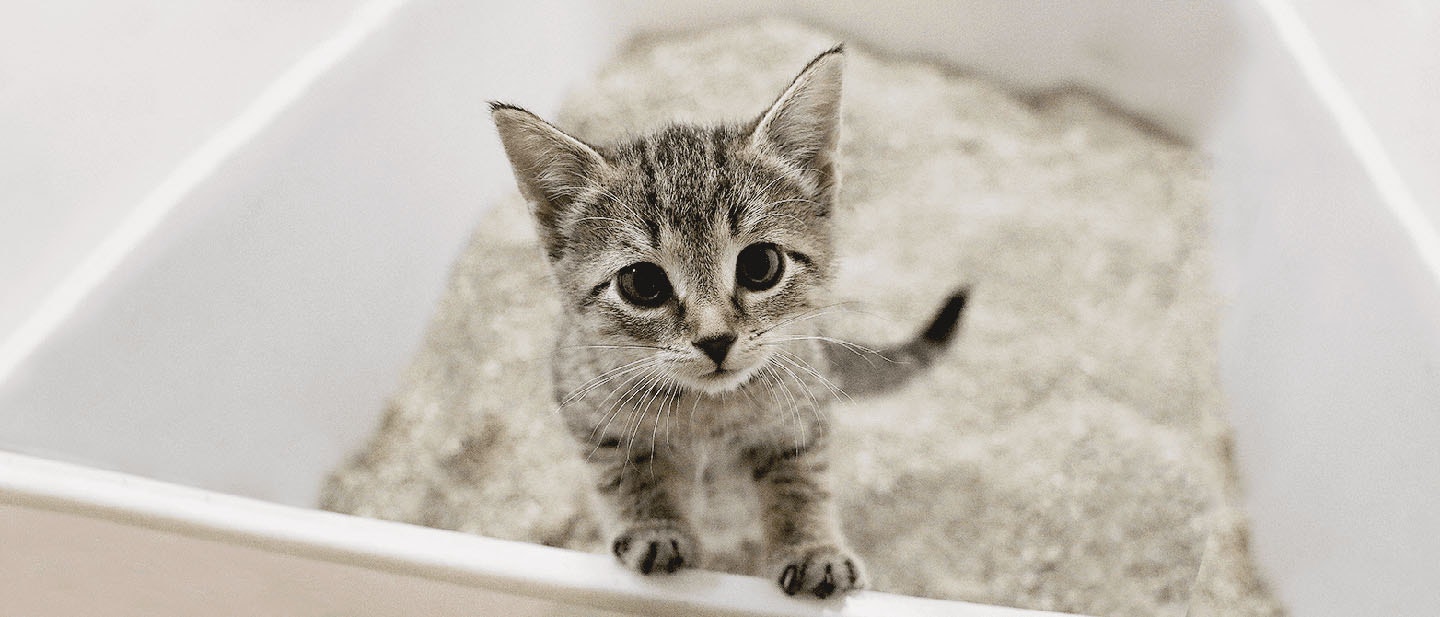
Choosing the right litter box plays a key role in training your cat effectively. Cats prefer comfort and ease when using their bathroom spot. The right box helps them feel safe and encourages good habits. Several factors affect a cat’s willingness to use the litter box consistently. Size, shape, and location all impact their experience. Picking the best litter box sets a strong foundation for litter training success.
Size And Shape Matters
Pick a litter box that fits your cat’s size. Small boxes can make your cat feel cramped. Larger cats need more space to turn and dig comfortably. The shape also influences use. Some cats prefer shallow boxes, others like deeper ones. Consider your cat’s age and mobility. Older cats might struggle with high walls. A box with low sides helps them enter easily. Make sure the box is wide enough for your cat to move freely.
Covered Vs. Open Boxes
Decide between covered and open litter boxes based on your cat’s preference. Some cats like the privacy of a covered box. It helps contain odors and litter scatter. Others find covered boxes too confining or dark. Open boxes offer more ventilation and easy access. Watch how your cat reacts. Change the box type if your cat avoids it. Comfort and security come first.
Placement Tips
Place the litter box in a quiet, low-traffic area. Cats avoid noisy or busy spots. Privacy encourages regular use. Avoid placing the box near food or water bowls. Keep the box on a stable surface. Avoid slippery floors that may scare your cat. Clean the box often to maintain freshness. A well-placed, clean box invites your cat to use it every time.
Credit: www.petsradar.com
Selecting The Best Litter
Choosing the right litter is crucial when training your cat to use the litter box. The litter you pick can make a big difference in how quickly your cat adapts and feels comfortable. It’s not just about cleanliness; it’s about what your cat prefers and what fits your lifestyle.
Types Of Cat Litter
There are several types of cat litter you can choose from, each with its own pros and cons. Clay-based litters are common and absorb moisture well, but they can be dusty. Clumping litters make cleaning easier because they form solid clumps when wet.
Natural litters, like those made from corn, wheat, or pine, are biodegradable and often less dusty. You might want to try a few types to see which one your cat prefers. Have you noticed your cat avoiding certain litters? That’s a sign to switch.
Scented Vs. Unscented
Scented litters mask odors with added fragrances, which might seem helpful to you. However, many cats dislike strong smells and may avoid the box because of it. Unscented litters tend to be more natural and less irritating to your cat’s sensitive nose.
If your cat is new to litter training, start with an unscented option. You can always try scented litter later if you need stronger odor control. What smells does your cat react to negatively?
Texture Preferences
Cats are particular about the texture of their litter. Some prefer fine, soft granules that feel like sand, while others like coarser textures. Pay attention to your cat’s behavior—if they seem hesitant or dig less, the texture might be uncomfortable.
Try offering small amounts of different textures to see which your cat picks. Remember, comfort encourages consistent use. What kind of surface does your cat naturally prefer to scratch or dig in?
Introducing The Cat To The Litter Box
Introducing your cat to the litter box is a crucial first step in successful potty training. It sets the tone for your cat’s comfort and willingness to use the box consistently. Your goal is to make the litter box a familiar and inviting spot without overwhelming or confusing your new feline friend.
Initial Placement Strategies
Choosing where to place the litter box can make all the difference. Pick a quiet, low-traffic area where your cat can have privacy but still feel safe. Avoid noisy spots near washing machines or loud appliances that might scare them away.
Consider placing the box on the same floor where your cat spends most of its time. If you have a multi-level home, adding a box on each floor can prevent accidents and make it easier for your cat to find a bathroom spot quickly.
Encouraging Exploration
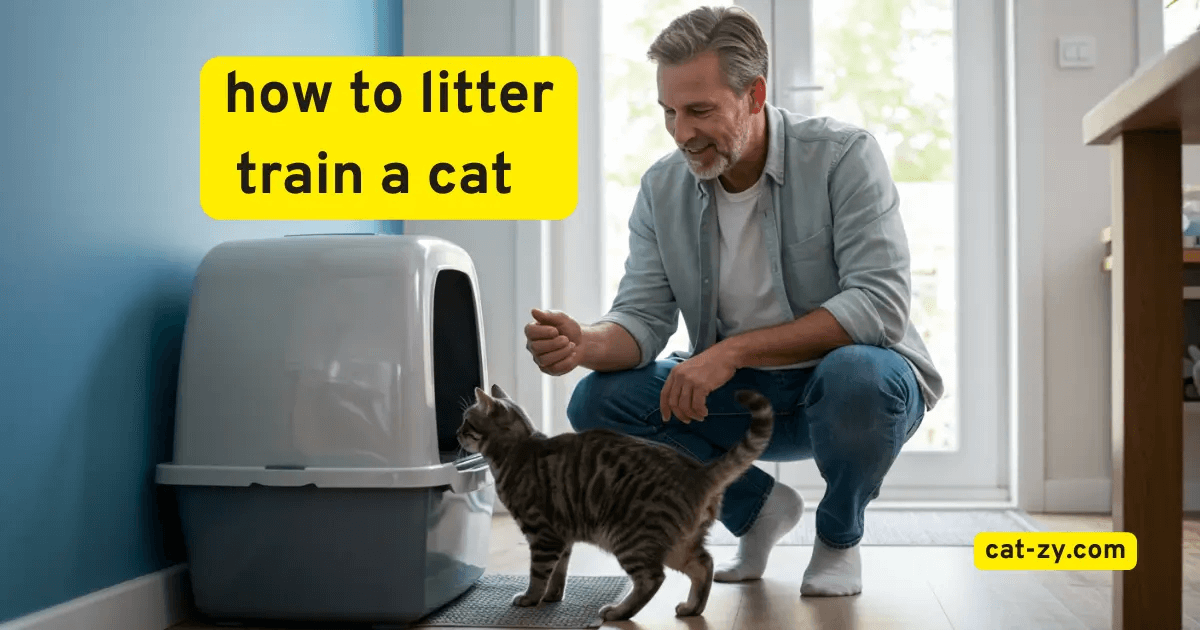
Let your cat discover the litter box at their own pace. Gently place them inside the box after meals or naps to build a connection between these activities and bathroom use.
Try using toys or treats nearby to spark curiosity without forcing your cat. Have you noticed how cats love to explore new things when they feel safe? Use that natural curiosity to your advantage by making the litter box area inviting and stress-free.
Handling Accidents
Accidents are normal, especially during the early stages of training. Don’t punish your cat—this can create fear and confusion, making the problem worse.
Instead, clean up messes thoroughly with an enzyme cleaner to remove any lingering smells. If you notice repeated accidents in one spot, place a temporary litter box there to encourage proper use.
Ask yourself, is your cat showing signs of stress or discomfort? Sometimes, medical issues or litter preferences cause accidents. Staying patient and observant helps you adjust your approach effectively.
Credit: medium.com
Establishing A Routine
Establishing a routine is key to training your cat to use the litter box. Cats feel safe and comfortable with predictable schedules. A steady routine helps your cat learn when and where to go. It also reduces accidents and confusion. Consistency builds good habits and trust.
Start by observing your cat’s natural habits. Notice when they eat and when they tend to relieve themselves. Use this information to create a feeding and bathroom schedule. Keep this routine simple and regular. This way, your cat will quickly understand what is expected.
Feeding And Bathroom Schedule
Feed your cat at the same times every day. Regular feeding times lead to regular bathroom times. Most cats need to use the litter box shortly after eating. Try feeding your cat twice a day, morning and evening. Watch for signs that your cat needs to go. Place your cat in the litter box after meals. This helps link eating with bathroom habits.
Positive Reinforcement
Reward your cat for using the litter box. Use gentle praise or a small treat. Never punish your cat for accidents. Punishment can cause fear and confusion. Positive reinforcement encourages your cat to repeat good behavior. Make rewards immediate so your cat connects the action and the praise. This strengthens their learning.
Consistency Tips
- Keep the litter box clean every day.
- Place the litter box in a quiet, accessible spot.
- Use the same type of litter your cat prefers.
- Limit changes to feeding times and locations.
- Check the litter box after naps and meals.
- Be patient and calm during training.
Consistency helps your cat feel secure. It makes learning easier and faster. Stick to your routine and give your cat time to adjust.
Common Challenges And Fixes
Training a cat to use the litter box often comes with challenges. These common problems can cause frustration for both pets and owners. Understanding typical issues helps find quick, effective solutions. Patience and consistency improve training success.
Avoiding Litter Box Aversion
Cats may avoid the litter box for several reasons. A dirty box is the top cause. Cats prefer clean, fresh litter. Using scented or harsh litters can also drive them away. Loud noises near the box can scare a cat. The box location matters too—cats like quiet, private spots.
- Clean the box daily
- Choose unscented, soft litter
- Place box in a quiet area
- Use a large enough box for comfort
Dealing With Marking Behavior
Marking is different from normal toileting. Cats spray to mark territory. This often happens with new pets or stress. Neutering or spaying reduces marking. Provide enough litter boxes in multi-cat homes. Use enzymatic cleaners to remove urine smells. Punishing cats worsens the behavior.
- Spay or neuter your cat
- Provide one box per cat, plus one extra
- Clean marked areas thoroughly
- Reduce stress with play and attention
Cleaning And Maintenance
Regular cleaning keeps cats happy and healthy. Scoop waste daily to avoid odors. Wash the box with mild soap weekly. Avoid strong chemicals that irritate cats. Replace litter fully every one to two weeks. Use multiple boxes for multi-cat homes to reduce conflicts.
- Scoop waste once or twice daily
- Wash box weekly with gentle soap
- Replace litter completely every 7-14 days
- Use multiple boxes if needed
When To Seek Professional Help
Training your cat to use the litter box usually goes smoothly, but sometimes you might notice behaviors that worry you. Knowing when to ask for professional help can save you a lot of frustration and ensure your cat stays happy and healthy. Ignoring persistent problems could make the situation worse, so it’s important to recognize the signs early.
Behavioral Issues
Is your cat suddenly avoiding the litter box despite your best efforts? This could signal stress, anxiety, or territorial disputes with other pets. Cats often hide their discomfort, so changes in litter box habits might be their way of telling you something’s wrong.
If your cat scratches outside the box or urinates in unusual spots repeatedly, it’s time to consult a behavior expert. They can help identify triggers and recommend strategies to ease your cat’s stress and improve their litter box use.
Health Concerns
Sometimes, litter box problems stem from medical issues like urinary tract infections, bladder stones, or kidney problems. If your cat strains to urinate, cries out, or has blood in their urine, these are urgent signs to seek veterinary care.
Ignoring these symptoms can lead to serious complications. Always watch for sudden changes in bathroom habits combined with other signs such as lethargy or loss of appetite.
Consulting A Veterinarian
Your veterinarian is a key ally in solving litter box problems. They can run tests to rule out health problems and give advice tailored to your cat’s needs.
Be honest about your cat’s behavior and any changes you’ve noticed. This information helps the vet provide the best care and decide if a referral to a specialist is needed.
Frequently Asked Questions
How Long Does It Take To Train A Cat In Litter Box?
Training a cat to use the litter box usually takes one to two weeks. Consistency and patience speed up the process. Young kittens may learn faster, while older cats might need more time.
What Type Of Litter Is Best For Training Cats?
Clumping, unscented, and fine-grained litter is ideal for training cats. It mimics natural soil texture, making cats comfortable. Avoid strong fragrances as they can deter cats from using the box.
How Often Should I Clean The Cat’s Litter Box?
Clean the litter box daily by scooping waste. Fully replace litter and wash the box weekly. Cleanliness encourages cats to use the box consistently and prevents odors.
Can I Train An Adult Cat To Use A Litter Box?
Yes, adult cats can learn litter box habits with patience. Use positive reinforcement, maintain cleanliness, and place the box in a quiet, accessible spot. Avoid punishment to build trust.
Conclusion
Training your cat to use the litter box takes time and patience. Stay calm and consistent with your approach. Reward good behavior to encourage your cat. Keep the litter box clean and in a quiet spot. Watch your cat’s signals to understand their needs.
Remember, every cat learns at its own pace. With care and attention, your cat will use the litter box confidently. This helps keep your home clean and your cat happy. Small steps lead to great success in training your pet.
