

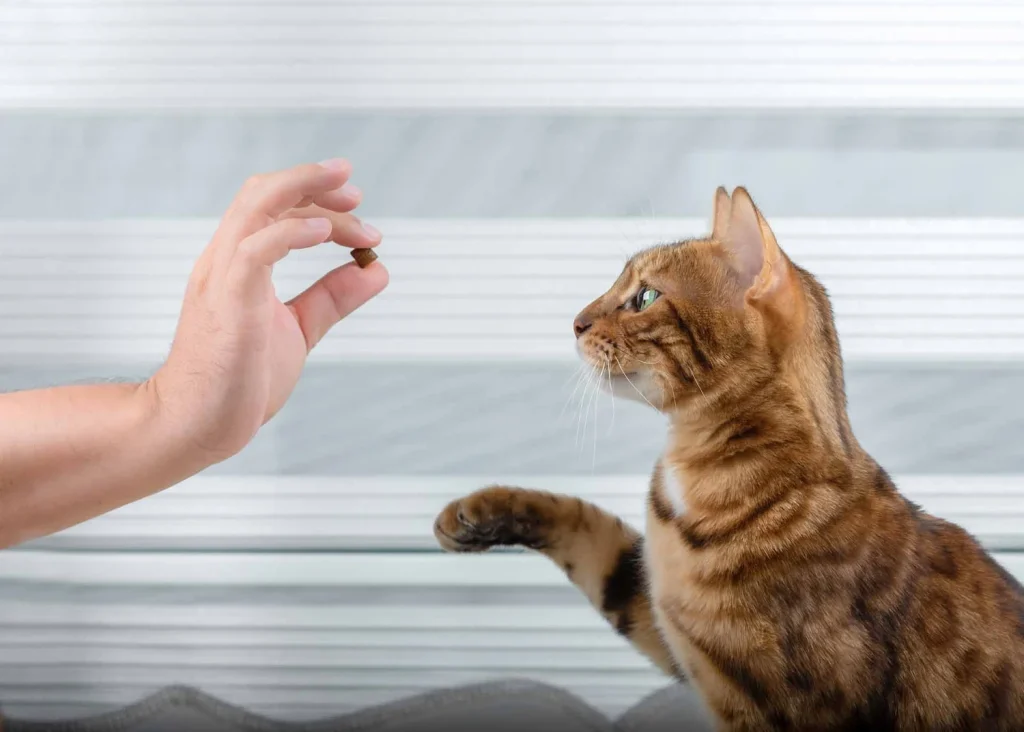
Have you ever wished your cat would come when called or stop scratching the furniture? Training your cat with a clicker can make this happen faster than you think.
Using a simple sound to mark good behavior taps into your cat’s natural learning instincts. This method is not only effective but also builds a stronger bond between you and your furry friend. Ready to discover how a tiny click can change your cat’s behavior for the better?
Keep reading to unlock the secrets of clicker training and turn your cat into a well-mannered companion.
Why Use Clicker Training
Clicker training offers a clear and effective way to communicate with your cat. Unlike traditional training methods, it uses a consistent sound to mark desired behaviors. This approach not only speeds up learning but also strengthens the bond between you and your feline friend.
Benefits For Cats
Clicker training turns learning into a positive experience for your cat. It reduces confusion by providing an exact moment of recognition, which helps cats understand what you want from them.
Many cats respond well to this method because it respects their pace and personality. It encourages mental stimulation and can help reduce boredom or destructive behavior.
Have you noticed your cat learning tricks faster when you reward immediately? That’s the power of clear and timely feedback, which clicker training ensures.
How Clicker Training Works
The clicker makes a distinct sound that your cat learns to associate with a reward, usually a treat. When your cat performs the right action, you click instantly, then give the treat.
This simple sequence helps your cat link the sound with positive outcomes. Over time, the click alone signals a job well done, making training smoother.
Think about how often you miss the exact moment your cat does something good. The clicker fixes that by capturing the instant, making your instructions clearer and more effective.
Credit: www.cats.org.uk
Choosing The Right Clicker
Choosing the right clicker is crucial for effective cat training. The clicker should feel comfortable in your hand and produce a clear, consistent sound that your cat can easily recognize. Picking the wrong one might cause confusion or frustration for both you and your feline friend.
Types Of Clickers
There are several types of clickers available, each with its own advantages:
- Standard Plastic Clickers:These are small, simple devices that make a sharp “click” sound when pressed. They’re lightweight and easy to carry around during training sessions.
- Metal Clickers:Known for durability, metal clickers produce a louder and crisper sound. If you train in noisy environments, this might be a better choice.
- Button Clickers:These have a flat button rather than a lever, making them quieter and sometimes more comfortable for prolonged use.
- Electronic Clickers:Battery-operated devices that often allow you to adjust the sound volume. These can be handy if you want consistent sound without physical effort.
Think about where and how often you plan to train your cat. Would a louder click help grab their attention, or would a quieter one be less startling?
Features To Consider
Besides the type, several features impact your training success:
- Sound Consistency:The click sound must be the same every time. If it varies, your cat may get confused about which behavior earned the reward.
- Size and Comfort:The clicker should fit well in your hand. If it’s awkward or bulky, you might hesitate to use it often.
- Durability:Cats can be curious and playful—your clicker needs to withstand some drops or scratches.
- Ease of Use:You want a clicker that responds immediately without requiring too much pressure or complicated handling.
I once used a clicker that was too stiff to press quickly. It slowed down my training pace and made my cat lose interest. After switching to a softer-clicking one, sessions became smoother and more enjoyable for both of us.
Which features matter most to you? Testing a few options might reveal what feels right in your hand and matches your cat’s responsiveness.
Getting Started With Clicker Training
Starting clicker training with your cat can feel like a new adventure for both of you. It’s about building a clear way to communicate, where your cat learns that a specific sound means they did something right. This simple tool can open doors to teaching behaviors that make daily life smoother and more enjoyable.
Introducing The Clicker To Your Cat
Begin by familiarizing your cat with the clicker sound. Click once and immediately offer a small treat. Repeat this several times in a calm setting to help your cat connect the click with a positive reward.
Keep the sessions short and fun to avoid overwhelming your cat. You might notice your cat starts looking for the treat after hearing the click. This shows they’re ready to move on to the next step.
Timing And Consistency
Timing is key in clicker training. You need to click the moment your cat performs the desired action, no later. This sharp timing helps your cat understand exactly which behavior earned the reward.
Consistency is just as important as timing. Use the clicker and treats every time your cat does the behavior you want to encourage. Skipping clicks or treats can confuse your cat and slow progress.
Have you ever noticed how your cat responds differently on busy days versus calm days? Training when your cat is relaxed and focused usually brings the best results. What small behaviors could you start clicking for today?

Credit: www.outdoorbengal.com
Basic Commands To Teach
Teaching basic commands to your cat builds a strong bond. Clicker training helps your cat understand what you want. Start with simple commands to keep your cat interested. Practice often with short sessions. Reward good behavior with the clicker and treats. These commands set the foundation for more tricks later.
Sit And Stay
Begin with “sit.” Hold a treat above your cat’s head. Move it slowly back. When your cat sits, click and reward immediately. Repeat until your cat sits on command. Next, add “stay.” Ask your cat to sit. Take a step back. Wait a few seconds. Click and treat if your cat stays still. Increase the time slowly. Keep sessions short for best results.
Come When Called
Use your cat’s name and a clicker sound. Call your cat in a happy voice. When your cat comes, click and give a treat. Practice in quiet places first. Then try in different rooms. Always reward quickly to make it clear. This command helps with safety and control. Be patient; cats learn at their own pace.
High Five And Other Tricks
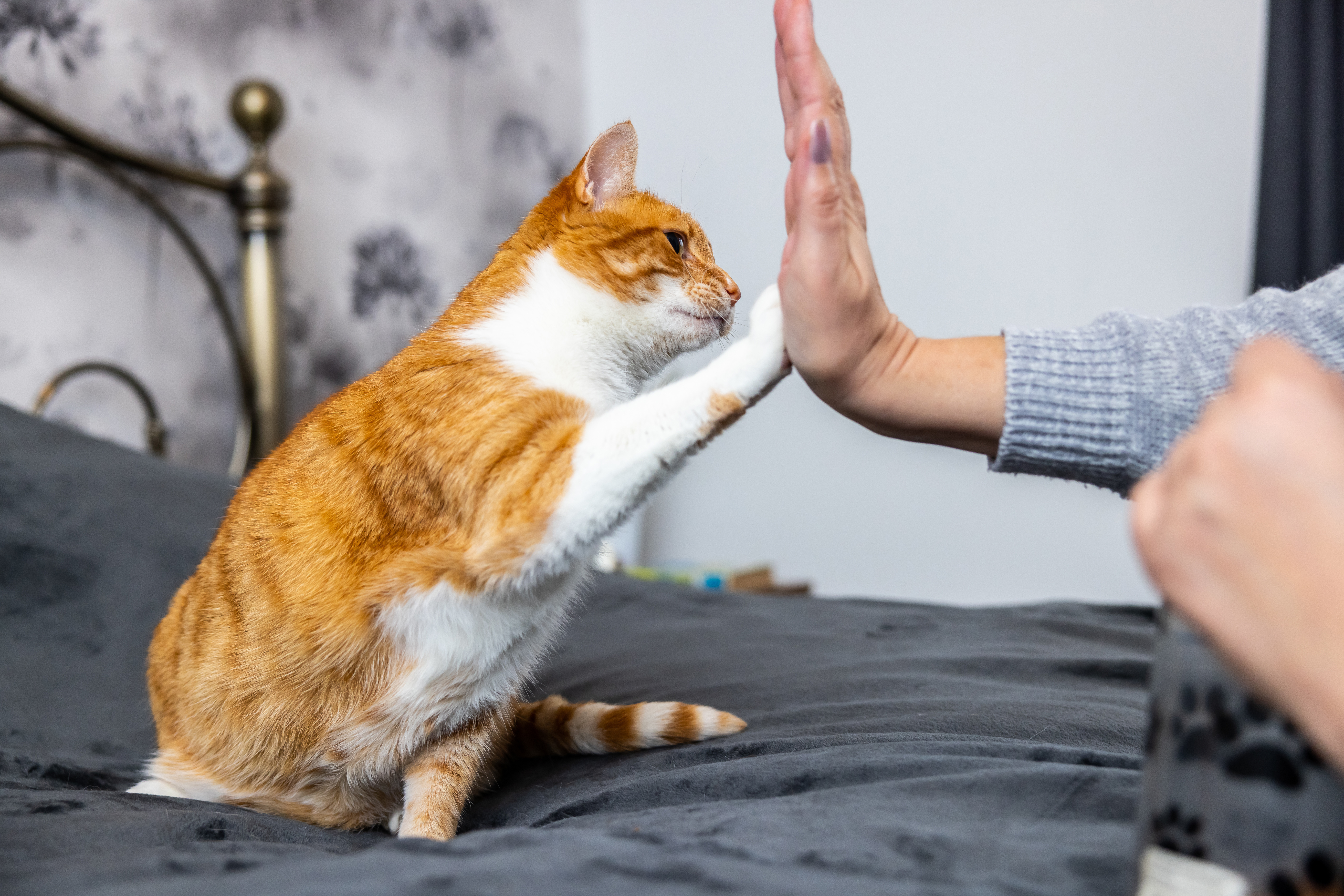
Tricks like “high five” make training fun. Hold a treat near your cat’s paw. When your cat touches your hand, click and reward. Use a clear command like “high five.” Repeat until your cat responds well. Try other tricks like “spin” or “jump.” Use the same click and treat method. Tricks improve your cat’s focus and confidence.
Troubleshooting Common Issues
Training a cat with a clicker can sometimes face challenges. Recognizing common problems helps improve the process. Troubleshooting these issues ensures better learning and fun for both you and your cat.
Lack Of Interest
Some cats may ignore the clicker or treats. Try using higher-value rewards like small pieces of chicken or fish. Keep training sessions short to hold your cat’s attention. Change locations to find a quiet, distraction-free spot. Patience is key; cats need time to understand the game.
Overexcitement
Excited cats can become too jumpy or distracted. Slow down the training pace and give breaks often. Use calm, soft voices to soothe your cat. Reward calm behavior to encourage focus. If your cat gets too wild, pause and resume later.
Inconsistent Responses
Sometimes cats respond well, other times not at all. Make sure you click exactly when your cat does the right action. Consistency in timing helps your cat connect the click with the behavior. Use the same words and tone during training. Avoid training when your cat is tired or hungry.
Advanced Training Techniques
Advanced training techniques take clicker training beyond basic commands. These methods help teach your cat more complex skills and solve behavior problems. Patience and consistency remain key. The cat learns through small steps, building on each success.
Shaping Complex Behaviors
Shaping uses many small rewards to guide your cat toward a big goal. Start by rewarding any action close to the desired behavior. Gradually, reward only actions that get closer to the final behavior. This process helps your cat learn new tricks one step at a time.
- Break the behavior into smaller parts
- Reward each small step with the clicker
- Wait for the cat to improve before clicking
- Combine steps to form the full behavior
This method works for behaviors like jumping on a shelf or ringing a bell. It builds your cat’s confidence and makes training fun.
Using Clicker Training For Behavior Modification
Clicker training can change unwanted habits in your cat. It helps teach new behaviors to replace bad ones. For example, use the clicker to reward calm behavior instead of scratching furniture.
- Identify the unwanted behavior
- Click and reward good alternatives
- Ignore or redirect bad behavior
- Be consistent with timing and rewards
This approach makes your cat more aware of what you want. It reduces stress and builds trust between you and your pet.
Maintaining And Reinforcing Training
Maintaining and reinforcing training is key to keeping your cat responsive to the clicker. Consistency helps your cat remember the commands and behaviors. Without regular practice, your cat may forget what it learned. Reinforcement strengthens the bond between you and your cat, making training a positive experience.
Regular Practice
Practice sessions should be short but frequent. Aim for 5 to 10 minutes daily to keep your cat engaged. Choose quiet times with few distractions. Repeat the same commands to build familiarity. Gradually increase difficulty as your cat improves. Stop before your cat loses interest to keep sessions fun.
Reward Strategies
Use treats your cat loves as rewards after each click. Vary treats to keep your cat motivated. Praise your cat with a soft voice or gentle petting. Avoid overfeeding by using small treat pieces. Occasionally, reward with playtime or favorite toys. Consistent rewards link the click sound to positive outcomes.
:strip_icc()/spruce-pets-cat-clicker-training-5594c453bd7f499aa8e7cf756d485afc.png)
Credit: www.thesprucepets.com
Safety And Well-being During Training
Training a cat with a clicker should always focus on the cat’s safety and well-being. Keeping your cat calm and happy helps make training effective. Stress or discomfort can slow learning and create fear. Understanding your cat’s feelings and needs improves the training experience.
Recognizing Stress Signals
Cats show stress in many ways. Watch for these signs:
- Flattened ears
- Hissing or growling
- Tail flicking or twitching
- Hiding or avoiding you
- Excessive grooming
- Pupil dilation
If your cat shows any signs, pause the training. Let the cat relax before trying again. Respecting these signals keeps your cat safe and confident.
Creating A Positive Environment
Choose a quiet, comfortable space for training. Avoid loud noises and distractions. Use soft lighting and a warm area. Keep training sessions short, about 5 to 10 minutes. End each session with praise or a treat.
Use gentle tones and calm movements. Always reward good behavior immediately. Make training fun and stress-free. This positive approach encourages your cat to learn quickly.
Frequently Asked Questions
What Is Clicker Training For Cats?
Clicker training uses a small device that makes a clicking sound. It marks desired behaviors clearly and helps cats learn faster through positive reinforcement.
How Do I Start Clicker Training My Cat?
Begin by associating the click sound with treats. Click, then immediately give a treat. Repeat until your cat links the click with a reward.
How Long Does Cat Clicker Training Take?
Training time varies but usually takes a few weeks. Consistent short sessions daily help cats learn behaviors effectively and retain them longer.
Can Clicker Training Fix Bad Cat Behaviors?
Yes, clicker training encourages good habits through rewards. It’s more effective than punishment and helps redirect unwanted behaviors positively.
Conclusion
Training a cat with a clicker takes time and patience. Small steps lead to big changes. Cats learn best with clear signals and treats. Keep sessions short and fun for your cat. Consistency helps your cat understand what you want.
Every cat is different; adjust your approach as needed. Enjoy the bond you build through training. Clicker training can make your cat’s life happier. Try it, and see the progress yourself.
