

Have you ever wished your cat could follow simple commands or learn new tricks without stress? Clicker training might be the secret you’ve been looking for.
This easy and effective method helps you communicate clearly with your feline friend, turning training sessions into fun bonding moments. If you want to see your cat respond eagerly and enjoy learning, keep reading—you’re about to discover how to make clicker training work for you and your cat.
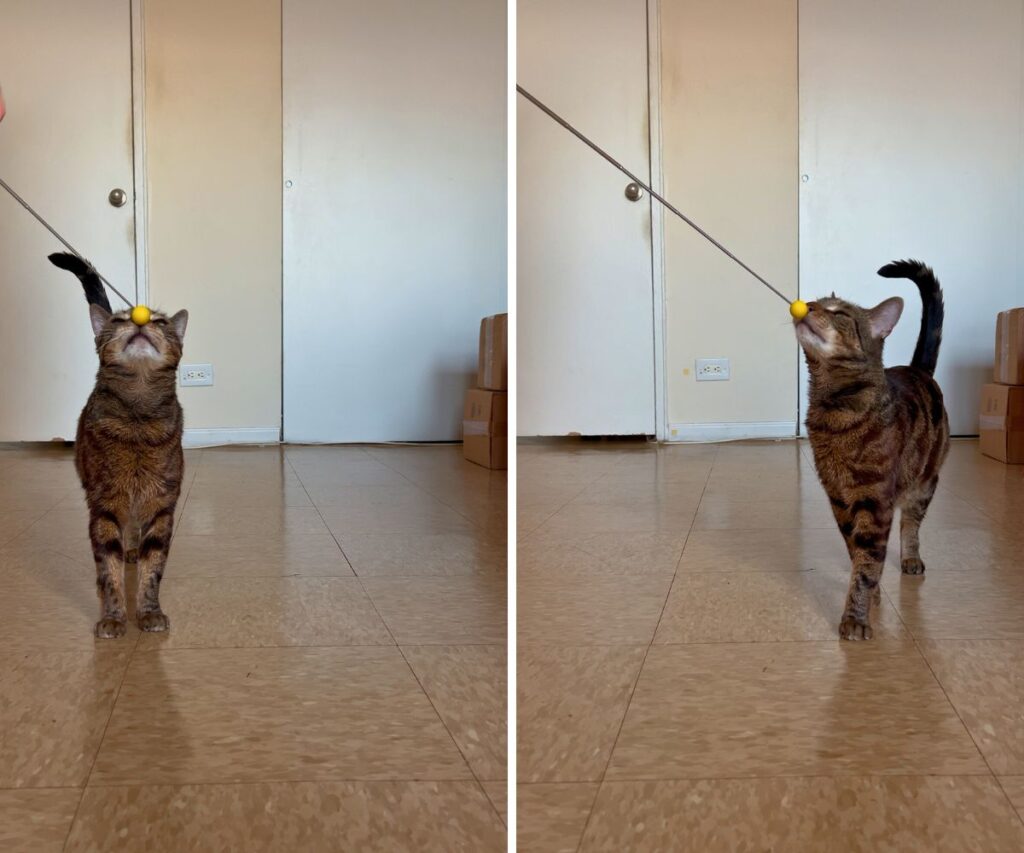
Credit: caticles.com
Benefits Of Clicker Training
Clicker training offers many benefits for both cats and their owners. It uses a clear sound to mark good behavior. This helps cats learn faster and with less stress. Training sessions become fun and rewarding for your cat. These benefits improve your daily life together.
Improved Communication
Clicker training helps cats understand what you want. The click sound acts as a clear signal. Cats quickly learn to associate the click with rewards. This reduces confusion and frustration during training. Your cat learns to respond to commands more reliably.
Enhanced Behavior
This training encourages positive actions and reduces bad habits. Cats learn tricks and commands that keep them safe. It can stop unwanted behaviors like scratching or biting. Training with a clicker makes behavior change gentle and kind. Your cat becomes more obedient and well-mannered.
Strengthened Bond
Training sessions build trust between you and your cat. Spending time together in training creates closeness. Cats enjoy the attention and rewards they receive. This shared activity deepens your relationship. Your cat feels happier and more connected to you.
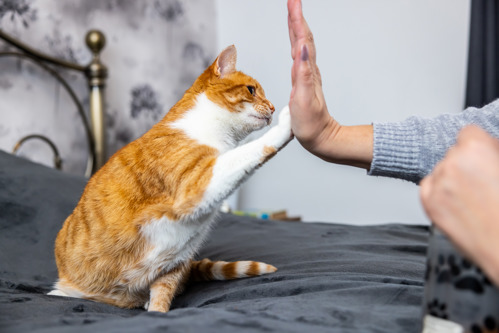
Credit: www.cats.org.uk
Choosing The Right Clicker
Choosing the right clicker is a key step in successfully training your cat. The right tool makes the learning process smoother for both of you. It should be easy to use, effective, and comfortable for your cat’s hearing.
Types Of Clickers
There are several types of clickers available, each with unique sounds and designs. Some clickers produce a sharp, loud click, while others offer a softer, quieter sound. Think about your cat’s personality—does she respond better to gentle sounds or sharper cues?
- Standard Clickers:Small handheld devices that make a clear clicking sound when pressed.
- Button Clickers:Larger, easier to press, ideal if you want to reduce finger fatigue during longer sessions.
- Electronic Clickers:Battery-powered and often adjustable in volume, great if you want consistent sound levels.
- Keychain Clickers:Convenient for portability but sometimes less comfortable to hold during training.
In my experience, a standard clicker with a mid-level click sound worked best for my shy cat. She responded well because the sound was clear but not startling.
Features To Consider
Comfort and ease of use should be your top priorities when choosing a clicker. If the clicker feels awkward or hard to press, you might lose momentum in training sessions. Does the clicker fit well in your hand? Can you click it quickly and reliably?
Sound quality matters too. Some cats get scared by loud or high-pitched clicks. Testing different sounds can help you find what your cat prefers. Also, consider the durability of the clicker—will it survive a few accidental drops?
| Feature | Why It Matters | Questions to Ask |
|---|---|---|
| Sound Volume & Pitch | Affects how your cat reacts to the click | Is the sound too loud or too soft? Does your cat seem comfortable with it? |
| Ergonomics | Ensures comfortable grip and easy pressing | Can you hold and click repeatedly without discomfort? |
| Durability | Important for long-term use | Is it sturdy enough to last through sessions and occasional drops? |
| Size and Portability | Convenient for training anywhere | Can you easily carry it around during outings or visits? |
Ask yourself which features matter most based on your training style and your cat’s reactions. Have you ever noticed your cat tuning out or getting startled by a tool? Choosing the right clicker can make your training sessions more enjoyable and productive.
Preparing Your Cat
Preparing your cat for clicker training sets a strong foundation for success. This phase helps your cat feel calm and ready to learn. It also builds trust between you and your feline friend. Understanding your cat’s mood and environment helps the training go smoothly.
Selecting The Training Environment
Choose a quiet, comfortable room without distractions. Turn off loud noises like TV or music. A small space helps your cat focus on you. Remove toys or other items that may divert attention. Soft lighting and a cozy spot make your cat feel safe. Clear spaces help your cat associate the sound of the clicker with positive moments.
Timing And Patience
Pick a time when your cat feels active but not too tired. Avoid training after meals or during nap times. Keep sessions short, around 5 to 10 minutes. Frequent, brief sessions work better than long ones. Be patient if your cat seems uninterested. Let your cat approach the training on its own terms. Praise small efforts and stay calm throughout. Patience helps build your cat’s confidence and trust.

Credit: www.outdoorbengal.com
Introducing The Clicker
Introducing a clicker to your cat might feel strange at first, but it’s a powerful tool for training. The clicker acts as a clear, consistent signal that tells your cat exactly when they’ve done something right. Before your cat can understand this, you need to create a strong link between the sound and a positive experience.
Associating Click With Reward
Start by clicking the device and immediately giving your cat a treat. The timing is key—your cat must connect the click sound directly with the reward. Repeat this several times in a calm environment so your cat doesn’t get distracted.
If your cat looks confused, slow down. Try clicking once, then pause for a second before offering the treat. This pause helps your cat notice the connection between the sound and the reward better.
- Use small, tasty treats your cat loves.
- Keep sessions short—around 5 minutes works best.
- Practice multiple times a day for quicker results.
Have you noticed how your cat’s ears perk up at certain sounds? This natural curiosity can be your secret weapon in training.
Building Positive Connections
Once your cat reliably associates the click with a treat, start using the clicker during training. Click the moment your cat performs the desired behavior, like sitting or touching a target. This clear feedback helps your cat understand exactly what earned the reward.
Training should be fun for both of you. If your cat seems bored or stressed, take a break and try again later. Positive connections build faster when your cat feels safe and interested.
Remember, your tone of voice and body language matter too. Speak softly and move calmly to keep your cat engaged. How might your own energy affect your cat’s willingness to learn?
Teaching Basic Commands
Teaching basic commands to your cat using a clicker builds a strong bond. It also helps your cat understand what you want. Keep training sessions short and fun. Use treats and the clicker sound to mark good behavior. Be patient, as cats learn at their own pace.
Sit
Start by holding a treat above your cat’s head. Move it slowly backward. Your cat will naturally sit to follow the treat. The moment your cat’s bottom touches the ground, click the clicker. Give the treat right after. Repeat this a few times. Say “sit” just before your cat sits. Your cat will learn to sit on command.
Come
Call your cat’s name in a happy voice. When your cat looks at you, click and treat. Next, take a few steps back and call your cat again. Click and reward when your cat comes to you. Practice this often in different rooms. Use the word “come” each time. Your cat will start coming when called.
Stay
Ask your cat to sit first. Show your palm facing the cat, like a stop sign. Say “stay” clearly and wait a second. Click and give a treat if your cat remains still. Gradually increase the waiting time. Always use the clicker to mark success. This teaches your cat self-control and patience.
Advanced Clicker Techniques
Advanced clicker techniques take your cat’s training to a new level. These methods help you teach more complex behaviors and solve everyday challenges. You’ll see how your cat can think and respond in ways you might not expect.
Shaping Complex Behaviors
Shaping is about rewarding small steps toward a bigger goal. Instead of waiting for your cat to do the full behavior, you click and reward every little progress. This breaks down tricky actions into easy parts.
For example, if you want your cat to jump through a hoop, start by clicking when they look at the hoop. Next, click when they move closer. Gradually, click only when they go through it. This builds the behavior step-by-step.
Have you noticed how patience changes your cat’s learning pace? Sometimes, slowing down and rewarding tiny improvements leads to faster success than pushing for the whole trick at once.
Using Clicker For Problem Solving
Clicker training can help your cat handle frustrating situations. If your cat scratches furniture, click when they use the scratching post instead. You’re teaching them a better choice, not just saying “no.”
You can also use the clicker to reduce fear. Click and treat when your cat calmly faces something scary, like a vacuum cleaner. This helps replace anxiety with curiosity.
Think about a problem you face with your cat. Could you reward the behavior you want rather than punishing the one you don’t? This positive focus often changes the whole dynamic.
Common Challenges
Training a cat with a clicker can be fun and rewarding. Yet, certain challenges often arise during sessions. Understanding these common hurdles helps keep training effective and enjoyable. Patience and consistency play a big role in overcoming issues. Recognizing difficulties early allows for better adjustments in the approach.
Dealing With Distractions
Cats are curious and easily distracted by sounds or movements. Training in a quiet, familiar space reduces interruptions. Keep sessions short to match your cat’s attention span. Remove toys or items that might divert focus. Use a calm voice to regain your cat’s attention if it wanders off. Consistent timing of clicks and rewards helps your cat associate actions with positive outcomes.
Managing Frustration
Both cats and trainers may feel frustrated when progress slows. Stay calm and avoid raising your voice. Take breaks if your cat seems tired or stressed. Celebrate small wins to encourage continued effort. Remember, each cat learns at its own pace. Using gentle encouragement builds trust and motivation. Patience prevents frustration from harming the training bond.
Maintaining Training Progress
Maintaining progress in clicker training keeps your cat sharp and eager to learn. Consistency helps your cat remember commands and behaviors. Without regular practice, your cat might forget what it learned. Keeping training fun and rewarding encourages your cat to participate willingly.
Regular Practice
Set aside short training sessions daily. Even five to ten minutes helps maintain skills. Practice in different places to keep your cat focused. Use the clicker and rewards every session. Avoid long sessions to prevent your cat from losing interest.
Reward Variations
Change rewards to keep your cat motivated. Use treats, toys, or affection as rewards. Surprise your cat with a new reward sometimes. This prevents boredom and strengthens positive behavior. Pay attention to what your cat likes most.
Frequently Asked Questions
What Is Clicker Training For Cats?
Clicker training uses a sound to mark desired cat behavior. It helps cats learn commands through positive reinforcement. This method is gentle and effective for teaching tricks and good habits.
How Do I Start Clicker Training My Cat?
Begin by associating the clicker sound with treats. Click, then immediately give a treat. Repeat until your cat links the click to a reward.
How Long Does Clicker Training Take For Cats?
Training time varies by cat’s personality and consistency. Most cats respond within a few weeks of daily short sessions. Patience and regular practice speed up progress.
Can Clicker Training Fix Bad Cat Behavior?
Yes, clicker training encourages good behavior by rewarding it. It’s more effective than punishment. It helps replace unwanted actions with positive ones.
Conclusion
Clicker training helps build trust with your cat. It makes learning fun and clear for them. Start small and keep training sessions short. Patience and consistency bring the best results. Cats enjoy rewards and positive attention. Training can improve behavior and strengthen your bond.
Keep practicing regularly to see progress. Every cat learns at their own pace. Enjoy the process and celebrate small wins. Clicker training creates a happy, well-trained cat.
