

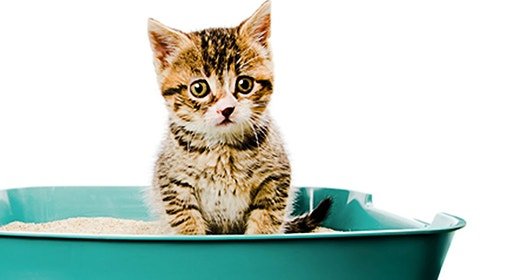
Getting your cat to use the litter box can feel like a challenge, but it doesn’t have to be. If you want a clean home and a happy pet, litter training is the key.
Imagine never having to worry about accidents or unpleasant smells again. In this guide, you’ll discover simple, effective steps to teach your cat exactly where to go. By the end, you’ll have the tools to make litter training easy and stress-free for both you and your furry friend.
Ready to transform your cat’s habits and enjoy a cleaner space? Let’s dive in!
Choosing The Right Litter Box
Choosing the right litter box is a key step in litter training a cat. The right box makes the cat feel safe and comfortable. This encourages good bathroom habits. Several factors affect the choice of a litter box. Size, type, style, and number all matter. This section covers important points to help select the best litter box for your cat.
Size And Type Options
The litter box must fit the cat’s size. Small boxes make big cats feel cramped. A box that is too big wastes space and litter. Choose a box with enough room for easy movement.
Types vary from simple trays to self-cleaning boxes. Some have low sides for kittens or older cats. Others have high sides to stop litter scatter. Think about your cat’s age and behavior. Choose a box type that matches their needs.
Open Vs Covered Boxes
Open boxes provide good airflow and easy access. Cats can see around and feel less trapped. Covered boxes offer privacy and reduce odor spread. Some cats prefer quiet and private spots.
Observe your cat’s preference. Some do not like covered boxes and avoid them. Others feel safe inside a covered box. Test both types to see what your cat chooses.
Number Of Boxes Needed
More than one box may be necessary. The general rule: one box per cat plus one extra. This prevents crowding and keeps boxes cleaner. Place boxes in different parts of the house.
Multiple boxes reduce stress and accidents. Cats can choose their favorite spot. This leads to better litter training success.
Picking The Perfect Litter
Picking the perfect litter can make a huge difference in how quickly your cat adapts to their litter box. The right choice not only keeps your home smelling fresh but also keeps your cat comfortable and happy. Let’s break down some key options to consider so you can find what works best for both you and your feline friend.
Clumping Vs Non-clumping
Clumping litter forms solid clumps when your cat urinates, making it easy to scoop out messes daily. This helps keep the box cleaner and reduces odors quickly. However, some cats might prefer non-clumping litter because it feels softer on their paws or creates less dust.
Non-clumping litter absorbs moisture but doesn’t form solid clumps, so you usually need to change the entire box more often. If your cat tends to dig a lot or you worry about dust allergies, this could be a better fit. Have you noticed your cat’s preference when they scratch or dig in the litter?
Scented Vs Unscented
Scented litter can mask unpleasant odors, which seems helpful for you. But cats have a much stronger sense of smell, and strong fragrances may deter them from using their box. Unscented litter often feels more natural and inviting to cats.
Try unscented litter first to see how your cat reacts. If odors become a problem, you can try subtle, natural scents instead of harsh artificial fragrances. What smells does your cat seem to avoid or prefer around the house?
Eco-friendly Choices
If you’re concerned about the environment, there are many eco-friendly litters made from materials like recycled paper, wood, corn, or wheat. These options break down faster in landfills and often contain fewer chemicals. Plus, some are biodegradable, making disposal easier.
Keep in mind that some eco-friendly litters might feel different to your cat or behave differently in the box. You might need to experiment with a few types to find one that suits your cat’s habits and your lifestyle. Would you consider eco-friendly litter if it meant reducing your household’s waste?
Setting Up The Litter Area
Setting up the litter area is one of the most important parts of litter training your cat. The right spot can make your cat comfortable and confident about using the litter box. It’s not just about picking any corner; it involves thoughtful choices to make the experience easy for both you and your cat.
Quiet And Accessible Spots
Cats prefer privacy when they do their business. Choose a quiet spot where your cat won’t be startled by loud noises or sudden activity. A calm corner in a seldom-used room often works well.
Accessibility is just as important. If your cat is older or has mobility issues, place the box where it’s easy to reach without obstacles. Have you noticed your cat avoiding the litter box? It might be too far or hard to get to.
Avoiding High-traffic Zones
High-traffic areas can make your cat feel exposed and anxious. Avoid placing the litter box near busy doorways, noisy appliances, or places where children often play. This reduces stress and helps your cat feel secure.
Think about your daily routine—where do you move the most? Keep the litter box away from these zones to prevent your cat from associating the litter area with disturbance or danger.
Easy Cleaning Setup
Cleaning the litter box regularly is crucial, so set it up where you can easily access it. Avoid tight spaces or areas cluttered with furniture that make scooping difficult. A spot near a water source can be handy for quick cleaning.
Consider using a litter mat to catch stray litter and place a small trash bin nearby for easy disposal. Does your current setup make cleaning a chore? Adjusting the location could save you time and encourage better hygiene for your cat.
Introducing Your Cat To The Litter Box
Introducing your cat to the litter box is the first crucial step in successful litter training. This phase sets the foundation for your cat’s comfort and willingness to use the box consistently. Your approach here can make a big difference in how quickly your cat adapts to this new habit.
First-time Introduction Tips
Choose a quiet, accessible spot for the litter box—somewhere your cat feels safe but not isolated. Avoid placing it near their food or water bowls, as cats prefer separation between these areas.
Show your cat the box gently by placing them inside it after meals or naps. This helps them associate the box with natural times to eliminate.
Keep the litter box clean from the start to encourage use. Cats dislike dirty boxes and may avoid them if they smell unpleasant.
Encouraging Exploration
Let your cat sniff and investigate the litter box at their own pace. You can sprinkle a bit of their waste in the box to spark curiosity and signal its purpose.
Try using different types of litter to find one your cat prefers—some cats like finer textures, while others prefer clumping litter. Watch your cat’s reactions to make the best choice.
Place multiple boxes in various locations if your home is large or multi-level. This reduces the chance of accidents and encourages consistent use.
Positive Reinforcement Techniques
Reward your cat immediately after they use the litter box with treats or gentle praise. This helps them link the behavior with positive outcomes.
Avoid punishment, as it can create fear and confusion, leading to avoidance of the litter box. Instead, focus on celebrating small successes.
Consistency is key—maintain a routine and be patient. Have you noticed how your cat responds best to certain rewards or encouragement? Tailoring your approach can speed up training.
Handling Common Challenges
Litter training a cat can come with unexpected hurdles. Handling these common challenges effectively will keep both you and your feline friend happy. Understanding the reasons behind the issues helps you respond with patience and smart solutions.
Dealing With Accidents
Accidents happen, even with well-trained cats. When you find a mess outside the litter box, clean it immediately with an enzyme cleaner to remove odors that invite repeat behavior.
Resist punishing your cat; they don’t connect punishment with the accident. Instead, observe if the box is clean, accessible, and the right size. Sometimes, health issues like urinary infections cause accidents, so a vet visit might be necessary.
Addressing Avoidance Behaviors
If your cat refuses to use the litter box, ask yourself what might be bothering them. Is the box too dirty, placed in a noisy spot, or is the litter type uncomfortable?
Try changing the litter to a softer texture or moving the box to a quiet, private location. Adding a second box can also help if your cat feels territorial or stressed.
Managing Multiple Cats
Multiple cats can create competition over litter boxes. The general rule is one box per cat, plus one extra. This reduces stress and prevents territorial disputes.
Place boxes in different parts of your home to give each cat its own safe space. Watch for any cat bullying or guarding behavior and step in early to keep peace.

Credit: www.purina.com
Maintaining Litter Box Hygiene
Keeping your cat’s litter box clean is key to a happy pet and a fresh home. A tidy litter box encourages your cat to use it consistently, preventing accidents. It also helps you spot any changes in your cat’s health early on.
Daily Cleaning Routines
Scooping waste out of the litter box every day is essential. It only takes a few minutes and keeps odors down. Use a scoop with slotted holes to separate clumps easily and make the job quicker.
After scooping, add a little fresh litter to replace what you removed. This keeps the box inviting and comfortable for your cat. You might be surprised how much your cat appreciates a clean, fresh space.
Deep Cleaning Schedules
Once a week, empty the entire litter box and wash it with warm water and mild soap. Avoid strong chemicals or bleach since they can irritate your cat’s sensitive nose. Let the box dry completely before adding fresh litter.
If you have multiple cats, consider cleaning the boxes more often to keep up with the extra use. Keeping a log of cleaning times can help you stay on track and notice any patterns in your cat’s behavior.
Odor Control Tips
Odors can be tricky, but you can manage them effectively. Try using unscented clumping litter, which traps smells without overwhelming fragrances that might bother your cat. Baking soda sprinkled under the litter can also help absorb odors.
Ventilation matters. Place the litter box in a well-ventilated area to keep air circulating and reduce smells. Have you noticed how a poorly ventilated room can trap odors, making the whole area unpleasant?
Maintaining a clean litter box is about more than hygiene; it’s about respect for your cat’s comfort and your home’s freshness. What cleaning habit will you try first to improve your cat’s litter experience?
Signs Of Litter Box Issues
Noticing signs of litter box issues early helps keep your cat healthy and happy. Cats usually use their litter box without problems. Changes in this habit often point to underlying issues. Observing your cat’s behavior and health can reveal if the litter box is a problem. Acting quickly avoids stress for both you and your cat.
Behavioral Changes
Sudden avoidance of the litter box is a clear sign. Your cat might urinate or defecate outside the box. Watch for scratching or digging outside the box too. Restlessness or excessive meowing near the box can occur. These changes often mean discomfort or confusion about the box. A dirty or hard-to-access litter box may cause this behavior.
Health Concerns
Health problems can cause litter box issues. Urinary tract infections make cats avoid the box due to pain. Constipation or diarrhea also leads to accidents outside the box. Lethargy or loss of appetite may accompany these signs. Regularly check your cat’s litter habits to catch health problems early. Note any blood in the urine or stool.
When To Consult A Vet
Consult a vet if litter box issues persist more than a few days. Immediate care is needed if your cat strains to urinate. Frequent accidents or changes in litter box use require professional advice. Vets can diagnose infections, blockages, or other health problems. Early treatment improves recovery and prevents serious issues.
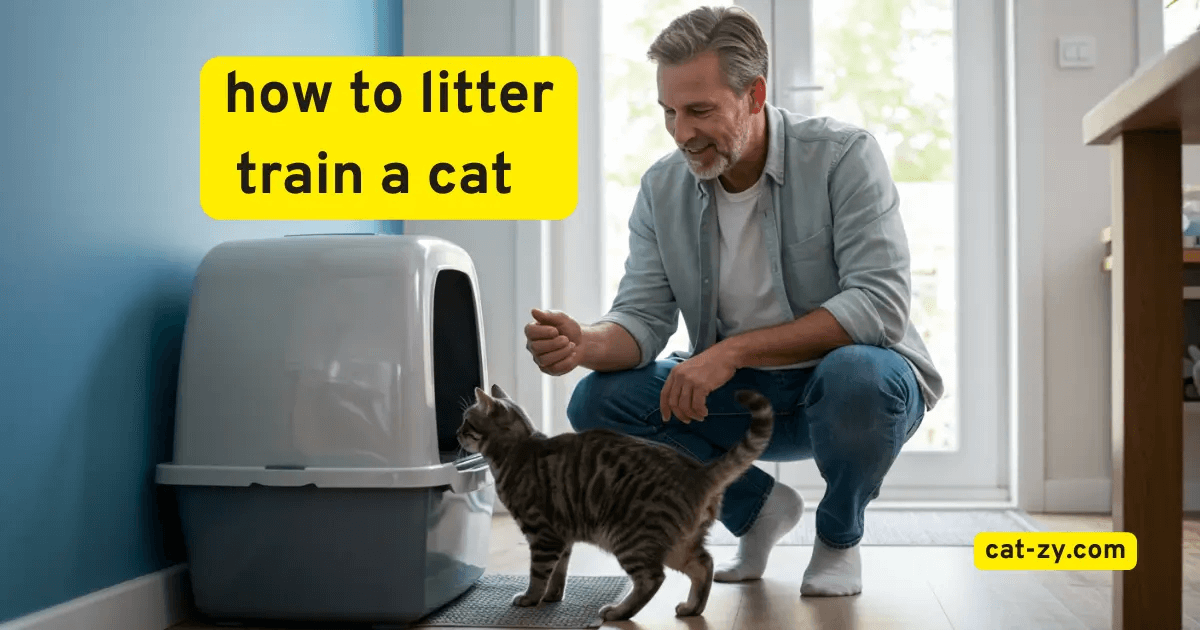
Credit: medium.com
Tips For Long-term Success
Maintaining your cat’s litter training over time takes more than just initial success. It requires attention, patience, and the right habits to keep your cat comfortable and consistent. Below are key tips to help you achieve long-lasting results that make both you and your feline friend happy.
Consistent Routine
Keeping a steady routine helps your cat know what to expect and when. Clean the litter box daily and place it in the same quiet, accessible spot. Cats dislike surprises, so avoid sudden changes that might confuse or stress them.
Try to feed your cat at the same times each day too. Regular meal times often lead to regular bathroom habits, making it easier for your cat to use the litter box consistently. Have you noticed how your cat’s behavior changes when their daily rhythm is disturbed?
Adapting To Changes
Life isn’t always predictable, and your cat’s environment might change. Moving to a new home, introducing a new pet, or even switching litter brands can affect your cat’s habits. Watch for signs of discomfort or accidents and be ready to adjust.
If your cat starts avoiding the litter box, try returning to what worked before. Sometimes, placing an extra box in a different location helps. Remember, patience here is key—your cat needs time to feel secure again.
Rewarding Good Habits
Positive reinforcement encourages your cat to keep using the litter box properly. Offer treats or gentle praise right after your cat uses the box. This simple reward builds a strong association between the behavior and something pleasant.
Try using a clicker or soft voice to mark the moment your cat does well. This approach helped my cat stay on track even during stressful times like vet visits or house guests. What small rewards could you use to motivate your cat today?

Credit: www.reddit.com
Frequently Asked Questions
How Long Does Litter Training A Cat Usually Take?
Litter training a cat typically takes one to two weeks. Consistency and patience speed up the process. Some cats learn faster, especially kittens.
What Type Of Litter Is Best For Training Cats?
Clumping, unscented, and fine-grained litter is ideal. It mimics natural sand, making cats comfortable. Avoid strong scents that may deter your cat.
How Often Should You Clean The Cat’s Litter Box?
Clean the litter box daily to maintain hygiene. Remove waste and clumps to encourage regular use. A clean box reduces odors and accidents.
Can Older Cats Learn To Use A Litter Box?
Yes, older cats can be litter trained. Use patience and positive reinforcement. Address any health issues that might affect their habits.
Conclusion
Litter training a cat takes patience and care. Cats learn best with a clean, quiet litter box. Praise your cat when it uses the box right. Watch for signs if your cat avoids the box. Keep the litter box in a safe place.
Small steps lead to good habits over time. You will enjoy a cleaner home and a happy cat. Trust the process, and stay consistent every day. Success is possible with simple, steady efforts.
