


Have you ever wished your cat could be as loyal, brave, and playful as a dragon? Training your dragon cat might sound like a fantasy, but with the right approach, you can unlock your cat’s hidden potential and build a stronger bond than ever before.
Imagine your furry friend responding to your commands, showing off impressive tricks, and becoming the star of your home. In this guide, you’ll discover simple, effective steps to train your dragon cat, making your time together more fun and rewarding.
Ready to see your cat’s true power? Let’s dive in!
Choosing The Right Dragon Cat
Choosing the right Dragon Cat is key to a fun and smooth training journey. The right companion makes learning easier and playtime more enjoyable. Consider personality and age to find the best fit for your home and lifestyle.
Traits To Look For
- Friendly and curious nature helps build trust quickly.
- Active and alert behavior means they enjoy play and training.
- Calm and patient cats adapt better to new commands.
- Good social skills make interactions with family easier.
- Signs of intelligence, like problem-solving, show readiness to learn.
Age And Temperament Considerations
Kittens are playful and learn fast but need gentle guidance.
Adult cats might be calmer and already have habits set.
Older cats can still learn but may require more patience.
Temperament affects training speed. Calm cats respond well to routines.
Shy cats need slow, steady exposure to new experiences.
Creating A Safe Training Space
Creating a safe training space for your Dragon Cat is essential for effective learning and building trust. A well-prepared area helps your cat focus and feel secure during training sessions. It also reduces stress and prevents accidents, making the experience enjoyable for both of you.
Essential Equipment
Start by gathering the right tools to support your training. You’ll want a comfortable mat or soft surface where your Dragon Cat can sit or lie down without slipping. Toys, treats, and a clicker can be powerful motivators that keep your cat engaged.
Keep items within easy reach but out of your cat’s immediate grasp to avoid distractions. Consider having a leash or harness handy if your training includes outdoor or controlled movement exercises. These simple tools create structure and help guide your cat through new commands.
Minimizing Distractions
Choose a quiet room where noise and other pets won’t interrupt your sessions. Turn off any TVs, radios, or phones to keep the environment calm. Your Dragon Cat needs to focus solely on you, so reducing visual and auditory stimuli is crucial.
Have you noticed how your cat reacts to sudden sounds or movements? Observing this can help you decide the best time and place for training. A distraction-free zone not only speeds up learning but also strengthens the bond you share with your Dragon Cat.
Basic Commands To Start With
Training your dragon cat starts with basic commands. These commands build good habits. They create a strong bond between you and your pet. Start with simple actions that your cat can easily learn.
Consistency and patience matter most. Keep training sessions short and fun. Use treats or praise to encourage your dragon cat.
Sit And Stay
Teaching your dragon cat to sit and stay is a great first step. It helps your pet learn control and focus. Begin by holding a treat above their head. Move the treat slowly back over their head. Your cat will naturally sit as they follow the treat.
- Say “sit” clearly when your cat sits down.
- Give a treat immediately to reward the action.
- Practice this several times a day in short sessions.
- Once your cat sits on command, add “stay.”
- Hold your hand out like a stop sign and say “stay.”
- Take a step back slowly, then return and reward.
- Increase the distance and time gradually.
This teaches patience and listening skills. It also keeps your dragon cat calm in different situations.
Recall Techniques
Recall means calling your dragon cat to come to you. This command is vital for safety and control. Start indoors in a quiet place with few distractions. Use a happy tone and say your cat’s name followed by “come.”
- Show a treat or toy to grab attention.
- Step back a short distance while calling the command.
- When your cat comes, reward immediately with praise or treats.
- Practice often, increasing the distance slowly.
- Try recall outside only once indoor training is solid.
Never punish your cat for coming late or not at all. Make recall positive and rewarding. This builds trust and makes your cat want to return quickly.
Using Positive Reinforcement
Using positive reinforcement is a gentle and effective way to train your dragon cat. It focuses on rewarding good behavior instead of punishing mistakes. This encourages your dragon cat to repeat actions that earn rewards. Training sessions become more fun and build trust between you and your pet.
Positive reinforcement helps your dragon cat learn faster. It creates clear signals about what you want them to do. This method strengthens your bond and makes training less stressful for both of you.
Types Of Rewards
- Treats:Small, tasty snacks work well as rewards. Choose healthy options your dragon cat enjoys.
- Praise:Use a happy voice to say “good job” or “well done.” Your tone matters a lot.
- Petting:Gentle strokes or scratches show affection and reward good behavior.
- Toys:Play with a favorite toy as a reward. It adds fun to training time.
Timing And Consistency
Timing is key in positive reinforcement. Give the reward immediately after the desired action. This helps your dragon cat connect the reward with the behavior.
Consistency makes training effective. Use the same commands and rewards every time. It avoids confusion and helps your dragon cat understand what you expect.
Train in short sessions daily. This keeps your dragon cat focused and eager to learn. Patience and regular practice lead to great results.
Socializing Your Dragon Cat
Socializing your Dragon Cat is key to a happy and confident pet. This process helps your cat feel safe around others and new places. A well-socialized Dragon Cat enjoys life more and behaves better. Start early and be patient. Each Dragon Cat has its own pace. Respect their limits and celebrate small wins.
Introducing To Other Pets
Introduce your Dragon Cat to other pets slowly. Begin with short, calm meetings. Keep both animals on leashes or in carriers at first. Watch their body language carefully. Signs like hissing or growling mean to pause. Reward calm behavior with treats and praise. Gradually increase the time they spend together. Make sure your cat has a safe spot to retreat to. This builds trust and reduces stress.
Handling New Environments
Help your Dragon Cat adjust to new places step by step. Start with quiet, small areas. Let your cat explore at its own speed. Carry familiar toys or blankets for comfort. Speak softly and move gently around your cat. Avoid loud noises and sudden movements. Bring your cat’s favorite treats along. Gradually increase the time spent in new settings. This helps your Dragon Cat feel secure and curious.

Credit: dreamworks.fandom.com
Addressing Common Behavior Issues
Training your dragon cat involves more than fun tricks. Some behavior problems can make life harder for both you and your pet. Understanding these issues and knowing how to handle them helps create a calm, happy home. This section covers common challenges and practical ways to address them.
Aggression Management
Aggression in dragon cats can show as biting, scratching, or growling. It often comes from fear, pain, or frustration. Watch for signs like stiff body posture or dilated pupils. Prevent aggression by:
- Giving your cat enough playtime to burn off energy.
- Using gentle, calm tones when you speak.
- Avoiding rough handling or sudden movements.
- Providing safe spaces where your cat can relax.
Use toys to redirect aggressive behavior away from your hands. Reward calm actions with treats or praise. Consistency helps your cat learn which behaviors are okay.
Reducing Fear And Anxiety
Fear makes dragon cats hide or act nervously. Loud noises, new places, or strange people can cause stress. Help your cat feel safe by:
- Creating a quiet, comfortable resting area.
- Introducing new things slowly and gently.
- Using soft voices and slow movements around your cat.
- Playing soothing music or using pheromone diffusers.
Patience is key. Let your cat explore at its own pace. Small rewards build trust and reduce anxiety over time.
Advanced Training Techniques
Advanced training techniques push your Dragon Cat beyond basic commands and help build a stronger bond between you. These methods challenge your pet’s mind and body, keeping training sessions exciting and rewarding. You’ll notice your Dragon Cat becoming more agile, attentive, and eager to learn new tricks.
Agility And Tricks
Training your Dragon Cat in agility sharpens its reflexes and coordination. Start with simple obstacles like low jumps or tunnels and gradually increase difficulty as your cat gains confidence.
Use treats or toys as motivation, but keep sessions short to maintain your cat’s interest. Teaching tricks such as spinning, high-fiving, or weaving through poles can stimulate your Dragon Cat’s mind and make training fun for both of you.
Have you ever seen a cat jump through a hoop on command? It’s not just entertaining but also builds trust and communication. What new trick will you teach next?
Using Clicker Training
Clicker training uses a distinct sound to mark the exact moment your Dragon Cat does something right. This clear communication helps your cat understand which behavior earns rewards.
Start by associating the click sound with a treat, then use the click to reinforce desired actions. For example, when your cat sits or comes to you, click immediately and offer a reward.
This method speeds up learning and reduces confusion. It also makes training sessions feel like a game, encouraging your Dragon Cat to participate eagerly. Have you tried using sound cues in your training routine yet?
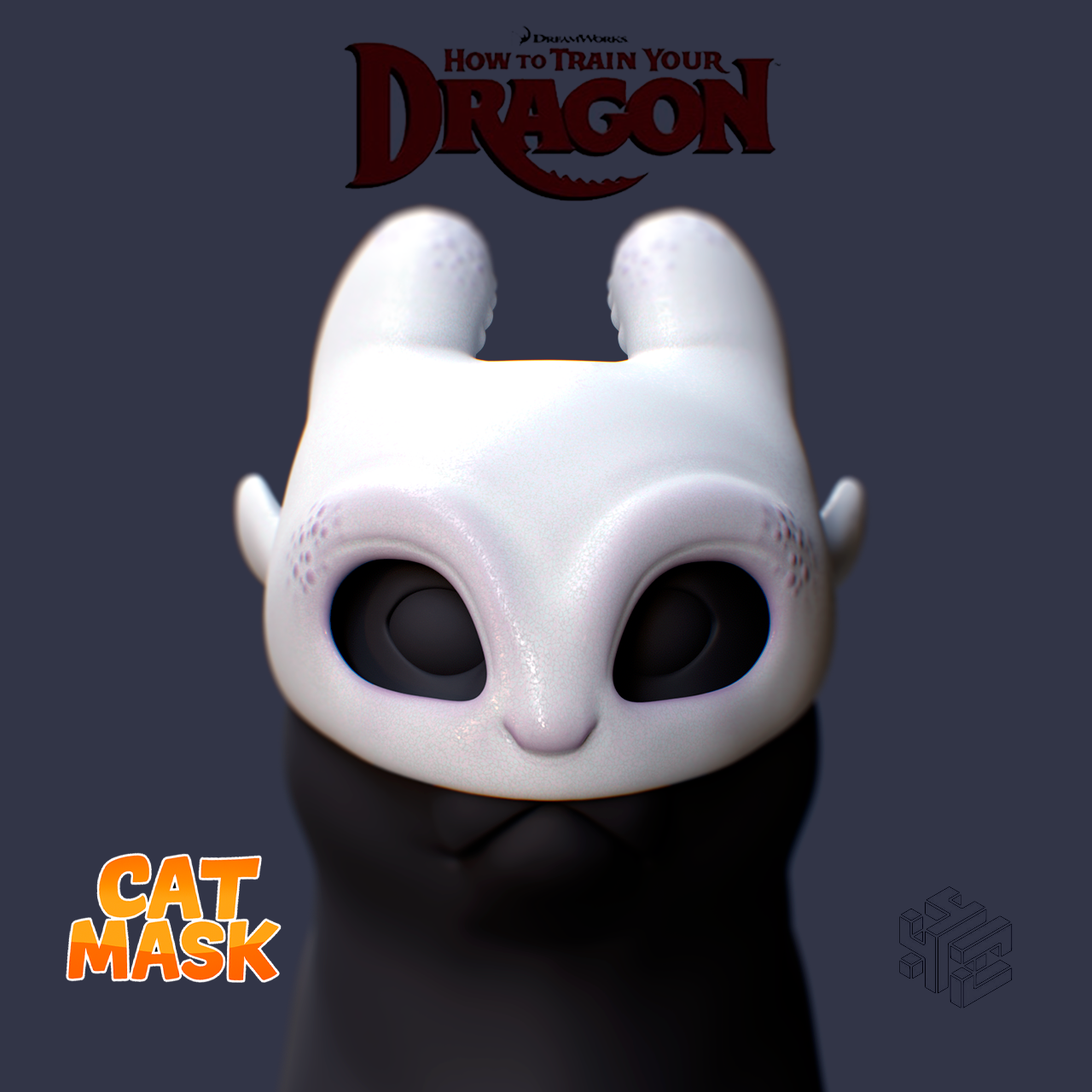
Credit: cults3d.com
Maintaining Long-term Training Success
Maintaining long-term success in training your Dragon Cat requires patience and consistency. Training is not a one-time event but an ongoing process. Regular efforts help reinforce good behavior and deepen the bond between you and your dragon cat. Staying committed ensures your pet remains well-behaved and happy over time.
Regular Practice Schedules
Set specific times each day for training sessions. Short, frequent sessions work best. This keeps your dragon cat engaged and prevents boredom. Consistent timing helps your pet anticipate training and stay focused. Use the same commands and rewards during each session. This consistency builds strong habits. Keep sessions fun and positive to encourage participation.
Adapting To Your Dragon Cat’s Growth
Your dragon cat changes as it grows. Training needs to evolve too. Adjust the difficulty and length of sessions to fit your pet’s age and energy. Introduce new commands or tricks to keep things interesting. Watch for signs of stress or fatigue and give breaks when needed. Tailor your approach to your dragon cat’s personality and learning pace. This flexibility helps maintain enthusiasm and progress.

Credit: cults3d.com
Frequently Asked Questions
How Do I Start Training My Dragon Cat?
Begin by building trust with your dragon cat through gentle interaction. Use treats and positive reinforcement to encourage good behavior. Start with simple commands and gradually increase difficulty. Consistency and patience are key to effective training.
What Are The Best Rewards For Dragon Cat Training?
Use small, tasty treats your dragon cat loves as rewards. Praise and petting also motivate them. Rewards should be immediate to reinforce positive behavior. Avoid overfeeding to maintain their health during training.
How Long Does Dragon Cat Training Usually Take?
Training duration varies by cat personality and consistency. Basic commands may take a few weeks with daily practice. Advanced tricks require longer training periods. Patience and regular sessions ensure steady progress.
Can Dragon Cats Learn Tricks Like Dogs?
Yes, dragon cats can learn tricks using positive reinforcement. They respond well to treats and praise. Simple tricks like sit, stay, and fetch are achievable. Training strengthens your bond and stimulates their mind.
Conclusion
Training your Dragon Cat takes time and patience. Small steps help build trust and good habits. Keep sessions short and fun to keep your cat interested. Reward your cat with treats or praise for good behavior. Watch your cat’s body language to understand its feelings.
Practice daily to see steady progress. Enjoy the bond growing between you and your Dragon Cat. Training creates a happy and well-behaved pet. Simple methods make learning easier for both of you. Stay calm, consistent, and kind throughout the process.
