


Training your cat to use a litter box might seem tricky, but it’s easier than you think. Imagine never having to clean up messes outside the box again!
You want a clean home and a happy cat, and with the right steps, you can make that happen quickly. Keep reading to discover simple, effective tips that will help your furry friend learn this important habit. By the end, you’ll feel confident and ready to tackle litter box training like a pro.
Choosing The Right Litter Box
Choosing the right litter box is key to training your cat. A good litter box makes the cat feel safe and comfortable. It encourages them to use it regularly. The box should fit your cat’s size and habits. The right spot and enough boxes also help a lot.
Size And Type
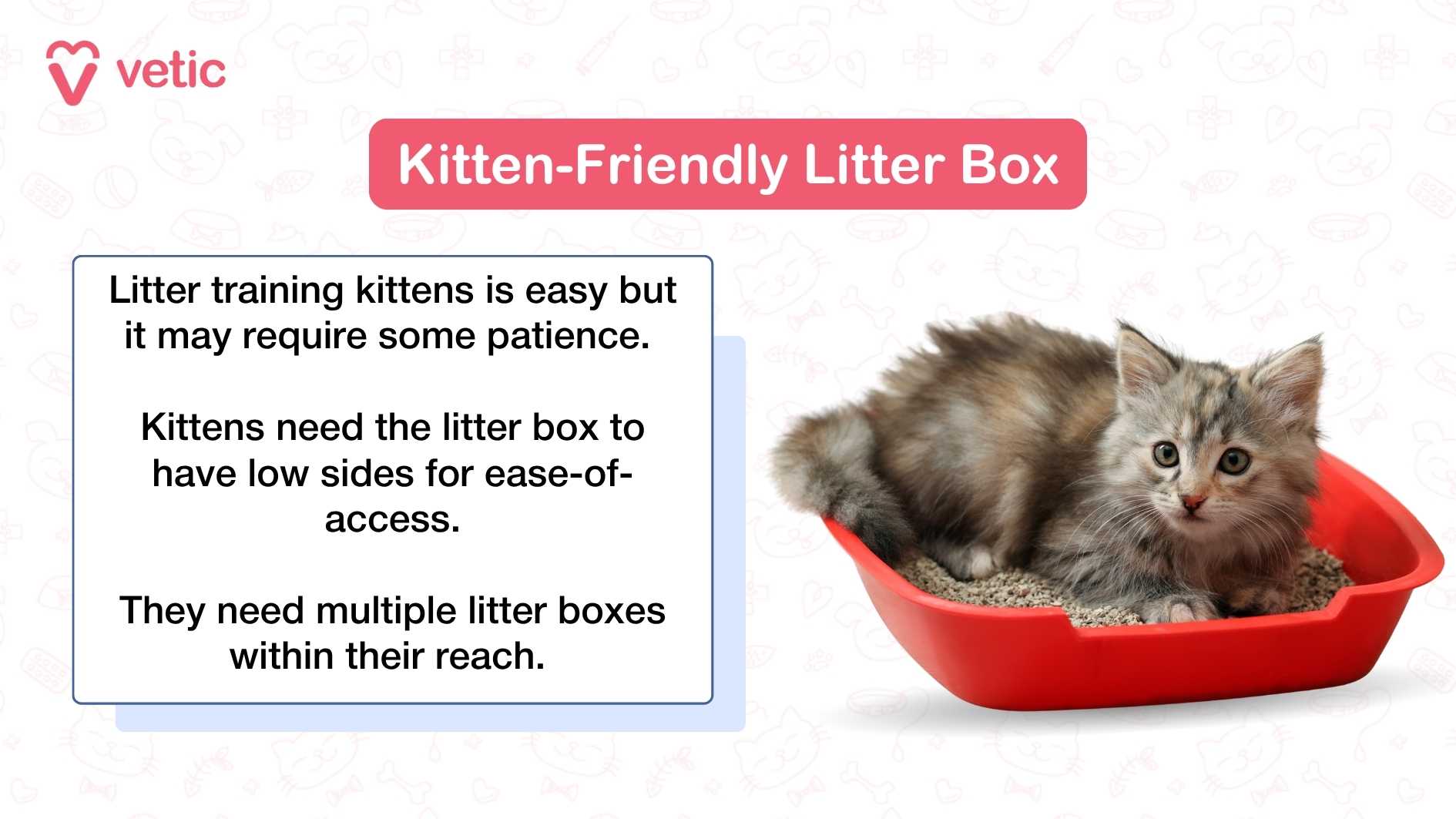
Pick a litter box big enough for your cat to turn around easily. Small boxes can make cats avoid using them. Some cats prefer covered boxes for privacy. Others like open boxes to feel less trapped. Consider your cat’s age and health too. Older cats might need boxes with lower sides for easy access.
Location Matters
Place the litter box in a quiet, low-traffic area. Cats need privacy and calm to feel safe. Avoid noisy or busy places like near washing machines. Keep the box away from their food and water bowls. Good ventilation helps reduce odors. Make sure the spot is easy for your cat to reach at all times.
Number Of Boxes
Provide enough boxes if you have more than one cat. A good rule is one box per cat plus one extra. This reduces competition and stress. It also lowers chances of accidents outside the box. Spread the boxes in different locations around your home. This gives cats options and keeps them happy.
Selecting The Best Litter
Choosing the right litter is key to training your cat to use the litter box. Cats are picky about their bathroom habits. The litter must be comfortable and meet their needs. The wrong type can cause accidents or avoidance. Understanding different litter options helps you pick what suits your cat best.
Types Of Litter
There are several kinds of cat litter available:
- Clumping clay:Forms solid clumps for easy cleaning.
- Non-clumping clay:Absorbs moisture but doesn’t clump.
- Silica gel:Absorbs odors and moisture well.
- Natural/biodegradable:Made from materials like corn, wheat, or wood.
Each type has pros and cons. Clumping clay is popular for its ease of cleaning. Natural litters are eco-friendly but may need more frequent changes.
Scented Vs Unscented
Scented litter masks odors but may irritate some cats. Unscented litter is neutral and less likely to bother sensitive noses. Cats often prefer unscented litter as it feels more natural. For kittens or cats new to litter boxes, unscented options reduce the chance of rejection.
Texture Preferences
Cats have strong preferences for litter texture. Soft, fine-grained litter feels gentle on their paws. Rough or large granules might discourage use. Observe your cat’s reactions to different textures. Choose a litter that your cat digs and covers waste in comfortably.
Introducing The Cat To The Box
Introducing your cat to the litter box sets the foundation for good bathroom habits. It helps your cat feel safe and comfortable with the new setup. This phase requires patience and gentle guidance. A calm approach encourages your cat to use the box without fear or confusion.
Initial Placement
Place the litter box in a quiet, low-traffic area. Avoid noisy spots or places with heavy foot traffic. Cats prefer privacy during bathroom time. Make sure the box is easy to find and access. Keep it away from the cat’s food and water bowls to respect their natural habits.
Encouraging Exploration
Let your cat explore the litter box on its own. Gently place them inside the box a few times a day. Use a calm voice to reassure your cat. Some cats like to dig and sniff the litter. Allow your cat to get used to the texture and smell. Praise your cat softly to create positive feelings.
Handling Accidents
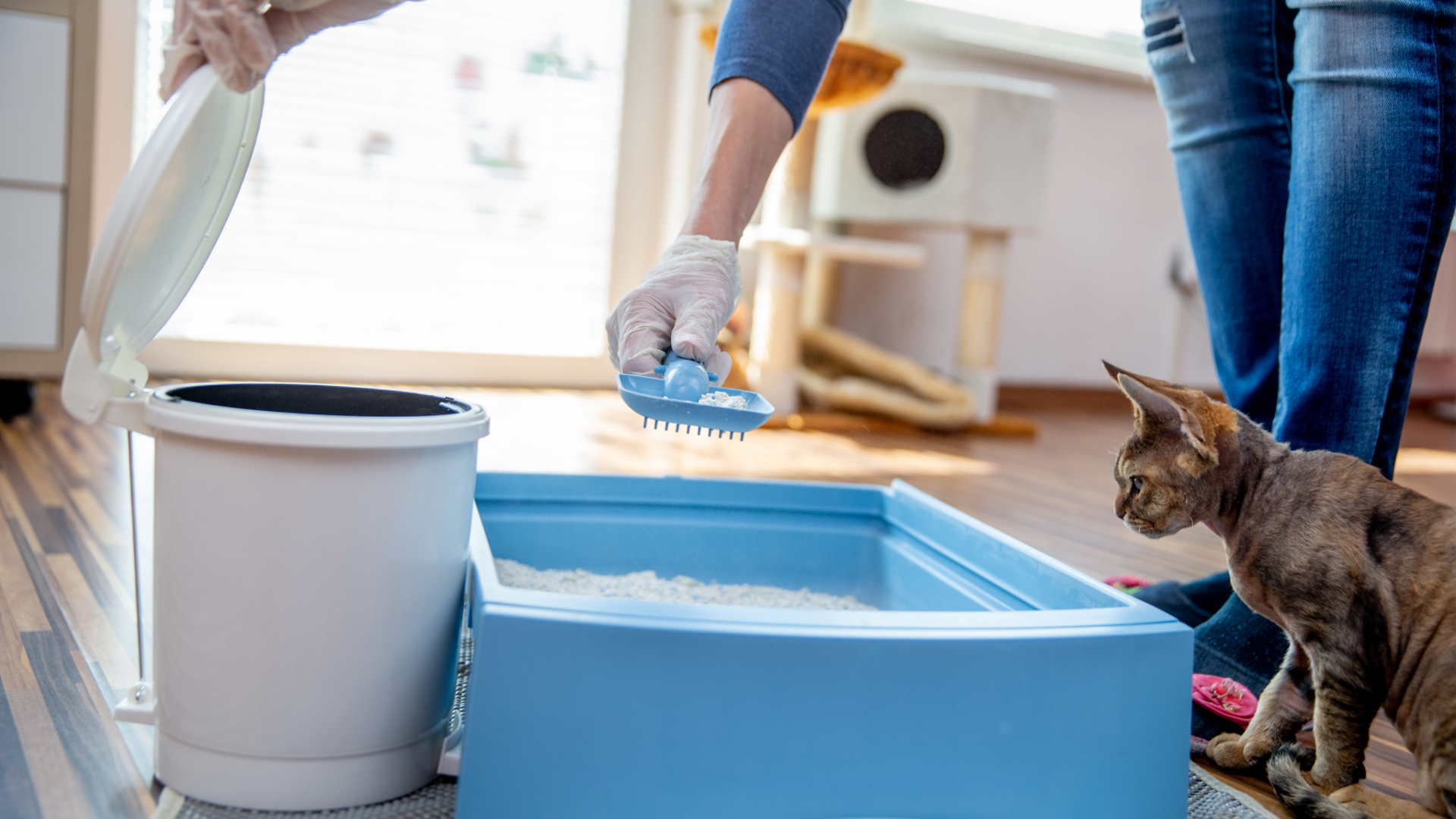
Accidents are normal during training. Avoid punishment as it causes fear and stress. Clean accidents thoroughly to remove odors. Use enzyme-based cleaners to stop re-soiling. Redirect your cat gently back to the litter box. Keep the box clean to encourage use. Patience and consistency are key to success.
Credit: www.petsradar.com
Establishing A Routine
Establishing a routine helps cats learn where and when to use the litter box. Cats feel safe with regular patterns. Consistent schedules reduce accidents and confusion. Start by setting times for feeding and bathroom visits. Reward good behavior to encourage use. Keep the litter box clean to invite your cat to use it.
Feeding And Bathroom Schedule
Feed your cat at the same times every day. Cats usually need to use the bathroom after eating. Watch your cat closely after meals. Gently place them in the litter box during these times. This helps them link eating with bathroom use. Stick to this routine to build good habits.
Positive Reinforcement
Give your cat praise when it uses the litter box. Use soft words and gentle petting. Treats also work well as rewards. Avoid punishment for accidents. Positive feelings encourage your cat to repeat the behavior. Celebrate small successes to build confidence.
Cleaning And Maintenance
Clean the litter box daily. Remove clumps and waste to keep it fresh. Wash the box with mild soap weekly. Avoid strong smells that can scare cats away. Place the box in a quiet, private spot. A clean, calm area invites your cat to use the litter box.
Troubleshooting Common Issues
Training a cat to use the litter box can face a few bumps along the way. These problems often cause frustration for pet owners. Knowing how to troubleshoot common issues helps keep your cat happy and your home clean. Understanding the reasons behind these behaviors is key to solving them quickly.
Avoiding Avoidance
Sometimes cats avoid the litter box. They may dislike its location or the type of litter. Clean the box daily to keep it inviting. Place it in a quiet, private area. Try different litter types to find one your cat prefers. Avoid strong scents that can deter them. Observe your cat’s habits and adjust the setup accordingly.
Dealing With Marking
Marking is different from normal litter use. Cats spray to mark territory, especially if stressed or new animals are around. Neutering or spaying often reduces this behavior. Clean marked areas with an enzyme cleaner to remove odors. Provide enough litter boxes if multiple cats live in your home. Create a calm environment to reduce stress.
Health Checkups
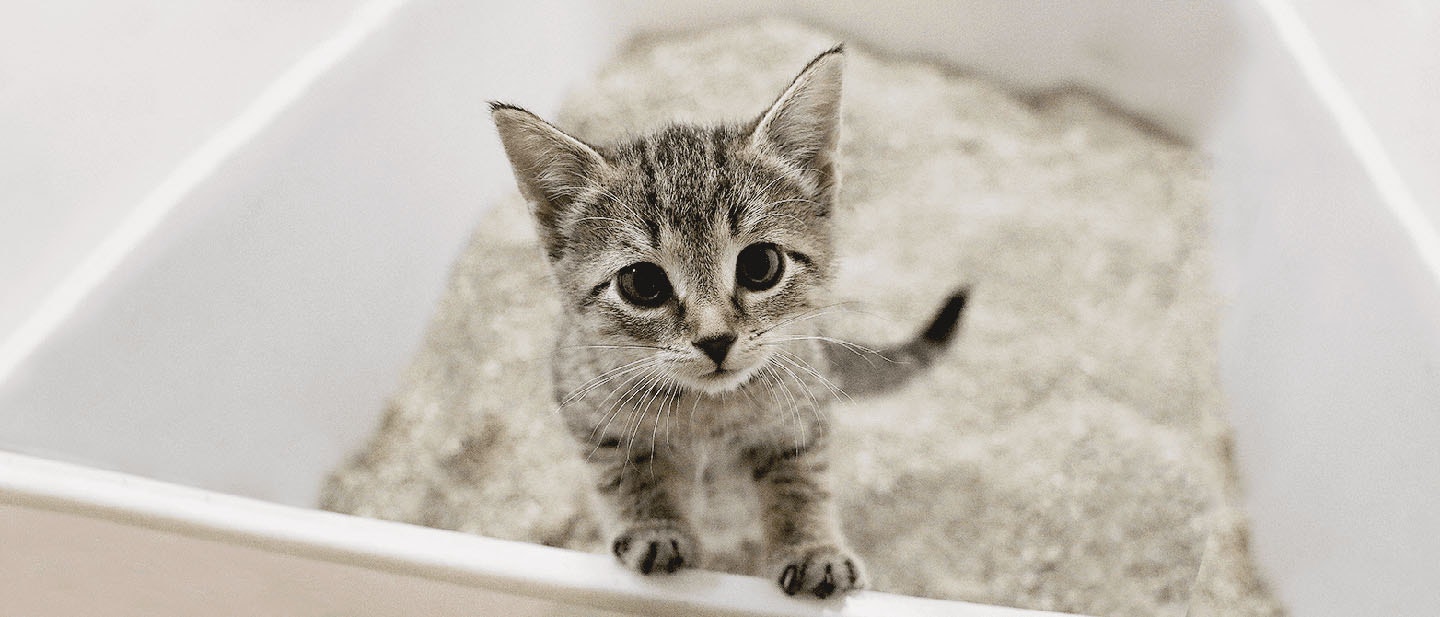
Sometimes litter box issues signal health problems. Urinary tract infections or bladder stones cause discomfort. Cats may avoid the box or urinate outside it. Watch for signs like frequent trips or straining. Take your cat to the vet for a checkup. Early treatment prevents more serious issues and helps maintain good habits.
Credit: www.whiskas.com.ph
Advanced Tips For Success
Training your cat to use the litter box can sometimes require more than just placing the box in the right spot. Advanced tips help you tackle tricky situations and improve success, especially if your cat has special needs or unique habits. These strategies can make the process smoother and less stressful for both you and your feline friend.
Using Training Aids
Training aids like pheromone sprays, attractant litter, and special liners can encourage your cat to use the litter box. Pheromone sprays create a calming environment that reduces stress, which often causes litter box avoidance.
Attractant litter contains scents that draw your cat’s attention to the box. You can also try using litter box liners to keep the area clean and fresh, which cats appreciate.
Have you noticed your cat prefers a certain texture or scent? Experiment with different training aids to find what fits your cat best.
Transitioning Older Cats
Older cats may resist litter box training because of habits or health issues like arthritis. Make sure the box has low sides for easy access and place it in a quiet, low-traffic area.
Introduce the box gradually by placing it near your cat’s favorite resting spots. Use gentle encouragement and reward any positive behavior with treats or affection.
Does your older cat avoid the box suddenly? Check with your vet to rule out medical problems before changing training tactics.
Handling Multiple Cats
When you have more than one cat, each may have different preferences for litter box location, type, and cleanliness. Provide one box per cat plus one extra to avoid territorial disputes.
Place boxes in separate areas to reduce stress and competition. Keep all boxes clean and scoop them daily to maintain hygiene and encourage use.
Notice if one cat is bullying others away from the box? You might need to create private spaces or supervise litter box time until all cats feel comfortable.
Credit: vetic.in
Frequently Asked Questions
How Long Does Litter Box Training Take For Cats?
Litter box training typically takes one to two weeks. Consistency and patience speed up the process. Young kittens learn faster than adult cats. Providing a clean, accessible litter box encourages quick training.
What Type Of Litter Box Is Best For Training?
A shallow, easy-to-enter litter box is ideal for training. Avoid covered boxes initially to prevent fear. Use unscented, clumping litter for easy cleaning. Size should match your cat’s age and size for comfort.
How Often Should I Clean The Litter Box During Training?
Clean the litter box daily to promote use and hygiene. Scoop out waste every day to keep it fresh. Replace the litter fully once a week. A clean box encourages cats to use it consistently.
What If My Cat Refuses To Use The Litter Box?
If refusal occurs, check box cleanliness and location. Ensure the box is in a quiet, accessible area. Try a different litter type if needed. Consult a vet to rule out health issues like infections.
Conclusion
Training your cat to use the litter box takes patience. Start with a clean, quiet space. Choose a litter box that’s easy to access. Praise your cat after each successful use. Avoid loud noises near the box. Consistency helps form good habits.
Make sure the litter is comfortable for your cat. Notice if your cat prefers a certain type. Clean the box regularly to encourage use. Remember, every cat is different. Be patient and understanding. Celebrate small successes along the way. With time, your cat will learn.
Happy training!
