


If you have a new cat or kitten, you might be wondering how to get them to use the litter box without any mess. You want your home to stay clean, and your furry friend to feel comfortable and happy.
Litter box training can seem tricky at first, but with the right tips and tricks, you can make it easy for both you and your cat. You’ll discover simple steps to help your cat learn fast and keep your space fresh.
Keep reading to find out how to turn litter box training into a stress-free experience for you and your pet.

Credit: www.purina.com
Choosing The Right Litter Box
Choosing the right litter box is a crucial step in successful litter training for your cat. It directly affects your cat’s comfort and hygiene habits. Selecting a litter box that fits your cat’s needs can prevent accidents and keep your home fresh.
Types Of Litter Boxes
There are several types of litter boxes available, each with unique features. Open litter boxes are simple and allow easy access, but they may spread more odor. Covered boxes help contain smells and litter scatter but some cats dislike the confined space.
Self-cleaning litter boxes save you time by automatically scooping waste, but they can be noisy and expensive. Consider your cat’s personality—does your cat prefer privacy or open space? Your choice impacts how quickly your cat adapts.
Size And Accessibility
Size matters more than many realize. A litter box should be large enough for your cat to turn around comfortably. Small boxes can frustrate cats, leading to accidents outside the box.
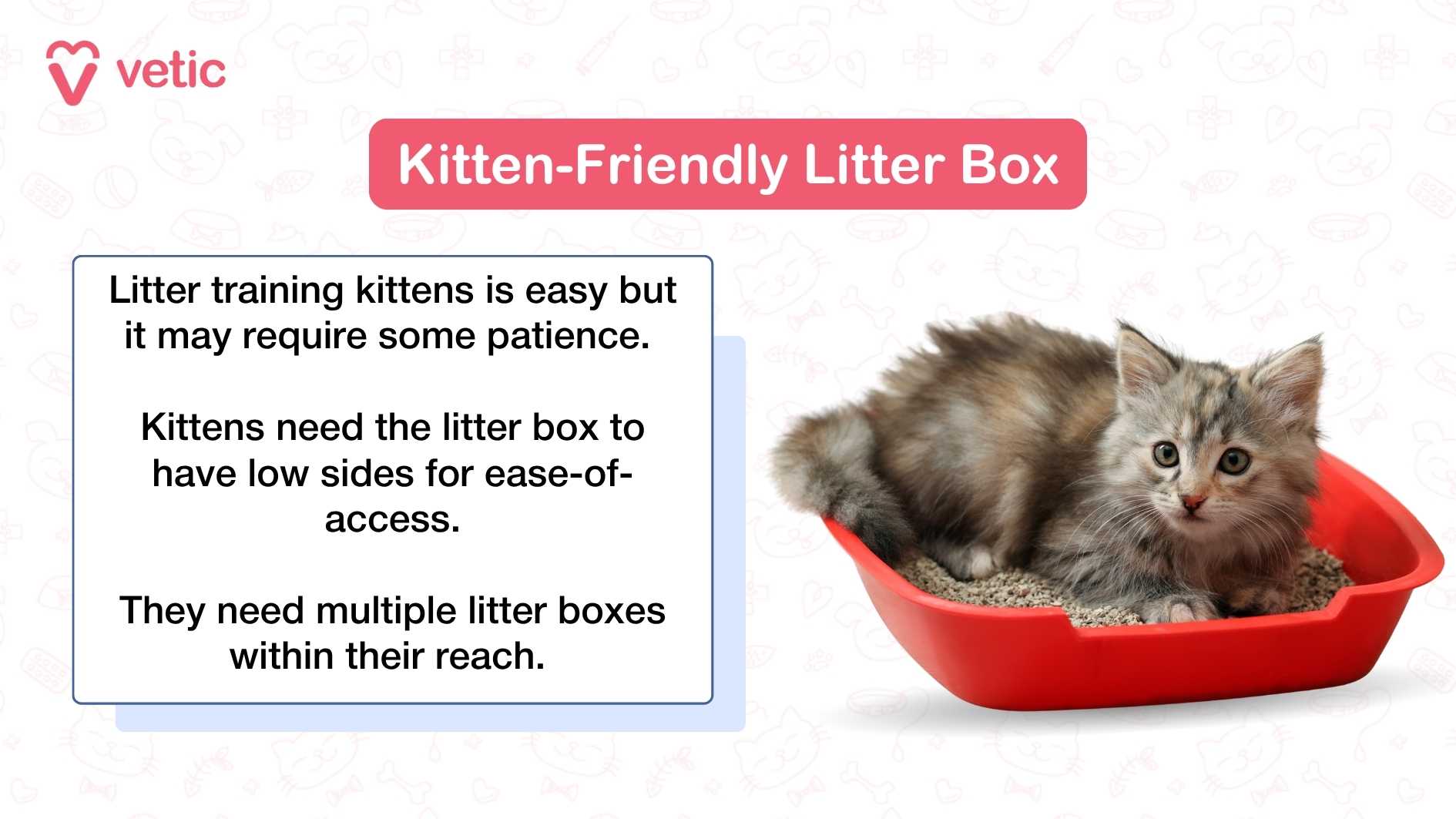
Older cats or kittens need easier access. Low-entry boxes help cats with mobility issues. Have you noticed your cat hesitating to enter the box? That could be a sign it’s not the right size or shape.
Placement Tips
Where you put the litter box can be as important as the box itself. Cats want privacy but also need easy access. Avoid noisy or high-traffic areas that might scare your cat.
Place the box away from your cat’s food and water dishes to keep hygiene intact. If you have multiple cats, provide multiple boxes in different locations to reduce territorial stress. Have you checked if your cat prefers one spot over another? Observing their behavior can guide your placement choice.
Credit: vetic.in
Selecting The Best Cat Litter
Choosing the right cat litter plays a crucial role in successful litter box training. The type of litter you pick affects your cat’s comfort, odor control, and how easy it is for you to clean. Let’s look closely at what’s available and how to decide what suits your cat and your home best.
Common Litter Materials
Cat litter comes in various materials, each with its own benefits and drawbacks. Clay-based litters are popular because they clump well and control odor effectively, but they can be dusty and heavy. Natural options like corn, wheat, or pine litters are biodegradable and often less dusty, which may be better for cats with allergies.
Have you noticed your cat’s preference for a certain texture? Some cats dislike the feel of certain litters on their paws, so trying a few types can save frustration later.
Clumping Vs Non-clumping
Clumping litter forms solid clumps when wet, making it easier to scoop and keep the box clean daily. This can reduce odors quickly and save you time. Non-clumping litter absorbs moisture but doesn’t form clumps, requiring you to change the entire box more often.
If you prefer low-maintenance cleaning, clumping litter might be your best bet. However, some cats with respiratory issues might do better with non-clumping, dust-free options.
Scented Or Unscented
Scented litters mask odors with fragrances, which can seem appealing to you. But cats have a strong sense of smell and might avoid a litter box with overpowering scents. Unscented litter offers a neutral smell that many cats prefer and can help you notice any unusual odors from your cat’s waste, signaling health issues early.
Would your cat choose a fragrant or plain box? Observe your cat’s reaction to different litters to find what keeps them comfortable and consistent in their habits.
Introducing Your Cat To The Litter Box
Introducing your cat to the litter box is the first step in teaching good bathroom habits. This process helps your cat understand where to go and feel comfortable using the box. Early guidance makes litter training easier for both you and your pet.
Initial Placement Strategies
Choose a quiet and private spot for the litter box. Avoid noisy or busy areas that may scare your cat. Keep the box away from their food and water bowls. Use a stable surface to prevent the box from moving. Place the box where your cat spends most of its time. This encourages natural use and quick learning.
Encouraging Use
Show your cat the litter box soon after bringing it home. Gently place your cat inside the box to explore it. Use a calm voice and soft petting to reduce stress. Reward your cat with praise or treats after it uses the box. Keep the litter clean to invite frequent use. Consistency helps build good habits fast.
Handling Accidents
Accidents happen and should be handled calmly. Clean the area with an enzyme cleaner to remove smells. Avoid punishment or loud reactions that frighten your cat. Observe patterns to find causes of accidents. Adjust box placement or litter type if needed. Patience and gentle redirection guide your cat toward success.
Maintaining A Clean Litter Box
Keeping your cat’s litter box clean is essential for both your pet’s health and your home’s freshness. A well-maintained litter box encourages your cat to use it consistently and prevents unwanted messes around the house. Let’s dive into practical ways to keep the litter box fresh and inviting.
Daily Cleaning Routine
Start by scooping out clumps and waste at least once a day. This prevents buildup that can discourage your cat from using the box. Use a dedicated scoop and wear gloves to keep things hygienic.
After scooping, check the litter level and add fresh litter if needed. Cats prefer a certain depth—usually around 2 to 3 inches. Keeping this consistent makes your cat more comfortable and less likely to go elsewhere.
Deep Cleaning Tips
Once a week, empty the entire litter box and wash it with mild soap and warm water. Avoid harsh chemicals that can leave residues and repel your cat. Rinse thoroughly and dry completely before adding fresh litter.
If your cat resists a freshly cleaned box, try rinsing with plain water only. Sometimes, the scent of soap can be off-putting. Consider replacing the litter box every six months to avoid scratches that trap odors.
Avoiding Odors
Odor control starts with regular scooping, but you can add natural odor absorbers like baking soda beneath the litter. Avoid strong fragrances that might irritate your cat’s sensitive nose.
Place the litter box in a well-ventilated area to keep the air fresh. Have you noticed how a poorly ventilated space makes even a clean box smell worse? Proper airflow is a simple fix.
Lastly, consider using clumping litter, which seals in odors better than non-clumping varieties. Your cat will appreciate the cleaner environment, and so will you.
Troubleshooting Common Issues
Troubleshooting common litter box issues can feel frustrating, but understanding the root causes helps you guide your cat back on track. Each problem often signals a specific need or discomfort your cat is experiencing. Let’s unpack some frequent challenges and how you can address them effectively.
Refusal To Use The Box
When your cat suddenly avoids the litter box, start by checking its cleanliness. Cats prefer a clean environment, so scoop the box daily and wash it weekly. Sometimes, the type of litter or box size can be the issue—your cat might dislike scented litters or cramped spaces.
Consider the box location too. Is it too noisy, hard to access, or near their food? Moving the box to a quiet, low-traffic spot can make a big difference. If your cat continues to refuse, a vet check is crucial to rule out medical problems like urinary infections.
Spraying And Marking
Spraying is a territorial behavior, not just a litter box habit. It’s common in unneutered or unspayed cats, so spaying or neutering often reduces this. If your cat sprays indoors, clean the area thoroughly with an enzymatic cleaner to remove odors.
Stress can trigger spraying too. Changes like new pets, furniture, or visitors might unsettle your cat. Try to keep a consistent routine and provide hiding spots or vertical spaces where your cat can feel safe.
Multiple Cats Challenges
When you have more than one cat, competition over the litter box can cause problems. Each cat should ideally have its own box plus one extra. This prevents territorial disputes and ensures access at all times.
Watch for signs like one cat blocking the box or aggressive behavior around it. Offering boxes in different rooms helps reduce tension. Have you noticed your cats’ preferences for certain box types or locations? Catering to these can improve harmony.
Credit: www.amazon.com
Advanced Tips For Litter Training
Advanced litter training goes beyond the basics and helps cats develop better habits. It requires patience, consistency, and the right techniques. This section covers key strategies to improve your cat’s litter box experience.
Positive Reinforcement
Reward good litter box behavior immediately. Use treats, gentle petting, or kind words. This helps cats associate the litter box with positive feelings. Avoid punishment, which can cause fear or confusion. Praise encourages cats to repeat good habits.
Adjusting For Kittens Vs Adults
Kittens need smaller, shallow litter boxes for easy access. Place them in quiet, safe spots. Guide kittens to the box after meals and naps. Adult cats may prefer larger boxes with more privacy. Adjust cleaning frequency depending on age and size.
Using Training Aids
Training aids can speed up learning. Try litter attractants that encourage cats to use the box. Use pheromone sprays to reduce stress and improve comfort. Consider mats to catch litter outside the box. These tools help maintain a clean and inviting area.
Frequently Asked Questions
How To Start Litter Box Training For Kittens?
Begin by placing the litter box in a quiet, accessible area. Show your kitten where it is. Gently place them inside after meals or naps. Praise them when they use it. Keep the box clean to encourage consistent use.
What Type Of Litter Is Best For Cats?
Clumping, unscented clay litter is often preferred by cats. It controls odor well and is easy to scoop. Avoid scented or dusty litters as they can irritate your cat’s nose and paws. Always test your cat’s preference.
How Often Should I Clean The Litter Box?
Scoop the litter box daily to remove waste. Completely change and wash the litter box weekly. Cleanliness prevents odors and helps maintain your cat’s health. A clean box encourages regular use and reduces accidents.
Why Do Cats Avoid Using The Litter Box?
Cats may avoid the box if it’s dirty, in a noisy spot, or uncomfortable. Health issues like urinary infections can also cause avoidance. Observe your cat’s behavior and consult a vet if problems persist.
Conclusion
Cats learn litter box habits with patience and care. Keep the box clean and easy to find. Praise your cat when it uses the box well. Avoid sudden changes in the litter or location. Small steps help your cat feel safe and confident.
Training takes time, so stay calm and consistent. Soon, your cat will use the litter box without trouble. This makes life easier for both of you. Remember, gentle guidance works best every time.
