

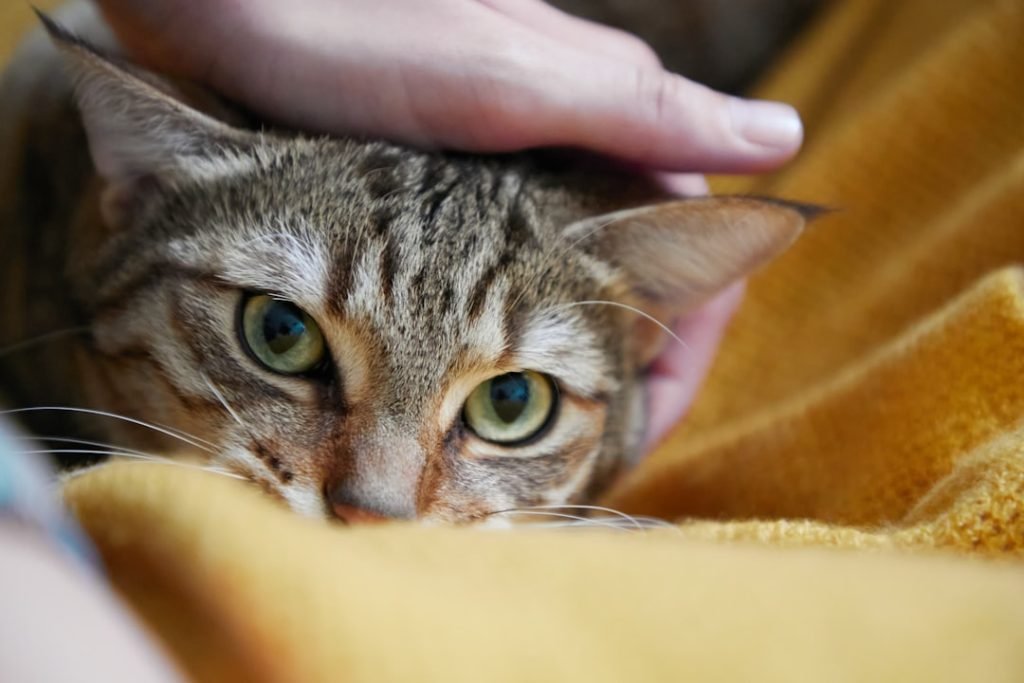
Training a cat might sound impossible, but it’s easier than you think. If you want your furry friend to stop scratching the furniture, come when called, or even do simple tricks, this guide is for you.
You’ll discover clear, simple steps that anyone can follow. Imagine having a well-behaved cat who listens and interacts with you. Keep reading, and you’ll learn how to make that happen—no stress, no frustration, just results.
Cat Psychology Basics
Understanding cat psychology is key to effective training. Cats have unique minds shaped by instinct and environment. Knowing how they think helps you guide their behavior. This section explores basic feline psychology to start training right.
Feline Instincts
Cats are natural hunters and explorers. They rely on sharp senses to survive and find food. Their instincts drive many actions, like scratching, pouncing, and hiding. Recognizing these instincts helps you set realistic training goals. Respecting their nature reduces stress and builds trust.
Communication Styles
Cats communicate mostly through body language and sounds. Tail position, ear movement, and eyes show their feelings. They meow to get attention or express needs. Learning these signals allows better interaction and timely responses. Clear communication creates a strong bond and improves training success.
Motivation And Rewards
Cats respond well to positive reinforcement. Treats, praise, or playtime motivate them to repeat good behavior. Avoid punishment, which can cause fear or aggression. Small, consistent rewards help cats learn faster. Understand what your cat likes to use the best motivators.
Essential Training Tools
Training a cat requires the right tools for success. These tools help guide your cat’s learning and keep them motivated. Using effective training tools makes sessions smoother and more enjoyable for both of you.
Choosing The Right Treats
Treats are powerful motivators for cats. Select small, soft treats that your cat loves. The treats should be easy to chew and quick to eat. Avoid giving large or hard treats that can distract or slow down training. Use treats sparingly to keep your cat eager and focused.
Using Clickers Effectively
Clickers create a clear sound that marks good behavior instantly. Use a clicker to signal when your cat does the right action. Pair the click sound with a treat to help your cat understand what you want. Keep the clicker handy during training sessions for consistent feedback.
Safe Training Environment
Choose a quiet, calm space for training your cat. Remove loud noises and distractions to keep your cat’s attention. A familiar room with few people works best. Make sure the area is safe and free from hazards. A calm environment helps your cat learn faster and stay comfortable.
Teaching Basic Commands
Teaching basic commands helps build a strong bond with your cat. It makes daily life easier and safer. Cats learn through repetition and positive rewards. Patience is key, as cats may take time to respond.
Sit And Stay
Begin by holding a treat near your cat’s nose. Slowly move it upward and back over their head. This motion encourages the cat to sit naturally. Say “sit” clearly as the cat lowers its bottom. Reward immediately with a treat and gentle praise.
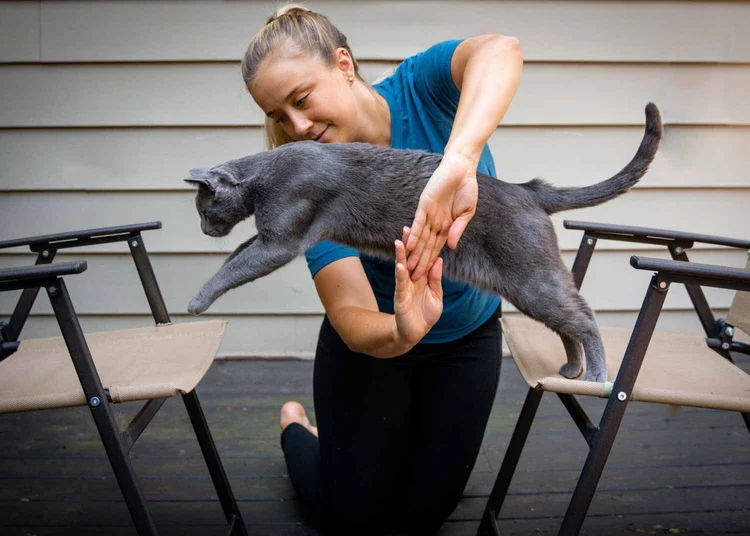
For “stay,” ask your cat to sit first. Show your palm facing the cat and say “stay” firmly. Take a small step back and wait a moment. If your cat remains still, give a treat. Gradually increase the time and distance before rewarding.
Come When Called
Choose a simple word or sound like “come” or a whistle. Use the chosen cue consistently. Call your cat while offering a treat or favorite toy. Reward your cat the moment it approaches you. Practice in quiet rooms, then try in distracting places.
Keep sessions short and fun to maintain interest. Avoid calling your cat for negative reasons. This keeps the command positive and reliable.
Litter Box Training
Place the litter box in a quiet, accessible spot. Show your cat the box after meals and naps. Gently place them inside to encourage use. Keep the box clean by scooping daily and changing litter often.
Use the same type of litter your cat prefers. If accidents happen, clean the area with enzyme cleaner. Avoid punishment; it confuses and frightens the cat. Praise and treats after successful use improve habits.
Credit: www.catschool.co
Addressing Common Behavior Issues
Addressing common behavior issues in cats helps create a peaceful home. Cats act out for many reasons. Understanding these reasons makes training easier. Focus on the most common problems first. This includes scratching furniture, aggression and biting, and excessive meowing. Each problem needs a clear approach.
Scratching Furniture
Scratching is a natural cat behavior. It sharpens their claws and marks territory. Protect furniture by providing alternatives. Use scratching posts or pads made of cardboard or sisal. Place these near the furniture your cat scratches.
Encourage use by rubbing catnip on the posts. Praise your cat when it uses them. Cover furniture with double-sided tape or plastic sheets. Cats dislike sticky or slippery surfaces. Trim your cat’s nails regularly to reduce damage.
Aggression And Biting
Aggression and biting come from fear or playfulness. Learn to read your cat’s body language. Signs include hissing, growling, or flattened ears. Avoid rough play with hands or feet. Use toys to direct biting behavior.
Give your cat space when it feels stressed. Do not punish, as it increases fear. Use calm voices and gentle petting to build trust. Reward calm behavior with treats or affection.
Excessive Meowing
Meowing is how cats communicate. Excessive meowing can signal hunger, boredom, or stress. Establish a feeding schedule to reduce mealtime meows. Play with your cat daily to burn energy and reduce boredom.
Ignore meowing for attention to avoid reinforcing it. Respond to calm behavior instead. Make sure your cat has a quiet and comfortable resting place. Consult a vet if meowing continues or worsens.
Advanced Training Techniques
Advanced training techniques help deepen the bond with your cat. They also provide mental stimulation and physical activity. These techniques require patience and consistency. Each cat learns at its own pace. Focus on small, clear steps. Reward good behavior with treats or praise. Keep training sessions short to maintain interest. Use these methods to challenge your cat and build trust.
Leash Training
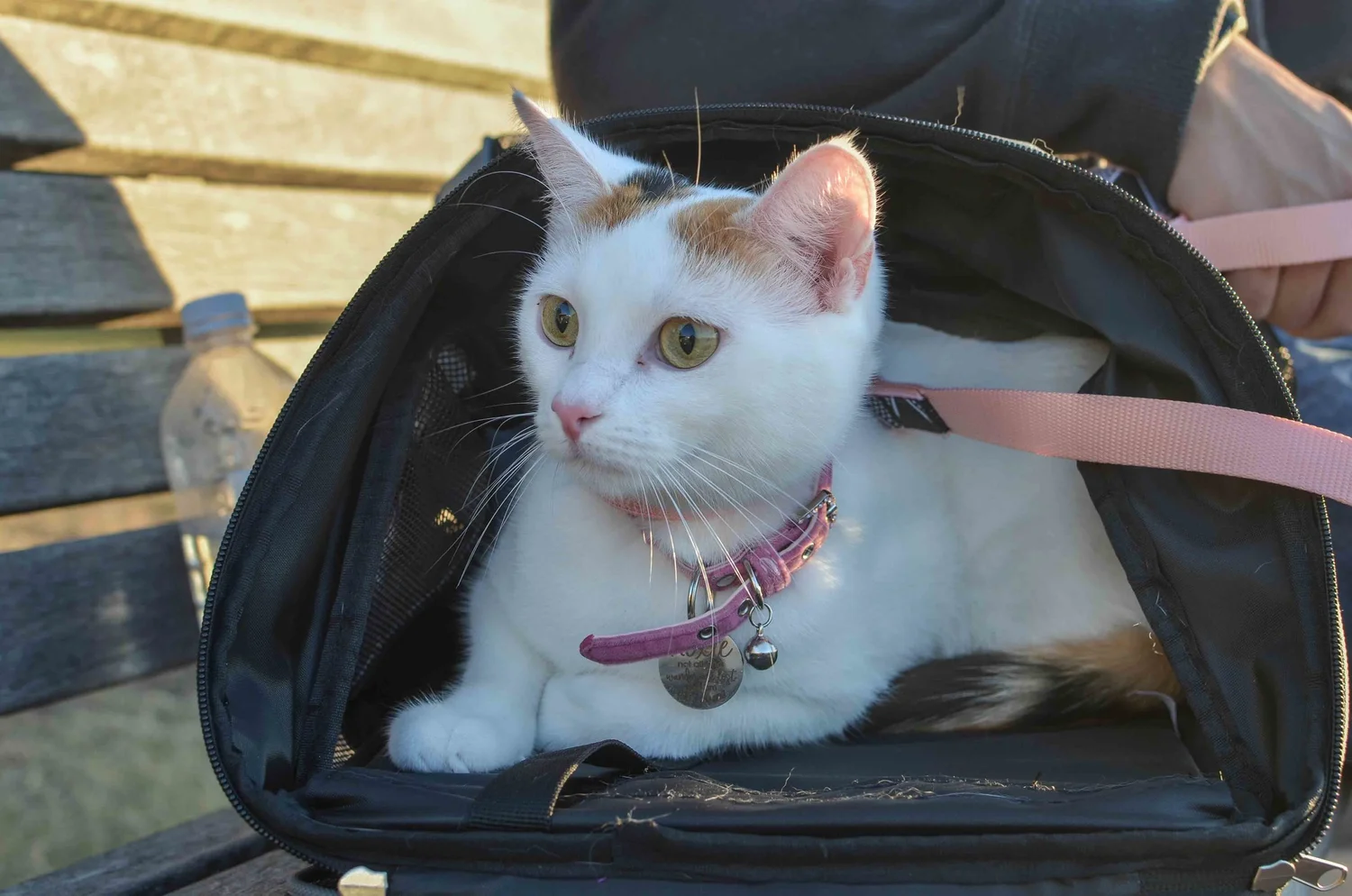
Leash training allows safe outdoor exploration. Choose a lightweight harness designed for cats. Let your cat wear the harness indoors first. Give treats to create positive feelings. Attach a leash and follow your cat slowly. Avoid pulling or rushing. Practice in quiet, safe areas. Gradually increase walk time and distance. Watch your cat’s comfort and reactions closely.
Trick Training
Trick training uses simple commands and signals. Start with easy tricks like “sit” or “high five.” Use small treats to reward success. Repeat commands clearly and consistently. Use a clicker or a specific sound if possible. Keep sessions fun and short. Be patient if your cat seems distracted. Celebrate each small win to encourage learning.
Using Target Training
Target training teaches your cat to touch objects. Use a stick or your finger as the target. Hold the target near your cat’s nose. Reward any touch with a treat or praise. Move the target gradually to new spots. Encourage your cat to follow or touch it. This method helps with tricks and vet visits. It builds focus and cooperation in training.

Credit: www.brindlepets.ca
Maintaining Consistency
Maintaining consistency is the backbone of successful cat training. Cats thrive on routine and clear expectations, so keeping your approach steady helps your feline friend understand what you want. Without consistency, your cat may get confused, slowing down progress or even causing setbacks.
Setting A Training Schedule
Pick specific times each day to work with your cat. Short sessions, around 5 to 10 minutes, are more effective than long, tiring ones. Try to train at the same times daily—cats respond well to predictable routines.
Think about your cat’s natural activity peaks, usually early morning or evening. Align your sessions with these times when they are most alert and playful. This increases your chances of engagement and success.
Involving Family Members
Consistency means everyone in the household should use the same commands and rewards. If one person allows unwanted behaviors while another corrects them, your cat will get mixed signals.
Make sure everyone understands the training goals and techniques. You might hold a quick family meeting or share notes so everyone stays on the same page. This united front helps your cat learn faster and avoids confusion.
Tracking Progress
Keep a simple training journal or use an app to note what techniques work and when your cat masters new skills. Tracking progress shows you patterns—like which times of day are best or which rewards motivate your cat most.
Seeing even small improvements can boost your motivation to keep going. What small win did your cat have today? Celebrate it and build on that success consistently for lasting results.
Credit: catexplorer.co
Frequently Asked Questions
How Long Does It Take To Train A Cat?
Training a cat usually takes several weeks of consistent effort. Cats learn best with patience and positive reinforcement. Daily short sessions help build good habits. Each cat’s learning speed varies based on personality and past experiences.
What Is The Best Method To Train A Cat?
Positive reinforcement with treats and praise is the best method. Avoid punishment to prevent fear or aggression. Use clicker training to mark desired behaviors clearly. Consistency and patience are key to effective cat training.
Can Cats Learn Tricks Like Dogs?
Yes, cats can learn tricks like dogs with proper training. Simple tricks include sit, stay, and high five. Use treats and rewards to motivate your cat. Regular practice helps improve their skills and bonding.
How Do I Stop My Cat From Scratching Furniture?
Provide scratching posts and encourage their use with catnip or toys. Trim your cat’s nails regularly to reduce damage. Use deterrents like double-sided tape on furniture to discourage scratching. Reward your cat when they use the posts.
Conclusion
Training a cat takes time and patience. Small steps bring better results. Reward good behavior with treats or praise. Stay calm and consistent every day. Cats learn best through positive experiences. Avoid punishment to keep trust strong. Enjoy the process and celebrate progress.
Your cat can learn simple tricks. Training builds a stronger bond together. Keep routines clear to help your cat. With love and care, training works well.
