


Training your cat to use a litter box might seem tricky, but it’s easier than you think. If you want a clean home and a happy pet, teaching your cat this simple habit is key.
You’ll discover step-by-step tips that work, even if your cat is stubborn or new to the litter box. Keep reading, and you’ll learn how to make this training smooth and stress-free for both you and your furry friend.
Choosing The Right Litter Box
Choosing the right litter box is key to teaching your cat proper bathroom habits. The right box makes your cat feel safe and comfortable. This helps your cat use the litter box without stress or confusion.
Many options exist, so consider your cat’s size, preferences, and behavior. Picking a box that fits well can prevent accidents and keep your home clean.
Size And Style Options
The litter box should be big enough for your cat to move freely inside. A small box can make your cat feel cramped and avoid using it. Choose a box slightly larger than your cat’s length.
Styles vary from open trays to covered boxes. Open trays allow easy access and help reduce odors. Covered boxes give privacy and keep litter from scattering. Observe your cat’s habits to decide which style suits best.
Materials And Features
Most litter boxes are made of plastic. Plastic is easy to clean and light to move. Look for a box with smooth surfaces to prevent litter sticking.
Some boxes have special features like high sides to contain litter or non-slip bases to stop sliding. Consider these if your cat tends to kick litter out or if the box moves around.
Selecting Suitable Litter
Choosing the right litter is a key step in training your cat to use the litter box. The litter you select affects your cat’s comfort and willingness to use the box consistently. Pay attention to texture, dust levels, and odor control as you make your choice.
Types Of Cat Litter
Cat litter comes in many varieties, each with different benefits. Clay-based litter is popular because it clumps well and is easy to scoop, but it can be dusty. Natural options like corn, wheat, or pine litters are biodegradable and often less dusty, making them a good pick for sensitive cats.
Silica gel litter absorbs moisture and controls odor effectively. However, some cats dislike its rough texture. You might need to try a few types to see which your cat prefers. Have you noticed your cat avoiding the box after switching litter? This could be a sign to reconsider your choice.
Scented Vs Unscented
Scented litters can mask odors, but cats have a strong sense of smell and might find artificial fragrances off-putting. Unscented litter often feels more natural to them and can encourage regular use. If your cat seems hesitant, try switching to an unscented variety to see if it makes a difference.
Some pet owners prefer scented litter for their own comfort, but remember that your cat’s acceptance is more important. You want your cat to feel at ease in their bathroom space. Which matters more in your home: your preference or your cat’s comfort?
Setting Up The Litter Area
Setting up the litter area correctly is key to teaching your cat good habits. Cats prefer a clean, calm space for their bathroom needs. Creating the right environment helps your cat feel safe and encourages regular use of the litter box.
Ideal Location
Choose a quiet spot away from loud noises and heavy foot traffic. Avoid placing the litter box near your cat’s food and water bowls. Find a cool, well-ventilated area with easy access for your cat. Make sure the space is not too small or cramped.
Maintaining Privacy
Cats like privacy when they use the litter box. Use a corner or an enclosed area to give them some cover. You can place a small screen or barrier if needed. Keep the litter box clean and free from strong smells to help your cat feel comfortable. Privacy reduces stress and helps your cat use the box regularly.
Introducing Your Cat To The Box
Introducing your cat to the litter box is a crucial first step in successful potty training. It sets the tone for how comfortable and willing your cat will be to use the box regularly. You want your cat to see the litter box as a safe and natural place for their bathroom needs.
Initial Exposure
Place the litter box in a quiet, low-traffic area where your cat feels safe. Avoid noisy or busy spots that might scare them away. Let your cat see and sniff the box without any pressure.
Keep the litter clean and fresh—it should smell neutral, not strong or perfumed. Cats rely heavily on scent, so a fresh box invites curiosity. You might even gently place your cat in the box a few times to show them it’s there.
Encouraging Exploration
Encourage your cat to explore the box by using treats or toys nearby. You can toss a small treat inside or gently scratch the litter surface to draw attention. Watch how your cat reacts and never force them inside.
Ask yourself: how does your cat respond to new objects? If your cat is shy, give them extra time and space to investigate. Some cats learn faster by watching others, so if you have more than one cat, seeing a confident cat use the box can be a great motivator.
Remember, patience is key. Each cat is unique, and the way you introduce the litter box can make all the difference in forming a good habit.
Establishing A Routine
Creating a consistent routine helps your cat learn faster. Cats feel safe when their day has a pattern. This reduces stress and encourages good habits. Establishing a routine for feeding and litter use makes training easier. It sets clear expectations for your cat.
Feeding And Litter Timing
Feed your cat at the same times each day. After eating, cats often need to use the litter box. Watch your cat closely during this time. Gently place your cat in the litter box after meals. This builds a natural connection between eating and bathroom use.
Keep feeding and litter times regular. This routine helps your cat anticipate when to go. It reduces accidents and speeds up learning. Consistency is key to making this work.
Regular Cleaning Schedule
Clean the litter box daily. Cats prefer a clean place to do their business. Remove waste and clumps every day. This keeps the box fresh and inviting.
Replace all the litter once a week. Wash the box with mild soap and water. Avoid strong smells that can scare your cat. A clean box encourages your cat to use it regularly.
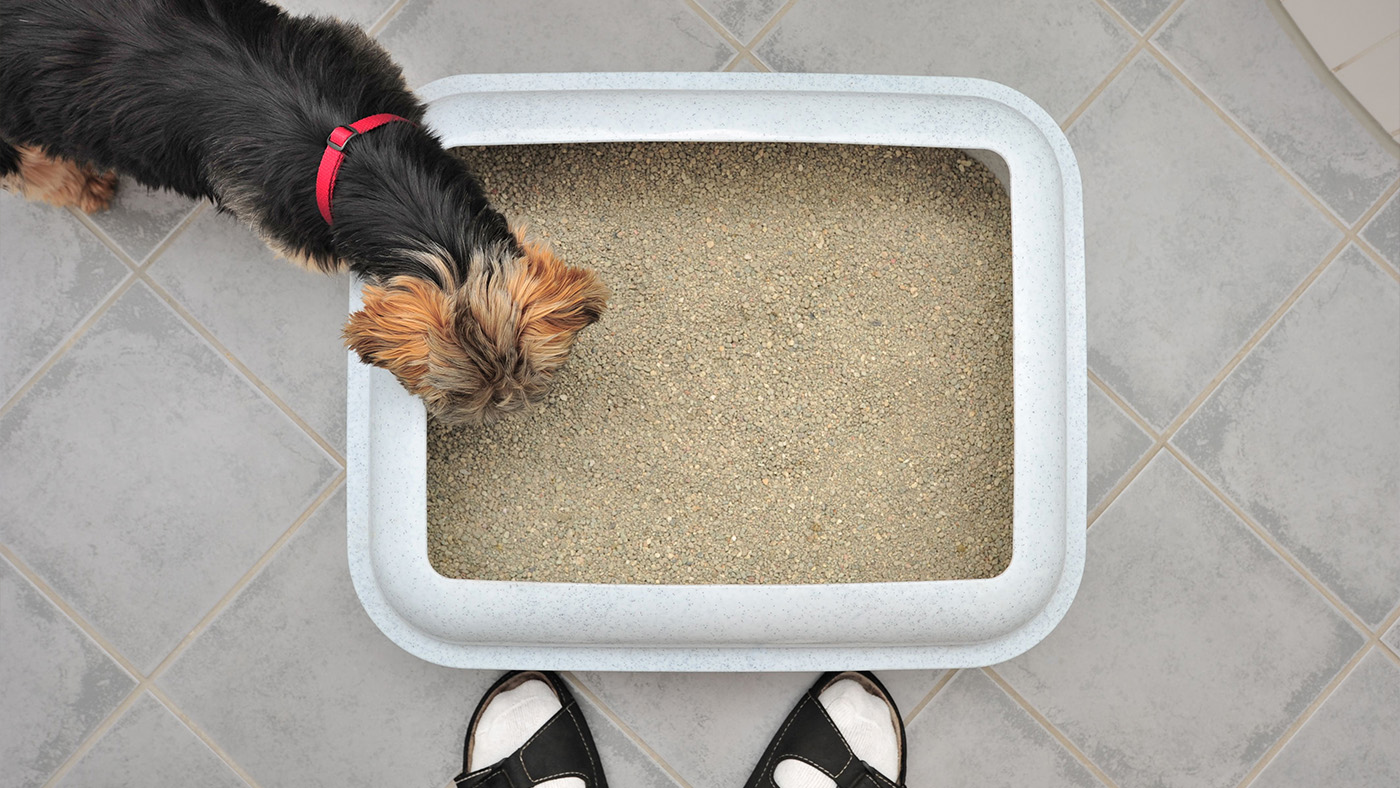
Credit: www.petsradar.com
Handling Accidents
Accidents are normal during litter training. Patience and quick action help keep your home clean. Handling accidents calmly prevents fear or stress for your cat. The right cleaning and behavior redirection guide your cat back on track.
Cleaning Tips
- Use an enzyme cleaner to remove odors fully.
- Avoid ammonia-based cleaners; they mimic urine smell.
- Blot the area with paper towels before cleaning.
- Clean the spot immediately to prevent re-soiling.
- Wash washable fabrics in hot water with detergent.
- Keep cleaning supplies handy for quick response.
Redirecting Behavior
- Gently place your cat in the litter box after accidents.
- Observe and note accident spots for better placement.
- Increase litter boxes if your home is large or multi-level.
- Reward your cat with praise or treats after using the box.
- Keep the litter box clean and in a quiet, accessible spot.
- Limit access to accident spots until retraining is done.
Troubleshooting Common Issues
Training a cat to use the litter box can sometimes bring challenges. Common problems may arise that confuse both pets and owners. Understanding these issues helps maintain a clean home and a happy cat. Troubleshooting focuses on finding simple fixes to keep litter box habits on track.
Avoiding Litter Box Aversion
Cats may avoid the litter box for several reasons. Cleanliness is key. Cats dislike dirty litter boxes. Scoop waste daily and change litter regularly.
Choose the right litter type. Some cats prefer unscented, fine-grain litter. Avoid strong smells or textures that cats dislike.
Box location matters. Place the litter box in a quiet, private area. Avoid noisy or high-traffic spots that scare the cat.
Check the box size. It should be large enough for the cat to move comfortably. Smaller boxes can cause discomfort and avoidance.
Dealing With Multiple Cats
Multiple cats need multiple litter boxes. The rule is one box per cat plus one extra. This reduces competition and stress.
Place boxes in different locations. This helps each cat feel safe and secure while using the box.
Watch for bullying or blocking behaviors. Some cats may stop others from using the box. Separate cats if needed during litter box time.
Keep all boxes clean. Dirty boxes may cause fights or avoidance. Regular cleaning reduces conflicts and accidents.
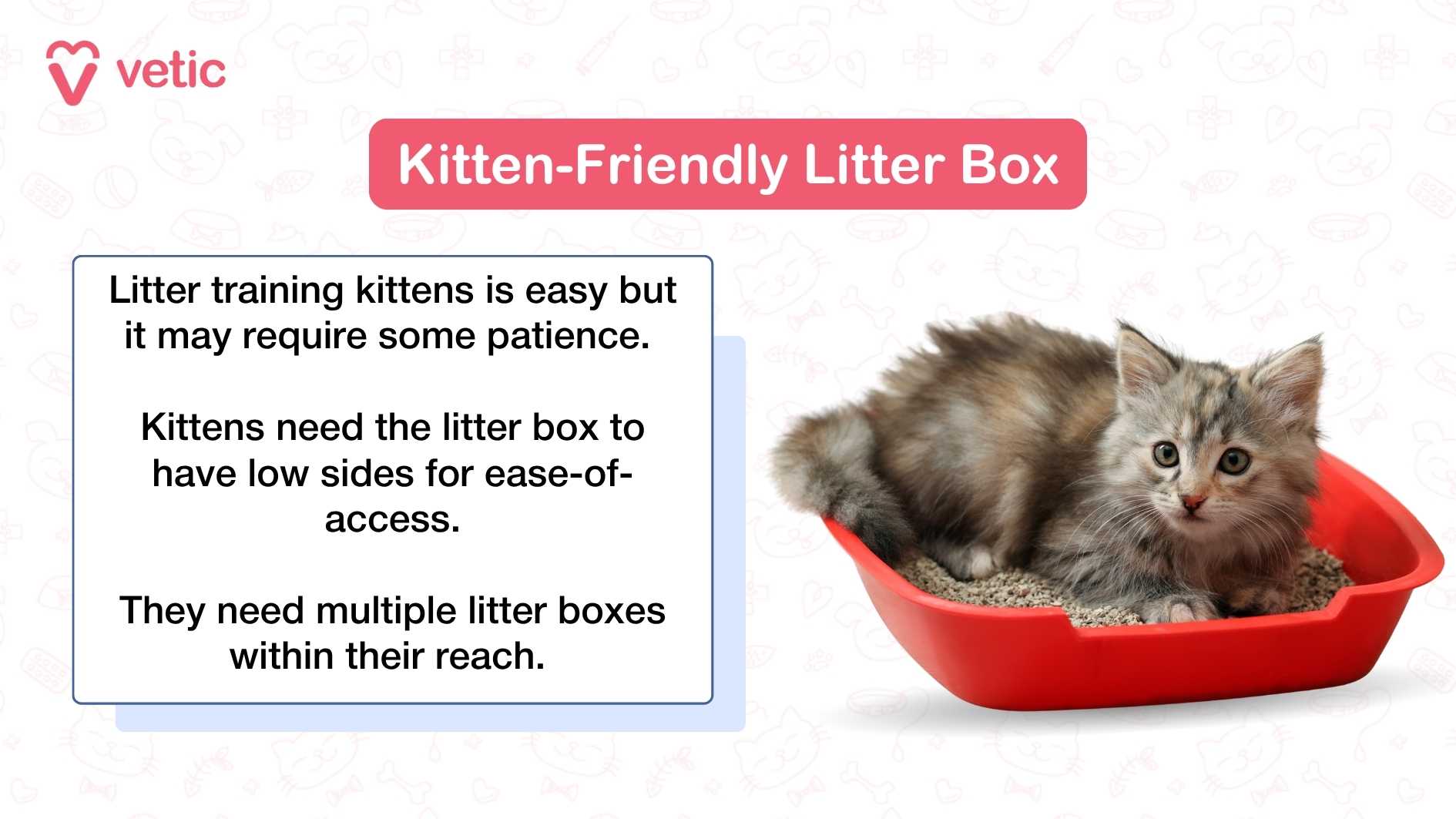
Credit: vetic.in
Using Positive Reinforcement
Using positive reinforcement helps your cat learn to use the litter box quickly. Cats respond well to rewards and praise. This approach creates a happy learning experience for your pet. It encourages good behavior without fear or stress.
Reward Strategies
Give treats or small snacks right after your cat uses the litter box. Choose treats your cat loves. Use gentle praise like soft words or petting. Keep rewards immediate to connect the action with the reward clearly.
- Offer a favorite treat after successful use
- Use a calm, happy voice for praise
- Pet your cat softly to show approval
- Keep treats small to avoid overfeeding
Patience And Consistency
Training takes time. Your cat may have accidents. Stay calm and patient. Clean accidents without scolding your cat. Keep the litter box clean and in the same place. Reward every time your cat uses the box correctly. Repeat this routine daily to build good habits.

Credit: petite-store.com
Frequently Asked Questions
How Do I Introduce A Cat To A Litter Box?
Start by placing the litter box in a quiet, accessible area. Gently place your cat inside the box after meals and naps. Encourage them by using a soft, reassuring voice. Ensure the litter box is clean to avoid any reluctance.
Patience and consistency are key to success.
Why Won’t My Cat Use The Litter Box?
Cats avoid litter boxes due to cleanliness issues, stress, or health problems. Ensure the box is clean and placed in a quiet spot. Monitor your cat for signs of illness. Consult a vet if the issue persists. Stress-reducing techniques and products might also help.
How Often Should I Clean The Litter Box?
Clean the litter box daily by removing waste and clumps. This encourages your cat to use it consistently. Deep clean the entire box with mild soap and water weekly. A clean box prevents odor and keeps your cat happy. Consistent cleaning ensures a healthy environment for your pet.
What Type Of Litter Is Best For Training?
Clumping litter is ideal for training cats. It’s easy to clean and controls odor effectively. Some cats prefer unscented litter, so consider your cat’s preference. Experiment with different types to find the best fit. A comfortable litter choice encourages regular use of the box.
Conclusion
Training your cat to use the litter box takes patience and care. Start with a quiet, clean place for the box. Praise your cat when it uses the box correctly. Keep the litter fresh and scoop it daily. Watch your cat’s behavior and adjust as needed.
Remember, every cat learns at its own pace. Small steps lead to great habits. Soon, your cat will feel comfortable using the litter box every time. A happy cat means a happy home. Keep trying, and success will follow.
