

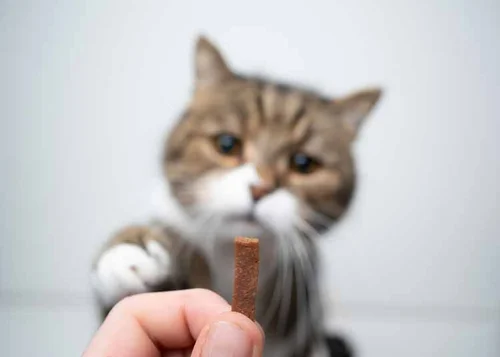
Have you ever wondered how you can train your cat to follow simple commands or stop unwanted behaviors? It might seem impossible, but with the right approach, you can teach your feline friend new tricks and strengthen your bond.
Imagine a home where your cat listens, plays nicely, and even responds to your cues. You’ll discover easy and effective ways to train your cat, making life more enjoyable for both of you. Ready to unlock your cat’s hidden potential?
Let’s dive in!
Cat Behavior Basics
Understanding your cat’s behavior is the first step toward effective training. Cats are unique creatures with instincts and communication styles that shape their actions. By learning the basics of how your cat thinks and interacts, you can create a stronger bond and guide their behavior more easily.
Natural Instincts
Cats have strong natural instincts that influence their behavior. Hunting, scratching, and climbing are not just random acts—they are deeply ingrained needs. If your cat scratches furniture, it’s not just mischief; it’s a way to mark territory and keep their claws healthy.
Recognizing these instincts helps you provide alternatives that satisfy your cat without damaging your home. Have you noticed how your cat suddenly sprints around the house? That burst of energy is their natural hunting drive kicking in, even if there’s no prey in sight.
Communication Signals
Cats communicate constantly through body language, sounds, and even scent. A flicking tail might mean irritation, while slow blinking often shows trust. Paying close attention to these signals helps you respond appropriately to your cat’s needs.
For example, when your cat rubs against your leg, they’re marking you as part of their territory—a sign of affection, not just attention-seeking. Can you spot the difference between a warning hiss and a playful chirp? Understanding these cues can prevent misunderstandings and reduce stress for both of you.
Common Misconceptions
Many people believe cats are untrainable or indifferent to commands, but that’s not true. Cats can learn tricks and follow rules, but they respond best to positive reinforcement rather than punishment. Expecting a dog-like response often leads to frustration on both sides.
Another common myth is that cats are solitary animals. While they do enjoy alone time, most cats crave social interaction and mental stimulation. Have you tried using interactive toys or treats to engage your cat’s mind? These simple tools can make training more effective and enjoyable.

Credit: www.reddit.com
Essential Training Tools
Training your cat requires more than just patience; having the right tools can make a huge difference. Essential training tools help you communicate clearly and keep your cat motivated throughout the process. Without these, even the most willing feline might lose interest quickly.
Treats And Rewards
Treats are the simplest way to reward your cat instantly. Choose small, soft treats that your cat loves and can eat quickly. This keeps your cat focused on the training without getting distracted by chewing.
Rewards don’t always have to be food. Sometimes, gentle petting or verbal praise works just as well, especially if your cat is more social. What kind of reward does your cat respond to best?
Clicker Training
A clicker is a small device that makes a distinct sound when pressed. It helps mark the exact moment your cat performs the desired behavior. This clear signal makes it easier for your cat to understand what you want.
Many cat owners find that combining a clicker with treats speeds up learning. If you haven’t tried clicker training yet, it might surprise you how quickly your cat picks up tricks. Have you noticed how precise timing affects your cat’s learning?
Toys And Props
Toys are more than just fun; they can guide your cat’s attention during training. Wand toys and laser pointers encourage movement and focus, making it easier to teach commands like “come” or “jump.”
Props like small hoops or tunnels can create physical challenges that stimulate your cat mentally and physically. Using toys and props keeps training sessions lively and prevents boredom. What toys does your cat chase with the most enthusiasm?
Starting With Simple Commands
Training a cat begins best with simple commands. Cats learn through repetition and reward. Start with easy tasks to build trust and attention. These commands form the base for more complex training later. Patience and consistency help your cat understand what you want.
Name Recognition
Teaching your cat to recognize its name is the first step. Use your cat’s name often during calm moments. Call the name clearly and wait for a response. When your cat looks at you, give a treat or gentle praise. Repeat this several times daily in short sessions. This helps your cat connect the sound with itself.
Sit And Stay
Next, try teaching your cat to sit and stay. Hold a treat above your cat’s head. Move the treat slowly back so your cat sits to watch it. Say “sit” clearly as your cat sits down. Give the treat and praise right away. For “stay,” ask your cat to sit first. Then hold your hand out, palm facing the cat. Wait a few seconds before giving a treat. Increase the time slowly. This trains patience and control.
Come When Called
Calling your cat to come is useful for safety and bonding. Use a happy, soft voice to say your cat’s name followed by “come.” Show a treat or toy to encourage movement. Reward your cat immediately upon arrival. Practice in quiet areas first, then try in different places. Keep calls short and positive to keep your cat interested.
Litter Box Training Tips
Training your cat to use the litter box is essential for a clean home. It helps your cat feel secure and comfortable. Understanding key tips will make this process easier and faster. Focus on the right litter, where to place the box, and how to manage accidents.
Choosing The Right Litter
Select litter that is soft and clumps well. Cats prefer fine, sand-like textures. Avoid strong scents; they can scare your cat. Unscented, natural litters work best. Keep the litter clean by scooping daily. Change it completely once a week to prevent odors.
Placement Strategies
Place the litter box in a quiet, low-traffic area. Avoid noisy or busy spots that scare your cat. The box should be easy to access but private. Do not put it near the cat’s food or water bowls. Consider multiple boxes if you have many cats. This reduces competition and stress.
Handling Accidents
Accidents happen. Clean the area thoroughly with an enzyme cleaner to remove smells. Avoid punishing your cat; it may cause fear. Instead, gently guide them back to the litter box. Watch for signs your cat needs to go. Praise and reward your cat when they use the box correctly.
Addressing Unwanted Behaviors
Unwanted behaviors can create challenges for cat owners. Training your cat helps reduce these issues. Patience and consistency are key to success. Understanding why your cat acts this way helps find solutions. Each behavior needs its own approach. Focus on positive reinforcement and clear communication.
Scratching Solutions
Scratching is natural for cats. It keeps their claws sharp and marks territory. Redirect your cat to scratching posts. Place posts in favorite resting areas. Use catnip to attract them to posts. Trim your cat’s nails regularly. Cover furniture with materials cats dislike, like double-sided tape. Praise your cat when they scratch the post.
Biting And Aggression
Biting shows fear, stress, or playfulness. Avoid using hands as toys. Provide chew toys instead. Learn your cat’s body language. Stop play if biting starts. Use gentle sounds to calm your cat. Give your cat space when they seem upset. Reward calm behavior with treats or petting.
Excessive Meowing
Cats meow to communicate needs. Excessive meowing may mean hunger or boredom. Feed your cat on a schedule. Spend time playing every day. Ignore meowing that demands attention. Reward quiet moments with affection. Make sure your cat’s health is good. Sometimes, meowing signals pain or discomfort.

Credit: www.outdoorbengal.com
Advanced Tricks And Commands
Training a cat beyond basic commands adds fun and mental stimulation. Advanced tricks help build a stronger bond and keep your cat active. These skills require patience and consistent practice. Success depends on rewarding good behavior and clear communication.
Leash Training
Leash training lets your cat explore outdoors safely. Start by introducing the harness indoors for short periods. Let your cat get used to the feeling without pressure. Attach the leash and follow your cat’s lead. Use treats to encourage walking beside you. Keep sessions brief and positive to avoid stress.
Fetch And Play
Many cats enjoy playing fetch like dogs. Choose lightweight toys your cat likes to chase. Toss the toy a short distance and encourage your cat to bring it back. Reward with treats or praise when your cat returns the toy. Repeat with patience, making sessions fun and short. Fetch strengthens your cat’s agility and focus.
Using Clicker Effectively
Clicker training marks good behavior with a distinct sound. Use a clicker right after your cat performs a trick. Follow the click with a treat to reinforce the action. Keep training sessions short and consistent. Clicker training helps cats learn faster and stay motivated.
Consistency And Patience
Training a cat requires more than just showing them what to do once. It demands consistencyand a great deal of patience. Cats are creatures of habit, but they also have their own minds. Your steady approach and calm attitude can make a world of difference in how quickly your cat learns new behaviors.
Setting Realistic Goals
Start by deciding what you want your cat to learn and keep it simple. Trying to teach complex tricks right away can frustrate both you and your cat. For example, focus on getting your cat to come when called before moving on to more advanced commands.
Ask yourself: what is achievable in small steps? Breaking down training into manageable goals helps maintain motivation. Celebrate small wins to keep your cat engaged.
Creating A Routine
Cats respond best to regular schedules. Set specific times each day for training sessions, even if they last only 5-10 minutes. Short, frequent sessions work better than long, sporadic ones.
Consistency in timing helps your cat understand when it’s time to focus. You’ll also find it easier to stay committed when training becomes part of your daily routine.
Reward Timing
Deliver rewards immediately after your cat performs the desired action. Cats have short attention spans, so delays can confuse them about what they’re being rewarded for. Use treats, praise, or playtime as positive reinforcement right away.
Have you noticed how quickly your cat’s attention shifts? That’s why timing matters. Quick rewards make it clear which behavior you want repeated.
When To Seek Professional Help
Knowing when to seek professional help for training your cat can save you time, frustration, and even your pet’s well-being. Sometimes, the challenges you face go beyond simple training tips and require expert intervention. Recognizing these moments early ensures your cat stays happy and healthy while you maintain a strong bond.
Behavioral Issues
Is your cat suddenly aggressive or excessively anxious? Behavioral problems like scratching furniture relentlessly, refusing the litter box, or biting might signal deeper issues.
These behaviors can sometimes be a cry for help or confusion. A professional trainer or animal behaviorist can pinpoint triggers and design a plan tailored to your cat’s personality.
Ignoring these signs often leads to worsening behavior, making training even harder. Have you noticed if these issues appear after changes in your home or routine?
Health Concerns
Sometimes, what looks like bad behavior is actually a health problem. If your cat suddenly stops using the litter box or becomes withdrawn, a vet check is essential before any training.
Pain, infections, or other illnesses can cause your cat to act out or become less responsive to training. Addressing health issues first ensures your training efforts aren’t wasted.
When was the last time your cat had a full health check? Consider this question carefully if you’re facing unusual behavior.
Finding A Trainer
Choosing the right trainer makes a big difference. Look for someone with positive reinforcement experience and good reviews from other cat owners.
Ask about their approach to common issues like litter box problems or aggression. A good trainer will explain their methods clearly and involve you in the process.
Don’t hesitate to ask for references or observe a session if possible. This helps ensure their style matches your cat’s needs and your expectations.
Credit: m.economictimes.com
Frequently Asked Questions
How Long Does It Take To Train A Cat?
Training a cat usually takes a few weeks of consistent effort. Patience and daily practice are key. Cats learn best through positive reinforcement and short training sessions.
What Is The Best Method To Train A Cat?
Positive reinforcement using treats and praise is the best method. Avoid punishment, as it can create fear. Reward desired behaviors immediately to help your cat learn.
Can I Train My Cat To Use A Litter Box?
Yes, most cats can learn litter box use quickly. Place the box in a quiet area and keep it clean. Reward your cat when it uses the box properly.
How Can I Teach My Cat To Respond To Commands?
Use simple commands like “sit” or “come” paired with treats. Repeat consistently in short sessions. Be patient and reward your cat promptly for compliance.
Conclusion
Training your cat takes time and patience. Small steps work best. Use treats and praise to encourage good behavior. Keep sessions short and fun for your cat. Remember, each cat learns at its own pace. Consistency helps build trust and understanding.
Enjoy the process and celebrate small wins. Training creates a stronger bond between you and your cat. Stay calm and positive to see progress. Your efforts will make life better for both of you.
