

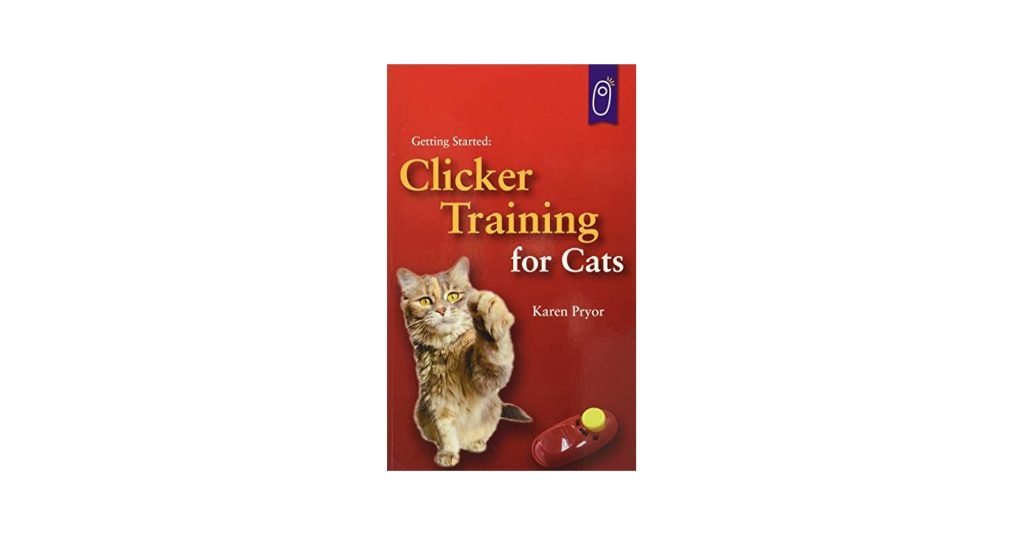
Have you ever wished your cat would listen to you without the usual scratches or ignoring your calls? Imagine a way to communicate with your feline friend that’s simple, fun, and builds trust between you two.
Clicker training cats can make this possible. It’s a gentle method that turns learning into a game your cat actually enjoys. If you want to strengthen your bond and teach your cat new tricks without frustration, keep reading. You’re about to discover how a tiny click can change everything.

Credit: www.catschool.co
Why Choose Clicker Training
Choosing the right training method for your cat can make a huge difference in your relationship. Clicker training offers a clear, kind way to communicate with your feline friend. It’s not just about teaching tricks; it’s about building trust and understanding.
Benefits For Cats And Owners
Clicker training creates a positive learning environment. Cats quickly learn to associate the click sound with rewards, making training sessions fun and stress-free.
For you, this means less frustration and more success. You’ll notice your cat becoming more confident and responsive. It’s rewarding to see your pet understand what you want without force or punishment.
- Strengthens your bond through clear communication
- Encourages mental stimulation and reduces boredom
- Teaches good behavior without stress or fear
- Helps with problem behaviors by redirecting attention
How Clicker Training Works
The clicker is a small device that makes a consistent, distinct sound. You use the click to mark the exact moment your cat does something right.
Right after the click, you give your cat a treat or praise. This helps your cat understand which actions earn rewards.
Consistency is key. You repeat this process to shape new behaviors step by step, breaking complex actions into simple parts.
Think about the last time you successfully taught your cat a new trick. Wasn’t it easier when you praised them immediately? The clicker acts like that instant praise every time.
Credit: caticles.com
Getting Started With Clicker Training
Starting clicker training with your cat can feel exciting and a bit overwhelming. It’s a simple tool, but using it right makes all the difference in how quickly your cat learns and enjoys the process. Setting up the basics correctly will help you build a strong communication bridge with your furry friend.
Selecting The Right Clicker
Not all clickers are created equal. Choose one that produces a consistent, clear sound without being too loud or startling for your cat. Some clickers come with a wrist strap, which can be handy so you never lose it during training sessions.
Think about the size and shape too—something comfortable to hold will keep your training smooth. Have you noticed how your cat reacts to different sounds? Use that insight to pick a clicker your cat responds to best.
Preparing Treats And Rewards
Tasty treats are the heart of clicker training. Pick small, soft treats that your cat loves and can eat quickly. This keeps the momentum going without interrupting the flow of training.
Keep a variety on hand to maintain your cat’s interest. You might find your cat prefers a certain flavor or texture, so experiment a little. Remember, the goal is to make the reward instantly satisfying.
Choosing A Training Space
Find a quiet, distraction-free spot where your cat feels comfortable and safe. A familiar room with minimal noise works best to keep your cat’s focus on the training.
Keep sessions short and sweet in this space to prevent frustration. Have you observed where your cat naturally relaxes or pays the most attention? That’s often the perfect spot to begin training.
Basic Clicker Training Steps
Clicker training your cat can be a rewarding experience that builds clear communication between you and your feline friend. The basic steps of clicker training lay the foundation for teaching your cat new behaviors in a way that’s fun and effective. Understanding these steps helps you create a positive learning environment where your cat feels encouraged to participate.
Introducing The Clicker
Start by making the sound of the clicker familiar to your cat. Click the device once, then immediately offer a small treat. Repeat this several times in a calm setting until your cat looks for a reward after hearing the click.
This association helps your cat understand that the click means something good is coming. Have you noticed how quickly cats catch on when the timing is just right?
Capturing Desired Behaviors
Watch your cat closely and wait for a behavior you want to encourage, like sitting or looking at you. The moment your cat does this, use the clicker to mark the behavior, then give a treat right away.
This technique, called “capturing,” rewards natural actions and encourages your cat to repeat them. What small behavior do you think your cat would find easiest to start with?
Timing Your Click And Reward
The click must happen at the exact moment your cat performs the behavior you want. If you wait too long, your cat won’t connect the click to the action.
Follow the click immediately with a tasty treat to strengthen the connection. Precision in timing turns your clicker into a powerful communication tool that your cat can trust.
Common Behaviors To Train
Clicker training helps shape your cat’s good habits. It uses a small sound to mark the right action. This positive way of training makes learning fun for cats. Many common behaviors can be improved with clicker training. These include litter box habits, scratching, and playtime activity. Each area benefits from clear guidance and rewards.
Litter Box Habits
Clicker training can encourage your cat to use the litter box. Start by clicking and rewarding when your cat approaches the box. Gradually, click when they enter and use it. This builds a strong connection between the behavior and a positive reward. Consistency helps your cat understand where to go. It also reduces accidents outside the box.
Reducing Scratching
Scratching is natural but can damage furniture. Use clicker training to guide your cat to scratch only on approved items. Click and reward when they use a scratching post or pad. Redirect them gently if they scratch elsewhere. Over time, your cat learns to choose the right place. This keeps your home safe and your cat happy.
Encouraging Play And Exercise
Regular play keeps cats healthy and active. Use clicker training to encourage chasing toys or jumping through hoops. Click and reward each successful action. This makes exercise more exciting for your cat. It also strengthens your bond. Active cats are less likely to develop behavior problems.
Troubleshooting Training Challenges
Training cats with clicker methods can face some bumps along the way. Cats might get distracted, learn slowly, or training may not go as planned. Understanding these common challenges helps keep the process smooth and fun. Here are some tips to overcome typical training issues and make progress steady.
Dealing With Distractions
Distractions can break a cat’s focus easily. Choose a quiet spot for training sessions. Remove toys and noises that might catch your cat’s attention. Keep sessions short to hold interest. Reward your cat quickly after the click to keep focus. Patience helps your cat learn to ignore distractions over time.
Handling Slow Learners
Some cats take longer to understand the clicker. Start with simple commands and repeat often. Use high-value treats to motivate your cat. Praise gently and be patient. Break tasks into smaller steps. Celebrate small wins to keep your cat interested and confident.
Avoiding Common Mistakes
- Clicking without a reward confuses cats.
- Training too long can cause boredom.
- Using treats your cat dislikes lowers motivation.
- Inconsistency in commands slows learning.
- Expecting too much too soon causes frustration.
Stick to clear signals and keep training fun. Consistency and kindness lead to better results.

Credit: www.outdoorbengal.com
Advanced Clicker Techniques
Advanced clicker techniques help deepen your cat’s learning and improve communication. These methods build on basic commands and encourage your cat to think and respond more creatively. Training becomes a shared activity that strengthens your bond.
Patience and consistency remain key. Small steps lead to big progress over time. These techniques also make daily care easier and more enjoyable for both of you.
Shaping Complex Behaviors
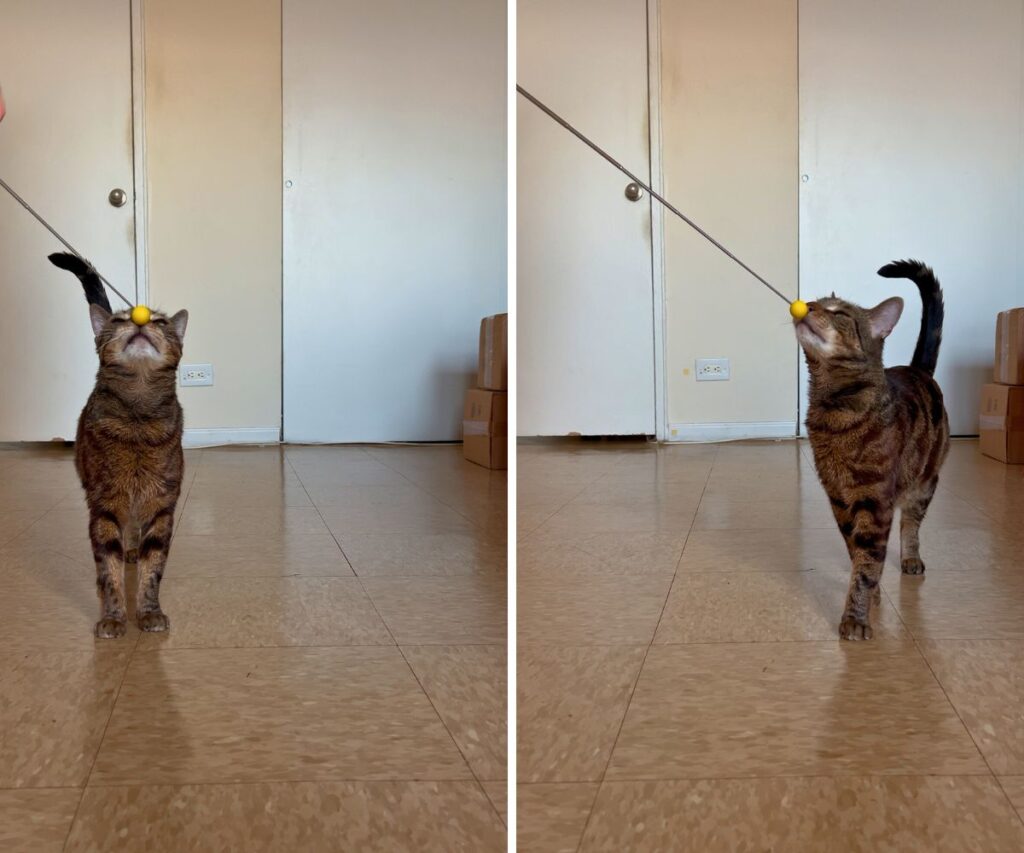
Shaping means rewarding small steps toward a bigger behavior. It breaks down tricky actions into easy parts. For example, teaching your cat to fetch starts with clicking for looking at the toy, then touching it, then picking it up.
- Start with a simple part of the behavior.
- Click and reward immediately when your cat tries.
- Gradually ask for more until the full action forms.
This technique helps your cat learn tasks that feel impossible at first. It keeps training fun and clear.
Using Clicker Training For Medical Care
Medical care can stress cats. Clicker training helps them stay calm and cooperative. Teach your cat to accept touching, holding, or even taking medicine.
- Click for calm behavior near medical tools.
- Reward sitting still during gentle handling.
- Use treats to create positive feelings about care routines.
This approach reduces fear and makes vet visits easier. It protects your cat’s health and your peace of mind.
Incorporating Training Into Daily Life
Training fits naturally into daily moments. Use short sessions during play or feeding times. This keeps your cat engaged without pressure.
- Click and reward good manners, like waiting for food.
- Practice commands during calm times, like petting or resting.
- Use the clicker to redirect unwanted behavior gently.
Regular practice makes learning a normal part of life. Your cat becomes more confident and responsive every day.
Maintaining Long-term Success
Keeping your cat engaged with clicker training requires ongoing effort. Success comes from steady practice and adapting to your cat’s needs. Maintaining long-term progress helps your cat stay motivated and enjoy training sessions. The bond between you and your cat also grows stronger with time and patience.
Consistent Practice Tips
- Train in short sessions daily to keep your cat interested.
- Choose quiet times to avoid distractions during training.
- Use the same clicker sound to build clear communication.
- Keep training fun and end on a positive note each time.
- Observe your cat’s mood and stop if they seem stressed.
Adjusting Rewards Over Time
Start with high-value treats to get your cat’s attention. Gradually replace treats with praise or petting to vary rewards.
Introduce different rewards like favorite toys or playtime. This keeps training exciting and prevents boredom.
Watch your cat’s response and adjust rewards to keep motivation high.
Building A Stronger Bond
Clicker training strengthens trust between you and your cat. Patience and kindness create a safe learning space.
Spend quiet time together outside training sessions to deepen your connection.
Celebrate small achievements to encourage your cat and build confidence.
Respect your cat’s limits and preferences to maintain a happy relationship.
Frequently Asked Questions
What Is Clicker Training For Cats?
Clicker training uses a small sound device to mark desired behaviors. It helps cats learn commands quickly through positive reinforcement.
How Do I Start Clicker Training My Cat?
Begin by associating the click sound with treats. Click, then immediately reward your cat to build a positive connection.
How Long Does Clicker Training Take For Cats?
Training duration varies, but most cats learn basic commands in 1-2 weeks with daily short sessions.
What Behaviors Can Clicker Training Teach Cats?
You can teach cats to sit, come, stay, and even perform tricks using clicker training effectively.
Conclusion
Clicker training helps build trust between you and your cat. It makes learning fun and clear for your pet. Small steps and patience bring the best results. Cats enjoy positive attention and rewards during training. Consistency keeps your cat interested and eager to learn.
Training sessions do not need to be long or hard. Try short, regular practice times every day. This approach creates a happy and well-behaved cat. Start today to see how clicker training works!
