


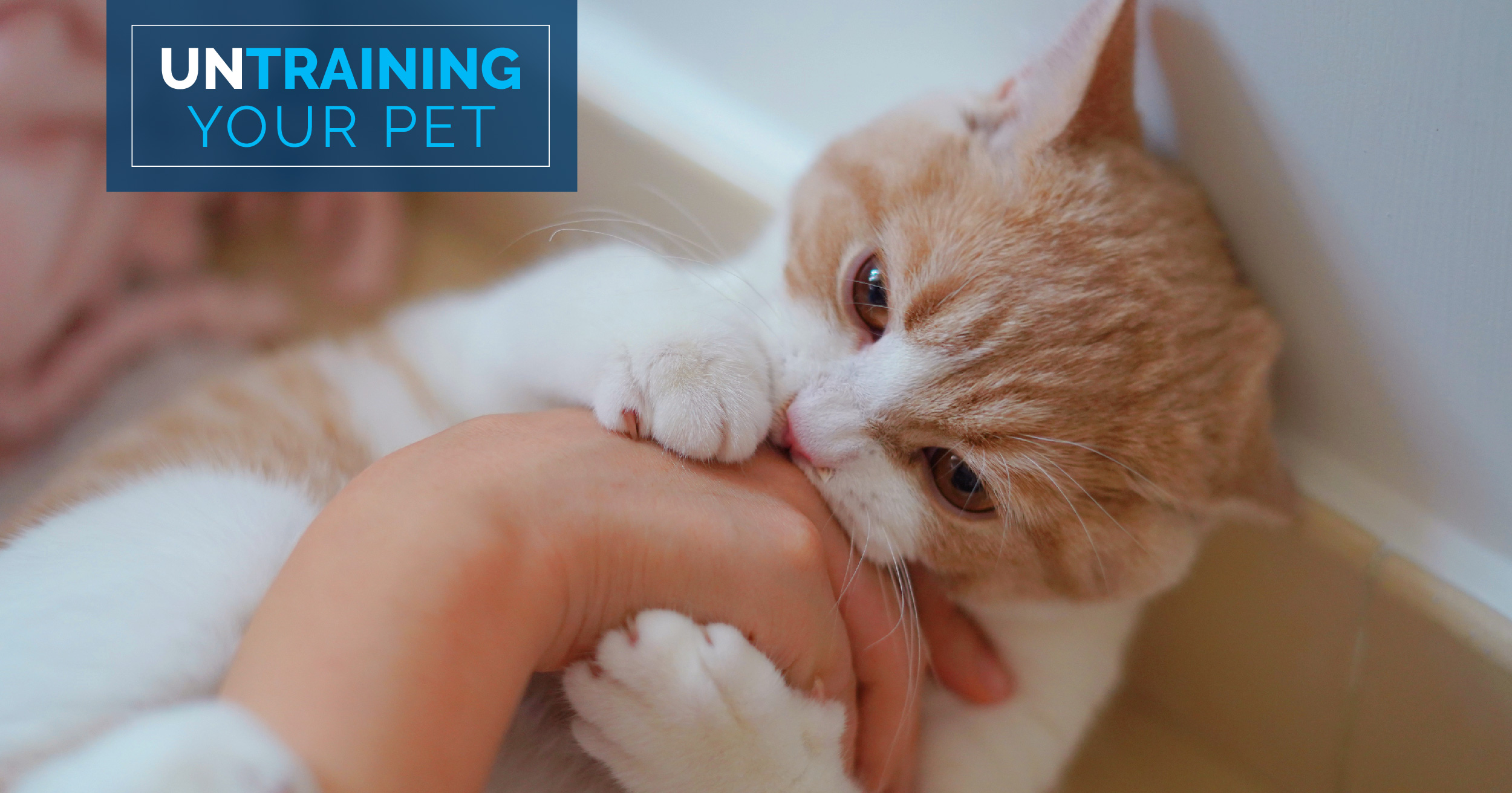
Are you tired of your cat’s sudden bites that catch you off guard? It’s frustrating when a playful swipe turns into a painful nip.
But here’s the good news: you can teach your cat not to bite. With the right approach, you’ll build a stronger bond and enjoy peaceful moments together. Keep reading to discover simple, effective steps that will help you understand your cat’s behavior and gently guide them toward better habits.
Your hands—and your heart—will thank you.

Credit: zigly.com
Reasons Cats Bite
Cats bite for many reasons. Understanding these reasons helps you train your cat better. Biting is a way cats communicate feelings or needs. Sometimes it is playful, other times it signals fear or pain. Knowing the cause makes training easier and safer for both of you.
Playful Biting
Kittens and young cats often bite during play. It mimics hunting behavior and teaches them control. They use their mouths to explore and interact. Playful biting is usually gentle but can become too hard. Teaching your cat bite limits during play stops rough behavior.
Fear And Stress
Cats bite when scared or stressed. It is a defense mechanism to protect themselves. Loud noises, strangers, or sudden movements can trigger biting. A stressed cat feels unsafe and may lash out. Creating a calm environment reduces fear and biting.
Overstimulation
Too much petting or touching can cause biting. Cats have a limit to how much they tolerate. Overstimulation makes them uncomfortable or irritated. They may bite to say “stop.” Learning your cat’s signals helps avoid this behavior.
Medical Causes
Pain or illness can cause sudden biting. Cats hide pain but may bite when touched. Dental problems, injuries, or infections increase sensitivity. A vet check-up is important if biting starts unexpectedly. Treating medical issues reduces biting caused by discomfort.
Reading Cat Body Language
Understanding your cat’s body language is key to preventing biting before it happens. Cats communicate a lot through their posture and movements, and picking up on these cues lets you respond calmly and effectively. This awareness helps you build trust and keeps your interactions safe and enjoyable.
Signs Of Aggression
Recognizing aggression early can stop bites in their tracks. Look for:
- Flattened ears pressed back against the head
- Hissing or growling sounds
- Dilated pupils and intense staring
- Swishing or flicking tail
- Raised fur along the back and tail
If you see any of these signs, it’s a clear message your cat feels threatened or annoyed. Respecting this moment by giving them space can prevent an unwanted bite.
Warning Signals
Sometimes cats give subtle signals before showing full aggression. These can be easy to miss but are important to notice:
- Quick head turns toward you
- Sudden stop in play or movement
- Lightly tapping you with a paw without claws
- Tail twitching or flicking softly
Have you noticed your cat’s tail flick when playing? That’s often their way of saying “I’m getting a bit overstimulated.” Catching these signals early helps you pause and avoid pushing your cat too far.
Relaxed Vs. Tense Posture
A relaxed cat looks completely different from a tense one, and knowing the difference is a game-changer.
- Relaxed:Loose body, half-closed eyes, slow blinking, and soft paws.
- Tense:Stiff body, ears turned sideways or back, wide eyes, and tightly tucked paws.
I once ignored my cat’s tense posture during play, and it ended with a nip. Now, I stop immediately when I see that stiffness. Trusting these physical cues lets you keep your cat comfortable and reduces biting incidents.
Safe Handling Techniques
Handling your cat safely is the first step to reducing biting. Cats often bite out of fear, overstimulation, or confusion. Learning how to touch and engage with your cat correctly helps you avoid those moments and builds trust.
Proper Petting Methods
Not all petting feels good to cats. Most cats prefer gentle strokes along their back and head rather than belly rubs, which can trigger defensive bites.
Try to pet your cat with slow, calm movements. Watch their body language—if their tail twitches or ears flatten, it’s time to stop.
Have you noticed your cat pulling away quickly? That’s a clear sign to give them space.
Avoiding Triggers
Knowing what sets your cat off helps you steer clear of biting incidents. Loud noises, sudden movements, or rough handling can scare your cat into biting.
Keep your hands away from their face and paws unless your cat clearly enjoys it. Many cats see hands near their face as a threat.
Think about your own actions—are you rushing or forcing interactions? Slowing down can prevent many bites.
Using Toys For Interaction
Toys let your cat play and release energy without using your hands as targets. Wand toys, balls, and laser pointers keep your cat engaged and happy.
Use toys to redirect your cat’s biting instincts. When they try to bite your hand, swap it for a toy immediately.
Have you tried rotating toys to keep playtime fresh? Cats get bored easily, so new toys can keep their interest and reduce biting.
Credit: www.diamondpet.com
Positive Reinforcement Strategies
Positive reinforcement is a powerful way to teach cats not to bite. It focuses on rewarding the behavior you want, not punishing the bad. Cats respond well to kindness and patience. This approach builds trust and encourages good habits.
Using treats, praise, and playtime can help your cat learn faster. The key is to notice and reward gentle behavior. This helps your cat understand what is acceptable and what is not.
Rewarding Good Behavior
Catch your cat being gentle and calm. Give a small treat or kind words right away. This shows your cat that not biting brings rewards. Use soft petting or a favorite toy as rewards too. Rewards make your cat want to repeat good actions.
Timing Treats And Praise
Timing matters a lot in training cats. Give treats or praise immediately after your cat acts nicely. Delay can confuse your cat about what caused the reward. Keep treats handy during play or petting sessions. Quick rewards help your cat link good behavior to positive results.
Consistency In Training
Always reward the same good behaviors every time. Be patient and keep training sessions short and frequent. Use the same words and gestures for praise. Consistency helps your cat understand what you expect. Mixed signals can slow down learning and cause frustration.
Redirecting Biting Behavior
Redirecting your cat’s biting behavior is a key step to building trust and preventing frustration—for both of you. Instead of punishing, focus on guiding your cat toward more acceptable ways to express energy and playfulness. This approach not only stops biting but also strengthens your bond through positive interaction.
Offering Alternatives
Give your cat something to bite other than your hands or clothes. Toys like soft chewable mice, feather wands, or rubber balls work great. Keep a variety handy so your cat can choose what suits their mood.
When your cat starts to nip, immediately offer one of these toys. This teaches them what’s okay to bite and what isn’t. Have you noticed how quickly cats switch attention when given the right toy? Use that to your advantage.
Interactive Play Sessions
Spend time each day playing with your cat using toys that keep their focus away from your skin. Wand toys or laser pointers encourage them to chase instead of bite. This not only redirects their energy but also satisfies their hunting instincts.
Try short, frequent play sessions to tire them out. A tired cat is less likely to bite out of boredom or excess energy. How does your cat respond when you engage them with a toy? Notice what triggers biting and adjust your play accordingly.
Ignoring Unwanted Bites
If your cat bites you during play, stop all interaction immediately. Turn away or leave the room for a short moment. This teaches your cat that biting ends the fun, making it less appealing.
Consistency is key here. If you react with a loud noise or pull away too quickly, your cat might think it’s part of the game. Stay calm and neutral, showing that biting has no reward. Have you tried this pause technique? It often surprises cat owners how effective it can be.
Setting Boundaries With Cats
Setting boundaries with cats is key to stopping biting behavior. Cats need clear rules to understand what is okay and what is not. This helps them feel safe and reduces confusion. Training cats with patience and kindness builds trust and respect.
Clear limits keep playtime fun without hurting anyone. Boundaries guide cats to control their biting instincts. They learn to express themselves without using their teeth. This section explores simple ways to set these boundaries effectively.
Using Gentle Deterrents
Gentle deterrents help cats learn biting is not allowed. Use soft sounds like a gentle “no” or a quick clap. Avoid loud or scary noises that frighten your cat. A light spray of water can also stop biting quickly. These methods teach cats without causing stress or fear.
Consistency matters. Always use the same gentle deterrent when your cat bites. This helps them connect the action with the consequence. Over time, they will bite less to avoid the unpleasant response.
Establishing ‘no Bite’ Zones
Designate certain areas where biting is never allowed. For example, your hands and feet can be no-bite zones. Use firm but calm body language to show these zones are off-limits.
When your cat tries to bite these zones, gently move them away. Replace your hand with a toy to redirect their biting. This teaches them to bite toys, not people. Reinforce this habit every day for best results.
Teaching Bite Inhibition
Bite inhibition means teaching your cat to control the strength of their bite. Start by playing with your cat using toys, not your hands. If they bite too hard, stop playing immediately. This shows biting stops fun time.
Allow gentle bites during play, but not painful ones. Praise your cat when they use soft bites. This helps them understand how to play safely. Over time, your cat will learn to be gentle with their teeth.
When To Seek Professional Help
Knowing when to seek professional help is key to stopping your cat from biting. Sometimes, the issue needs expert care beyond home training. Early action can prevent serious behavior problems.
Professional guidance offers tailored advice and effective solutions. Recognizing signs like frequent biting, aggression, or fear is important. These signs mean your cat may need special attention.
Behavioral Specialists
Behavioral specialists understand cat psychology and habits. They use gentle methods to change biting behavior. They create a plan based on your cat’s needs and history.
Specialists teach you how to respond to biting calmly. They also help reduce your cat’s stress and anxiety. This support improves your cat’s comfort and behavior over time.
Veterinary Checks
Health problems can cause biting in cats. Pain, illness, or discomfort often lead to sudden aggression. A vet can rule out or treat medical issues quickly.
Regular check-ups catch hidden problems early. Vets may suggest medication or therapy for pain management. This helps your cat feel better and reduces biting.
Training Classes
Training classes offer structured environments for cats and owners. Experts guide you through positive reinforcement techniques. Classes improve your skills in managing biting behavior.
Group sessions also allow socialization with other cats. This exposure can reduce fear and aggression. Classes provide ongoing support and motivation for owners.

Credit: www.outdoorbengal.com
Frequently Asked Questions
Why Does My Cat Bite When I Pet It?
Cats may bite due to overstimulation or discomfort. They communicate boundaries by biting softly or playfully. Learn to read their body language to avoid bites. Respect their signals to build trust and reduce biting incidents.
How Can I Stop My Cat From Biting Playfully?
Redirect playful biting to toys instead of hands. Use interactive toys during playtime. Avoid using your fingers as toys. Praise gentle play and withdraw attention if biting occurs. Consistency helps teach your cat appropriate behavior.
What Are Effective Ways To Train A Cat Not To Bite?
Use positive reinforcement with treats and praise for gentle behavior. Avoid punishment; it can increase fear or aggression. Provide plenty of toys and playtime. Consistent, gentle correction helps your cat learn bite inhibition over time.
Can Stress Cause A Cat To Bite More Often?
Yes, stress increases a cat’s likelihood to bite. Changes in environment, new pets, or loud noises can trigger stress. Identify and minimize stressors. Provide safe spaces and routine to help your cat feel secure and reduce biting.
Conclusion
Training a cat not to bite takes time and patience. Use gentle corrections and offer toys for biting. Praise your cat when it behaves well. Avoid harsh punishments that can scare your pet. Consistency helps your cat learn faster. Remember, every cat is different and learns at its own pace.
Stay calm and keep trying. Soon, your cat will bite less and trust you more. A happy cat makes a happy home.
