


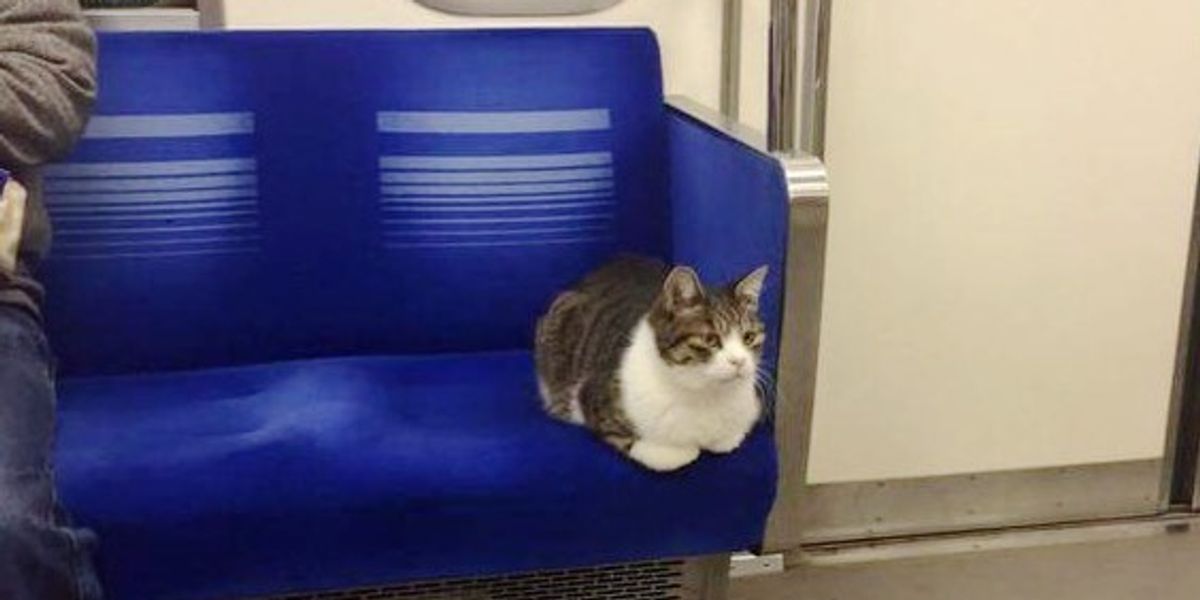
Have you ever imagined a train just for cats? It sounds fun and unusual, right?
A Cat Train is not just a concept—it’s a unique experience designed to make your furry friend happy. If you care about your cat’s comfort and love seeing them explore new places, this idea will catch your attention. Keep reading to discover how a Cat Train can change the way you travel with your pet, making every trip enjoyable and stress-free for both of you.
Credit: www.lovemeow.com
Why Train Your Cat
Training your cat is more than a fun activity. It builds trust between you and your furry friend. Cats are smart and can learn many useful behaviors. Training helps keep your cat safe and happy. It also makes living together easier.
Benefits For You And Your Cat
Training creates a strong bond with your cat. It reduces stress for both of you. Your cat learns to respond to commands and signals. This improves communication and understanding. Training can also provide mental stimulation for your cat. It keeps their mind sharp and active.
For you, training means fewer surprises and less damage. Your cat will follow simple rules and routines. This makes daily life smoother and more enjoyable. Training also helps in teaching tricks or fun activities. It turns your cat into a playful and confident companion.
Common Behavioral Issues
Many cats show unwanted behaviors that training can fix. Scratching furniture, jumping on counters, or biting are common problems. Training teaches your cat acceptable ways to behave. It helps redirect their energy to positive actions.
Training also reduces anxiety and fear in cats. Cats that know commands feel safer and more secure. They are less likely to act out or hide. Clear boundaries make your cat feel more relaxed and happy. This helps create a peaceful home for everyone.
Basic Training Tools
Getting your cat to respond well during training starts with having the right tools at hand. Basic training tools make the process smoother and more enjoyable for both you and your feline friend. They create a positive environment where your cat feels motivated and understands what you expect.
Choosing The Right Treats
Treats are the backbone of cat training. You want something that grabs your cat’s attention immediately but doesn’t spoil their appetite for regular meals.
Small, soft treats work best because they are easy to chew quickly. Avoid large or hard treats that may distract or frustrate your cat during short training sessions.
Think about your cat’s preferences. Some cats prefer fish-flavored snacks, while others respond better to chicken or cheese. Have you noticed what your cat instantly perks up for? Use that insight to pick your rewards.
Also, try to pick treats that are low in calories. You want to reward often without worrying about weight gain. This way, your cat stays eager and healthy.
Effective Training Aids
Beyond treats, you need tools that help communicate clearly with your cat. A clicker is a popular choice because it makes a sharp, consistent sound that cats quickly associate with positive outcomes.
Laser pointers can be useful but should be used carefully to avoid frustration from never “catching” the light. Instead, combine them with real toys or treats at the end of the session.
A comfortable training space also counts as a tool. Make sure it’s quiet and free from distractions. This helps your cat focus and learn faster.
Have you tried using a target stick? It’s a simple tool that directs your cat’s attention and encourages them to follow commands with precision.
Simple tools, used wisely, can turn training time into a bonding moment. What tools do you already have at home that might work for your cat’s training?
Starting Simple Commands
Starting simple commands with your cat builds a strong bond. It also helps your cat understand your expectations. Simple commands are the foundation for good behavior. Keep training sessions short and positive. Use treats and praise to reward your cat. Patience and consistency bring the best results.
Teaching Sit And Stay
Begin with the “sit” command. Hold a treat near your cat’s nose. Slowly move the treat above its head. Most cats will naturally sit to follow the treat. Say “sit” clearly as your cat sits. Give the treat and gentle praise immediately. Repeat this a few times daily.
Next, add the “stay” command. Ask your cat to sit first. Show your open palm and say “stay.” Take a small step back. If your cat stays, reward with a treat. Increase the distance slowly over time. Keep sessions brief to avoid frustration.
Encouraging Come When Called
Choose a simple word like “come.” Use your cat’s name before the command. Call your cat in a cheerful voice. Show a favorite treat or toy as a lure. When your cat comes, give praise and reward. Practice in quiet places first.
Gradually increase distractions and distance. Be patient and consistent with your calls. Never punish your cat for not coming. Make coming to you a happy experience. This command can keep your cat safe outdoors.

Credit: www.reddit.com
Addressing Unwanted Behaviors
Unwanted behaviors can test your patience and disrupt the harmony in your home. Addressing these behaviors early helps create a peaceful environment for both you and your cat. Understanding why your cat acts out gives you the tools to guide them toward better habits.
Stopping Scratching Furniture
Scratching is a natural behavior for cats, but your couch doesn’t have to suffer. Offer attractive alternatives like sturdy scratching posts or pads placed near their favorite spots.
Use double-sided tape or furniture covers to make areas less appealing to scratch. You might notice your cat prefers vertical or horizontal surfaces—matching their preference increases success.
Reward your cat with treats or affection when they use the scratching post. Have you ever tried rotating different textures to see what your cat likes best?
Reducing Excessive Meowing
Excessive meowing often signals that your cat wants attention, food, or is stressed. First, make sure all their needs are met—fresh water, a clean litter box, and regular playtime.
Ignore meowing that seems to seek attention, so you don’t accidentally encourage it. Instead, respond when your cat is quiet and calm to reinforce good behavior.
Consider if your cat is bored or anxious—adding interactive toys or calming pheromone diffusers can make a difference. What patterns do you notice in your cat’s meowing that might hint at the cause?
Using Positive Reinforcement
Positive reinforcement is a powerful tool for training your cat to follow commands or learn new behaviors. It focuses on rewarding good actions immediately, which encourages your cat to repeat them. This method builds trust and makes training a fun experience for both you and your feline friend.
Timing And Consistency
Timing is everything when using positive reinforcement with your cat. You need to reward your cat the moment they perform the desired behavior. Waiting too long can confuse your pet about what action earned the reward.
Consistency is just as important as timing. Use the same cues and rewards every time your cat responds correctly. This helps your cat understand exactly what you expect from them.
Rewards That Motivate
Not all rewards work the same for every cat. Some cats love treats, while others prefer affection or playtime. Find what truly motivates your cat and use it as a reward.
Try different rewards like:
- Small, tasty treats
- Favorite toys
- Gentle petting or praise
- Short play sessions
Have you noticed how your cat reacts to different rewards? Using what excites your cat most will speed up the training process and make it more enjoyable for both of you.

Credit: www.youtube.com
Advanced Training Techniques
Advanced training techniques can take your cat’s skills to the next level, making learning fun and rewarding for both of you. These methods focus on building strong communication and engagement, which helps your cat understand what you want more clearly. Ready to see your cat respond with enthusiasm and even excitement?
Clicker Training Basics
Clicker training uses a small device that makes a distinct “click” sound to mark the exact moment your cat does something right. This clear signal helps your cat connect their action with a reward, speeding up learning. Have you noticed how a quick, consistent sound can grab your cat’s attention better than words?
Start by pairing the click with treats. Click, then immediately give a tasty reward. Repeat this until your cat looks for the treat right after hearing the click.
Next, use the click to mark specific behaviors like sitting or coming when called. The precision of this method reduces confusion and encourages your cat to repeat the desired action.
Introducing Tricks And Games
Adding tricks and games keeps training fresh and enjoyable for your cat. Simple tricks like high-five or rolling over can challenge your cat’s mind and improve your bond.
Try breaking down complex tricks into tiny steps and reward progress along the way. Patience here is key—cats appreciate clear guidance and positive reinforcement.
Games like hide-and-seek or using puzzle feeders also sharpen your cat’s problem-solving skills. Have you tried turning training sessions into playful challenges that excite your cat to participate?
- Use toys to guide your cat’s movement during tricks
- Keep sessions short and upbeat to maintain interest
- Reward creativity and effort, not just perfect execution
When you integrate these advanced techniques, you’ll notice your cat becoming more confident and eager to learn. What new trick will you teach your cat today?
Handling Challenges
Training a cat can be a rewarding experience, but it often comes with its own set of challenges. Understanding how to handle these obstacles can make your efforts more effective and less frustrating. Let’s look at practical ways to overcome common issues you might face during cat training.
Dealing With Stubborn Cats
Stubborn cats can test your patience. They may ignore commands or refuse to engage in training sessions altogether. The key is to stay consistent and patient while adjusting your approach.
Try breaking training into short, frequent sessions rather than long ones. Cats have short attention spans, so 5-minute bursts can work better than 20-minute attempts. Use high-value treats or favorite toys as rewards to motivate your cat.
Watch your cat’s body language carefully. If your cat seems stressed or bored, pause the session and try a different method later. Sometimes, changing the environment by moving to a quieter room can help your cat focus better.
When To Seek Professional Help
Not all challenges can be solved with home training. If your cat shows aggressive behavior, extreme fear, or consistently ignores training despite your best efforts, it might be time to get expert advice.
Professional trainers or veterinary behaviorists can identify underlying issues you might miss. They offer tailored strategies that match your cat’s personality and specific needs. Don’t hesitate to reach out if you feel stuck or overwhelmed.
Remember, asking for help doesn’t mean you failed. It means you care enough to provide the best support for your cat’s well-being and progress. Could professional insight be the missing piece in your training puzzle?
Maintaining Good Behavior
Maintaining good behavior in your cat train sessions is key to building a strong bond and ensuring lasting success. Consistency and engagement keep your cat motivated and responsive. Without steady practice and mental stimulation, even the best-trained cats can lose focus or develop unwanted habits.
Creating A Training Schedule
Set a regular time each day for your cat’s training. Cats thrive on routine, and short, frequent sessions work better than long, occasional ones. Aim for 5 to 10 minutes, two or three times daily.
Write down your schedule and stick to it. This helps you stay accountable and lets your cat anticipate the session, increasing their willingness to participate. Have you noticed how your cat’s mood changes when training happens at the same time every day?
Keep the environment consistent during training. Choose a quiet spot free from distractions. This makes it easier for your cat to focus and learn new behaviors.
Keeping Your Cat Engaged
Use a variety of rewards to keep your cat interested. Mix treats, affection, and playtime as incentives. Cats get bored quickly, so switching rewards can keep training exciting.
Incorporate interactive toys or puzzles to challenge your cat’s mind. Mental stimulation reduces destructive behaviors caused by boredom. Have you ever seen how a simple feather toy can turn a distracted cat into a focused learner?
- Change training activities regularly to avoid monotony
- Observe your cat’s reactions and adjust rewards accordingly
- End sessions on a positive note to build enthusiasm for next time
Remember, patience is essential. If your cat loses interest, pause and try again later. Your calm and positive attitude will encourage your cat to keep improving.
Frequently Asked Questions
What Is A Cat Train And How Does It Work?
A cat train is a method of training cats to follow commands or perform tricks. It uses positive reinforcement like treats and praise to encourage good behavior. This technique helps improve a cat’s obedience and strengthens the bond between pet and owner.
Can All Cats Learn To Ride A Cat Train?
Most cats can learn with patience and proper training techniques. Success depends on the cat’s personality and consistency from the owner. Gradual training sessions and rewards increase the chances that a cat will enjoy and respond well to cat train exercises.
What Are The Benefits Of Cat Train Training?
Cat train training improves a cat’s mental stimulation and physical activity. It reduces behavioral problems by providing structured interaction. It also enhances trust and communication between cats and owners, making daily care easier and more enjoyable for both.
How Long Does Cat Train Training Take To See Results?
Results vary but most cats show progress within a few weeks. Consistent daily training sessions of 5-10 minutes yield the best outcomes. Patience and positive reinforcement are key to helping cats learn new behaviors effectively.
Conclusion
Cat Train offers fun and simple gameplay for all ages. It combines cute cats with easy puzzles. Players enjoy matching cats and exploring colorful levels. The game keeps you entertained without confusion. Try Cat Train to relax and have fun.
It’s a great choice for casual gaming time. Give it a go and see how cute cats can brighten your day!
