

Potty training a cat might sound tricky, but it’s totally possible—and it can change your life. Imagine never scooping a litter box again or worrying about odors in your home.
If you want a cleaner, fresher space and a happier cat, this guide is for you. Keep reading to discover simple, effective steps that can make potty training your cat easier than you think. You’ll be amazed at how quickly your furry friend can learn!
Benefits Of Potty Training Cats
Potty training a cat offers many benefits for both you and your pet. It creates a cleaner home environment by reducing litter mess. It also cuts down on the need to buy and clean litter boxes. Cats that use the toilet may feel more comfortable and confident in their space.
Training your cat to use the toilet can save time and effort spent on daily litter box maintenance. It also helps prevent common litter box problems like odors and tracking litter outside the box. Toilet-trained cats can enjoy a more natural and hygienic way to relieve themselves.
Improved Cleanliness And Hygiene
Toilet training reduces litter spills and tracking. This keeps floors and carpets cleaner. It lowers the risk of bacteria buildup from used litter. It also limits unpleasant odors inside the home. A cleaner space benefits both humans and pets alike.
Cost Savings On Litter And Supplies
Less litter is needed or none at all. This leads to lower expenses over time. You save money by not buying litter constantly. Fewer litter boxes means less cleaning products used. The savings add up quickly with toilet training.
Reduced Maintenance And Cleaning Time
No more scooping or changing litter daily. Toilet training cuts down on chores related to the litter box. You spend less time cleaning pet areas. This frees up time for other activities. It makes caring for your cat easier.
Better Behavior And Confidence For Cats
Cats feel more secure using the toilet. It mimics natural elimination habits. This can reduce anxiety and unwanted behaviors. Toilet-trained cats often stay cleaner themselves. It supports their independence and well-being.
Credit: www.amazon.com
Choosing The Right Equipment
Choosing the right equipment makes a huge difference in potty training your cat. The right tools keep your cat comfortable and speed up the learning process. It also helps you avoid frustration and saves time.
Selecting A Training Kit
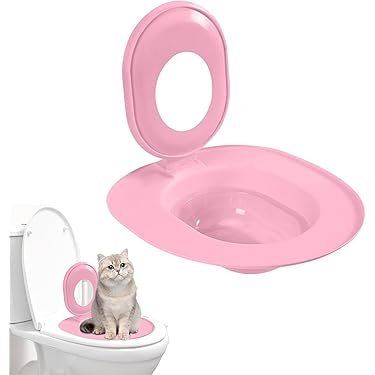
Look for a training kit that fits your cat’s size and temperament. Some kits come with adjustable inserts that gradually reduce the litter area, helping your cat adjust to the toilet step by step.
Choose kits made of durable, easy-to-clean materials. Plastic trays with smooth surfaces work best because they prevent litter from sticking and make cleanup easier.
Think about extras like a splash guard or seat covers. These small additions can keep your bathroom cleaner and make your cat feel more secure.
Setting Up The Toilet
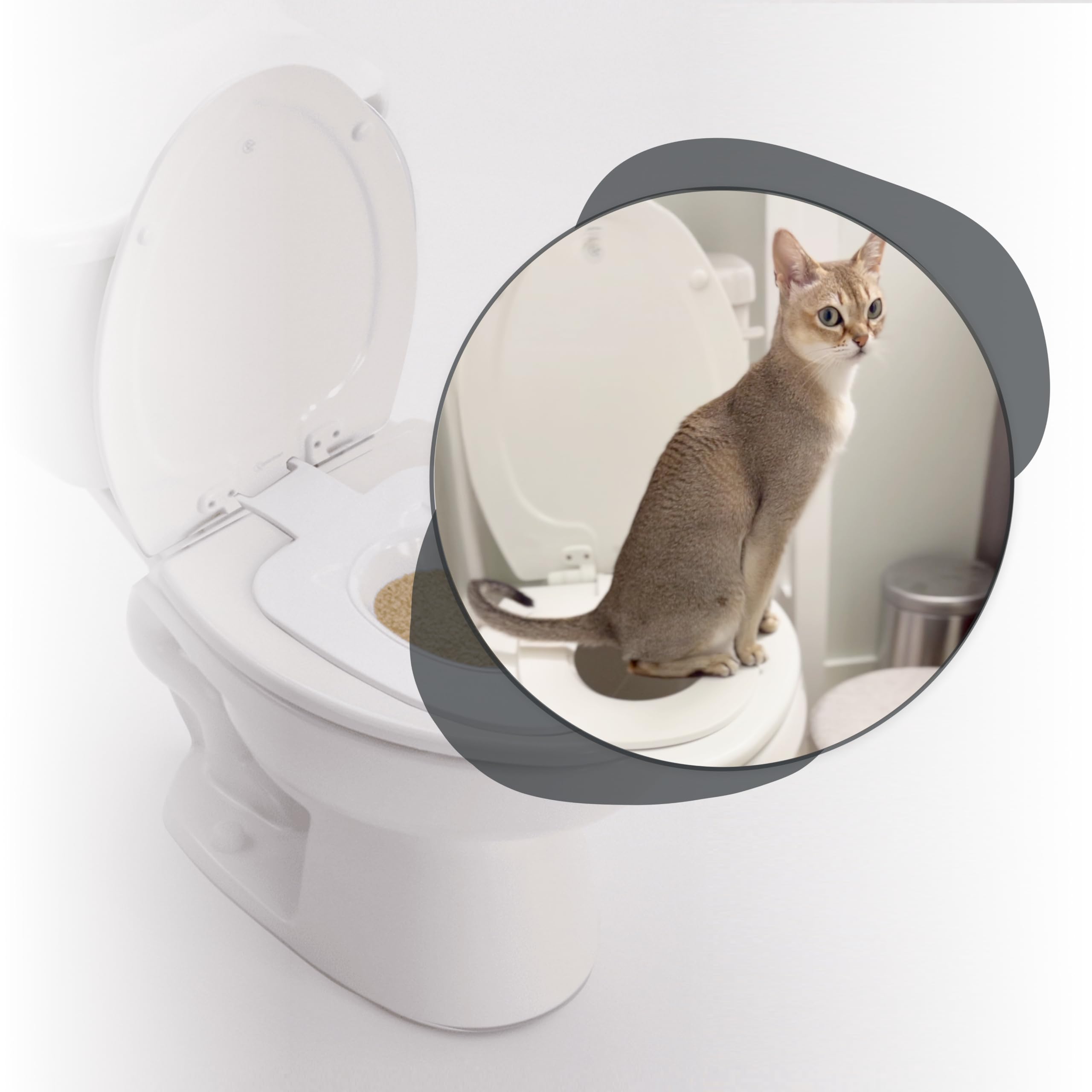
Place the training kit on the toilet seat and secure it firmly. If it wobbles, your cat won’t feel safe, and the training can stall.
Keep the toilet lid up and the bathroom door open so your cat can access the area anytime. Consistency is key to forming new habits.
Consider adding a step stool near the toilet if your cat struggles to jump up. Accessibility matters and helps prevent stress during training.
Preparing Your Cat
Preparing your cat for potty training is a crucial first step. Cats need time to adjust to new routines and spaces. This phase builds comfort and confidence. It helps avoid stress and accidents later. Patience and observation are key. Understanding your cat’s behavior guides you through the process.
Assessing Readiness
Not all cats are ready for potty training at the same age. Most cats adapt best after six months old. Watch for these signs of readiness:
- Shows curiosity about the toilet area.
- Uses the litter box consistently.
- Can balance well on narrow surfaces.
- Responds calmly to new environments.
These clues indicate your cat can start training. Avoid rushing. Stress can harm progress and trust.
Familiarizing With The Toilet Area
Begin by introducing your cat to the bathroom environment. Let your cat explore the room freely. Keep the toilet lid open to build familiarity.
Place the litter box near the toilet at first. Gradually move the box closer to the toilet seat over days. This helps your cat get used to the new spot.
- Encourage your cat to jump on the toilet seat using treats.
- Make the area quiet and safe.
- Keep the bathroom clean and odor-free.
Consistent positive experiences create comfort. This foundation improves potty training success.
Step-by-step Training Process
Potty training a cat requires patience and a clear plan. The process involves several stages that help your cat transition from using a litter box to the toilet smoothly. Breaking it down into manageable steps can make the experience less stressful for both you and your cat.
Introducing The Training Seat
Start by placing a special training seat over your toilet bowl. This seat is designed to hold litter and fit securely, giving your cat a familiar surface to use while getting used to the new location.
Keep the training seat filled with your cat’s regular litter. This helps your cat associate the toilet area with their usual bathroom routine.
It’s normal if your cat hesitates at first. Encourage them gently by placing treats nearby or praising them when they approach the seat. Have you noticed how cats react differently to new objects in their territory?
Gradually Reducing Litter
Once your cat is comfortable using the training seat, start reducing the amount of litter little by little. This helps your cat adjust to the idea that they don’t need much litter to feel comfortable.
Try removing small amounts every few days. Watch for signs of stress or accidents, and slow down if needed.
It can be surprising how sensitive cats are to changes in their bathroom setup. Have you seen your cat’s reaction when you switch their food or toys? The same caution applies here.
Encouraging Use Of The Toilet
As the litter decreases, encourage your cat to balance directly on the toilet seat. You might need to lift them gently at first or place treats on the seat to attract them.
At this stage, patience is key. Your cat may slip or fall occasionally, so always supervise and avoid scolding.
Think about how you learned to use a new tool or device. Did a gradual approach help you feel confident? Your cat needs that same step-by-step support.
Common Challenges And Fixes
Potty training a cat can be a rewarding experience, but it comes with its own set of challenges. Understanding common problems and how to fix them can save you time and frustration. Let’s look at some typical hurdles you might face and practical solutions to keep your training on track.
Dealing With Accidents
Accidents happen, even to the most well-trained cats. When your cat misses the target, clean the area thoroughly to remove any lingering scent that might encourage repeat offenses.
Using an enzymatic cleaner is key—it breaks down odors better than regular cleaners. Avoid punishment, as it can scare your cat and make accidents worse.
Instead, watch for signs your cat needs to go and gently guide them to the potty. Have you noticed if your cat prefers a certain spot? Adjusting the location can sometimes reduce accidents.
Handling Resistance
Some cats resist potty training because it feels unfamiliar or uncomfortable. Introducing the potty gradually helps your cat get used to it without stress.
Try placing familiar objects or toys near the potty to create a positive association. You can also reward small steps toward using the potty with treats or affection.
If your cat avoids the potty, consider whether the size or type fits their preferences. Cats can be picky about texture—have you tried different potty materials?
Maintaining Consistency
Consistency is crucial for your cat to learn and keep good habits. Make sure everyone in the household follows the same training routine to avoid confusing your cat.
Keep the potty area clean and accessible at all times. Cats dislike dirty spaces, which can cause them to revert to old habits.
Regularly check the potty setup and adjust as your cat grows or changes preferences. Are you tracking your cat’s progress daily? Small notes can help you spot patterns and stay consistent.

Credit: www.cruceroclick.com
Tips For Long-term Success
Keeping your cat successfully potty trained takes consistent effort and attention. Small habits build up to lasting results, so focus on creating a routine that supports your cat’s comfort and encourages good behavior. Let’s look at key ways to maintain this success over time.
Positive Reinforcement
Reward your cat immediately after they use the litter box or toilet properly. Use treats, gentle petting, or a calm “good job” to connect the behavior with a positive outcome.
Try to avoid punishment. Cats respond better to encouragement than to fear, and harsh reactions can cause confusion or stress.
Have you noticed how your cat seems to understand when you praise them? That moment is your chance to strengthen their good habits.
Regular Cleaning
Clean the litter box or toilet area daily to keep it inviting for your cat. A fresh space reduces odors and discourages accidents outside the box.
Use unscented, mild cleaning products to avoid overwhelming your cat’s sensitive nose. Some cats refuse to use a box with strong smells.
Keeping the area tidy also helps you spot any changes in your cat’s bathroom routine quickly.
Monitoring Health
Watch for signs of discomfort or changes in your cat’s toileting habits. Straining, frequent attempts, or accidents can signal health issues like urinary infections.
Regular vet check-ups help catch problems early, ensuring your cat stays healthy and comfortable.
Have you ever noticed a sudden change in your cat’s bathroom habits? Don’t ignore it—early action can prevent bigger problems.

Credit: www.walmart.com
Frequently Asked Questions
How Long Does Potty Training A Cat Usually Take?
Potty training a cat typically takes 2 to 4 weeks. Consistency and patience are key. Each cat learns at its own pace. Frequent positive reinforcement speeds up the process. Gradual training helps cats adjust comfortably to new habits.
What Are The Best Methods For Potty Training A Cat?
Using a litter box consistently is the best method. Gradually transition from litter to toilet using a training seat. Reward your cat for successful attempts. Avoid punishment to prevent fear. Clean accidents promptly to maintain hygiene and encourage proper use.
Can All Cats Be Potty Trained Successfully?
Most cats can be potty trained with proper guidance. Age, temperament, and previous habits affect success. Kittens adapt more easily than older cats. Patience and consistent training improve chances. Some cats may resist due to anxiety or medical issues.
What Common Mistakes Should Be Avoided In Cat Potty Training?
Avoid rushing the process or punishing mistakes. Inconsistent training confuses cats. Using harsh cleaners with strong smells deters cats from the area. Neglecting to clean the litter box regularly causes accidents. Always use positive reinforcement to encourage good behavior.
Conclusion
Potty training a cat takes time and patience. Each cat learns at its own pace. Stay calm and keep routines simple. Use rewards to encourage good habits. Expect some mistakes along the way. Celebrate small successes to stay motivated. A clean, accessible toilet helps a lot.
Remember, your cat can learn new things. With care, your cat will adapt well. Enjoy the process and the bond it builds.
